

Red Light Bed vs Panel: Which One Fits Your Goals?
A red light bed and a red light therapy panel can both support photobiomodulation, the process where red and near-infrared light interact with cells. But they are not interchangeable for every person, budget, room, or recovery goal.
The short version: choose a red light bed if you want the easiest full-body exposure, a premium clinic-style experience, or a device that can treat many areas at once. Choose a panel if you want more flexibility, a smaller footprint, lower entry cost, or targeted sessions for areas like the back, knees, shoulders, or abdomen.
The better choice is not the one that looks more advanced. It is the one you will use consistently, at the right dose, for the goal you actually care about.

Red Light Bed vs Panel: Quick Comparison
| Factor | Red light bed | Red light therapy panel |
|---|---|---|
| Best fit | Full-body wellness, recovery centers, clinics, athletes treating multiple areas | Home users, targeted pain, skin care, smaller spaces, modular setups |
| Coverage | Large full-body or near full-body exposure | Depends on panel size, often one region or one side of the body at a time |
| Ease of use | Very simple once installed, usually lie down and start session | Requires positioning, distance control, and sometimes rotating body areas |
| Space needed | High, usually dedicated room or treatment space | Low to moderate, depending on panel and stand |
| Portability | Low | Moderate to high for smaller panels |
| Dose control | Can be consistent if the bed has clear specs and protocols | Can be very precise, but distance and angle matter more |
| Typical investment | Higher | Wider range, from compact to professional-grade systems |
What Is a Red Light Bed?
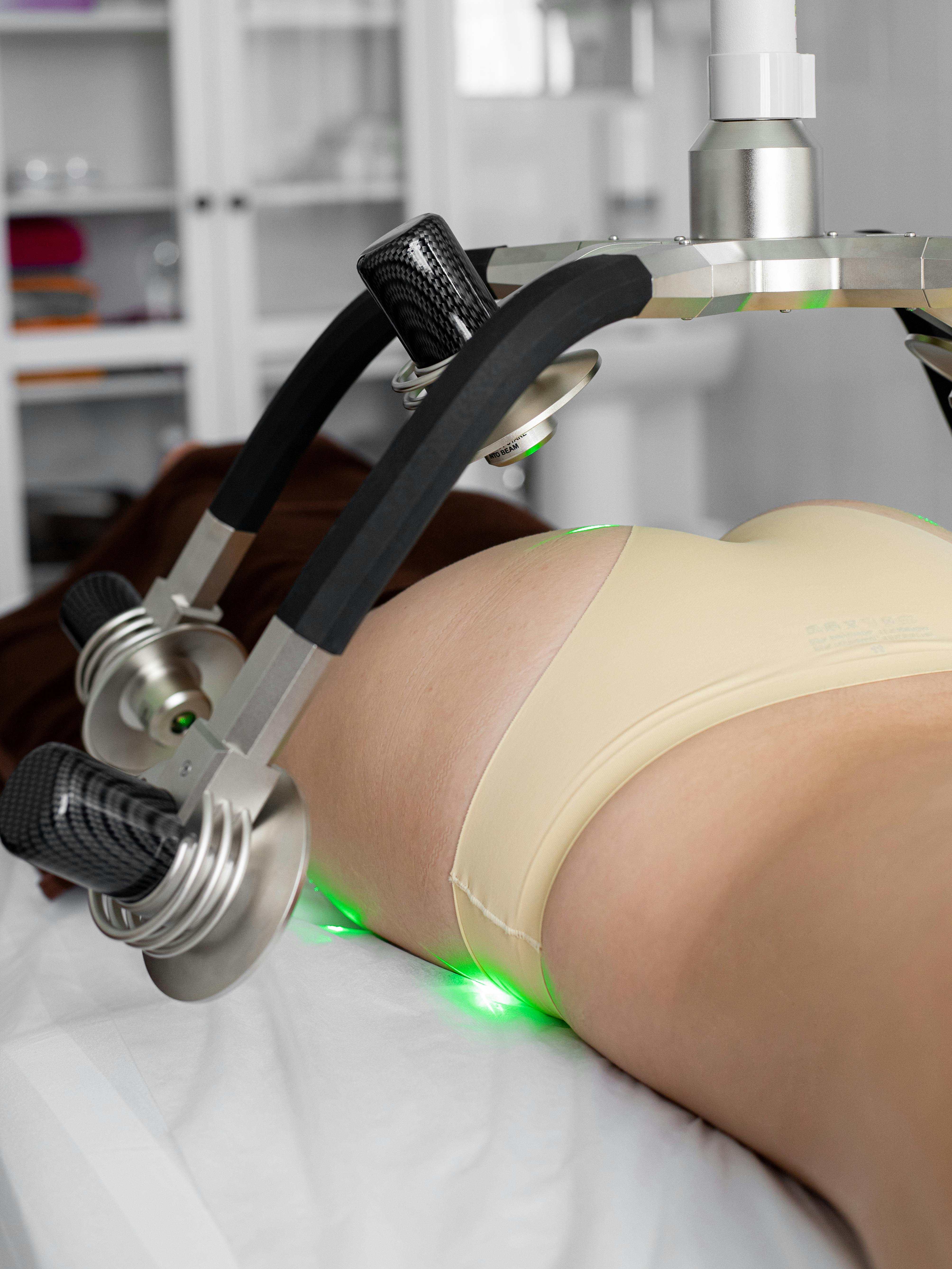
A red light bed is a full-body device designed to expose a large surface area to red and near-infrared light. Many look similar to a tanning bed, but a true red light therapy bed should not rely on UV light. The goal is not tanning. The goal is photobiomodulation. The main advantage is coverage. Instead of treating the back, legs, shoulders, and abdomen separately, you can often treat most of the body in one session.
The tradeoff is that beds require more space, higher investment, and careful specification review. For a deeper look at full-body systems, see our guide to full body red light therapy beds.
What Is a Red Light Therapy Panel?
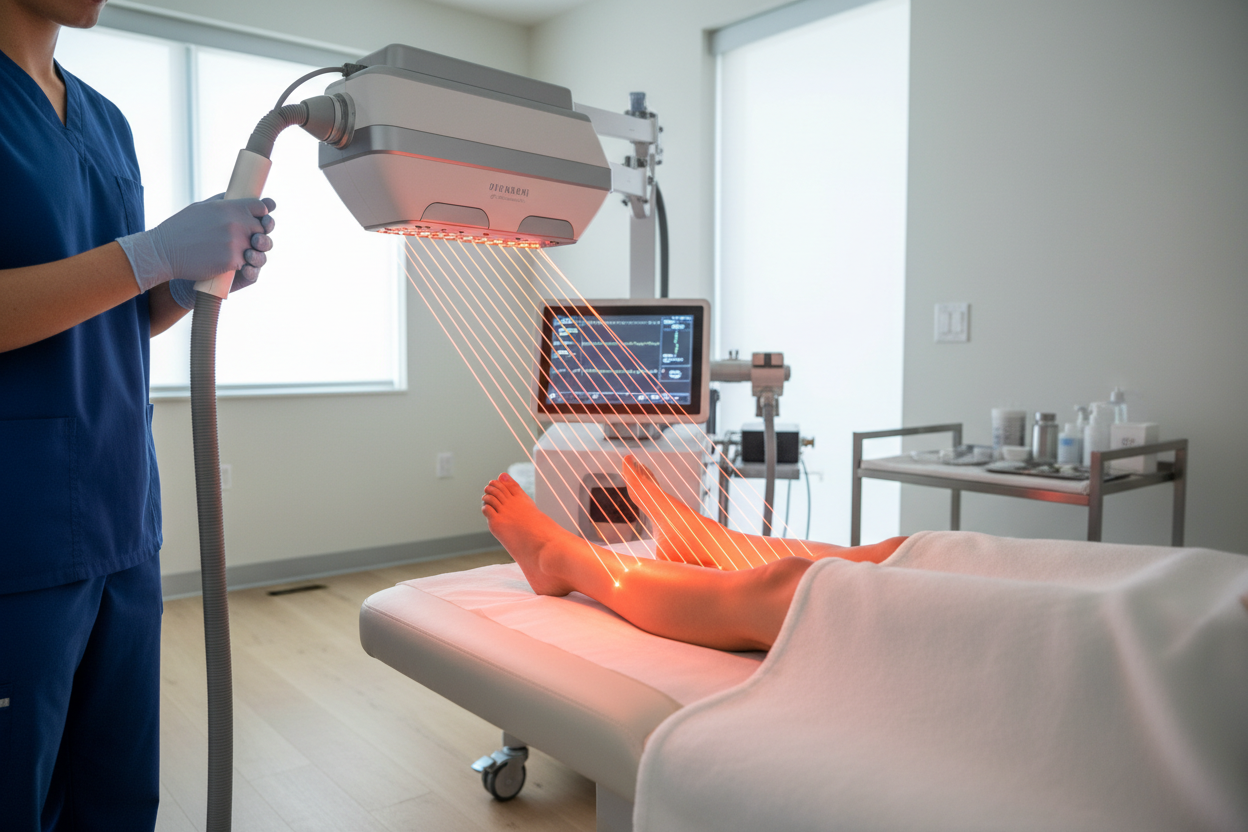
A red light therapy panel is a flat array of LEDs that emits red light, near-infrared light, or both. Panels range from small tabletop units to large full-body towers and modular systems. Panels are popular because they are adaptable. The main limitation is that panels usually treat one side or one area at a time. Read our buyer's guide on how to choose the best red light therapy panels.
The Science Is About Light Delivery, Not the Shape of the Device
A 2025 systematic review published in Lasers in Medical Science pooled 18 randomized controlled trials of red and near-infrared photobiomodulation across both panel and pod-style delivery systems and concluded that clinical outcomes correlate with delivered dose (irradiance × time × wavelength), not the form factor of the device itself. In other words: bed or panel does not determine results — measured dose at the tissue surface does.
Most therapeutic red light devices use wavelengths in the red range, often around 630 to 670 nm, and near-infrared wavelengths, often around 810 to 850 nm or similar ranges. Red light is often used for skin and superficial tissue. Near-infrared light can reach deeper tissues more effectively. The classic paper The Nuts and Bolts of Low-Level Laser Therapy discusses why dose matters.
Red light therapy follows a dose-response pattern. Too little light may not do much. Too much exposure may be less useful than an appropriate dose.
Choose a Red Light Bed If Your Goal Is Whole-Body Convenience
A red light bed makes the most sense when convenience and coverage are your top priorities. This is especially relevant for people who want red light therapy as part of a broader wellness habit rather than a targeted treatment for one small area.
Choose a Panel If Your Goal Is Flexibility and Targeted Use
A panel is often the better choice when you know exactly what area you want to treat. Lower back tightness, knee stiffness, shoulder discomfort, elbow irritation, and facial skin care are all common targeted use cases. For many home users, a panel is the practical winner because it takes up less space and costs less than a full bed.
Best Choice by Goal
Athletic Recovery
For athletes, the decision depends on how much of the body needs treatment. A red light bed is convenient after hard training days because it can cover large muscle groups in one session. A panel is better if you mostly care about one region.
Back Pain and Joint Discomfort
For localized back pain, a panel is usually easier to justify. Near-infrared wavelengths are particularly important for deeper musculoskeletal goals. Learn more in our guide to red light therapy for back pain.
Skin Health
For facial skin care, distance control and eye safety are especially important. Some people prefer face-specific masks or smaller panels because they are easier to position consistently.
Weight Loss and Body Composition Support
Red light therapy should not be treated as a standalone weight-loss solution. For more detail, read our guide to what red light therapy weight-loss results are real.
Specs That Matter Before You Buy
- Wavelengths: Common therapeutic ranges include red light around 630 to 670 nm and near-infrared light around 810 to 850 nm.
- Irradiance: How much light reaches the treatment area at a stated distance.
- Treatment area: A larger device is only valuable if it delivers useful intensity across the area you need to treat.
- Session guidance: Quality devices should provide practical instructions for distance, duration, frequency, and eye safety.
- Build quality and support: Warranty, responsive support, replacement parts, and detailed specs matter.
- Safety and regulatory clarity: Be careful with vague claims.
Safety Considerations for Beds and Panels
Red and near-infrared light therapy is generally considered low risk when used properly. Be especially cautious if you use photosensitizing medications, have a history of light-triggered conditions, have active cancer or suspicious lesions in the treatment area, are pregnant, or have eye disease. Eye protection is also important, especially with bright panels and near-infrared output.
Frequently Asked Questions
Is a red light bed stronger than a panel? Not automatically. Strength depends on wavelength, irradiance, treatment distance, LED quality, and protocol.
Can a panel give full-body red light therapy? Yes, but it depends on panel size and setup.
Which is better for back pain, a red light bed or panel? A panel is often better for targeted lower back or neck treatment.
How often should I use a red light bed or panel? Follow the device-specific protocol.
Do I need near-infrared light or just red light? For skin-focused goals, red light may be sufficient. For deeper muscles and joints, near-infrared wavelengths are often preferred.
Ready to Choose Your Red Light Therapy Setup?
If you've weighed bed vs panel and decided you want a medical-grade red light therapy device with full-body or large-area coverage in a more practical format than a bed, our top recommendations are the HealthLight Ultimate Body Kit (FDA-cleared LED pad therapy at clinical power densities — wraps around any body area for true large-coverage treatment without a bed-sized footprint) and the TheraFace Mask FDA Cleared (hands-free wearable for face-focused photobiomodulation). Both deliver true medical-grade wavelengths in formats designed for consistent daily use.
Both devices may be HSA/FSA eligible with a Letter of Medical Necessity from your physician for a documented medical condition. For general wellness or skin-only use, HSA/FSA reimbursement is typically not available — but if you're using the device for broader medical purposes (chronic pain, neuropathy, post-surgical recovery, etc.), the pre-tax purchase can convert to roughly 26-40% in real tax savings depending on your tax bracket.
Questions about bed vs panel for your specific goals, room size, or budget? Call us at (612) 360-2490 — we'll talk through your situation and help you avoid the most common mistake: buying a device whose form factor doesn't actually match how you'll use it day to day.
Ready to Upgrade Your Recovery?
The equipment referenced in this guide, in stock and ready to ship. Many products qualify for HSA/FSA — call us to confirm eligibility for your situation.
Questions? Talk to our recovery specialists: (612) 360-2490
About the Author
Justin Webster, owner of Your Health Sanctuary, has spent his career helping build over 20 niche medical clinics across the USA and has written 2 books on the subject. Working alongside dozens of MDs, he saw firsthand what actually works for weight loss, recovery, and anti-aging, and what doesn't. He even published a weight loss book centered on Apple Cider Vinegar. When he realized it wasn't at the level it needed to be, he had the humility to pull it entirely and start over. That willingness to hold himself to a higher standard, even when it costs him, is what drives how Your Health Sanctuary operates. Life and business experience in the medical field led to everything this store is built on. Justin has personally lost 55 lbs. and made anti-aging his obsession. He didn't start this store to push products. He started it because he knew the tools clinicians trust, the ones that deliver real results, were out of reach for most people. Your Health Sanctuary exists to change that.