
Best Red Light Therapy Panels: What to Look For & How to Choose
Not all red light therapy panels are created equal. Here's exactly what separates a professional-grade panel from a cheap knockoff.
The red light therapy panel market is flooded with products making bold claims. Some deliver real, clinically meaningful results. Others are essentially glorified nightlights. Knowing what separates the two will save you hundreds of dollars and months of frustration — so let's break it down properly.

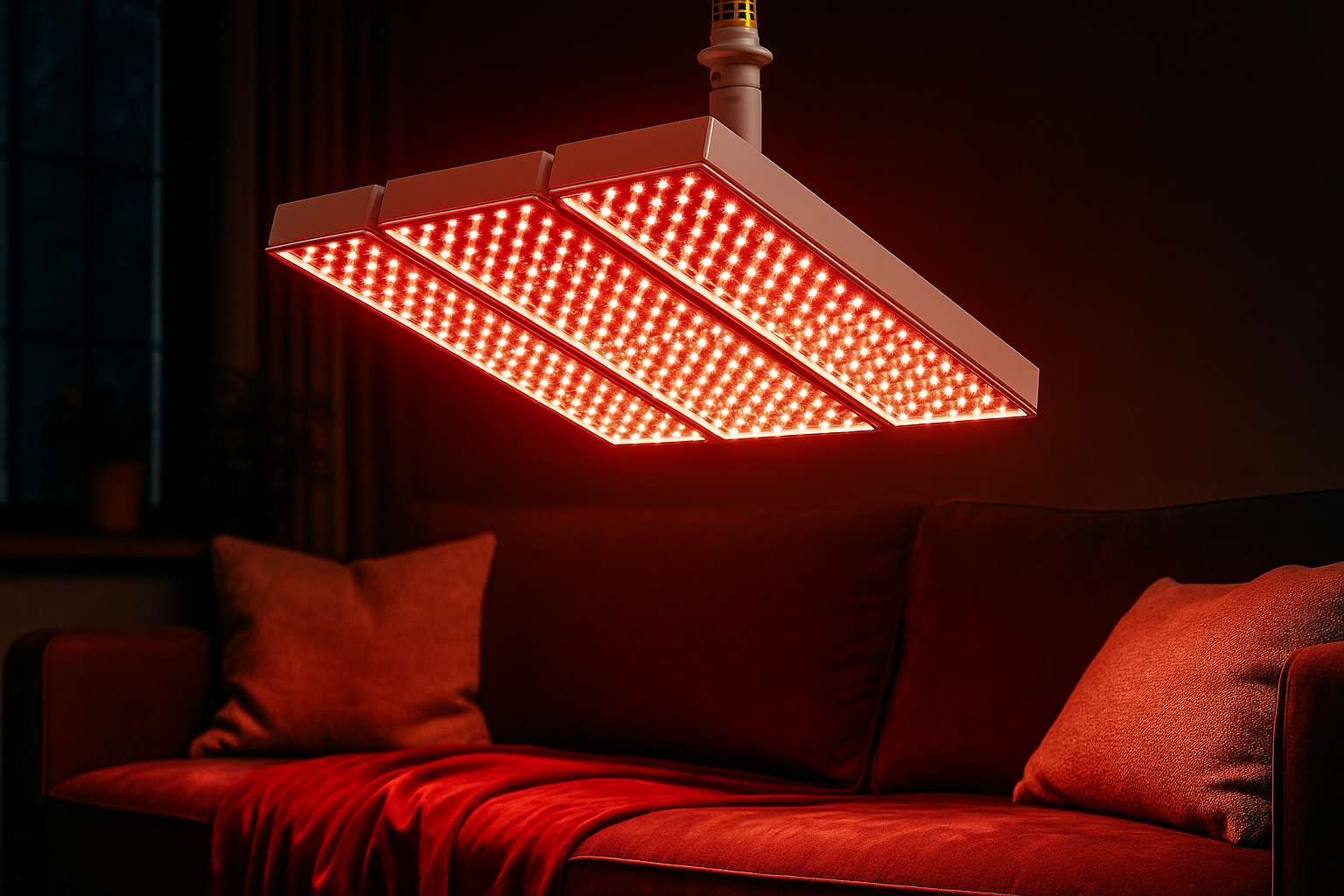
Full-body red light therapy panels deliver comprehensive treatment in a single session — but specs matter enormously.
Why Panel Quality Matters So Much
Red light therapy works through a precise biological mechanism — photobiomodulation. For this to occur, your cells need to absorb a specific dose of light energy at specific wavelengths. A panel that doesn't deliver the right wavelengths at the right power density simply won't trigger the cellular response, no matter how long you stand in front of it.
This is why you can't judge a red light panel by price alone, or by how bright it looks. You need to understand the key specs — and know how to verify them.
🔬 The core principle: Effective red light therapy requires the right wavelength + sufficient power density + adequate exposure time. Change any one of these variables and you may not achieve a therapeutic dose. A good panel makes all three easy to achieve.
The Non-Negotiable Specs
1. Wavelength (nm)
This is the single most important spec. Research consistently points to two therapeutic windows:
- 630–660nm (red light) — penetrates 1–2mm, targets skin, surface tissue, and cells just below the skin. Best for skin rejuvenation, wound healing, and collagen production.
- 800–850nm (near-infrared) — penetrates 5–10mm+, reaches muscles, joints, and deeper tissue. Best for pain relief, inflammation, and muscle recovery.
The best panels combine both wavelength ranges. Single-wavelength panels are more limited in their applications.
2. Power Density (mW/cm²)
Power density measures how much light energy reaches your skin per unit area. Too low and you won't reach a therapeutic dose in a reasonable session time. The research-backed target is 30–100 mW/cm² measured at 6 inches from the panel.
3. Treatment Area Coverage
A panel needs to be large enough to cover your target area efficiently. Using a small panel to treat your entire back means spending 10x as long per session — most people give up before seeing results.
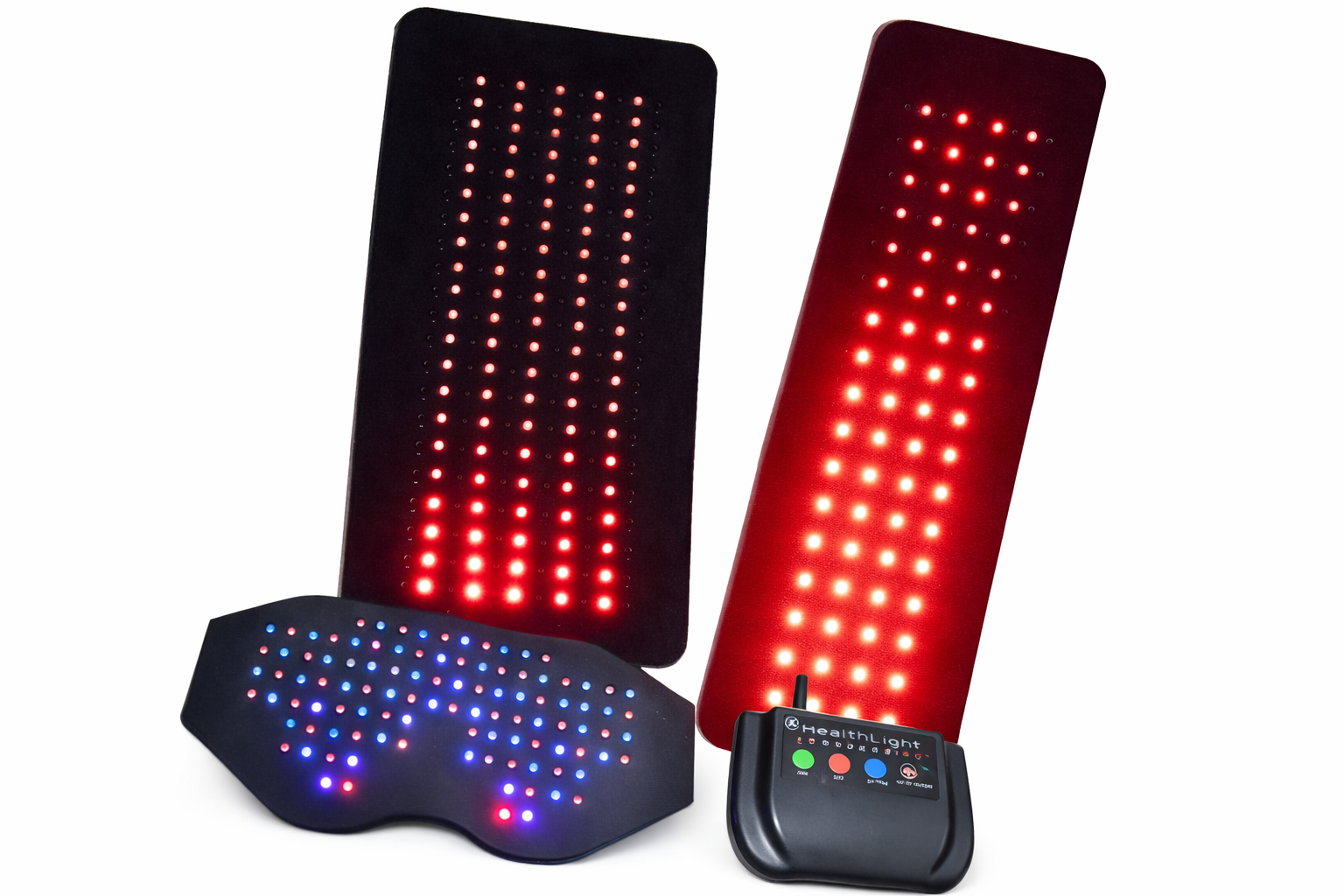
Professional panels combine red and near-infrared wavelengths for comprehensive therapeutic coverage.
Choosing the Right Panel Size
Mini Panels
4"–12" panels. Best for face, neck, hands, or targeted spot treatment. Affordable entry point.
Medium Panels
12"–24" panels. Covers torso or back in a single position. Good for most home users.
Large Panels
24"–48" panels. Covers upper or lower body in one session. Serious home users and clinics.
Full Body Panels
48"+ or modular systems. Treats entire body front and back. Professional and clinical grade.
Red Flags to Watch Out For
⚠️ Avoid panels that: don't publish wavelength specs, claim "1000+" LEDs without specifying power density, have no third-party testing or certifications, are priced under $50 for "full body" coverage, or make medical claims without FDA clearance. These are almost always underpowered devices that won't deliver therapeutic results.
The Professional Panel Checklist
✅ Before you buy, confirm these:
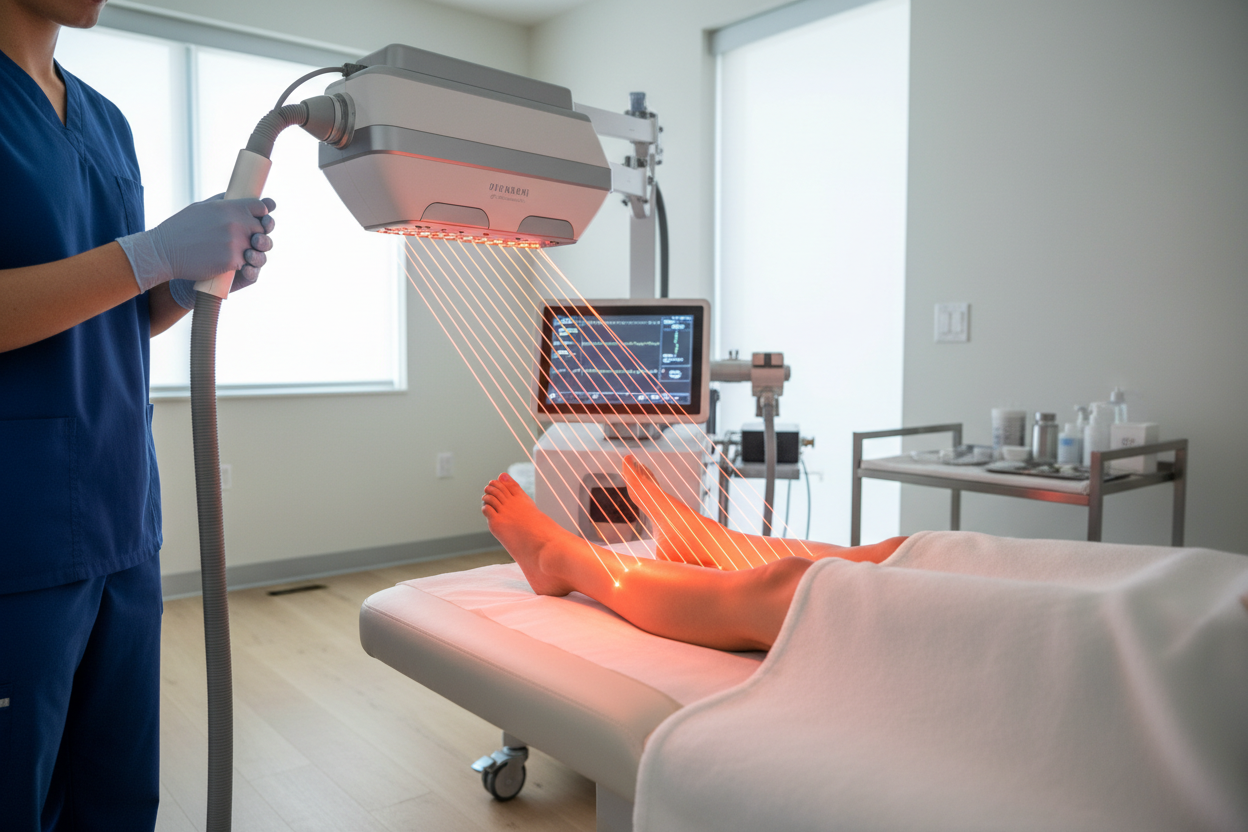
Professional-grade panels are built for daily therapeutic use — not just occasional wellness sessions.
Sources & Clinical References
- 1. Hamblin MR. "Mechanisms and applications of the anti-inflammatory effects of photobiomodulation." AIMS Biophysics. 2017;4(3):337-361.
- 2. Avci P, et al. "Low-level laser (light) therapy (LLLT) in skin: stimulating, healing, restoring." Seminars in Cutaneous Medicine and Surgery. 2013;32(1):41-52.
- 3. Ferraresi C, Huang YY, Hamblin MR. "Photobiomodulation in human muscle tissue: an advantage in sports performance?" Journal of Biophotonics. 2016;9(11-12):1273-1299.
All product recommendations are informed by published clinical research. Your Health Sanctuary is committed to evidence-based recovery guidance.
Continue Your Research
Frequently Asked Questions
How far should I stand from a red light therapy panel?
For most panels, 6–12 inches is the optimal range. At 6 inches you get maximum power density; at 12 inches coverage area increases but power density drops. Most manufacturers publish irradiance charts at different distances — always check these for your specific device.
How long should a red light therapy panel session be?
At optimal distance and power density, 10–20 minutes per treatment area is sufficient. Longer sessions don't necessarily deliver more benefit — photobiomodulation follows a biphasic dose response where too much light can reduce effectiveness.
Can I use a red light therapy panel every day?
Yes, daily use is safe and many protocols call for it. Most research uses 3–5 sessions per week as a minimum effective dose, with daily use accelerating results for skin and recovery applications.
What's the difference between a red light panel and a red light pad?
Panels are rigid, freestanding devices you position yourself in front of. Pads are flexible, wrap-around devices you can strap directly to a body part. Panels are better for full-body or large-area treatment; pads excel for targeted joint or muscle therapy where direct contact improves light delivery.
Are expensive red light panels worth it?
Professional-grade panels (typically $300–$1,500) use higher quality LEDs, maintain output consistency over time, and come with verified irradiance data. Budget panels under $100 often use lower quality components that degrade quickly and may never deliver a therapeutic dose. For serious therapeutic use, a mid-to-high quality panel pays for itself in results.
Shop Professional-Grade Red Light Panels
Your Health Sanctuary carries verified, professional-grade red light therapy panels with published wavelength and irradiance specs.
Shop Red Light Panels Need help choosing the right panel? Call us: (612) 360-2490Written by Justin Webster
Founder, Your Health Sanctuary
Justin Webster is the founder of Your Health Sanctuary, a recovery equipment resource dedicated to helping athletes, post-surgical patients, and chronic pain sufferers find evidence-based recovery solutions. With hands-on experience testing professional-grade devices from brands like Therabody, Game Ready, Bioflex, and HealthLight, Justin combines product expertise with clinical research to provide actionable recovery guidance. All recommendations are based on published clinical evidence and real-world testing.