
Full Body Red Light Therapy Bed: Complete 2026 Guide to Professional and Home Systems
Frequently Asked Questions
What is a full body red light therapy bed and how does it work?
A full body red light therapy bed is a medical or clinical-grade LED panel system that delivers red (630–660nm) and near-infrared (810–850nm) wavelengths simultaneously to the entire body surface area. Photons penetrate tissue at varying depths — red light addresses the skin and superficial layers while near-infrared reaches muscle, connective tissue, and bone. Full-body coverage allows systemic photobiomodulation effects: improved circulation, mitochondrial activation, anti-inflammatory response, and accelerated tissue recovery across the whole body simultaneously.
How long should a full body red light therapy session last?
Clinical full-body sessions typically run 10–20 minutes, delivering a therapeutic dose of 4–12 J/cm² across the body surface. At standard clinical irradiance (40–80 mW/cm²), 10 minutes achieves therapeutic dose. Longer is not always better — the biphasic dose response means excessive exposure time can reduce efficacy. Most users see optimal results from 10–15 minute sessions 3–5 times per week.
What conditions benefit most from full body red light therapy?
Full body red light therapy is particularly effective for systemic conditions that benefit from whole-body photobiomodulation: chronic fatigue, fibromyalgia, systemic inflammation, athletic recovery optimization, skin health improvement across large surface areas, and sleep quality improvement. Athletes use it for full-body recovery between training sessions. Clinical settings use it for widespread neuropathy and systemic inflammatory conditions.
How does a full body red light therapy bed differ from a panel?
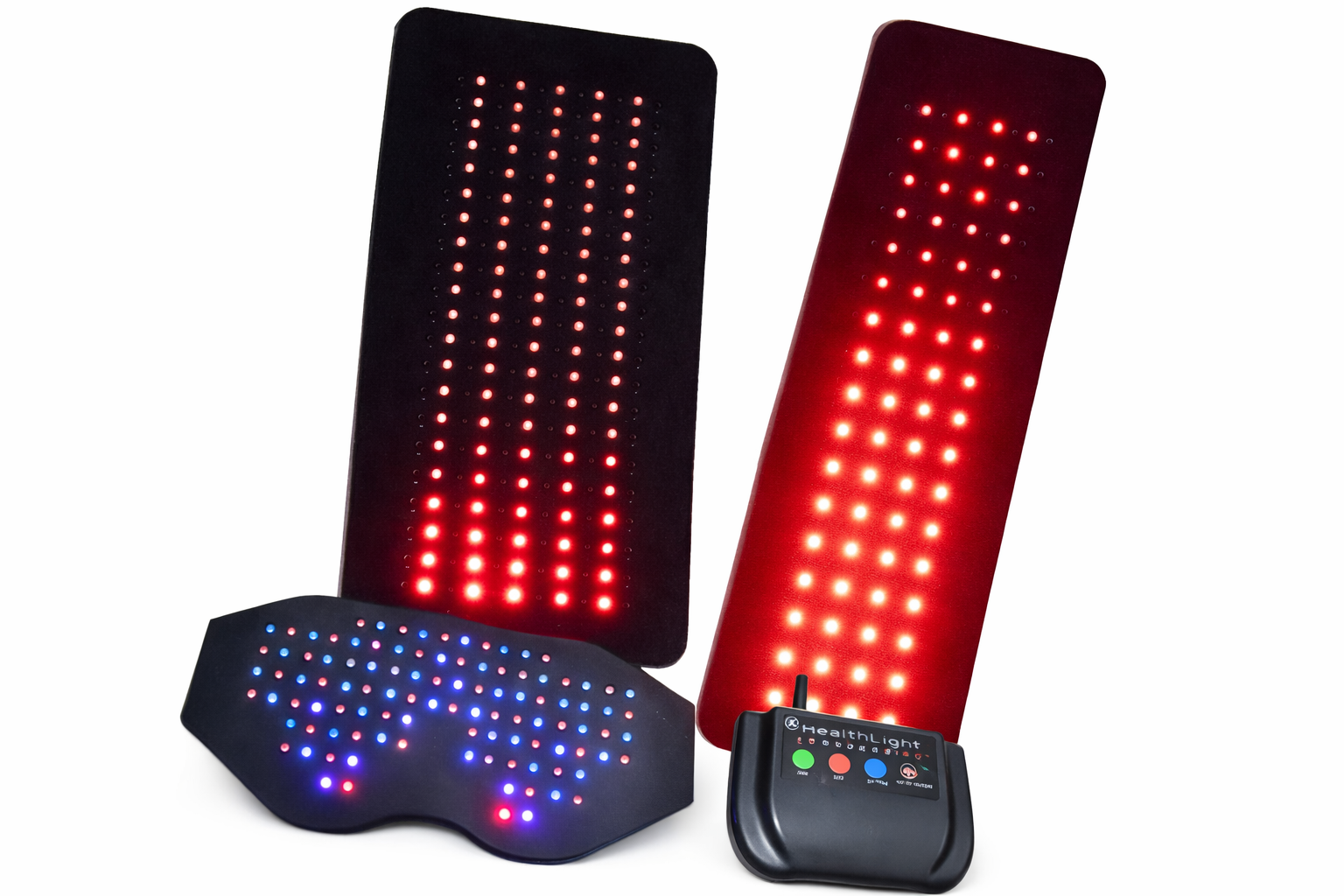
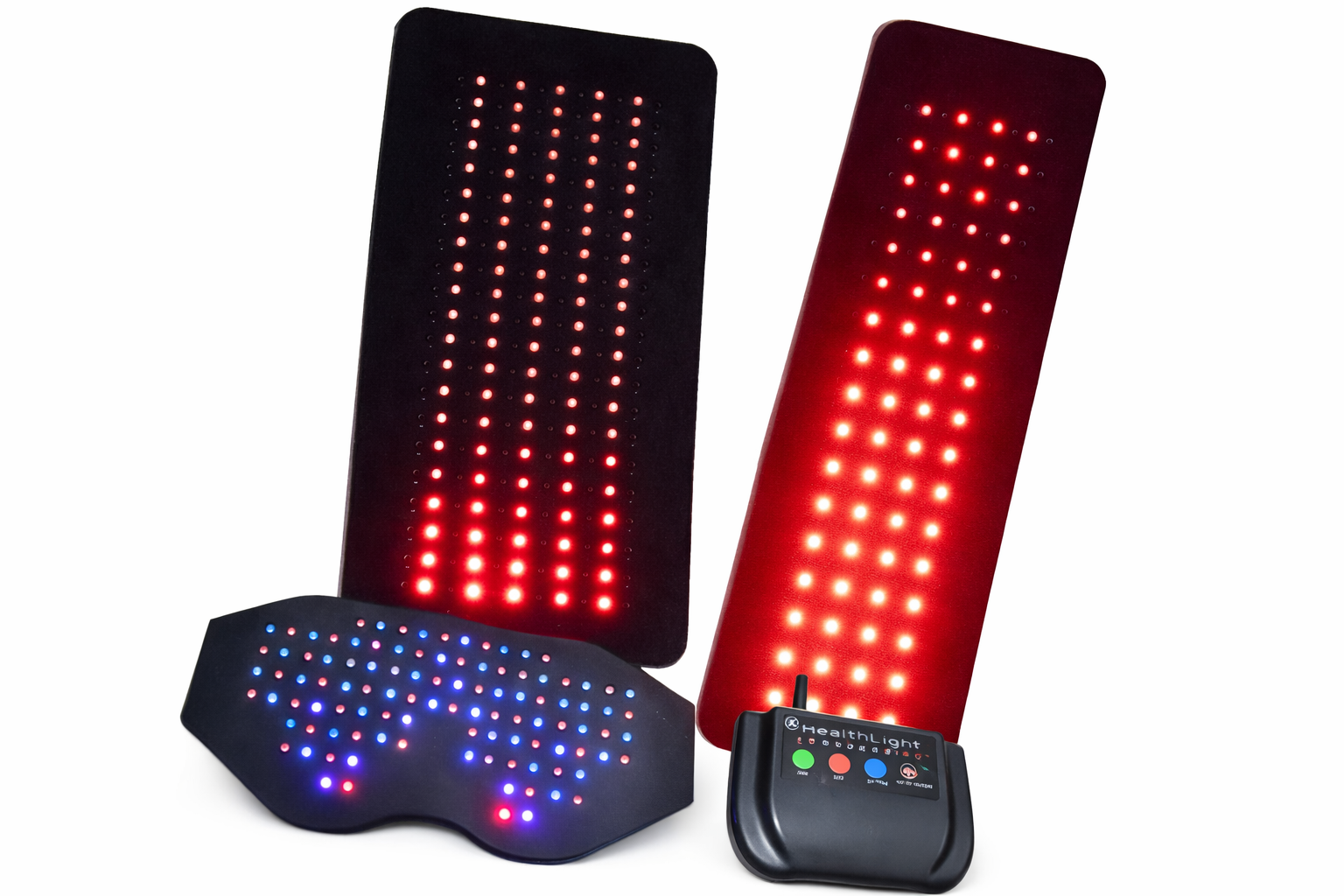
A full body red light therapy bed or wrap system provides 360-degree coverage — treating front and back simultaneously — while standard flat panels treat one side at a time, requiring the user to flip. Bed systems typically achieve higher total body irradiance in a single session. However, quality medical-grade panels (like the HealthLight Ultimate Body Kit) use flexible pad systems that can be positioned to achieve comparable full-body coverage with more targeted application.
Full body red light therapy beds deliver the same photobiomodulation science as targeted panels, but across your entire body in a single 10 to 20 minute session. Whether you're an athlete chasing faster recovery, a chiropractor building out a wellness offering, or someone dealing with chronic pain, understanding how these beds work — and how to choose one — is the difference between a real clinical-grade investment and an overpriced tanning lamp with red LEDs.
At Your Health Sanctuary, we've spent the last several years helping athletes, clinicians, and home users pick the right recovery tech. This guide breaks down what a full body red light therapy bed actually is in 2026, what wavelengths and irradiance levels matter, how home and professional systems differ, and which systems we recommend for different use cases.
What Is a Full Body Red Light Therapy Bed?
A full body red light therapy bed is an enclosed or canopy-style device that exposes your entire body — front, back, or both simultaneously — to specific wavelengths of red and near-infrared light. Unlike handheld or panel devices that treat one area at a time, a full body bed lets you treat everything at once: muscles, joints, skin, and lymphatic tissue.
The mechanism is called photobiomodulation (PBM). Red light in the 630 to 680 nanometer range and near-infrared light in the 810 to 880 nanometer range penetrate the skin and are absorbed by cytochrome c oxidase in your mitochondria. The downstream effects: increased ATP production, reduced oxidative stress, improved cellular signaling, and enhanced circulation. That's the whole-body cellular tune-up people talk about when they describe "feeling better" after a session.
The key distinction from tanning beds: red light therapy beds emit NO UV light. You are not getting a tan. You are not damaging your skin. The lamps are LED-based, low-heat, and produce only the narrow therapeutic wavelengths your cells can actually use.
Red vs Near-Infrared: Why Both Wavelengths Matter
Most serious full body red light therapy beds use a combination of red (630-680nm) and near-infrared (810-880nm) wavelengths. Here's why that matters:
Red light (630-680nm) penetrates roughly 8 to 10 millimeters into tissue. That's perfect for skin-level concerns: collagen production, fine lines, wound healing, superficial inflammation, and acne. If you want visible skin benefits, red light is where they happen.
Near-infrared (810-880nm) penetrates 30 to 50 millimeters — deep enough to reach muscle bellies, tendons, joint capsules, lymph nodes, and even bone. This is the wavelength band that drives most of the recovery and pain-relief benefits athletes care about.
A bed that only delivers red light gives you skin benefits. A bed that only delivers near-infrared gives you deep tissue benefits. A bed that delivers both — ideally in a 1:1 or 2:1 ratio — gives you the full photobiomodulation cascade. In 2026, dual-wavelength is table stakes. If a vendor is still selling red-only beds at professional-grade price points, that's a red flag.
Irradiance: The Number That Actually Predicts Results
Irradiance is how much light energy hits your skin per second, measured in milliwatts per square centimeter (mW/cm²). It is the single most important spec on a red light therapy bed, and it's also the spec vendors lie about most often.
Most peer-reviewed photobiomodulation studies use doses between 3 and 60 joules per square centimeter per session. Since joules = irradiance × time, a bed with higher irradiance hits therapeutic doses faster. Here's the rough translation:
Under 30 mW/cm²: You're in consumer territory. You'll need 20 to 40 minutes per session to reach a therapeutic dose. Fine for skin and general wellness, but slow.
30 to 100 mW/cm²: This is the sweet spot for most home and entry-professional beds. Sessions run 10 to 20 minutes to hit clinical dosing.
Over 100 mW/cm²: Professional-grade clinical territory. Sessions can be as short as 8 to 12 minutes. These beds are used in sports medicine clinics, recovery studios, and high-end wellness centers.
Critical caveat: measured irradiance drops dramatically with distance from the LEDs. A vendor quoting "200 mW/cm²" measured at 0 inches is meaningless if your body sits 6 inches away from the lamps in a canopy design. Always ask for irradiance measured at treatment distance — and if a vendor can't provide third-party verified numbers, walk away.
Home vs Professional Full Body Red Light Therapy Beds
The line between home and professional beds has blurred in 2026, but meaningful differences remain.
Home systems typically run $2,000 to $8,000. They're usually canopy-style (you lie underneath) or dual-panel vertical setups. LED counts range from 500 to 1,500. Irradiance at treatment distance is usually 30 to 80 mW/cm². Treatment area covers one side of the body at a time, so you flip halfway through. These are excellent for consistent daily use, which is actually how you get results — frequency and consistency matter more than peak intensity.
Professional systems run $15,000 to $60,000+. These are typically bed-enclosed (you lie inside like an old-school tanning bed, but with no UV) with LEDs above AND below, so you treat front and back simultaneously. LED counts exceed 2,000. Irradiance at treatment distance is 80 to 150+ mW/cm². Session times drop to 10 to 15 minutes. Built for commercial use: 20+ sessions per day without degradation, medical-grade cooling, and often FDA clearance for specific indications.
For home users, the honest answer is: a well-specced panel or canopy system at $3,000 to $6,000 will deliver 80 percent of the benefit of a $40,000 professional bed, at 1/10th the cost. The professional beds matter when you're running a clinic, when multiple people need daily sessions, or when you need FDA-cleared dosing for specific medical claims.
Full Body Red Light Therapy Benefits: What the Research Actually Supports
The scientific literature on photobiomodulation is substantial — over 8,000 peer-reviewed studies and growing. Here's what's actually well-supported in 2026:
Muscle recovery and soreness reduction. Multiple randomized controlled trials show that pre- and post-exercise red/NIR light reduces delayed onset muscle soreness (DOMS), decreases creatine kinase (a marker of muscle damage), and speeds strength return after intense training. This is the most robust body of evidence for athletes.
Joint pain and inflammation. Clinical trials in knee osteoarthritis, rheumatoid arthritis, and chronic low back pain show meaningful pain reduction and functional improvement with consistent red/NIR exposure. The effect sizes are modest but reliable across studies.
Skin health and collagen. Red light at 630-680nm has been shown in multiple trials to increase collagen density, reduce fine lines, and improve skin elasticity. This is where the cosmetic industry has latched on, and the research here is actually solid.
Wound healing. Well-established across dozens of studies: photobiomodulation accelerates wound closure, reduces infection rates, and improves tissue quality in healing.
Sleep and circadian support. Emerging but promising. Morning red light exposure appears to support healthier circadian rhythms, and several studies show improved sleep quality with consistent use.
Areas where the evidence is weaker: Weight loss, thyroid function, and "cellular detox" claims. Some vendors oversell these. The research is either preliminary, conflicted, or tied to specific protocols that don't generalize to home use. Healthy skepticism is warranted.
How to Use a Full Body Red Light Therapy Bed Correctly
Even the best bed won't deliver results if you use it wrong. Here's what the research actually supports for protocol:
Frequency: 3 to 5 sessions per week is the sweet spot. Daily use is fine for most people. More is not better — there's a well-documented biphasic dose-response curve in photobiomodulation, meaning too much light can actually blunt the benefits.
Duration: 10 to 20 minutes per session, depending on your bed's irradiance. Calculate the dose: if your bed delivers 50 mW/cm² at treatment distance, 10 minutes gives you 30 J/cm² — well within therapeutic range for most indications.
Distance: 6 to 12 inches from the LEDs for most panels. Closer is not always better because of the biphasic response. Follow manufacturer guidance for treatment distance.
Skin exposure: Bare skin always beats through-clothing. Clothes absorb red and NIR light. For the real effect, strip down to undergarments at minimum.
Eye protection: Most manufacturers include goggles. Use them. While red/NIR light isn't known to cause eye damage at therapeutic doses, the intensity can be uncomfortable, and professional-grade beds are bright enough that goggles make the experience tolerable.
Hydration: Drink water before and after. Photobiomodulation increases cellular metabolism, and adequate hydration helps clearance of metabolic byproducts.
What to Look For When Buying a Full Body Red Light Therapy Bed in 2026
If you're shopping, here's a cleaner checklist than you'll find on most vendor pages:
1. Dual wavelength (red + near-infrared). Non-negotiable. At minimum, 660nm red and 850nm NIR.
2. Third-party verified irradiance. Measured at treatment distance, not at the LED surface. Ask for the test report.
3. Coverage area. Either full-body enclosed (professional) or at least 70-80% coverage per side (home canopy/panel). Anything less and you'll spend forever repositioning.
4. LED quality and driver design. Look for brand-name LED chips (Samsung, Osram, Epistar). Cheap LEDs degrade fast — you'll lose 20-30% of irradiance within a year of heavy use.
5. EMF levels. This matters to a subset of buyers. Quality beds measure under 1 mG (milligauss) at treatment distance. Cheap beds can hit 100+ mG because of the driver electronics.
6. FDA clearance. Not strictly required for a therapy bed to work, but FDA clearance means the device has been reviewed for specific indications and the irradiance claims have been audited. Worth paying for if you're a clinician making medical claims, or a consumer who wants assurance the specs are real.
7. Warranty and support. 2-year minimum on home, 5-year on professional. LEDs and drivers fail, and the warranty tells you how much the manufacturer actually stands behind the product.
Red Light Therapy Beds in a Complete Recovery Stack
Red light therapy alone is powerful, but in 2026 the smartest recovery athletes and clinics are stacking modalities. Red light pairs exceptionally well with:
Percussive therapy for mechanical muscle work before or after light exposure. A session with the Theragun Pro Plus G6 followed by 15 minutes under a red light bed hits both the mechanical and cellular sides of recovery. The Pro Plus is our top pick for serious athletes because of the 6th-gen brushless motor, 6 attachments, and the clinical-grade stall force that handles dense muscle without bogging down.
Compression therapy for lymphatic clearance and circulation. Pairing red light with a system like Normatec 3 Full Body creates a powerful recovery combo — red light drives cellular ATP up, Normatec drives lymphatic flow and venous return. Athletes who combine the two typically report better next-day performance than either modality alone.
Cold therapy when inflammation is acute. Red light tends to modulate inflammation, while cold acutely blunts it. For fresh injuries or post-surgery, cold comes first; red light comes second once acute swelling is past.
Face-specific red light for skin benefits. If skin is a primary concern, supplementing a full-body bed with a dedicated face device — like the FDA-cleared TheraFace Mask — means you get targeted, clinical-grade dosing to the face without needing to position a panel perfectly. The TheraFace Mask is FDA cleared for wrinkle reduction, and the dosing is dialed in specifically for facial skin.
Our Top Red Light Therapy Recommendations
We've tested dozens of red light systems at YHS. For most people, the honest recommendation is to start with a dedicated body system rather than jumping straight to a $30,000 bed:
Best full-body home option: The HealthLight Ultimate Body Kit is our top pick for serious home users. Dual-wavelength (red + NIR), medical-grade irradiance, flexible pad design that wraps the body, and FDA cleared. It's the closest thing to clinical-grade dosing without the professional bed price tag. You'll pay meaningfully less than a full bed while getting irradiance that's competitive with beds costing 3x as much.
Best targeted face solution: The TheraFace Mask FDA Cleared for facial skin benefits. It's dialed in for collagen, fine lines, and skin tone, and the form factor means you can use it hands-free while doing other recovery work.
Both of these options deliver research-validated dosing at price points that make daily use sustainable — which, as we said earlier, is what actually drives results.
Full Body Red Light Therapy Bed FAQs
How long does it take to see results? Skin changes typically show in 4 to 8 weeks with consistent use. Recovery and pain benefits can show up within 1 to 2 weeks. Deeper musculoskeletal and joint changes take 8 to 12 weeks.
Can I do red light therapy every day? Yes. The biphasic dose response means you shouldn't do multiple long sessions per day, but a single 10-20 minute session daily is fine and often optimal.
Is red light therapy safe during pregnancy? The research is limited. Most clinicians err conservative and avoid direct abdominal exposure during pregnancy. Talk to your OB before starting.
Will it interfere with medications? Photosensitizing medications (some antibiotics, retinoids, certain chemotherapies) can interact. If you're on any of these, check with your doctor first.
Are tanning salons' "red light" beds the same thing? Usually no. Most tanning-salon red light beds use lower irradiance, often don't include near-infrared, and aren't dosed for therapeutic effect. They're fine for casual wellness but not clinical-grade results.
Can I combine red light with other recovery tools in the same session? Absolutely. In fact, that's often optimal. Red light before a Theragun session warms tissue. Red light during Normatec compression doubles your recovery time efficiency.
Ready to Add Red Light Therapy to Your Recovery Stack?
Full body red light therapy beds represent one of the most-researched, best-supported recovery modalities in sports medicine in 2026. Whether you're managing chronic pain, chasing athletic recovery, or building a professional wellness offering, the science is clear: dual-wavelength photobiomodulation delivered consistently at therapeutic doses produces real, measurable benefits.
Not sure which system fits your goals, budget, and training load? Our team at Your Health Sanctuary has helped pro athletes, chiropractors, and home users dial in the right setup for years. We'll walk you through the specs that matter, match you with a system that fits, and make sure you're not overpaying for marketing fluff.
Call us at (612) 360-2490 or browse our full red light therapy collection. If you want the closest thing to clinical-grade at home, start with the HealthLight Ultimate Body Kit. If facial skin is your priority, the TheraFace Mask is the cleanest FDA-cleared option on the market.
Whatever you choose, consistency beats perfection. A good system used 5x a week will beat a great system used twice a month, every time.
Ready to Upgrade Your Recovery?
The equipment referenced in this guide, in stock and ready to ship. Many products qualify for HSA/FSA — call us to confirm eligibility for your situation.
Questions? Talk to our recovery specialists: (612) 360-2490