
Red Light Therapy Pads for Pain: Complete Guide to Flexible LED Therapy Schedule
👤 Who Is This Guide For?
🧘
Wellness Enthusiasts
Anti-aging, skin health, weight management, general wellness
💪
Chronic Pain Sufferers
Arthritis, fibromyalgia, neuropathy, back pain management
🏃
Athletes & Active People
Training recovery, performance optimization, competition prep
How flexible red light therapy pads deliver targeted pain relief directly to joints and muscles — and how to choose the right one for your needs.
Red light therapy panels are powerful — but sometimes you need therapy to go exactly where the pain is. Red light therapy pads are flexible, wrap-around devices that deliver therapeutic wavelengths in direct contact with your skin, right at the source of pain. They're one of the most practical and effective pain relief tools available for home use — here's everything you need to know.

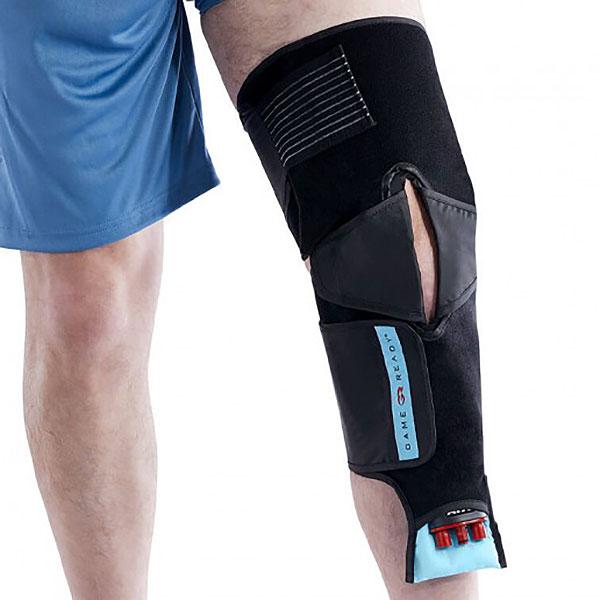
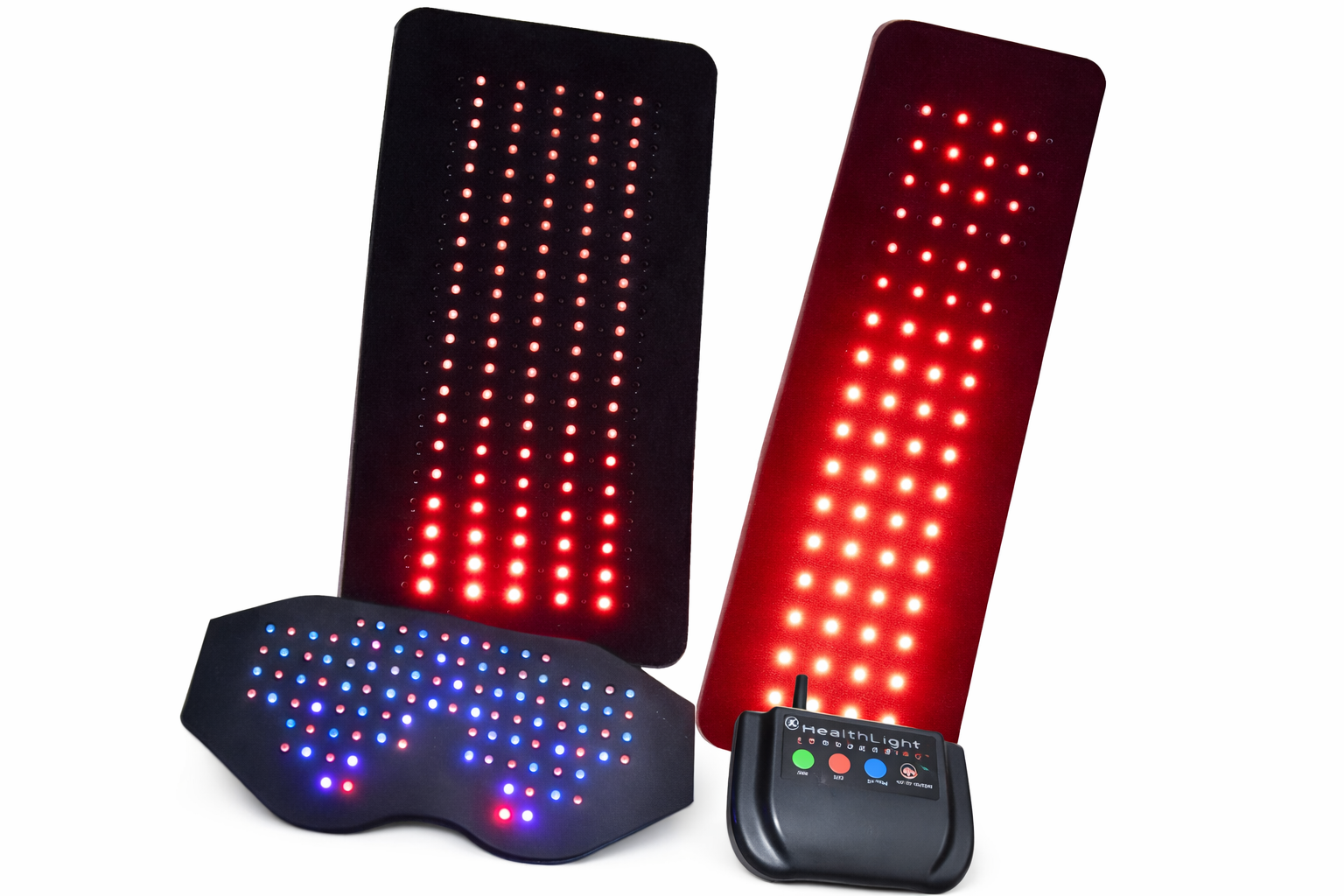
Flexible red light therapy pads conform to any body part — delivering therapeutic wavelengths directly at the source of pain.
What Are Red Light Therapy Pads?
Red light therapy pads (also called LED therapy pads or photobiomodulation pads) are soft, flexible panels embedded with red and near-infrared LEDs. Unlike rigid panels you stand in front of, pads conform to your body — wrapping around your knee, draping across your back, or sitting on your shoulder — delivering light therapy in direct contact with the skin.
This contact delivery method is a significant advantage for pain relief. Getting the light source as close to the tissue as possible maximizes the dose delivered per unit time — meaning shorter sessions and more targeted results compared to standing in front of a panel at arm's length.
💡 Why contact matters: Light intensity follows the inverse square law — double the distance and you get one quarter the power. A pad touching your skin delivers dramatically more therapeutic light energy than a panel 12 inches away. For pain relief, this proximity advantage translates directly into better results.
Types of Pain Red Light Therapy Pads Treat Best
Knee Pain
Arthritis, post-surgical inflammation, patella pain — wrap pads deliver full-contact coverage to the entire knee joint.
Back Pain
Lower and upper back muscle tension, disc inflammation, and spinal joint pain respond well to large flexible pads.
Shoulder Pain
Rotator cuff injuries, frozen shoulder, and post-surgical recovery benefit from wrap-around shoulder pads.
Foot & Ankle
Plantar fasciitis, Achilles tendinitis, and ankle sprains — flexible pads wrap the entire foot and ankle easily.
Hand & Wrist
Arthritis, carpal tunnel, and wrist injuries benefit from small flexible pads that conform to hand anatomy.
Neck Pain
Cervical tension, nerve pain, and post-injury stiffness — neck wrap pads provide hands-free treatment.

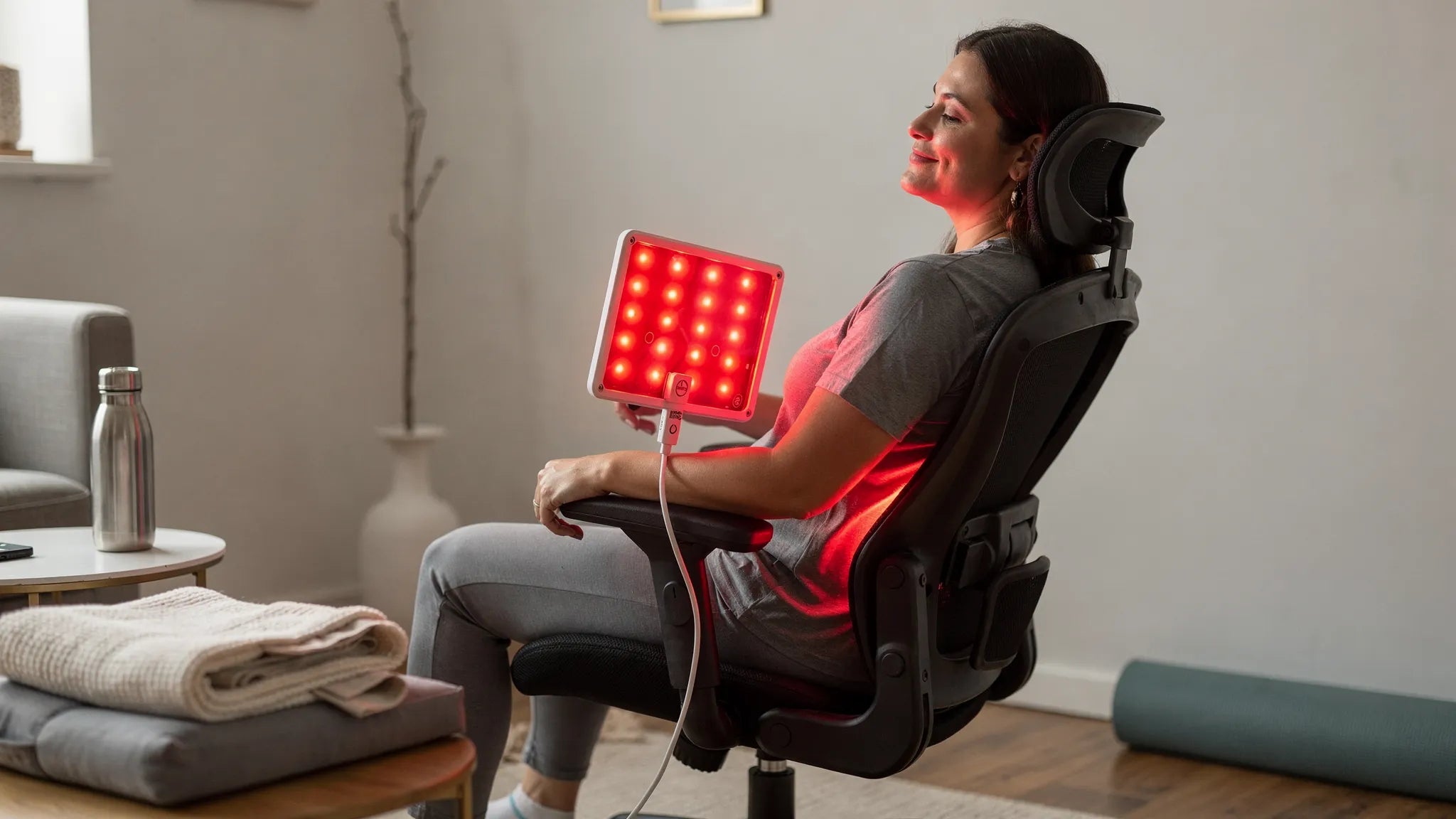
Photobiomodulation pads are designed for hands-free treatment — wear them while resting, reading, or watching TV.
Red Light Therapy Pads vs. Panels: Which Is Better for Pain?
📋 Rigid Panels
- Large treatment area coverage
- Good for full-body or large areas
- Must sit/stand at fixed distance
- Less effective for targeted joint pain
- Better for skin and systemic benefits
- Requires dedicated session time
🏆 Flexible Pads
- Direct skin contact = maximum dose
- Targets specific pain locations precisely
- Hands-free — wear during daily activities
- Superior for joint and muscle pain
- Portable and travel-friendly
- Can be used while sleeping or resting
For pain relief specifically, pads have a clear advantage over panels. The direct contact delivery, targeted application, and hands-free convenience make them the practical choice for managing chronic pain conditions in daily life.
Key Specs to Look for in a Therapy Pad
| Spec | What to Look For | Why It Matters |
|---|---|---|
| Wavelengths | 660nm red + 850nm near-infrared | NIR penetrates deep enough to reach joints and muscles |
| LED Density | High density, evenly spaced | More LEDs = more even light distribution, no hot spots or gaps |
| Flexibility | Fully flexible, not semi-rigid | Needs to conform to body contours for full-contact delivery |
| Coverage Area | Matches your target body part | A pad too small for your back won't cover the full treatment area |
| Timer | Built-in auto-shutoff | Prevents overdosing and makes hands-free use safe |
| Certifications | FDA cleared preferred | Confirms safety testing for direct skin contact use |
How to Use Red Light Therapy Pads for Pain Relief
Positioning
Place the pad directly on the skin over the painful area. Clothing blocks light penetration — always apply directly to bare skin for maximum effectiveness. Secure with the included straps or simply hold in place while resting.
Session protocol
- Duration: 15–20 minutes per session for most conditions
- Frequency: Once or twice daily for best results
- Timing: Before activity to warm tissue and reduce stiffness; after activity to reduce inflammation
- Consistency: Daily use for 4–8 weeks produces the most significant pain relief results
Safety notes
- Do not use over open wounds, active infections, or known malignancies
- Avoid use over the eyes — always keep eyes closed or covered
- If you are pregnant or have a photosensitive condition, consult your physician first
- The pad should feel warm but never hot — reduce session time if you experience discomfort

FDA-cleared LED therapy pads are safe for daily home use — delivering clinical-grade pain relief without medication.
Sources & Clinical References
- 1. Hamblin MR. "Mechanisms and applications of the anti-inflammatory effects of photobiomodulation." AIMS Biophysics. 2017;4(3):337-361.
- 2. Avci P, et al. "Low-level laser (light) therapy (LLLT) in skin: stimulating, healing, restoring." Seminars in Cutaneous Medicine and Surgery. 2013;32(1):41-52.
- 3. Ferraresi C, Huang YY, Hamblin MR. "Photobiomodulation in human muscle tissue: an advantage in sports performance?" Journal of Biophotonics. 2016;9(11-12):1273-1299.
All product recommendations are informed by published clinical research. Your Health Sanctuary is committed to evidence-based recovery guidance.
⚙️ undefined
undefined
undefined
undefined
undefined
undefined
undefined
undefined
undefined
undefined
undefined
undefined
undefined
undefined
💡 Pro Tip: undefined
📋 Free Red Light Therapy Wavelength Guide
Which wavelengths work best for your goals? Get our evidence-based guide to red and near-infrared therapy — covering dosage, distance, session timing, and device selection.
📞 Call for Expert Red Light Therapy Guidance: (612) 360-2490Continue Your Research
- Red Light Therapy for Weight Loss: Does It Really Work? →
- Best Red Light Therapy Panels: What to Look For →
- Red Light Therapy for Back Pain: Does It Work? →
- FDA Cleared Red Light Therapy Devices: What It Means →
- Infrared Light Therapy for Joint Pain: How It Works →
- Red Light Therapy for Inflammation: What the Science Says →
Frequently Asked Questions
How quickly do red light therapy pads relieve pain?
Many users experience noticeable relief within the first few sessions — particularly for acute muscle pain and inflammation. Chronic conditions like arthritis or nerve pain typically show meaningful improvement after 2–4 weeks of consistent daily use. The anti-inflammatory effects accumulate over time, so early results often continue to improve.
Can I use a red light therapy pad every day?
Yes, daily use is safe and recommended for pain management. Unlike medications, there are no systemic side effects from daily red light therapy. Most pain relief protocols call for once or twice daily sessions — consistency is the key driver of results.
Are red light therapy pads better than TENS units for pain?
They work differently and are often complementary. TENS units block pain signals through electrical stimulation — providing immediate but temporary relief. Red light therapy pads address the underlying inflammation and promote tissue healing — producing longer-lasting results that accumulate over time. Many pain patients use both.
Can red light therapy pads help with nerve pain?
Yes. Multiple studies show photobiomodulation reduces neuropathic pain by decreasing inflammation around nerve tissue and promoting nerve regeneration. It's particularly effective for peripheral neuropathy, sciatica, and post-surgical nerve pain. Results typically take longer — 4–8 weeks of consistent use.
What size pad do I need for back pain?
For the lower back, look for a pad at least 12" x 24" to cover the lumbar region fully. For the upper back, a similar size is needed. Some manufacturers offer full-back pads (24" x 36"+) that treat the entire back in one session — ideal for widespread back pain.
Shop Red Light Therapy Pads for Pain Relief
Your Health Sanctuary carries professional-grade red light therapy pads for every body part — FDA-cleared devices for home pain management.
Shop Therapy Pads Need help choosing? Call us: (612) 360-2490Written by Justin Webster
Founder, Your Health Sanctuary
Justin Webster is the founder of Your Health Sanctuary, a recovery equipment resource dedicated to helping athletes, post-surgical patients, and chronic pain sufferers find evidence-based recovery solutions. With hands-on experience testing professional-grade devices from brands like Therabody, Game Ready, Bioflex, and HealthLight, Justin combines product expertise with clinical research to provide actionable recovery guidance. All recommendations are based on published clinical evidence and real-world testing.