
Infrared Light Therapy for Joint Pain: How It Works & What the Research Shows
Infrared Light Therapy
for Joint Pain:
How It Works & What the Research Shows
One of the most extensively studied drug-free approaches to joint pain relief — here's the science behind why it works and how to use it effectively.
Millions of people manage chronic joint pain with medication, injections, or simply enduring it. Infrared light therapy offers something different: a non-invasive, drug-free approach with a genuine body of clinical evidence behind it. Not all light therapy is equal — wavelength, power density, and application method matter enormously. Here's what the research actually shows and how to apply it correctly.

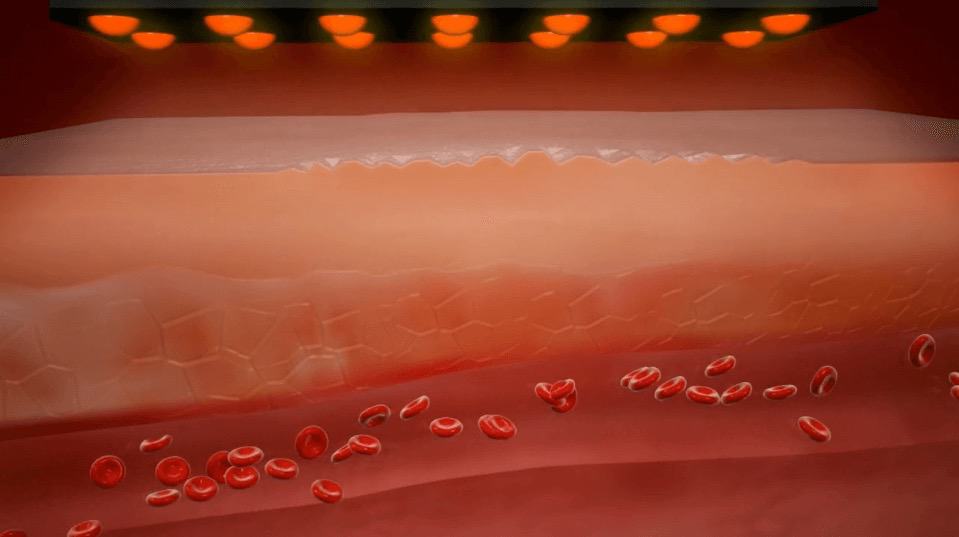
Near-infrared wavelengths penetrate deep into joint tissue — reaching cartilage, synovial membranes, and surrounding musculature where inflammation originates.
How Infrared Light Therapy Works on Joints
Infrared light therapy works through a process called photobiomodulation — specific wavelengths of light are absorbed by photoreceptors in cells, triggering biological responses that reduce inflammation, accelerate tissue repair, and modulate pain signaling. Unlike heat therapy, which works on surface tissue, near-infrared light penetrates several centimeters into the body — reaching the joint structures themselves.
Mitochondrial Activation
Near-infrared photons are absorbed by cytochrome c oxidase in mitochondria, increasing ATP (cellular energy) production. Inflamed joint tissue has suppressed energy production — restoring it accelerates healing.
Inflammatory Pathway Modulation
Infrared light downregulates pro-inflammatory cytokines (TNF-α, IL-1β, IL-6) — the same molecular targets as many pharmaceutical joint pain interventions, without systemic side effects.
Nitric Oxide Release
Light therapy triggers nitric oxide release from hemoglobin, improving microcirculation in joint tissue. Better blood flow means faster clearance of inflammatory byproducts and improved nutrient delivery.
Collagen Synthesis
Red and near-infrared light stimulates fibroblast activity and collagen production — supporting cartilage and connective tissue repair over time with consistent use.
Pain Signal Modulation
Infrared light reduces the sensitivity of nociceptors (pain receptors) in joint tissue, providing direct analgesic effects independent of inflammation reduction.
Oxidative Stress Reduction
Light therapy upregulates antioxidant enzyme production, reducing oxidative damage in joint tissue — a key factor in the progression of osteoarthritis and rheumatoid arthritis.
🔬 What the research shows: A 2009 Cochrane systematic review of low-level laser therapy (a form of infrared light therapy) for rheumatoid arthritis found clinically meaningful reductions in pain, morning stiffness, and functional disability compared to placebo — with no adverse effects reported. Multiple subsequent reviews have reinforced these findings across osteoarthritis of the knee, hip, and hand.
The Right Wavelengths for Joint Pain
For joint pain specifically, near-infrared wavelengths (810–850nm) are more important than red light because joints are deep structures. A device that only emits visible red light is unlikely to reach the tissue where joint inflammation originates. Look for devices that include both wavelengths or that specifically feature 850nm near-infrared LEDs.
Joint Conditions That Respond Well

Clinical research supports infrared light therapy for a wide range of joint conditions — from osteoarthritis to post-surgical recovery.
How to Use Infrared Light Therapy for Joint Pain
Choose the Right Device Format
For localized joints (knee, elbow, wrist), a targeted pad or wrap device works well. For the hip, spine, or shoulder, a larger panel that can cover the treatment area is more effective. The key is ensuring the NIR light source is close to the skin — within 6 inches for most devices.
Session Duration: 10–20 Minutes Per Joint
Research-supported protocols typically use 10–20 minutes per treatment area. More is not always better — excessive doses can actually produce a biphasic inhibitory effect. Follow the device manufacturer's recommended exposure times.
Frequency: Daily or Every Other Day
For chronic joint conditions, daily treatment produces the best cumulative results. For acute flares, twice daily is supported by some protocols. Consistency over weeks and months drives the most significant outcomes.
Direct Skin Contact
Clothing and bandages block light penetration. For best results, apply directly to clean, dry skin over the target joint. Remove any creams, oils, or lotions that could reflect light.
Allow 4–8 Weeks for Full Results
Some patients notice immediate relief after the first few sessions. Significant structural benefits — reduced inflammation, improved cartilage health, collagen remodeling — develop over 4–8 weeks of consistent use. Don't judge effectiveness after only a few sessions.
Sources & Clinical References
- 1. Hamblin MR. "Mechanisms and applications of the anti-inflammatory effects of photobiomodulation." AIMS Biophysics. 2017;4(3):337-361.
- 2. Avci P, et al. "Low-level laser (light) therapy (LLLT) in skin: stimulating, healing, restoring." Seminars in Cutaneous Medicine and Surgery. 2013;32(1):41-52.
- 3. Ferraresi C, Huang YY, Hamblin MR. "Photobiomodulation in human muscle tissue: an advantage in sports performance?" Journal of Biophotonics. 2016;9(11-12):1273-1299.
All product recommendations are informed by published clinical research. Your Health Sanctuary is committed to evidence-based recovery guidance.
Continue Your Research
Frequently Asked Questions
Is infrared light therapy safe for all types of joint pain?
Infrared light therapy has an excellent safety profile and is well-tolerated across most joint conditions. It is non-invasive and produces no known systemic side effects. Certain contraindications include active cancer in the treatment area, pregnancy, and photosensitizing medications. Always consult your physician before starting light therapy if you have a complex medical history or are managing a diagnosed condition like rheumatoid arthritis alongside other treatments.
How is infrared light therapy different from heat therapy?
Heat therapy (heating pads, hot packs) works by increasing surface skin temperature and promoting superficial blood flow. Infrared light therapy works at the cellular level — triggering specific biological responses including mitochondrial activation, inflammatory modulation, and collagen synthesis — independent of surface temperature change. Near-infrared light also penetrates far deeper than surface heat, reaching structures that heat therapy cannot effectively treat.
Can infrared light therapy help with osteoarthritis?
Yes — osteoarthritis is one of the most studied conditions in photobiomodulation research. Multiple systematic reviews and clinical trials have demonstrated significant pain reduction, improved functional outcomes, and reduced morning stiffness in osteoarthritis patients using near-infrared light therapy. While it cannot reverse structural cartilage loss, it can substantially reduce the inflammatory component of OA and improve quality of life.
How many sessions until I notice results for joint pain?
Many patients with acute joint pain notice improvement within 3–5 sessions. Chronic joint conditions like osteoarthritis typically show meaningful improvement after 2–4 weeks of consistent daily treatment. Maximum cumulative benefit from cellular repair processes like collagen remodeling develops over 6–12 weeks. The research suggests that sustained use produces compounding benefits — not just temporary relief.
Can I use infrared light therapy alongside my other joint pain treatments?
In most cases, yes. Infrared light therapy is frequently used alongside physical therapy, anti-inflammatory medications, and other conservative treatments — often with additive benefits. It is non-interactive with most treatments. Discuss combining it with your physician if you are on photosensitizing medications or undergoing other energy-based therapies.
Shop Infrared Light Therapy for Joint Pain
Your Health Sanctuary carries professional-grade red and near-infrared light therapy devices with the verified wavelengths and power densities that clinical research supports.
Shop Light Therapy Devices Questions? Call us: (612) 360-2490Written by Justin Webster
Founder, Your Health Sanctuary
Justin Webster is the founder of Your Health Sanctuary, a recovery equipment resource dedicated to helping athletes, post-surgical patients, and chronic pain sufferers find evidence-based recovery solutions. With hands-on experience testing professional-grade devices from brands like Therabody, Hyperice, Game Ready, and HealthLight, Justin combines product expertise with clinical research to provide actionable recovery guidance. All recommendations are based on published clinical evidence and real-world testing.