
FDA Cleared Red Light Therapy Devices: What It Means & Why It Matters
FDA Cleared Red Light
Therapy Devices:
What It Means & Why It Matters
FDA clearance isn't just a marketing badge — it's a meaningful safety distinction that separates legitimate therapeutic devices from unproven knockoffs.
Walk through any online marketplace and you'll find hundreds of red light therapy devices — many making dramatic health claims, few with any regulatory oversight. FDA clearance is one of the most important factors when choosing a red light therapy device, yet most buyers don't fully understand what it means or how to verify it. This guide explains everything.

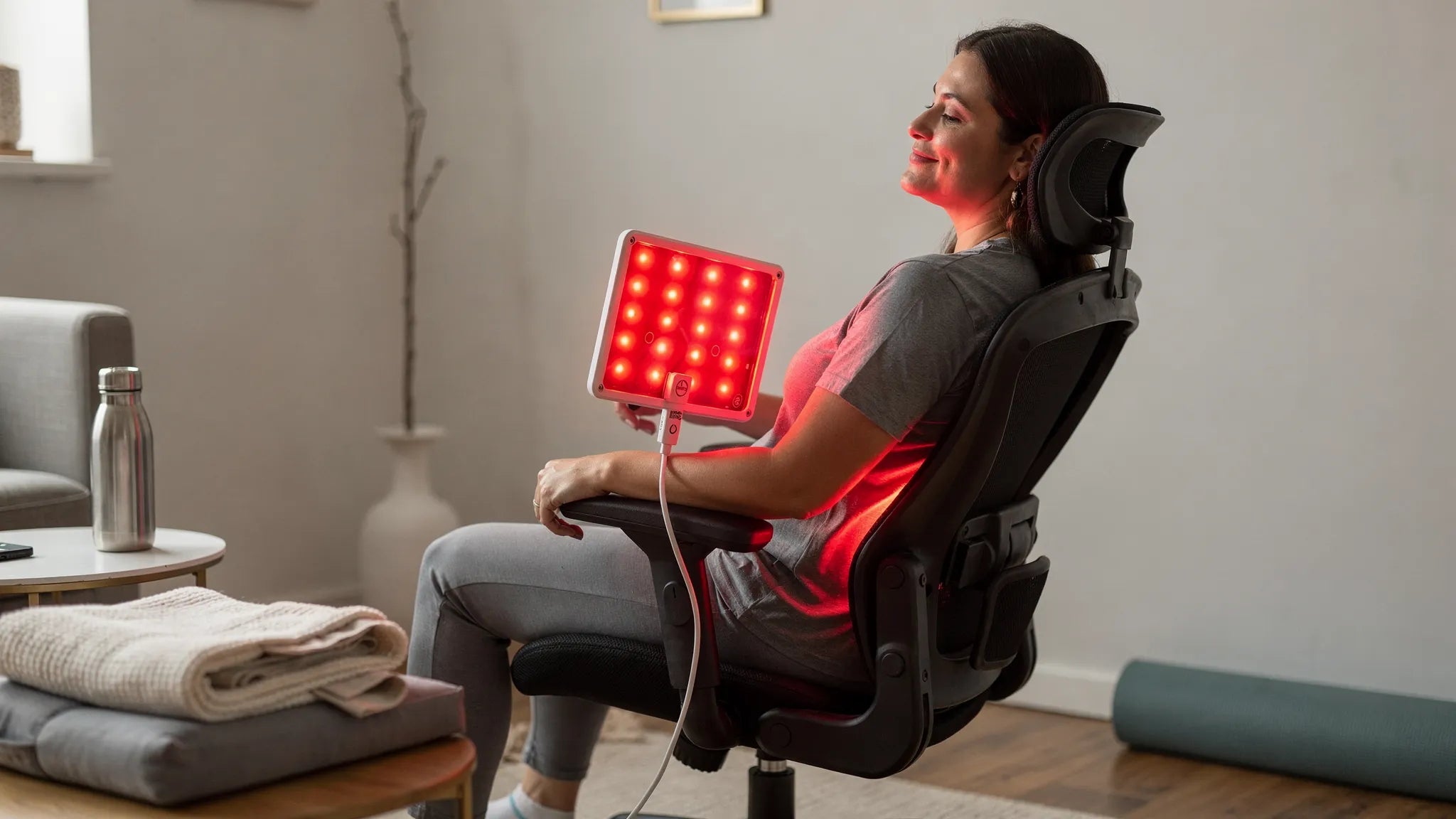
FDA cleared red light therapy devices have undergone rigorous safety and effectiveness review — a critical distinction in a market full of unproven products.
What Does FDA Cleared Actually Mean?
FDA clearance (technically called 510(k) clearance) means the device has been reviewed by the U.S. Food and Drug Administration and determined to be substantially equivalent in safety and effectiveness to a legally marketed predicate device. It is not the same as FDA approval — but it is a meaningful regulatory milestone that requires real documentation and testing.
For red light therapy devices, FDA clearance typically covers specific indications — such as temporary relief of minor muscle and joint pain, local increase of circulation, or relaxation of muscle spasm. Devices cleared for these indications have demonstrated they can safely deliver their intended therapy without causing harm.
⚕️ FDA Cleared vs. FDA Approved: FDA clearance (510k) means the device is substantially equivalent to an already-cleared device. FDA approval (PMA) is a higher standard requiring clinical trial evidence of safety and effectiveness. Both are legitimate regulatory pathways — clearance is the most common for therapeutic devices like red light therapy panels and pads.
Why FDA Clearance Matters for Red Light Therapy
Safety Testing
Cleared devices have been reviewed for electrical safety, thermal safety, and optical safety — reducing your risk of burns, shocks, or eye injury.
Verified Claims
FDA-cleared devices can only make claims their clearance supports. Uncleared devices can claim anything — with no accountability.
Proven Wavelengths
Clearance requires the device to actually emit the wavelengths it claims — something cheap knockoffs routinely fail to do.
Manufacturing Standards
Cleared devices must be manufactured under FDA quality system regulations — ensuring consistency across units.
Insurance & HSA Eligible
FDA-cleared medical devices are often eligible for HSA/FSA spending — uncleared devices typically are not.
Accountability
Manufacturers of cleared devices are registered with the FDA and subject to regulatory oversight — creating real accountability.

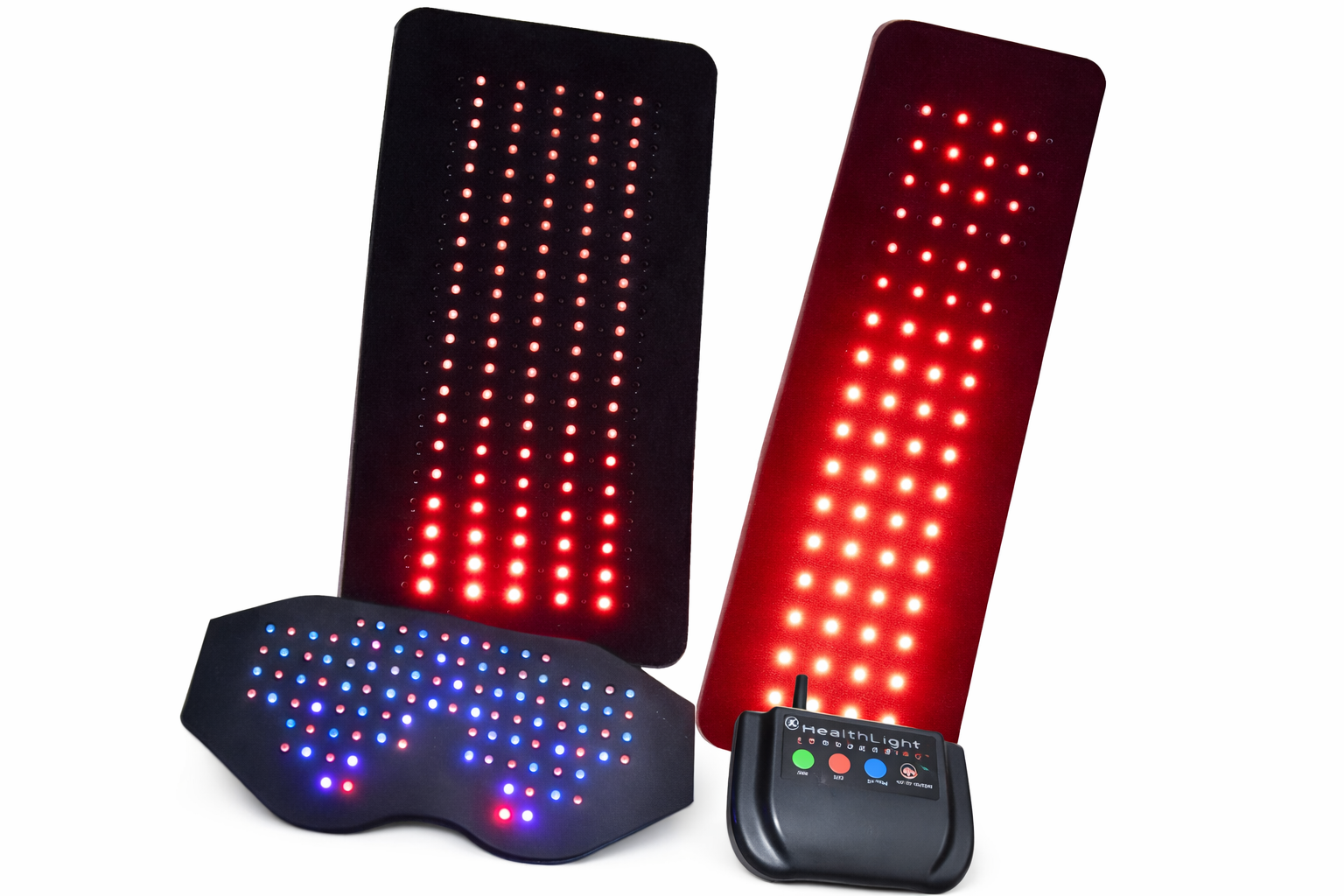
Medical-grade FDA-cleared devices are built to clinical specifications — not the consumer-grade components found in cheap online devices.
FDA Cleared vs. Non-Cleared Devices
⚠️ Non-Cleared Devices
- No FDA review or oversight
- Claims unverified by any authority
- Wavelengths may not match specs
- No manufacturing quality standards
- Not eligible for HSA/FSA
- No accountability for false claims
- Safety not independently verified
✅ FDA Cleared Devices
- Reviewed by FDA for safety
- Claims backed by regulatory review
- Wavelength output verified
- Manufactured under quality standards
- Often HSA/FSA eligible
- Manufacturer registered with FDA
- Safety independently confirmed
⚠️ Watch out for: Devices claiming to be "FDA registered" (simply means the manufacturer has a registration number — it does NOT mean the device was reviewed or cleared), "FDA compliant" (not a real regulatory status), or "FDA approved" for devices that are actually only cleared. When in doubt, search the FDA's 510(k) database at accessdata.fda.gov to verify a device's clearance status.
How to Verify FDA Clearance
Don't just take a manufacturer's word for it. Here's how to verify a device is genuinely FDA cleared:
- Look for the 510(k) number — cleared devices have a K-number (e.g., K123456) that should be listed in product documentation
- Search the FDA database — go to accessdata.fda.gov/scripts/cdrh/cfdocs/cfpmn/pmn.cfm and search the K-number
- Check the device labeling — FDA-cleared devices must use specific language in their labeling that reflects their cleared indications
- Verify the manufacturer — the company should be registered as a medical device establishment with the FDA
What to Look For When Buying
✅ FDA Cleared Device Checklist
Professional-grade FDA-cleared devices deliver consistent, verified therapeutic doses every session.
Sources & Clinical References
- 1. Hamblin MR. "Mechanisms and applications of the anti-inflammatory effects of photobiomodulation." AIMS Biophysics. 2017;4(3):337-361.
- 2. Avci P, et al. "Low-level laser (light) therapy (LLLT) in skin: stimulating, healing, restoring." Seminars in Cutaneous Medicine and Surgery. 2013;32(1):41-52.
- 3. Ferraresi C, Huang YY, Hamblin MR. "Photobiomodulation in human muscle tissue: an advantage in sports performance?" Journal of Biophotonics. 2016;9(11-12):1273-1299.
All product recommendations are informed by published clinical research. Your Health Sanctuary is committed to evidence-based recovery guidance.
Continue Your Research
Frequently Asked Questions
Is FDA clearance required to sell red light therapy devices?
Not always — devices sold purely for "general wellness" without specific therapeutic claims can be sold without FDA clearance. However, any device making specific health claims (pain relief, wound healing, etc.) is required to have FDA clearance. Many manufacturers exploit this loophole by making vague wellness claims to avoid the clearance process.
Are FDA cleared red light therapy devices covered by insurance?
Most health insurance plans do not cover home red light therapy devices. However, FDA-cleared devices are typically eligible for purchase with HSA (Health Savings Account) or FSA (Flexible Spending Account) funds — effectively giving you a tax advantage on the purchase. Always confirm eligibility with your plan administrator.
Do I need an FDA cleared device for home use?
While not legally required, choosing an FDA-cleared device for home use is strongly recommended. The clearance process ensures the device actually emits what it claims, is electrically safe for home use, and meets manufacturing quality standards. Given the wide range of device quality on the market, clearance is one of the most reliable quality indicators available to consumers.
What conditions are FDA cleared red light therapy devices approved to treat?
Common FDA-cleared indications for red light therapy devices include: temporary relief of minor muscle and joint pain, temporary relief of minor arthritis pain, relaxation of muscle spasm, temporary increase of local circulation, and minor wound healing support. Devices cleared for these indications have demonstrated safety and effectiveness for these specific uses.
How do I know if a specific device is truly FDA cleared?
Ask the manufacturer for their 510(k) number and verify it directly in the FDA's publicly searchable 510(k) database at accessdata.fda.gov. Any legitimate cleared device will have a verifiable K-number. If a company cannot or will not provide this number, their clearance claim should be treated with skepticism.
Shop FDA Cleared Red Light Therapy Devices
Your Health Sanctuary carries only verified, professional-grade red light therapy devices — so you can buy with confidence.
Shop FDA Cleared Devices Questions? Call us: (612) 360-2490Written by Justin Webster
Founder, Your Health Sanctuary
Justin Webster is the founder of Your Health Sanctuary, a recovery equipment resource dedicated to helping athletes, post-surgical patients, and chronic pain sufferers find evidence-based recovery solutions. With hands-on experience testing professional-grade devices from brands like Therabody, Hyperice, Game Ready, and HealthLight, Justin combines product expertise with clinical research to provide actionable recovery guidance. All recommendations are based on published clinical evidence and real-world testing.