
Red Light Therapy for Inflammation: What the Science Shows
👤 Who Is This Guide For?
🧘
Wellness Enthusiasts
Anti-aging, skin health, weight management, general wellness
💪
Chronic Pain Sufferers
Arthritis, fibromyalgia, neuropathy, back pain management
🏃
Athletes & Active People
Training recovery, performance optimization, competition prep
Red Light Therapy for Inflammation: What the Science Shows
One of the most studied non-drug approaches to inflammation — here's exactly how it works at the cellular level and what the research actually supports.
Chronic inflammation underlies most pain conditions — from arthritis and tendinitis to post-surgical swelling and muscle soreness. Red light therapy has emerged as one of the most thoroughly researched non-pharmacological tools for addressing inflammation at its source. Here's what the science actually shows, how it works, and how to use it effectively.
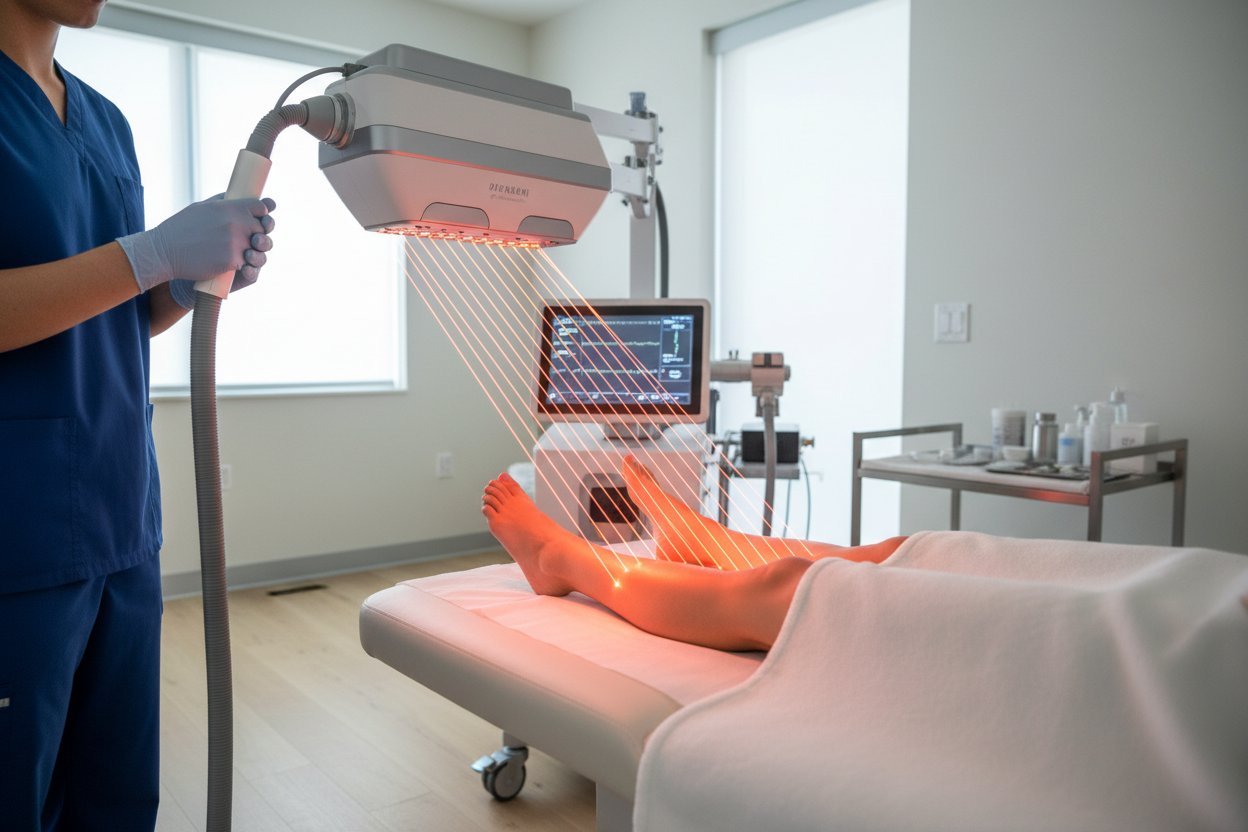
Red and near-infrared light penetrates tissue at the cellular level — triggering biological responses that directly reduce inflammatory activity.
How Red Light Therapy Reduces Inflammation
Red light therapy (photobiomodulation) reduces inflammation through multiple distinct biological pathways — not just one mechanism. This multi-pathway action is part of why the research results have been so consistent across different conditions and tissue types.
Cytokine Downregulation
Red and near-infrared light directly reduces pro-inflammatory cytokines including TNF-α, IL-1β, and IL-6 — the same molecular targets as many pharmaceutical anti-inflammatory drugs, without systemic side effects.
Mitochondrial Activation
Light photons are absorbed by cytochrome c oxidase, boosting ATP production. Inflamed tissue has disrupted cellular energy — restoring mitochondrial function is central to resolving inflammation.
Improved Microcirculation
Nitric oxide released by light therapy improves blood flow to inflamed tissue — accelerating clearance of inflammatory metabolites and delivering oxygen and nutrients needed for repair.
Oxidative Stress Reduction
Light therapy upregulates antioxidant enzyme systems, reducing reactive oxygen species (ROS) that drive tissue damage and perpetuate the inflammatory cycle.
Macrophage Polarization
Research shows photobiomodulation shifts macrophages from pro-inflammatory (M1) to anti-inflammatory (M2) phenotype — directly changing how the immune system responds to the affected tissue.
Tissue Repair Activation
By resolving the inflammatory phase faster, light therapy accelerates progression to the proliferative and remodeling phases of healing — shortening overall recovery timelines.
🔬 Research highlight: A systematic review published in the journal Photomedicine and Laser Surgery analyzed dozens of controlled studies on photobiomodulation and inflammation, finding consistent evidence of reduced inflammatory markers, decreased pain scores, and improved functional outcomes across musculoskeletal, joint, and wound healing applications — with an excellent safety profile.
Inflammatory Conditions That Respond Well

Clinical studies across a wide range of inflammatory conditions consistently show meaningful reductions in pain and swelling with red and near-infrared light therapy.
Acute vs. Chronic Inflammation: Different Protocols
Acute inflammation (recent injury, post-surgery, flare-up) and chronic inflammation (long-standing arthritis, recurring tendinitis) respond to slightly different treatment approaches.
Acute Inflammation Protocol
Acute Injury / Post-Surgical Inflammation
Chronic Inflammation Protocol
Chronic Conditions (Arthritis, Tendinitis, etc.)
Sources & Clinical References
- 1. Hamblin MR. "Mechanisms and applications of the anti-inflammatory effects of photobiomodulation." AIMS Biophysics. 2017;4(3):337-361.
- 2. Avci P, et al. "Low-level laser (light) therapy (LLLT) in skin: stimulating, healing, restoring." Seminars in Cutaneous Medicine and Surgery. 2013;32(1):41-52.
- 3. Ferraresi C, Huang YY, Hamblin MR. "Photobiomodulation in human muscle tissue: an advantage in sports performance?" Journal of Biophotonics. 2016;9(11-12):1273-1299.
All product recommendations are informed by published clinical research. Your Health Sanctuary is committed to evidence-based recovery guidance.
⚙️ undefined
undefined
undefined
undefined
undefined
undefined
undefined
undefined
undefined
undefined
undefined
undefined
undefined
undefined
💡 Pro Tip: undefined
📋 Free Red Light Therapy Wavelength Guide
Which wavelengths work best for your goals? Get our evidence-based guide to red and near-infrared therapy — covering dosage, distance, session timing, and device selection.
📞 Call for Expert Red Light Therapy Guidance: (612) 360-2490Continue Your Research
Frequently Asked Questions
How quickly does red light therapy reduce inflammation?
Many people notice reduced soreness and swelling within 24–48 hours of the first few sessions. The cellular mechanisms — cytokine reduction, mitochondrial activation, improved circulation — begin operating immediately during treatment. Acute injury inflammation often responds faster than long-standing chronic inflammation, which may take 2–4 weeks of consistent daily use to show significant improvement.
Is red light therapy anti-inflammatory or does it just mask pain?
Red light therapy addresses inflammation at the biological source — not just pain signaling. The documented reduction in pro-inflammatory cytokines, the shift in macrophage phenotype, and the improvement in tissue repair markers confirm that it is genuinely anti-inflammatory, not simply analgesic. This is one of the key distinctions between photobiomodulation and conventional pain relief approaches.
Can I use red light therapy alongside anti-inflammatory medications?
In most cases, yes — red light therapy and NSAIDs or other anti-inflammatory medications work through different mechanisms and can be used together. Some patients find they can reduce medication use over time as light therapy benefits accumulate. Always consult your physician before changing any medication protocol.
Does red light therapy work for systemic inflammation, or only local?
Current research primarily supports local anti-inflammatory effects at the treatment site. However, some research suggests that treatment of larger body surface areas — such as full-body panels — may produce broader systemic effects through circulating cytokine modulation and improved mitochondrial function throughout the body. Local treatment remains the best-evidenced approach for specific inflammation sites.
Can red light therapy be combined with other recovery methods?
Yes. Red light therapy pairs well with other recovery modalities like cold compression therapy, percussion massage, and stretching. Many athletes use red light therapy as part of a multi-modal recovery protocol. The non-invasive nature of photobiomodulation means it does not interfere with other treatments, and combining it with active recovery and proper nutrition can amplify overall results.
Shop Red Light Therapy Devices
Your Health Sanctuary carries professional-grade red and near-infrared light therapy devices with the verified wavelengths and power densities that research supports.
Questions? Call us: (612) 360-2490Written by Justin Webster
Founder, Your Health Sanctuary
Justin Webster is the founder of Your Health Sanctuary, a recovery equipment resource dedicated to helping athletes, post-surgical patients, and chronic pain sufferers find evidence-based recovery solutions. With hands-on experience testing professional-grade devices from brands like Therabody, Hyperice, Game Ready, and HealthLight, Justin combines product expertise with clinical research to provide actionable recovery guidance. All recommendations are based on published clinical evidence and real-world testing.