
Red Light Therapy for Back Pain: Does It Work & How to Use It
👤 Who Is This Guide For?
🧘
Wellness Enthusiasts
Anti-aging, skin health, weight management, general wellness
💪
Chronic Pain Sufferers
Arthritis, fibromyalgia, neuropathy, back pain management
🏃
Athletes & Active People
Training recovery, performance optimization, competition prep
Red Light Therapy
for Back Pain:
Does It Work & How to Use It
The science behind red light therapy and back pain — what studies show, who it helps most, and the exact protocol to follow.
Back pain is one of the most common reasons people miss work, skip the gym, and lose quality of life. Over 80% of adults will experience significant back pain at some point in their lives. Red light therapy has emerged as one of the most promising non-pharmaceutical tools for managing both acute and chronic back pain — here's what the research actually shows.

Back pain affects over 80% of adults and is the leading cause of disability worldwide — non-pharmaceutical options are increasingly in demand.
Why Back Pain Is So Hard to Treat
Back pain is complex because it rarely has a single cause. Most chronic back pain involves a combination of muscle tension, inflammation, nerve irritation, joint degeneration, and postural dysfunction — all feeding into each other in a cycle that's hard to break with a single treatment.
This is exactly why red light therapy is such a compelling option. Rather than masking pain signals like medications do, photobiomodulation works at the cellular level to address several of these root causes simultaneously.
💡 Key insight: Red light therapy doesn't just reduce pain signals — it addresses the underlying inflammation, promotes tissue repair, and improves circulation in the affected area. This is why many users experience lasting relief rather than temporary masking of symptoms.
Types of Back Pain Red Light Therapy Can Help
Muscle Tension
Red light reduces muscle spasm and promotes relaxation in chronically tight back muscles.
Disc Issues
Near-infrared light penetrates deep enough to reach intervertebral discs and reduce surrounding inflammation.
Nerve Pain
Photobiomodulation has shown promise in reducing neuropathic pain and nerve inflammation.
Arthritis
Reduces inflammatory cytokines in facet joints affected by osteoarthritis or inflammatory arthritis.
Strain & Injury
Accelerates tissue repair after acute muscle strains, ligament sprains, and overuse injuries.
Post-Surgery
Supports healing and reduces inflammation after spinal surgery or procedures.
What the Research Shows
The evidence for red light therapy and back pain is growing steadily:
- A systematic review in Photomedicine and Laser Surgery found that low-level laser therapy produced significant pain reduction in chronic low back pain patients compared to placebo.
- Studies on near-infrared light therapy show measurable reductions in pro-inflammatory cytokines (TNF-α, IL-1β) — the key drivers of chronic back pain inflammation.
- Research on muscle tissue shows red light increases local blood flow and oxygen delivery, directly addressing the ischemia that contributes to muscle pain.
- Multiple trials show improvements in range of motion and functional ability alongside pain reduction — not just symptom masking.

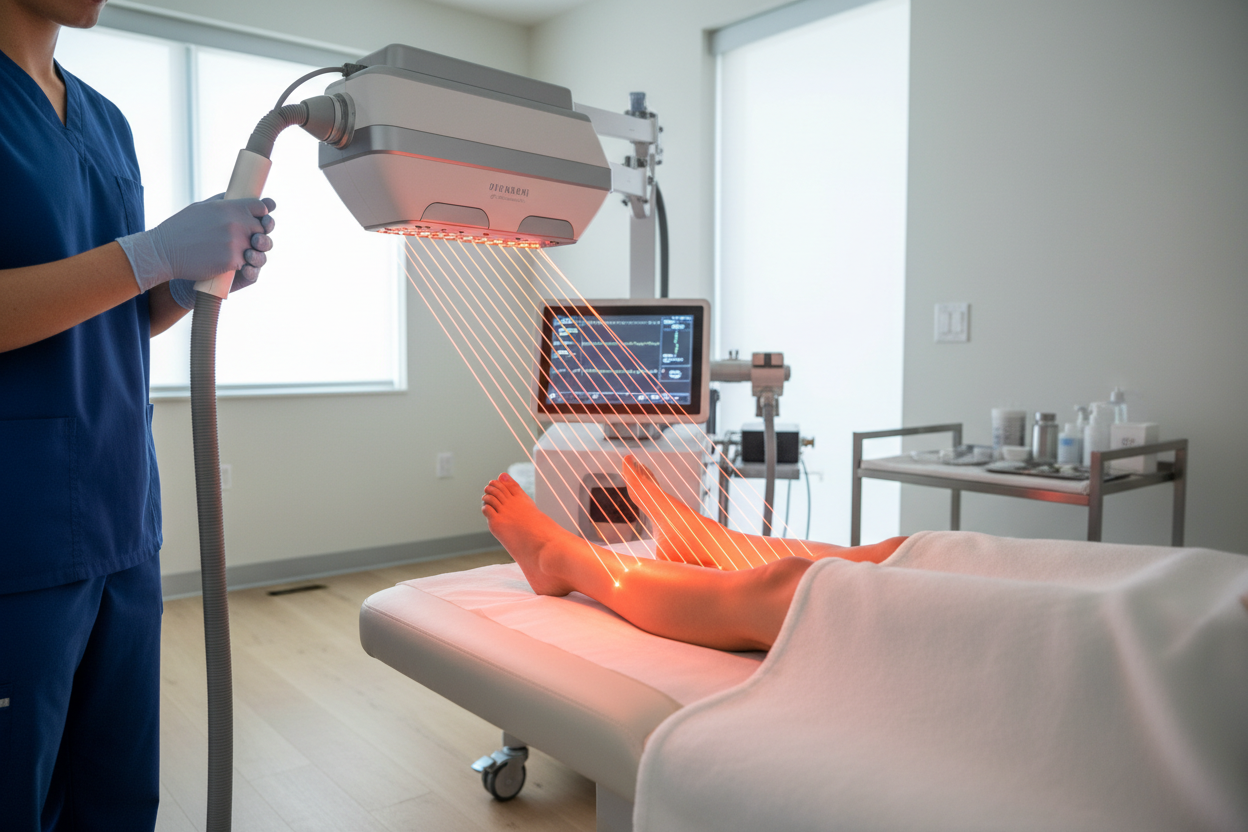
Near-infrared wavelengths penetrate deeply enough to reach spinal muscles, discs, and facet joints.
How to Use Red Light Therapy for Back Pain
📋 Recommended Protocol
Best device types for back pain
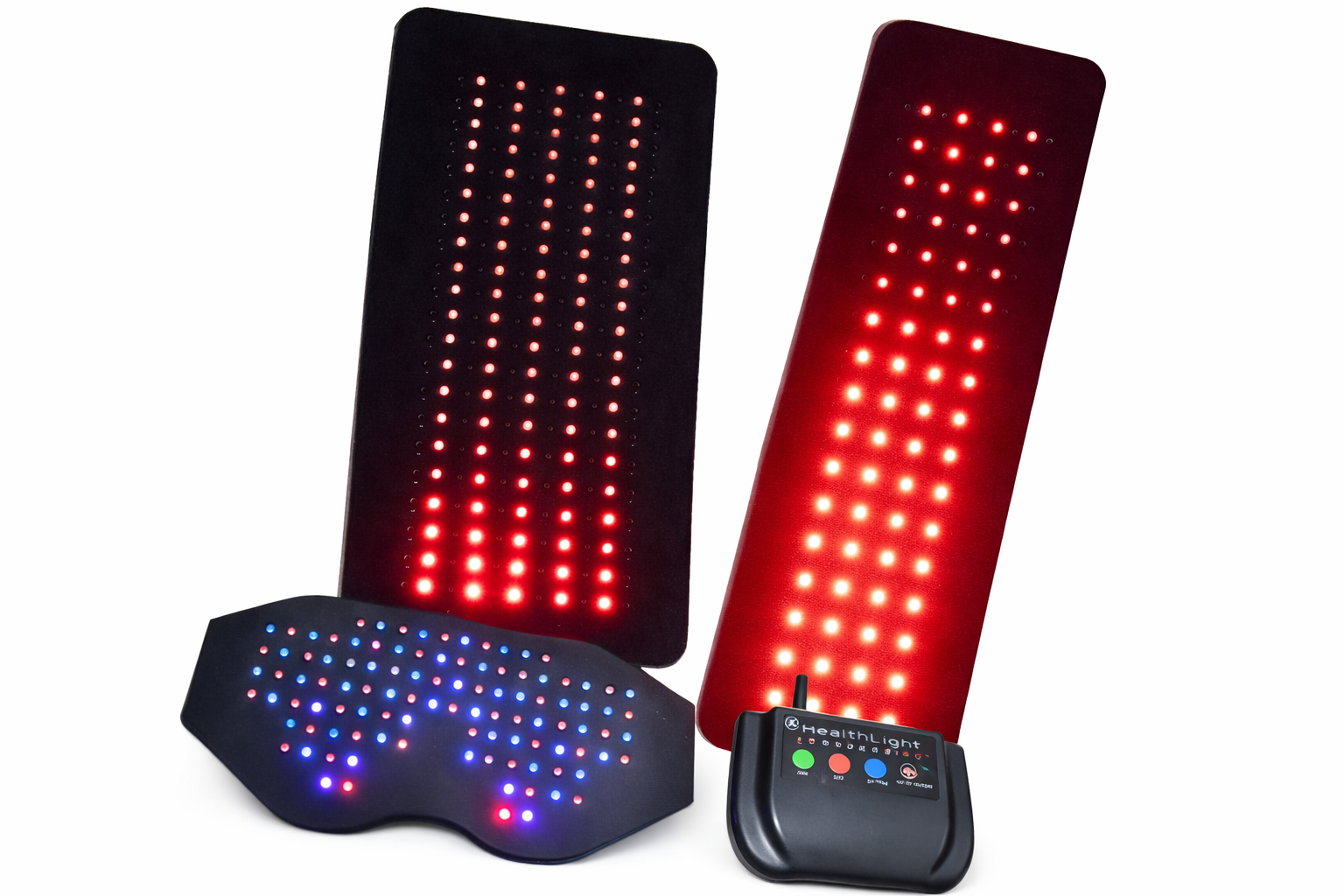
- Flexible LED pads — wrap directly around the lower or upper back, delivering light at close range. Ideal for targeted treatment while lying down or sitting.
- Large floor panels — stand or sit in front of for full back treatment. Less targeted but covers a wider area in one session.
- Handheld devices — good for spot treatment of specific painful areas but less practical for large back coverage.
Consistent red light therapy sessions — even just 15 minutes daily — can produce meaningful back pain relief within weeks.
Sources & Clinical References
- 1. Hamblin MR. "Mechanisms and applications of the anti-inflammatory effects of photobiomodulation." AIMS Biophysics. 2017;4(3):337-361.
- 2. Avci P, et al. "Low-level laser (light) therapy (LLLT) in skin: stimulating, healing, restoring." Seminars in Cutaneous Medicine and Surgery. 2013;32(1):41-52.
- 3. Ferraresi C, Huang YY, Hamblin MR. "Photobiomodulation in human muscle tissue: an advantage in sports performance?" Journal of Biophotonics. 2016;9(11-12):1273-1299.
All product recommendations are informed by published clinical research. Your Health Sanctuary is committed to evidence-based recovery guidance.
⚙️ undefined
undefined
undefined
undefined
undefined
undefined
undefined
undefined
undefined
undefined
undefined
undefined
undefined
undefined
💡 Pro Tip: undefined
📋 Free Red Light Therapy Wavelength Guide
Which wavelengths work best for your goals? Get our evidence-based guide to red and near-infrared therapy — covering dosage, distance, session timing, and device selection.
📞 Call for Expert Red Light Therapy Guidance: (612) 360-2490Continue Your Research
Frequently Asked Questions
How quickly does red light therapy work for back pain?
Some users experience relief within the first few sessions, particularly for acute muscle tension and inflammation. Chronic back pain typically shows meaningful improvement after 2–4 weeks of consistent daily use. Structural issues like disc degeneration take longer — 6–12 weeks — but many users report sustained improvement with ongoing therapy.
Is red light therapy safe for herniated discs?
Red light therapy is generally considered safe for herniated disc pain and the surrounding inflammation. It does not structurally repair the disc, but it can significantly reduce the inflammation and nerve irritation that cause pain. Always consult your physician before starting if you have a diagnosed disc condition.
Can red light therapy replace physical therapy for back pain?
No — red light therapy works best as a complement to, not replacement for, physical therapy and targeted exercise. The combination of red light (reducing inflammation and promoting tissue repair) with corrective exercise (addressing the mechanical causes of pain) produces the best long-term outcomes.
Which is better for back pain — red light or near-infrared?
Near-infrared (800–850nm) is more effective for back pain because it penetrates deeper — reaching spinal muscles, discs, and joints that red light (630–660nm) cannot reach effectively. The best devices combine both wavelengths, giving you surface tissue benefits from red light and deep tissue benefits from near-infrared.
Can I use red light therapy during a back pain flare-up?
Yes, and many users find it particularly effective during acute flare-ups. Start with shorter sessions (10 minutes) at slightly greater distance from the skin, and increase as comfort allows. Red light's anti-inflammatory effect can help calm an acute episode faster than passive rest alone.
Ready to Find Relief from Back Pain?
Your Health Sanctuary carries professional-grade red light therapy devices proven for pain relief — pads, panels, and full-body systems.
Shop Red Light Therapy for Pain Need help choosing? Call us: (612) 360-2490Written by Justin Webster
Founder, Your Health Sanctuary
Justin Webster is the founder of Your Health Sanctuary, a recovery equipment resource dedicated to helping athletes, post-surgical patients, and chronic pain sufferers find evidence-based recovery solutions. With hands-on experience testing professional-grade devices from brands like Therabody, Hyperice, Game Ready, and HealthLight, Justin combines product expertise with clinical research to provide actionable recovery guidance. All recommendations are based on published clinical evidence and real-world testing.