
Red LED Therapy for Skin: Benefits and Smart Use
Red LED therapy for skin has become one of the most practical at-home options for people who want a noninvasive way to support smoother texture, healthier-looking tone, and skin recovery. It is not a facelift, not a tanning lamp, and not a shortcut around daily sunscreen. Used correctly, however, red LED light can be a smart addition to a skin care routine, especially when the device is well made and the protocol is consistent.
The key phrase is used correctly. Most disappointing results come from weak devices, inconsistent use, sessions that are too short or too aggressive, or expecting medical-procedure-level changes from a gentle wellness modality. This guide breaks down what red LED therapy can realistically do for skin, how to use it safely, and how to choose a device that is worth your time.
What Red LED Therapy for Skin Actually Is
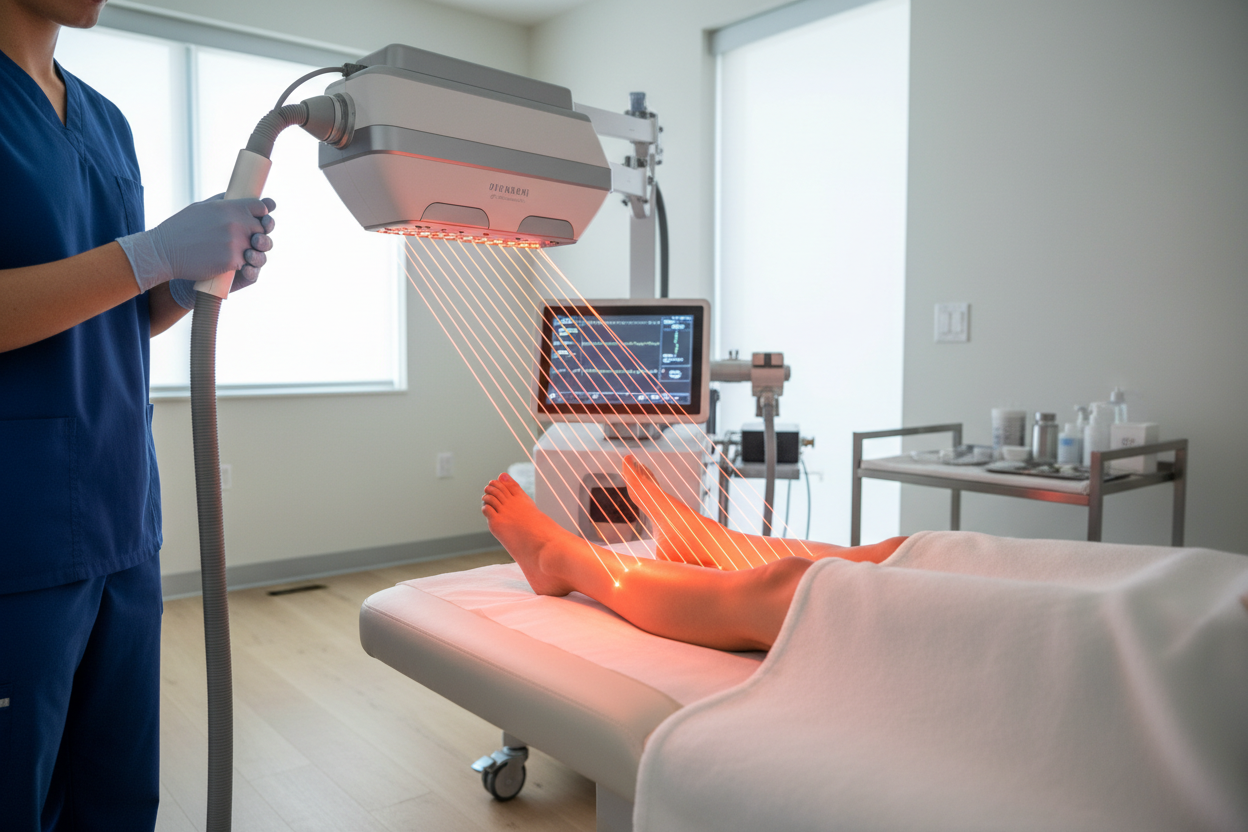
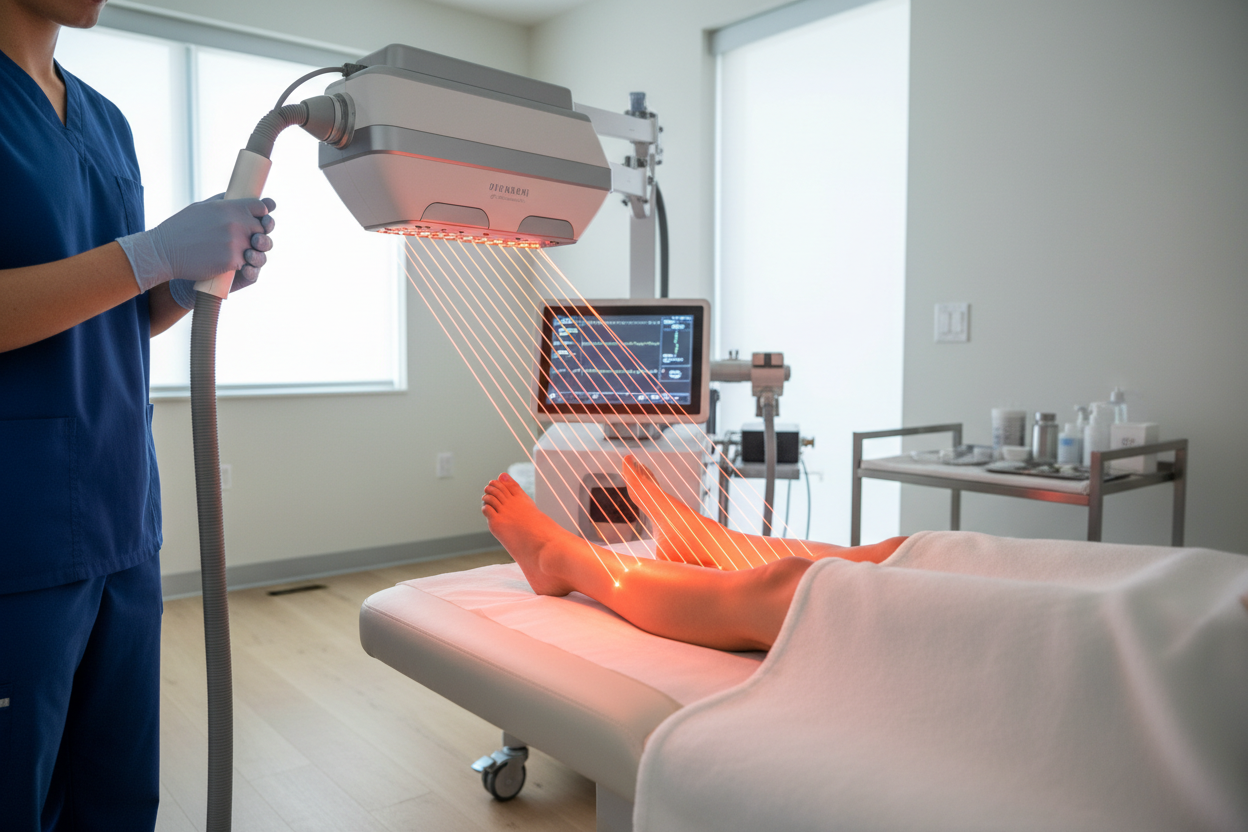
Red LED therapy uses light-emitting diodes to deliver specific wavelengths of visible red light, most commonly around 630 to 660 nanometers. Many skin-focused devices also include near-infrared light, often around 810 to 850 nanometers, which is invisible to the eye and penetrates deeper than visible red light.
This process is often described as photobiomodulation. In simple terms, certain wavelengths of light interact with cells and may influence mitochondrial activity, inflammation signaling, circulation, and tissue repair pathways. A detailed review on photobiomodulation mechanisms notes that light in the red and near-infrared range can affect cellular energy and inflammatory responses when delivered at appropriate doses.
For skin, LED therapy is different from ablative lasers, chemical peels, microneedling, or intense pulsed light. It does not intentionally wound the skin to force remodeling. Instead, it offers a lower-intensity, cumulative approach. That is why results are usually gradual and depend heavily on consistency.

The Main Skin Benefits of Red LED Therapy
The strongest reason people use red LED therapy for skin is that it may support healthier skin function over time. The benefits are usually subtle at first, then more visible after several weeks of regular use.
Smoother texture and fine-line support
Red light is widely used for skin rejuvenation because it may support collagen and elastin-related processes. Collagen is the structural protein that helps skin look firm and resilient, but natural collagen production declines with age, UV exposure, stress, and inflammation.
Multiple randomized controlled trials of red and near-infrared LED photobiomodulation for facial skin have reported improvements in collagen density, wrinkle depth, and overall skin quality versus sham treatment.
One controlled clinical trial published in Photomedicine and Laser Surgery found that red and near-infrared light treatment improved skin complexion, skin feeling, and collagen density measurements in participants over the study period. For most home users, the most realistic outcomes are softer-looking fine lines, improved texture, and a healthier overall appearance.
Calmer-looking redness and irritation
Red LED light may help skin appear calmer because photobiomodulation is linked with inflammation modulation. That said, red LED therapy should not be treated as a cure for rosacea, eczema, psoriasis, or chronic inflammatory skin disease. If you have a diagnosed skin condition, your dermatologist should guide treatment.
Better-looking tone and radiance
Many users describe their skin as looking more even or refreshed after several weeks. If uneven tone is your main concern, combine red LED therapy with proven basics: daily broad-spectrum sunscreen, a gentle cleanser, moisturizer, and dermatologist-approved actives such as vitamin C, niacinamide, retinoids, or azelaic acid when appropriate.
How to Use Red LED Therapy Smartly at Home
A smart routine is simple, repeatable, and gentle. More is not always better. Photobiomodulation is often described as having a biphasic dose response, meaning too little may do nothing, while too much may reduce the benefit or irritate the skin. Start by following the manufacturer's instructions for your exact device.
For most healthy adults using a reputable at-home skin device, a conservative routine is best in the beginning. Use the device on clean, dry skin, remove makeup and sunscreen first, and avoid applying thick creams before treatment because they may block or scatter light.
For a broader setup checklist, see our guide to red light therapy at home.
How to Choose a Red LED Skin Device
The device matters. A low-output gadget with vague specifications may feel relaxing but may not deliver a meaningful dose. Look for transparent wavelengths around 630 to 660 nm, irradiance measured at a stated distance, eye safety guidance, FDA status (cleared vs registered), and support and warranty terms. For more on regulatory language, read our guide to FDA cleared red light therapy devices.
Safety: Who Should Be Cautious?
Red LED therapy is generally considered low risk for many healthy users when used as directed. Speak with a qualified clinician before using red LED therapy if you have a history of skin cancer, suspicious or changing lesions, active infection, severe photosensitivity, uncontrolled seizures triggered by light, significant eye disease, or if you take photosensitizing medications. Avoid using red LED therapy over open wounds, fresh burns, or recently treated cosmetic-procedure areas unless your provider approves it.
What Results Should You Expect?
Most people should think in weeks, not days. Some notice a short-term glow or calmer-looking skin within the first few sessions, but fine-line, texture, and firmness improvements typically require 8 to 12 weeks of consistent use. Take photos before you start. Use the same room, lighting, angle, facial expression, and time of day every two weeks.
Frequently Asked Questions
Is red LED therapy good for skin? Red LED therapy may support smoother texture, fine-line improvement, calmer-looking redness, and overall skin radiance when used consistently with a quality device.
How often should I use red LED therapy for skin? Many at-home routines start with 3 to 5 sessions per week, usually 10 to 20 minutes per session.
Can I use red LED therapy every day? Some devices are designed for daily use. If you are new or have sensitive skin, start a few times per week.
Does red LED therapy help acne? Red light may help calm post-breakout redness; blue light is more directly associated with acne bacteria.
Ready to Try Medical-Grade Red LED Therapy for Your Skin?
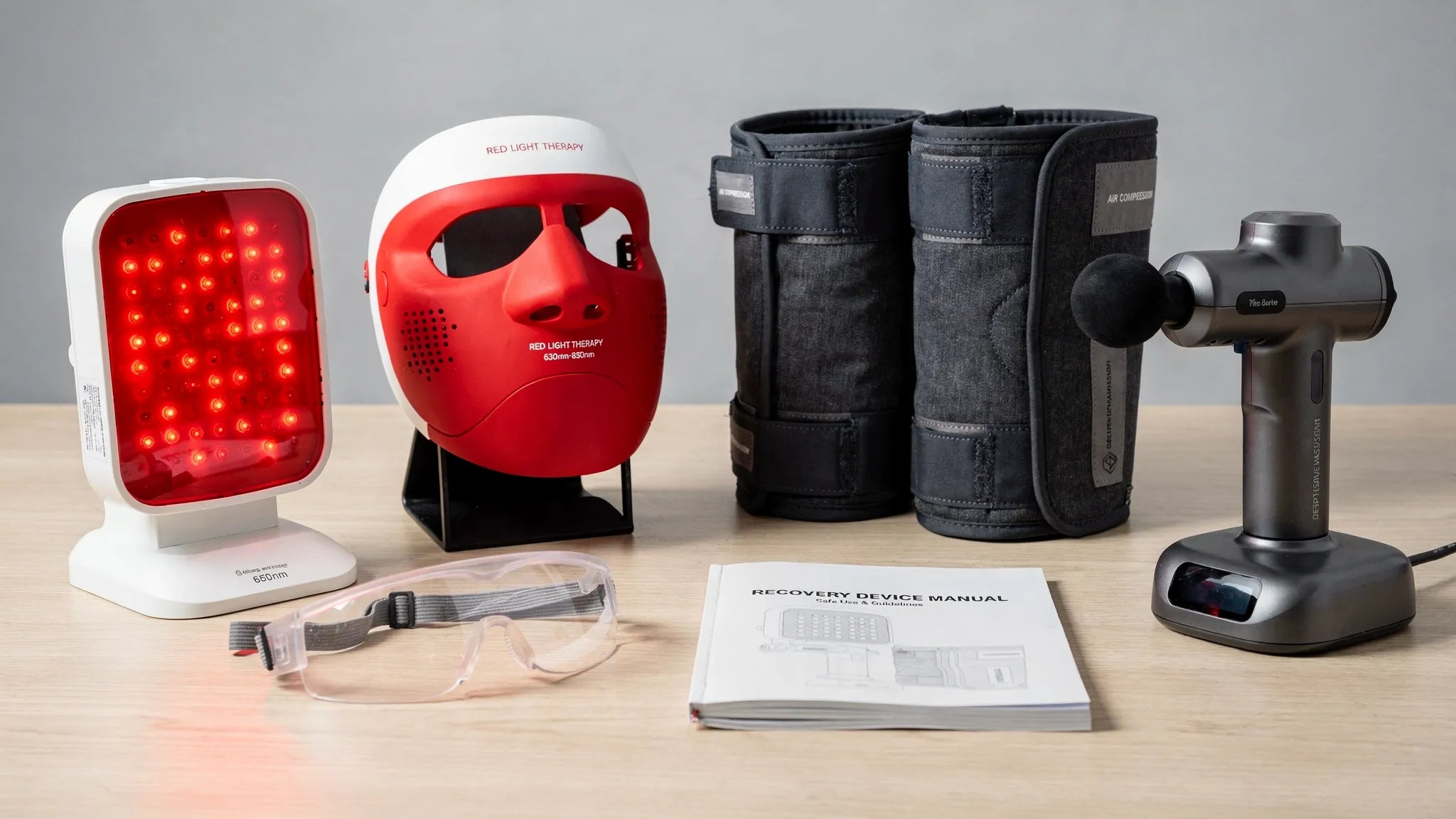
If you've reviewed the basics and you want a red LED therapy device with FDA clearance and clinical-grade output, our top recommendations for facial skin are the TheraFace Mask FDA Cleared (hands-free wearable mask designed for full-face red and near-infrared LED therapy) and the HealthLight Ultimate Body Kit (FDA-cleared LED pad therapy that doubles as facial and full-body coverage). Both deliver true medical-grade wavelengths in formats designed for consistent daily use — and both fit cleanly into a multi-step skin care routine.
Both devices may be HSA/FSA eligible with a Letter of Medical Necessity from your physician for a documented medical condition. For purely cosmetic skin use, HSA/FSA reimbursement is typically not available — but if you're using the device for broader medical purposes (chronic skin conditions, neuropathy, post-procedure recovery, etc.), the pre-tax purchase can convert to roughly 26-40% in real tax savings depending on your tax bracket.
Questions about which red LED therapy device fits your skin goals, your skincare stack, or HSA/FSA documentation? Call us at (612) 360-2490 — we'll talk through your specific routine and help you avoid the most common mistake: buying a low-output mask with vague wavelength specs that delivers underwhelming results.
Ready to Upgrade Your Recovery?
The equipment referenced in this guide, in stock and ready to ship. Many products qualify for HSA/FSA — call us to confirm eligibility for your situation.
Questions? Talk to our recovery specialists: (612) 360-2490
About the Author
Justin Webster, owner of Your Health Sanctuary, has spent his career helping build over 20 niche medical clinics across the USA and has written 2 books on the subject. Working alongside dozens of MDs, he saw firsthand what actually works for weight loss, recovery, and anti-aging, and what doesn't. He even published a weight loss book centered on Apple Cider Vinegar. When he realized it wasn't at the level it needed to be, he had the humility to pull it entirely and start over. That willingness to hold himself to a higher standard, even when it costs him, is what drives how Your Health Sanctuary operates. Life and business experience in the medical field led to everything this store is built on. Justin has personally lost 55 lbs. and made anti-aging his obsession. He didn't start this store to push products. He started it because he knew the tools clinicians trust, the ones that deliver real results, were out of reach for most people. Your Health Sanctuary exists to change that.