
HSA/FSA Eligible Cold Laser Therapy: Complete 2026 Guide
HSA/FSA Eligible Cold Laser Therapy: Complete 2026 Guide
If you've researched cold laser therapy and bounced off the $8,000-$15,000 price tag, you're missing a buying lever that turns the math around. HSA/FSA eligible cold laser therapy lets you pay for medical-grade devices like the BIOFLEX MultiPort System with pre-tax dollars, which means a $10,000 device effectively costs $6,500-$7,000 after federal tax savings. According to a 2025 Plan Sponsor Council of America survey, HSA balances now average $4,800 per accountholder with average annual contributions of $2,200, and the 2026 IRS contribution limits set the ceiling at $4,300 individual and $8,550 family. Most accountholders are dramatically underutilizing what these accounts cover. After spending my career helping build over 20 niche medical clinics across the USA and watching MDs sign Letters of Medical Necessity for everything from compression therapy to professional laser systems, I learned that the patients who get HSA/FSA approval aren't lucky — they understand the documentation game and ask the right questions. Here is exactly how to use HSA/FSA dollars on cold laser therapy in 2026.
What Makes Cold Laser Therapy HSA/FSA Eligible?
The IRS rule governing HSA/FSA eligibility is simple in principle and complex in practice. Per IRS Publication 502 (2025), eligible medical expenses include "amounts paid for the diagnosis, cure, mitigation, treatment, or prevention of disease, and for treatments affecting any part or function of the body." Cold laser therapy — clinically called photobiomodulation (PBM) or low-level laser therapy (LLLT) — clearly meets the "treatment affecting a function of the body" standard when used for a documented medical condition like chronic pain, neuropathy, arthritis, or post-surgical recovery.
The complexity arrives in the documentation requirements. For most cold laser therapy purchases, the IRS treats the device as a "dual-use" item: it has potential cosmetic or wellness applications alongside medical ones. That means an HSA/FSA administrator will ask for a Letter of Medical Necessity (LMN) from a prescribing physician before approving the reimbursement. The good news: every legitimate cold laser purchase by a patient with a diagnosed condition qualifies. The bad news: skip the LMN and your reimbursement gets denied.
Which Cold Laser Devices Qualify in 2026
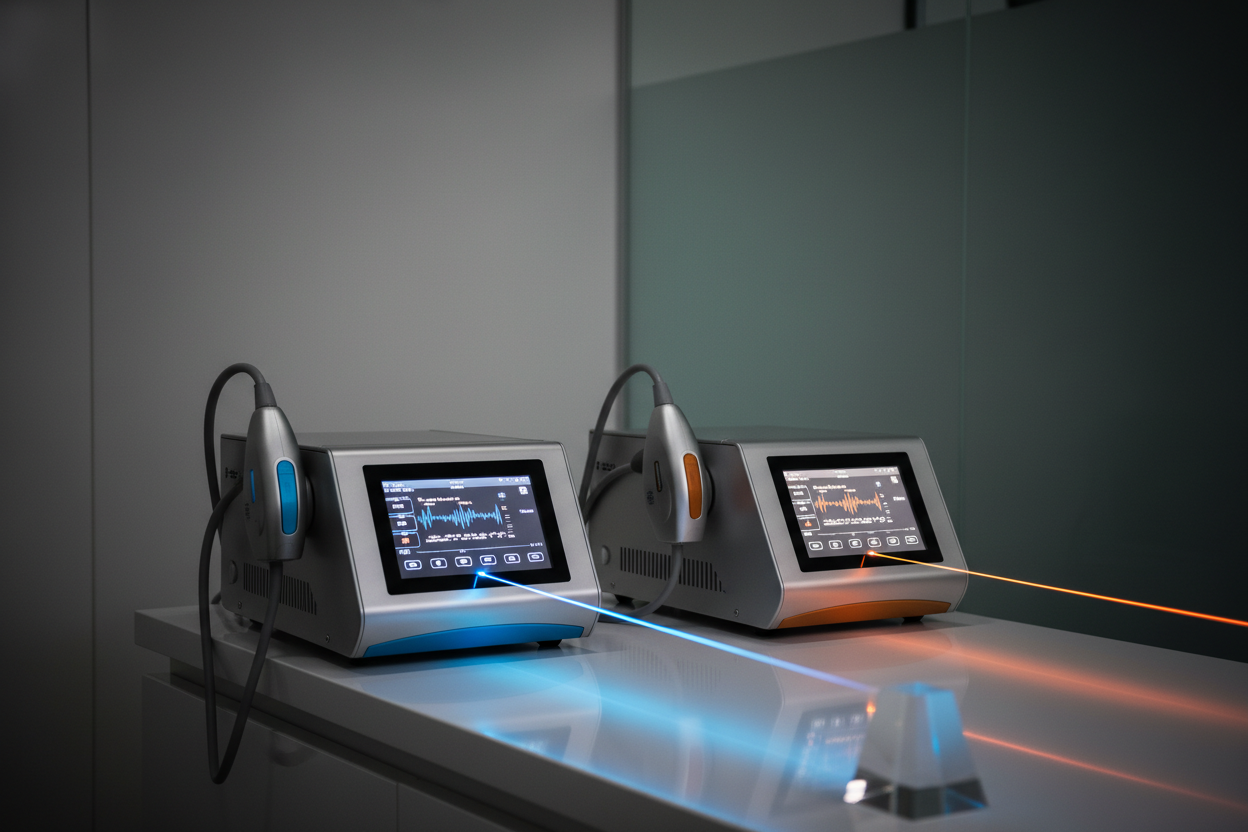
FDA-cleared medical-grade laser systems are the cleanest HSA/FSA cases. The BIOFLEX MultiPort System — used by chiropractors, physical therapists, and pain clinics across North America — qualifies as a medical device under IRS guidance when prescribed for a diagnosed condition. Its FDA clearance documentation, clinical evidence base, and use in licensed medical practices make it one of the strongest LMN approval candidates in the recovery equipment category.
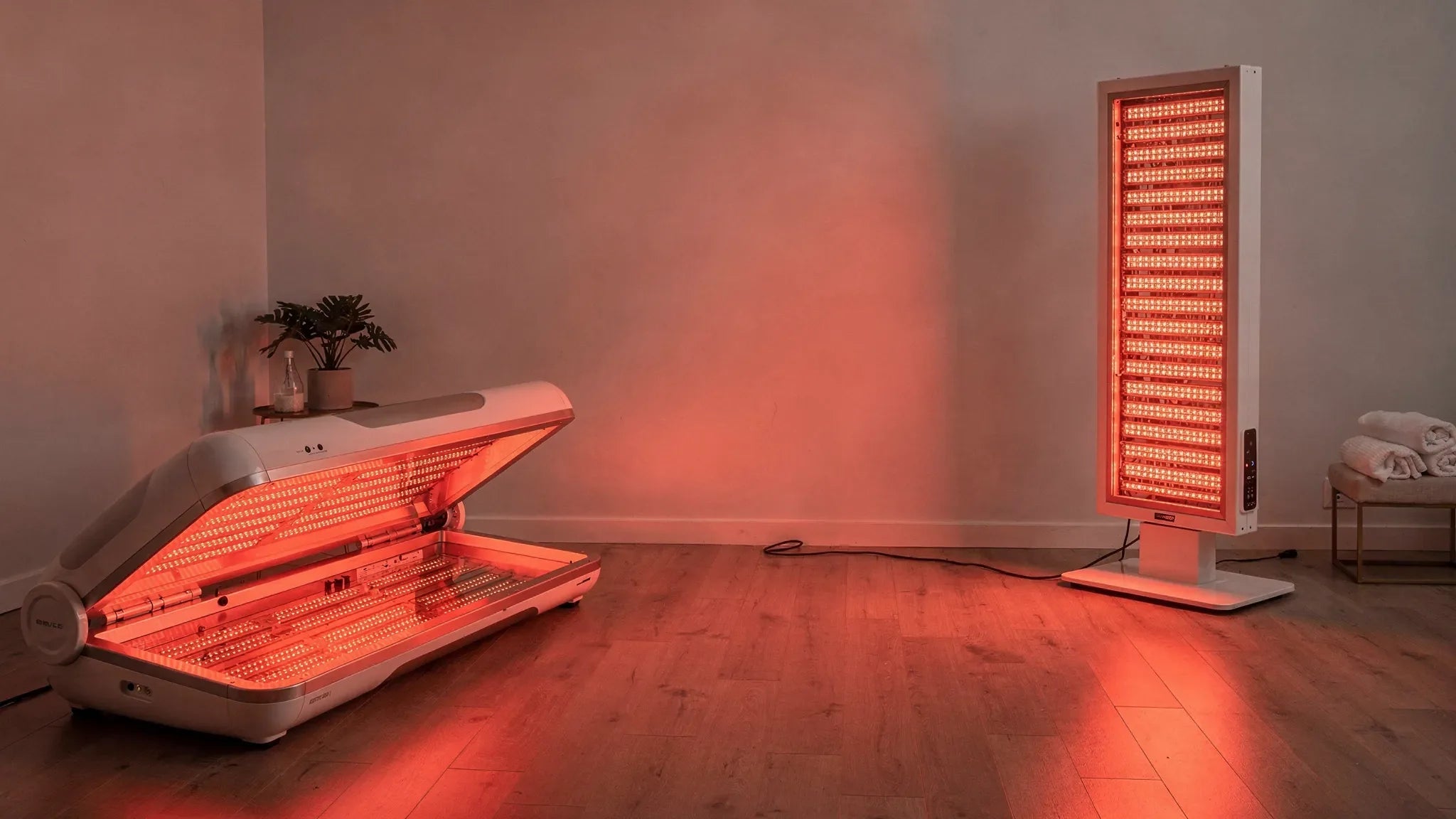
For patients who want a home-use option that's easier to deploy on a daily basis, the HealthLight Ultimate Body Kit is FDA-cleared LED photobiomodulation therapy that also qualifies for HSA/FSA reimbursement with appropriate documentation. The distinction matters: clinic-grade laser systems require professional administration in most cases, while pad-based LED systems are designed for at-home patient use, making them easier to integrate into a treatment plan and easier to justify on an LMN ("daily home use prescribed for ongoing management").
Consumer red light panels sold without FDA clearance for $200-$500 are a harder sell to HSA/FSA administrators. They lack the medical device classification and clinical evidence that make approval routine. If HSA/FSA reimbursement matters to you, stay in the FDA-cleared medical-grade lane.
Step-by-Step: How to Get HSA/FSA Approval for a Cold Laser Purchase
Step 1: Confirm Your Diagnosis Is in Writing
The HSA/FSA reimbursement chain starts with a documented medical diagnosis. Chronic pain, peripheral neuropathy (diabetic or otherwise), osteoarthritis, rheumatoid arthritis, post-surgical recovery, plantar fasciitis, and tendinopathy are all well-recognized indications for cold laser therapy. Pull your latest visit summary or after-visit notes from your MyChart, Athena, or doctor's portal — confirm the diagnosis is recorded by ICD-10 code (e.g., M17.11 for unilateral knee osteoarthritis).
Step 2: Request a Letter of Medical Necessity
A Letter of Medical Necessity is a one-page document from your prescribing physician (or chiropractor or physical therapist with prescribing authority in your state). It states: your name, your diagnosis, the medical necessity of cold laser therapy for that condition, the specific device or treatment, the duration of the prescription (typically 12 months), and the prescriber's NPI and signature. Most physicians have templates for these and will produce one on request. If your doctor pushes back, the right phrasing is: "I'd like to use my HSA funds for an FDA-cleared photobiomodulation device for my [diagnosis]. Can you sign a Letter of Medical Necessity stating it's medically appropriate?"
Step 3: Save Itemized Receipts
HSA/FSA administrators require an itemized receipt showing the device, the date of purchase, the merchant, and the amount paid. A credit card statement alone is not sufficient. Save the invoice from Your Health Sanctuary, the LMN from your physician, and your diagnosis documentation as a single PDF bundle.
Step 4: Submit for Reimbursement (or Pay Directly with HSA Card)
The two paths: (1) pay out of pocket and submit for reimbursement to your HSA/FSA administrator, which typically processes within 14-21 business days, or (2) pay directly with your HSA debit card at checkout. The second is faster but some administrators flag medical device purchases for post-purchase documentation review, so keep your bundle ready either way.
Tax Savings Math: What HSA/FSA Eligibility Actually Saves You
For a $10,000 cold laser purchase, the federal tax savings vary by your marginal tax bracket. At the 22% federal marginal rate plus 7.65% FICA payroll taxes (only saved on FSA contributions, not HSA), the effective savings on a $10,000 HSA-funded purchase is approximately $2,200 in federal income tax. Add state income tax savings (4-8% in most states) and the total tax-effective discount lands at 26-32% — turning a $10,000 device into a $6,800-$7,400 device. For higher earners at the 32% or 35% federal bracket, the effective discount climbs above 40%.
HSA vs FSA vs HRA: Which Account Works for Cold Laser?
| Feature | HSA | FSA | HRA |
|---|---|---|---|
| Cold laser eligible? | Yes (with LMN) | Yes (with LMN) | Plan-dependent (with LMN) |
| 2026 contribution limit (individual) | $4,300 | $3,300 | Employer-set |
| 2026 contribution limit (family) | $8,550 | $3,300 per accountholder | Employer-set |
| Funds roll over year to year? | Yes (unlimited) | Limited rollover or use-it-or-lose-it | Plan-dependent |
| Portable across employers? | Yes | No | No |
| Best for cold laser purchase? | Best — flexible, accumulating | Good — use before year-end | Check with HR |
For most patients planning a multi-thousand-dollar cold laser purchase, the HSA is the strongest vehicle: it accumulates over years, is portable across jobs, and has the highest 2026 contribution ceiling. FSA users should plan to spend within the plan year to avoid the use-it-or-lose-it forfeiture.
Common HSA/FSA Rejection Reasons (And How to Avoid Them)
The denials we see most often follow predictable patterns. First, missing LMN — the single biggest rejection cause for medical device purchases. Second, expired LMN: a Letter of Medical Necessity is typically valid for 12 months, so if you bought a device in January 2025 with a January 2024 LMN, the reimbursement will bounce. Third, vague diagnosis: an LMN that says "for chronic pain" with no underlying ICD-10 code raises flags. Fourth, non-itemized receipts — administrators will not accept credit card statements alone. Fifth, purchasing through a non-medical merchant where the invoice doesn't describe the item as a medical device.
The fix in each case is documentation discipline. Get the LMN before purchase. Confirm the diagnosis code. Get the itemized invoice. Save everything as a PDF bundle. Submit cleanly. Approval rates exceed 90% when the documentation chain is intact.
Frequently Asked Questions
Is cold laser therapy HSA/FSA eligible without a Letter of Medical Necessity?
In most cases, no. Cold laser therapy devices are classified as "dual-use" items by IRS guidance — they have potential wellness applications alongside medical uses. HSA/FSA administrators almost universally require a Letter of Medical Necessity from a prescribing physician confirming the device is being purchased for a documented medical condition. Without the LMN, expect denial. With it, expect approval.
Can I use my HSA to buy the BIOFLEX MultiPort System?
Yes, with proper documentation. The BIOFLEX MultiPort System is an FDA-cleared medical-grade photobiomodulation device. With a Letter of Medical Necessity from your physician stating it's needed for treating a diagnosed condition (chronic pain, neuropathy, arthritis, post-surgical recovery, etc.), the purchase qualifies as an eligible HSA/FSA medical expense. Save the itemized invoice and the LMN together for your records.
How much will I actually save with HSA/FSA funding?
The effective discount depends on your marginal tax bracket. At the 22% federal bracket plus state income taxes, expect roughly 26-32% tax savings on the purchase. For higher earners at the 32-35% federal bracket, the effective discount exceeds 40%. On a $10,000 BIOFLEX system, that translates to $2,600-$4,000 in real tax savings.
What happens if my HSA/FSA reimbursement gets denied?
Most denials are documentation-related — missing or vague LMN, non-itemized receipt, or unclear diagnosis. You can resubmit with corrected documentation. If denial persists, the IRS gives you the option to pay the funds back to the HSA or treat the withdrawal as a non-qualified distribution (which incurs income tax plus a 20% penalty if you're under 65). The 20% penalty disappears at age 65. Best practice: get all documentation locked in before the purchase.
Are at-home red light therapy devices like the HealthLight Ultimate Body Kit also HSA/FSA eligible?
Yes, with the same LMN requirement. FDA-cleared photobiomodulation devices designed for at-home use qualify as HSA/FSA eligible medical equipment when prescribed for a documented condition. The HealthLight Ultimate Body Kit is a strong candidate because its FDA clearance, clinical evidence, and pad-based design for daily home use map cleanly to LMN language about "ongoing patient-administered therapy."
Can I use HSA funds for clinic-based cold laser therapy sessions?
Yes, and these are often the easiest reimbursements to obtain. Cold laser therapy sessions performed in a chiropractor's, physical therapist's, or MD's office for a diagnosed condition are clearly eligible medical expenses. The clinic's billing receipt (CPT-coded) typically satisfies all documentation requirements without needing a separate LMN.
Learn More From Our Cold Laser Library
For deeper context on the device most clinicians recommend, see our BIOFLEX Laser Therapy System review. For condition-specific guidance on the most-asked cold laser application, see cold laser therapy for neuropathy.
Ready to Use Your HSA/FSA on Medical-Grade Cold Laser Therapy?
The BIOFLEX MultiPort System is the same clinic-grade cold laser system used by chiropractors, physical therapists, and pain clinics across North America. The BIOFLEX MultiPort System is HSA/FSA eligible with a Letter of Medical Necessity from your prescribing physician — for most patients in the 22-32% federal tax bracket, that pre-tax purchase converts to roughly 26-40% in real tax savings. For at-home daily-use photobiomodulation, the HealthLight Ultimate Body Kit is also HSA/FSA eligible with the same LMN documentation and offers FDA-cleared LED pad therapy designed for patient self-administration.
Not sure how to get a Letter of Medical Necessity from your doctor or which device is the right fit for your HSA/FSA situation? Call (612) 360-2490 — we'll walk you through the documentation checklist, the right LMN language, and which device makes the most sense for your specific condition and account type. Check with your plan administrator about your specific HSA/FSA documentation requirements before purchase.
About the Author
Justin Webster, owner of Your Health Sanctuary, has spent his career helping build over 20 niche medical clinics across the USA and has written 2 books on the subject. Working alongside dozens of MDs, he saw firsthand what actually works for weight loss, recovery, and anti-aging, and what doesn't. He even published a weight loss book centered on Apple Cider Vinegar. When he realized it wasn't at the level it needed to be, he had the humility to pull it entirely and start over. That willingness to hold himself to a higher standard, even when it costs him, is what drives how Your Health Sanctuary operates. Life and business experience in the medical field led to everything this store is built on. Justin has personally lost 55 lbs. and made anti-aging his obsession. He didn't start this store to push products. He started it because he knew the tools clinicians trust, the ones that deliver real results, were out of reach for most people. Your Health Sanctuary exists to change that.