
Cold Laser Therapy for Neuropathy: What the Clinical Evidence Actually Shows in 2026
The research on photobiomodulation for peripheral nerve damage is stronger than most patients realize — here's the honest breakdown
Peripheral neuropathy affects an estimated 20 million Americans — making it one of the most common and most undertreated chronic conditions in the country. The burning, tingling, numbness, and pain that characterize nerve damage are notoriously resistant to conventional treatment. Medications help some patients, but side effects are significant and results are often partial.
Cold laser therapy — also called low-level laser therapy (LLLT) or photobiomodulation — has emerged as one of the most evidence-supported non-pharmacological approaches to neuropathy over the past decade. But what does the evidence actually show in 2026, and how does BIOFLEX Laser Therapy fit into an effective neuropathy treatment protocol?
What Causes Peripheral Neuropathy — and Why It's Hard to Treat
Peripheral neuropathy results from damage to the peripheral nerves — the network carrying signals between the brain, spinal cord, and the rest of the body. The causes are numerous: diabetes is the most common (accounting for roughly 60% of cases), followed by chemotherapy-induced neuropathy (CIPN), autoimmune conditions, hereditary disorders, vitamin deficiencies, and idiopathic causes where no clear origin is identified.
What makes neuropathy so difficult to treat conventionally is that damaged nerves have poor baseline metabolic activity and blood supply — especially in small fiber neuropathy and distal symmetric polyneuropathy, where the nerves farthest from the spine are most affected. Medications like gabapentin and pregabalin reduce pain signals but do not address the underlying nerve damage or support regeneration.
How Cold Laser Therapy Affects Nerve Tissue
Photobiomodulation (PBM) — the mechanism behind cold laser therapy — works through a fundamentally different pathway than analgesic drugs. When photons at specific wavelengths (particularly 630–850nm and 905nm) reach nerve tissue, they interact with chromophores in the mitochondria — primarily cytochrome c oxidase, the terminal enzyme in the mitochondrial electron transport chain.
This interaction triggers a cascade of cellular events particularly relevant to nerve damage:
- Increased ATP production — nerve cells with higher metabolic activity repair and regenerate more effectively
- Reduced oxidative stress — a primary driver of peripheral nerve damage in diabetic neuropathy
- Nitric oxide release — improves local microcirculation to nerve tissue (critical in diabetes, where vascular supply is compromised)
- Nerve growth factor (NGF) stimulation — promotes axonal regrowth and Schwann cell activity
- Reduced neuroinflammation — downregulates pro-inflammatory cytokines that maintain the pain-sensitization cycle
This isn't theoretical. The downstream clinical effects — improved nerve conduction velocity, reduced pain scores, improved sensation in sensory testing — have been measured in multiple controlled trials.
The Clinical Evidence in 2026: What the Research Shows
The BIOFLEX Protocol for Neuropathy: Why It's Particularly Effective
BIOFLEX Laser Therapy's approach to neuropathy is built around a key clinical insight: peripheral neuropathy is a diffuse, distributed condition. Damage doesn't occur at a single point — it affects nerve fibers across a broad anatomical zone, often bilaterally. This is why point-treatment laser probes, while effective for focal injuries, are less ideal for neuropathy than the large-surface SLD array approach BIOFLEX uses.
The standard BIOFLEX neuropathy protocol uses the SLD pad arrays to deliver 660nm red and 830nm near-infrared light simultaneously across a broad treatment zone — the feet and lower legs in most neuropathy patients — before finalizing with the 905nm laser probe for deeper tissue penetration at key nerve compression points. This three-stage approach addresses the entire affected region rather than isolated spots.
Typical BIOFLEX Neuropathy Treatment Protocol
Treatment frequency: 3x/week for the first 4 weeks, then 2x/week for 8 weeks, then maintenance 1x/week. Most patients report meaningful pain reduction within 4–6 sessions; measurable nerve function improvements typically appear by week 8.
Neuropathy Type Comparison: Where Cold Laser Therapy Works Best
| Neuropathy Type | Evidence Level | Expected Response | Key Consideration |
|---|---|---|---|
| Diabetic Peripheral Neuropathy | Strong (Level I–II) | Good — pain reduction + sensation improvement | Glycemic control must accompany treatment |
| Chemotherapy-Induced (CIPN) | Moderate (Level II) | Good — especially hand/foot symptoms | Avoid during active chemotherapy cycles |
| Idiopathic Small Fiber | Moderate (Level II–III) | Variable — pain relief more reliable than sensation | More sessions often required |
| Compression Neuropathy (CTS, tarsal tunnel) | Strong (Level I) | Excellent — particularly post-surgical | Focal treatment with probe highly effective |
| Post-Herpetic Neuralgia | Moderate (Level II) | Moderate — may reduce allodynia | Combine with medical management |
| Hereditary/Genetic Neuropathy | Limited (Level III–IV) | Symptomatic relief possible, underlying cause unchanged | Realistic expectation-setting important |
What Cold Laser Therapy Cannot Do
Clinical honesty matters here. Cold laser therapy at the BIOFLEX level is a powerful tool — but it's not a cure for neuropathy in cases where the underlying cause is ongoing. For diabetic neuropathy patients, blood sugar management remains essential — BIOFLEX treats the nerve damage, but continued hyperglycemia will continue generating new damage. For CIPN patients, the nerve damage from chemotherapy is permanent in many cases — PBM improves function and reduces symptoms, but cannot restore every lost nerve fiber.
The most important realistic expectation: pain reduction and functional improvement are consistently achievable. Complete reversal of advanced neuropathy is not the primary clinical goal — quality of life improvement, pain score reduction, and slowing of progression are realistic and well-documented outcomes.
The BIOFLEX MultiPort System for Home Neuropathy Management
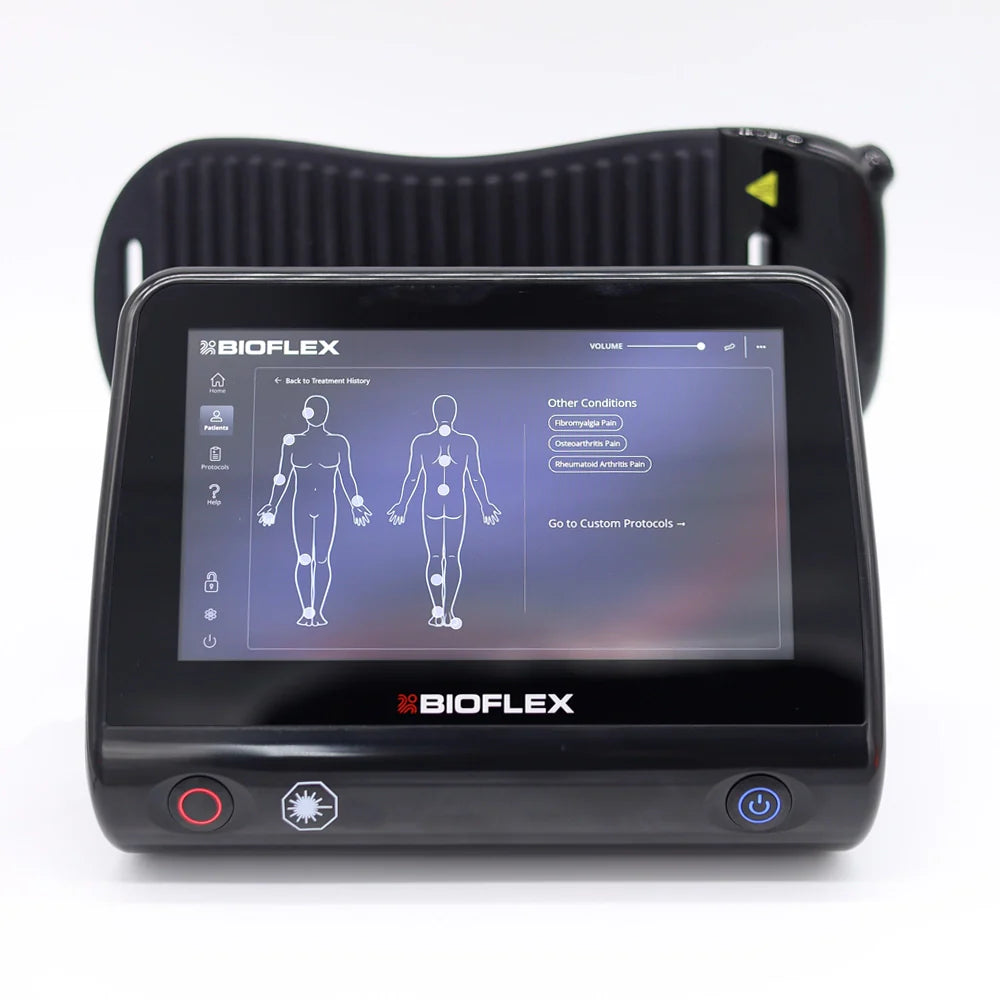
Clinic-based treatment is ideal — but the reality for many neuropathy patients is that 3x/week clinic visits are neither practical nor sustainable long-term. The BIOFLEX MultiPort System is designed to bring clinical-quality protocols into a home or office environment, with the same FDA-cleared technology used in professional practice.
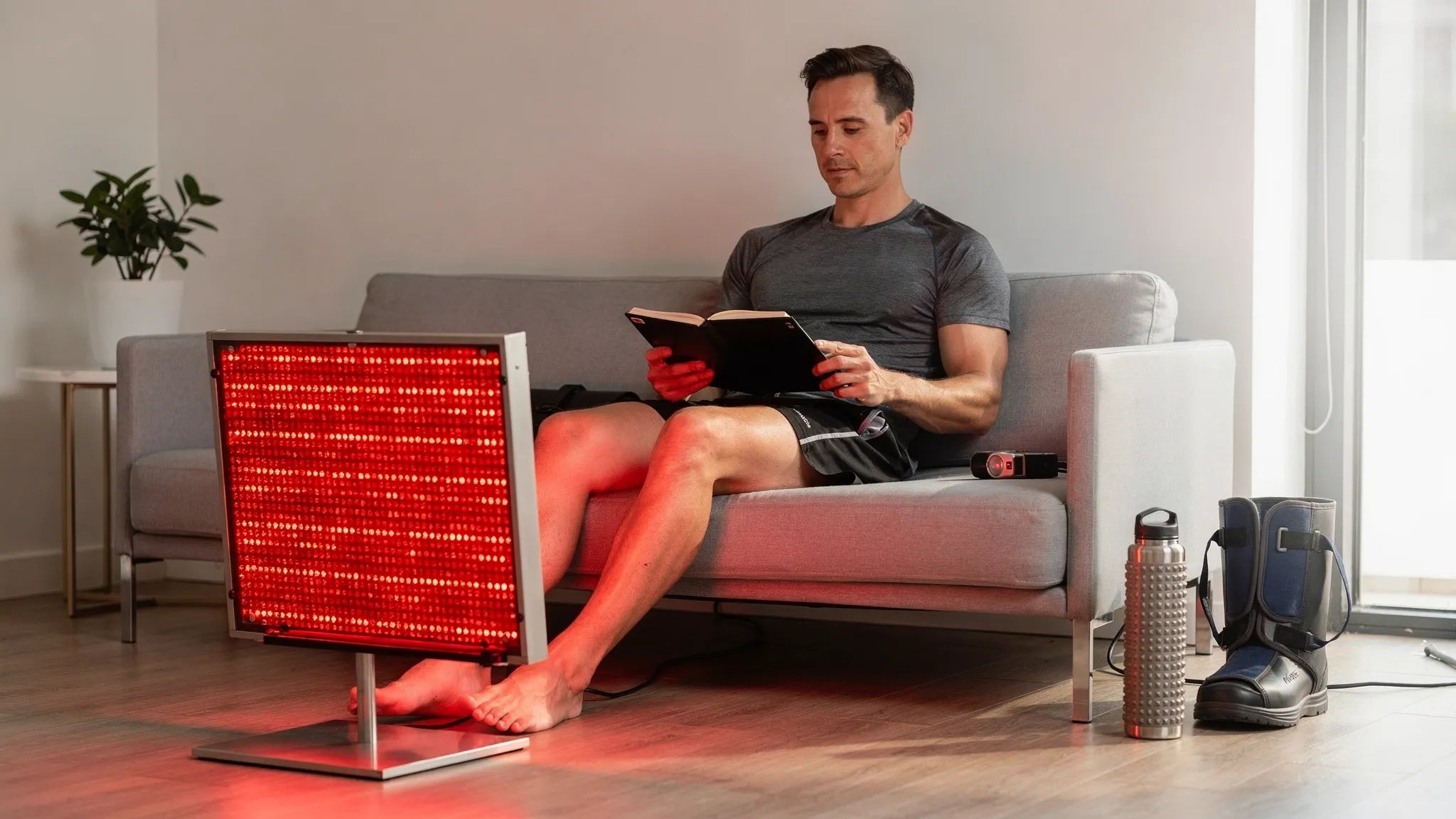
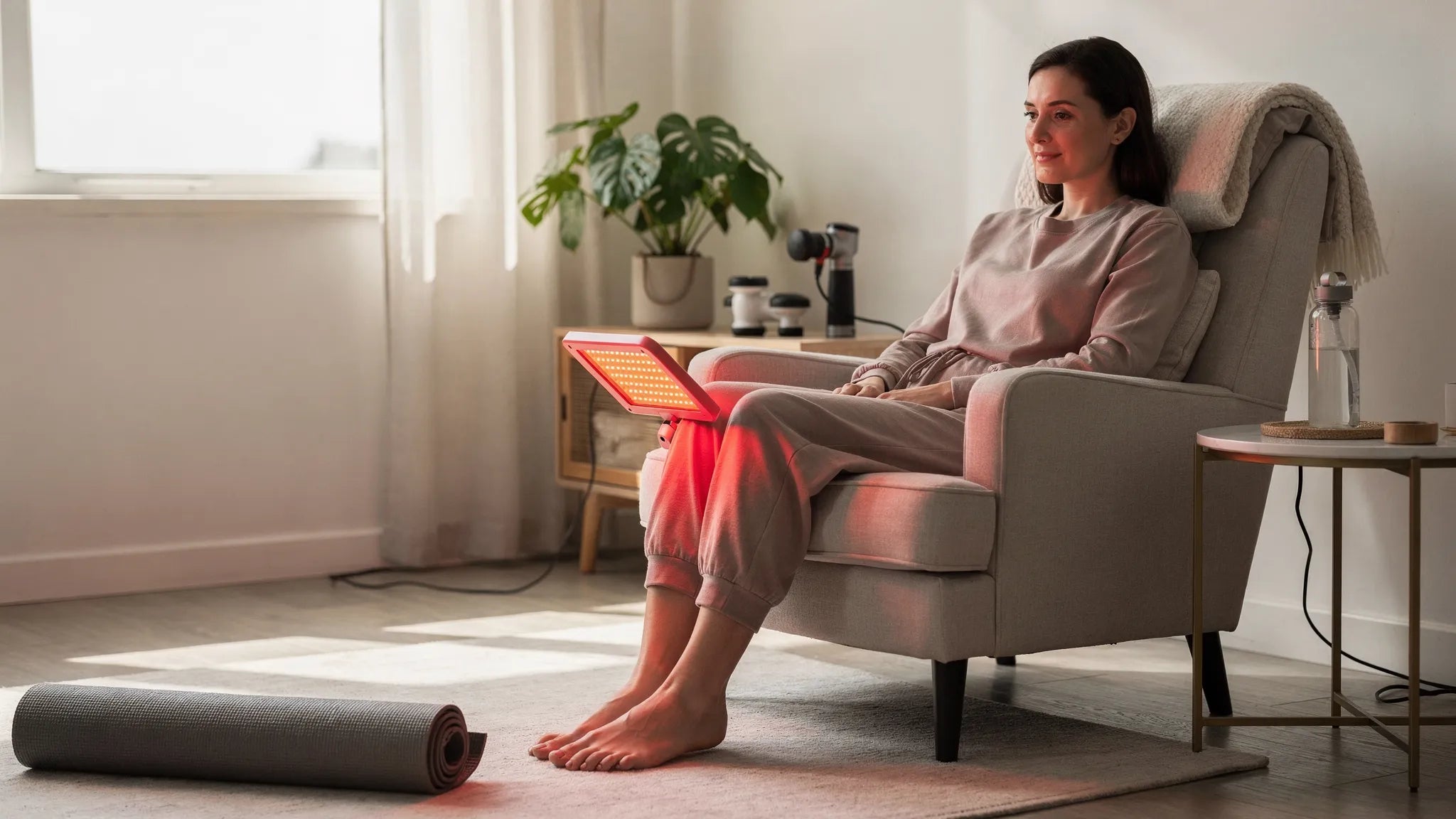
Combined with a comprehensive recovery approach — the HealthLight Ultimate Body Kit includes red light therapy pads specifically designed for neuropathy treatment across the feet and lower legs — serious neuropathy patients can maintain a consistent treatment cadence that clinical visits alone cannot achieve.
BIOFLEX MultiPort System — Clinical Cold Laser Therapy
The most evidence-backed system for peripheral neuropathy treatment outside a clinical setting. Sequential 660nm / 830nm / 905nm protocols. FDA cleared. 150+ condition-specific programs including neuropathy management.
View BIOFLEX MultiPort System → Speak with Justin's Team: (612) 360-2490The BIOFLEX MultiPort System is HSA/FSA eligible with a Letter of Medical Necessity from your physician — for documented peripheral, diabetic, or chemotherapy-induced neuropathy, LMN approval is routine and the pre-tax purchase converts to roughly 26–40% in real tax savings depending on your tax bracket.
For a broader comparison of laser and light therapy options, read our BIOFLEX Laser Therapy System Review and our complete Laser Therapy for Pain Management guide.
Frequently Asked Questions
Yes — the clinical evidence is substantial and growing. A 2023 systematic review of 14 randomized controlled trials found statistically significant improvements in nerve conduction velocity and pain scores in peripheral neuropathy patients treated with LLLT at 830nm. Results are strongest for diabetic peripheral neuropathy and chemotherapy-induced neuropathy.
Most patients begin to notice pain reduction within 4–6 sessions. Clinically meaningful nerve function improvements typically become measurable by week 8 of consistent treatment (3x/week initially). The standard BIOFLEX neuropathy protocol is 12 weeks of active treatment, followed by ongoing maintenance sessions 1–2x/week.
Clinical evidence consistently points to 830nm near-infrared as the primary therapeutic wavelength for peripheral neuropathy, with supportive effects from 660nm red light at the surface. BIOFLEX's sequential protocol uses both wavelengths systematically before concluding with 905nm for deep nerve trunk penetration.
Yes. Cold laser therapy at BIOFLEX parameters is safe for diabetic neuropathy patients. There are no thermal effects, no known drug interactions, and the treatment is non-invasive. Patients should continue prescribed diabetes management alongside laser treatment.
Cold laser therapy can reduce neuropathic pain, improve nerve conduction velocity, and restore some sensory function. Complete reversal of advanced neuropathy is not a realistic expectation — but pain reduction, functional improvement, and slowing of progression are well-documented, achievable goals.
Yes. The BIOFLEX MultiPort System is HSA/FSA-eligible as an FDA-cleared medical device when prescribed for a documented neuropathy condition — diabetic peripheral neuropathy, chemotherapy-induced peripheral neuropathy, post-surgical compression neuropathy, or idiopathic peripheral neuropathy. A Letter of Medical Necessity from your physician or neurologist is typically required, converting the pre-tax purchase to roughly 26–40% in real tax savings depending on your tax bracket.
Ready to Upgrade Your Recovery?
The equipment referenced in this guide, in stock and ready to ship. Many products qualify for HSA/FSA — call us to confirm eligibility for your situation.
Questions? Talk to our recovery specialists: (612) 360-2490