
BIOFLEX for Plantar Fasciitis: How It Compares to Other Treatments (2026)
Anyone who has dealt with plantar fasciitis knows the first step out of bed is the worst part of the day. BIOFLEX for plantar fasciitis is one of several treatment paths clinicians reach for, alongside shockwave therapy, ultrasound, and corticosteroid injections. None of them is a magic fix, and the right one depends on how long you've had symptoms, how severe they are, and how much downtime you can tolerate. This guide walks through where BIOFLEX low-level laser therapy fits among the alternatives.
A quick disclosure: Your Health Sanctuary sells clinician-grade equipment to chiropractors and medical professionals, not consumer gadgets. We carry the BIOFLEX line directly, so we've kept the comparisons below focused on genuine differences rather than a pitch for BIOFLEX over every other option.

What's actually happening in plantar fasciitis
Plantar fasciitis is inflammation and micro-damage in the thick band of tissue running along the bottom of the foot, most often at the point where it attaches to the heel. It responds to load management, targeted stretching, and time — but that time is exactly what most patients want to shorten, which is where adjunct treatments like laser therapy, shockwave, ultrasound, and injections come in. Each works on the tissue in a different way, and each carries a different downtime and cost profile.
How BIOFLEX approaches plantar fasciitis
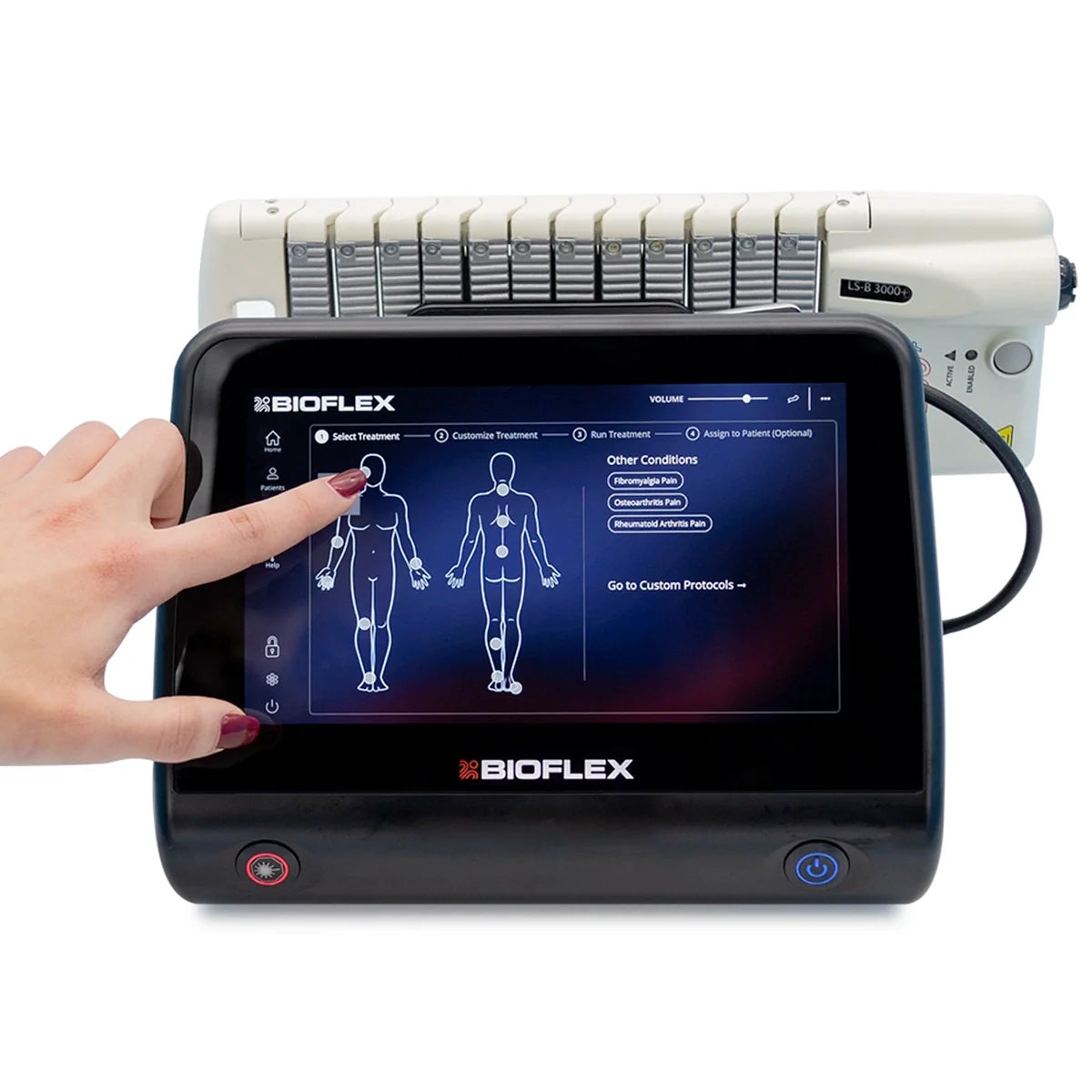
BIOFLEX's flexible pads and focal probe are used to treat the plantar fascia and heel with low-level laser and LED light, largely hands-free. Because the energy is spread across a larger surface at lower power, there's minimal heat and minimal discomfort during the session, which matters for a condition where the foot is already tender to the touch. A typical course runs multiple sessions over several weeks rather than a single visit, aiming to support the tissue's own repair process alongside stretching and load management rather than replacing them.
BIOFLEX vs other plantar fasciitis treatments
| Treatment | How it works | Discomfort during treatment | Downtime | HSA/FSA eligible | Best for |
|---|---|---|---|---|---|
| BIOFLEX laser therapy | Low-level laser/LED, mostly photochemical, minimal heat | Low — gentle, hands-free | None | Yes, with documentation | Patients who want a repeatable, comfortable adjunct alongside stretching and load management |
| Extracorporeal shockwave therapy (ESWT) | Mechanical pressure waves stimulate tissue repair | Moderate to significant — can be uncomfortable | Minimal, some soreness after | Yes, with documentation | Chronic cases that haven't responded to conservative care |
| Therapeutic ultrasound | Sound-wave heating deep in tissue | Low | None | Varies | Adjunct alongside manual therapy in a clinic visit |
| Corticosteroid injection | Anti-inflammatory medication injected at the site | Injection discomfort | Short, some activity limits after | Yes, as a medical procedure | Severe pain needing faster short-term relief, used sparingly due to tissue-weakening risk with repeat use |
This table describes general treatment categories, not a head-to-head clinical ranking, and any injection decision should be made with a physician given the risks of repeated steroid use in the plantar fascia. Prices reflect current Your Health Sanctuary listings for BIOFLEX and can change — confirm the latest pricing on each product page.
Who tends to do well with BIOFLEX for plantar fasciitis
BIOFLEX fits patients who want a comfortable, repeatable adjunct they can pair with stretching and load management over several weeks, and who'd rather avoid the discomfort of shockwave or the risks of repeat steroid injections. It's also a practical option for clinics that want to offer laser therapy across multiple conditions — the same system treating a patient's plantar fasciitis this week can treat another patient's shoulder or knee the next.
When shockwave or injection makes more sense
If plantar fasciitis has been present for many months despite consistent stretching, taping, and conservative care, shockwave therapy has a strong track record for genuinely chronic cases, and a corticosteroid injection can provide faster short-term relief when pain is severe enough to limit basic daily function. The number one mistake we see is patients shopping by price or convenience first instead of matching the treatment to how long they've actually had symptoms — a comfortable, low-intensity option makes sense early on, but a case that's been chronic for a year may need a more aggressive first step. Do the research, match the treatment to the actual timeline of the injury, and don't keep repeating what isn't working.
What the evidence says (in plain language)
Low-level laser therapy has a real body of clinical research behind it for plantar fasciitis, generally showing reduced pain and improved function when delivered consistently over a course of sessions, though results vary and it isn't uniformly superior to other conservative treatments in every study. We're intentionally not citing specific study numbers here, since dosing, session count, and case severity vary enough across the literature that pointing to a single citation can overstate certainty. The honest summary: laser therapy is a reasonable, low-risk option worth trying as part of a broader plan that includes stretching and load management, and it's often used before escalating to shockwave or injection rather than after.
HSA/FSA eligibility
BIOFLEX systems are generally HSA- and FSA-eligible when used to treat a diagnosed condition like plantar fasciitis, typically with a provider recommendation or Letter of Medical Necessity. For a clinic, the system is a business asset that can treat this condition alongside dozens of others; for an individual considering a personal BIOFLEX P180, the HSA/FSA route can meaningfully offset the cost. See our full breakdown in HSA/FSA eligible cold laser therapy.
Our take
Your Health Sanctuary sells mostly to chiropractors and medical professionals — clinician-grade equipment that practices actually put to daily use, not a consumer gadget that sits in a closet. That's part of why Justin dealt directly with BIOFLEX's leadership, both the previous CEO and the current one, before adding the brand to the lineup, and why he's adding a BIOFLEX P180 to his own setup this year. For a common, recurring condition like plantar fasciitis, a system built for daily clinical volume — not a single-use gadget — is what actually pays off over a practice's patient load.
Recommended BIOFLEX systems for plantar fasciitis
Two systems cover most plantar fasciitis caseloads:
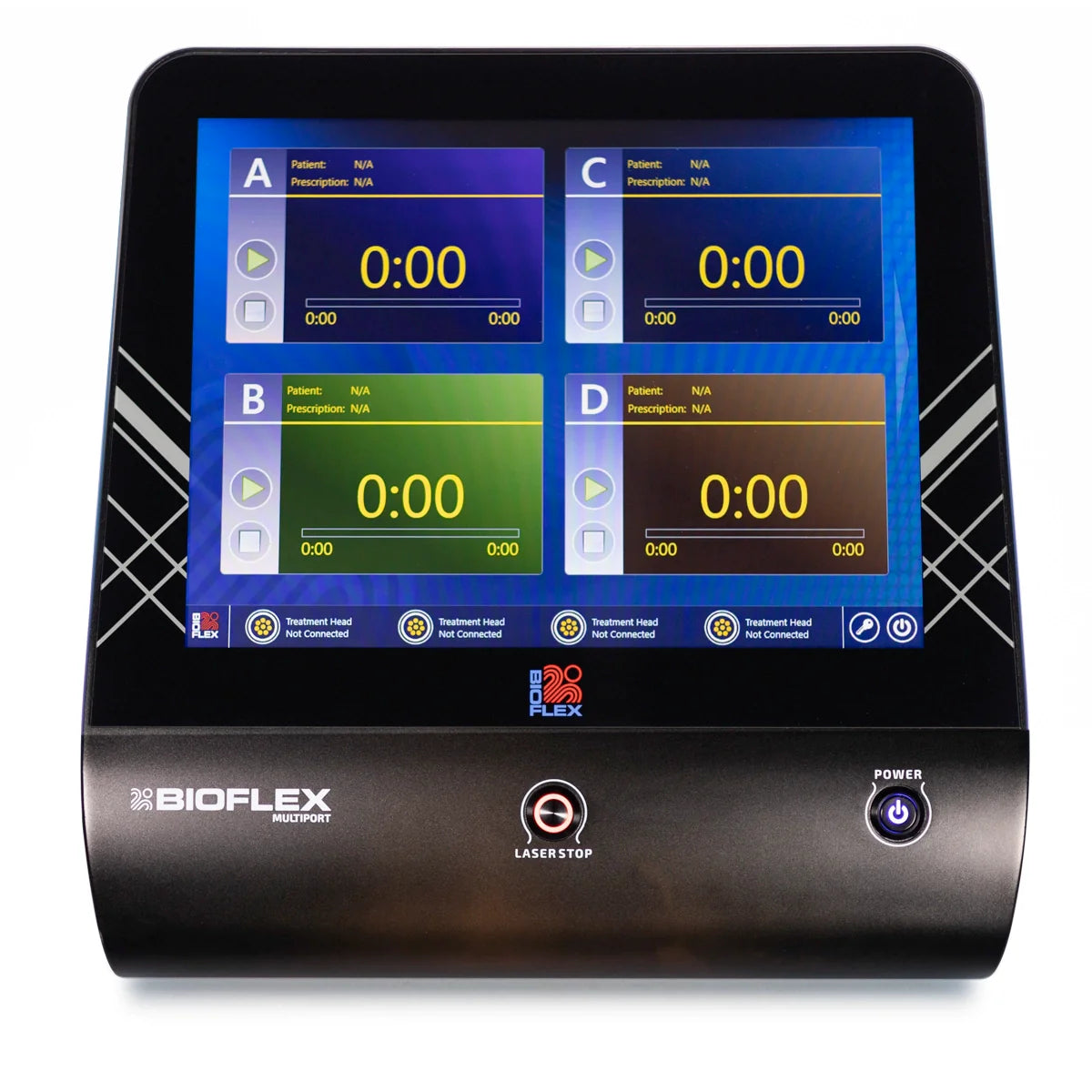
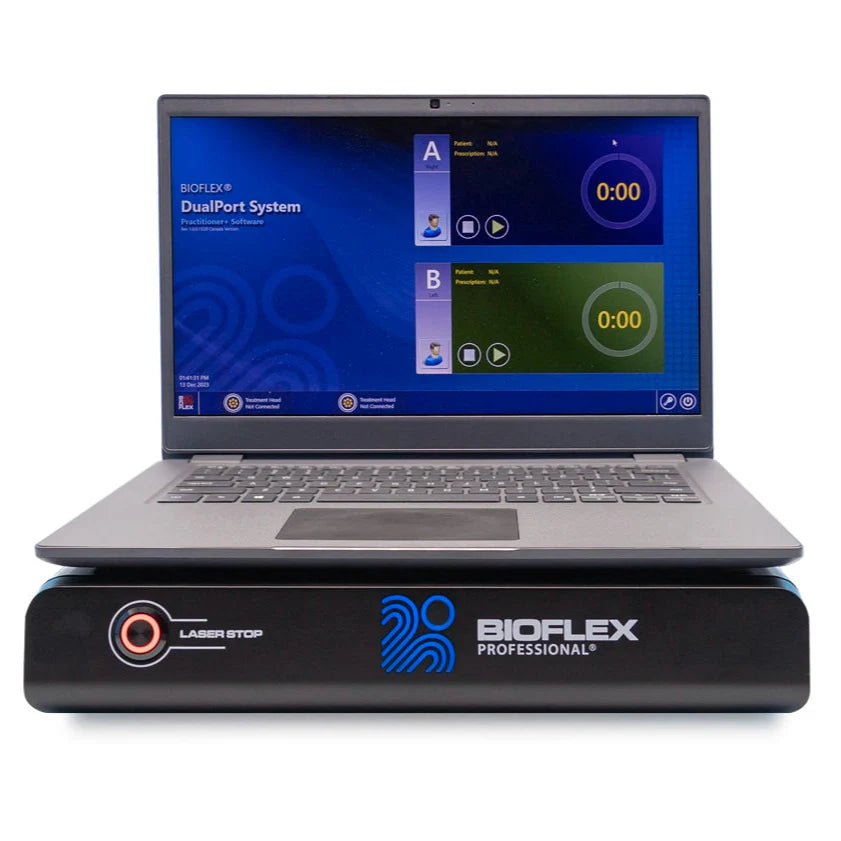
- BIOFLEX Dualport System — treat both feet, or two patients, in the same session — a strong fit for a high-frequency condition like plantar fasciitis.
- BIOFLEX P180 Personal Therapy System — for patients who want to continue treatment at home between clinic visits.
Not Sure Which Treatment Path Fits Your Case?
Talk to a therapy specialist about how long you've had symptoms and what you've already tried. Call (612) 360-2490.
Shop BIOFLEX Dualport System Shop BIOFLEX P180 Personal SystemAbout the author
Justin Webster — Business Consultant & Founder, Your Health Sanctuary. Justin Webster is the owner of Your Health Sanctuary. Before founding his consulting company, he served as COO of a chain of 13 medical clinics, then spent his career helping build more than 20 additional niche medical clinics across the United States. Working alongside MDs, chiropractors and physical therapists introduced him to the clinical-grade equipment that practitioners actually prescribe. That background, combined with direct relationships with manufacturers including HealthLight and BIOFLEX, shapes how Your Health Sanctuary evaluates and recommends recovery technology. Justin personally owns and uses the HealthLight General Pain Relief Kit. Your Health Sanctuary sells primarily to medical professionals and clinicians, not consumer gadget buyers.
Related reading
For a broader clinical look at laser therapy for this condition, see our guide to cold laser therapy for plantar fasciitis, and for how BIOFLEX stacks up against a leading Class IV competitor, see BIOFLEX vs LightForce.
Frequently asked questions
Does BIOFLEX work for plantar fasciitis?
BIOFLEX low-level laser therapy is used as an adjunct treatment for plantar fasciitis, typically delivered over a course of sessions alongside stretching and load management rather than as a stand-alone cure. Results vary by case severity and consistency of treatment.
Is BIOFLEX or shockwave therapy better for plantar fasciitis?
Neither is universally better. BIOFLEX tends to suit patients who want a comfortable, low-intensity option earlier in treatment, while shockwave therapy has a stronger track record for genuinely chronic cases that haven't responded to conservative care, though it's typically more uncomfortable during the session.
How many BIOFLEX sessions are needed for plantar fasciitis?
Plantar fasciitis protocols are typically delivered multiple times a week over several weeks, since the tissue responds to a cumulative course of treatment rather than a single session. Your provider will set the exact schedule for your case.
Is BIOFLEX laser therapy for plantar fasciitis HSA/FSA eligible?
Yes. BIOFLEX systems are generally HSA- and FSA-eligible when used to treat a diagnosed condition like plantar fasciitis, with documentation such as a provider recommendation or Letter of Medical Necessity.
Can I use BIOFLEX for plantar fasciitis at home?
Yes — the BIOFLEX P180 personal system brings the same family of technology into the home, which is useful for continuing treatment between clinic visits. Clinic systems like the Dualport are built for higher session volume and treating two feet or two patients at once.
Should I try laser therapy before getting a cortisone shot for plantar fasciitis?
Many clinicians use lower-risk options like laser therapy, stretching, and load management before considering a corticosteroid injection, since repeated steroid injections carry a risk of weakening the plantar fascia over time. This decision should be made with your physician based on your specific case and how long you've had symptoms.