

BIOFLEX for Neuropathy: A Clinical Protocol Guide (2026)
If you're researching BIOFLEX for neuropathy, you're probably looking for something that helps with nerve pain without another prescription refill. BIOFLEX low-level laser therapy (LLLT) is one of the tools clinicians reach for in neuropathy protocols because it's hands-free, low-heat, and repeatable across the course of treatment a nerve condition usually needs. This guide covers how BIOFLEX fits into a neuropathy protocol, who it tends to help most, and how it stacks up against the other tools in a typical neuropathy toolkit.
A quick disclosure: Your Health Sanctuary sells clinician-grade equipment to chiropractors and medical professionals, not consumer gadgets. We carry the BIOFLEX line directly, so treat the comparisons below as an honest look at where BIOFLEX fits rather than a sales pitch for it over every alternative.

Why clinicians use laser therapy for neuropathic pain
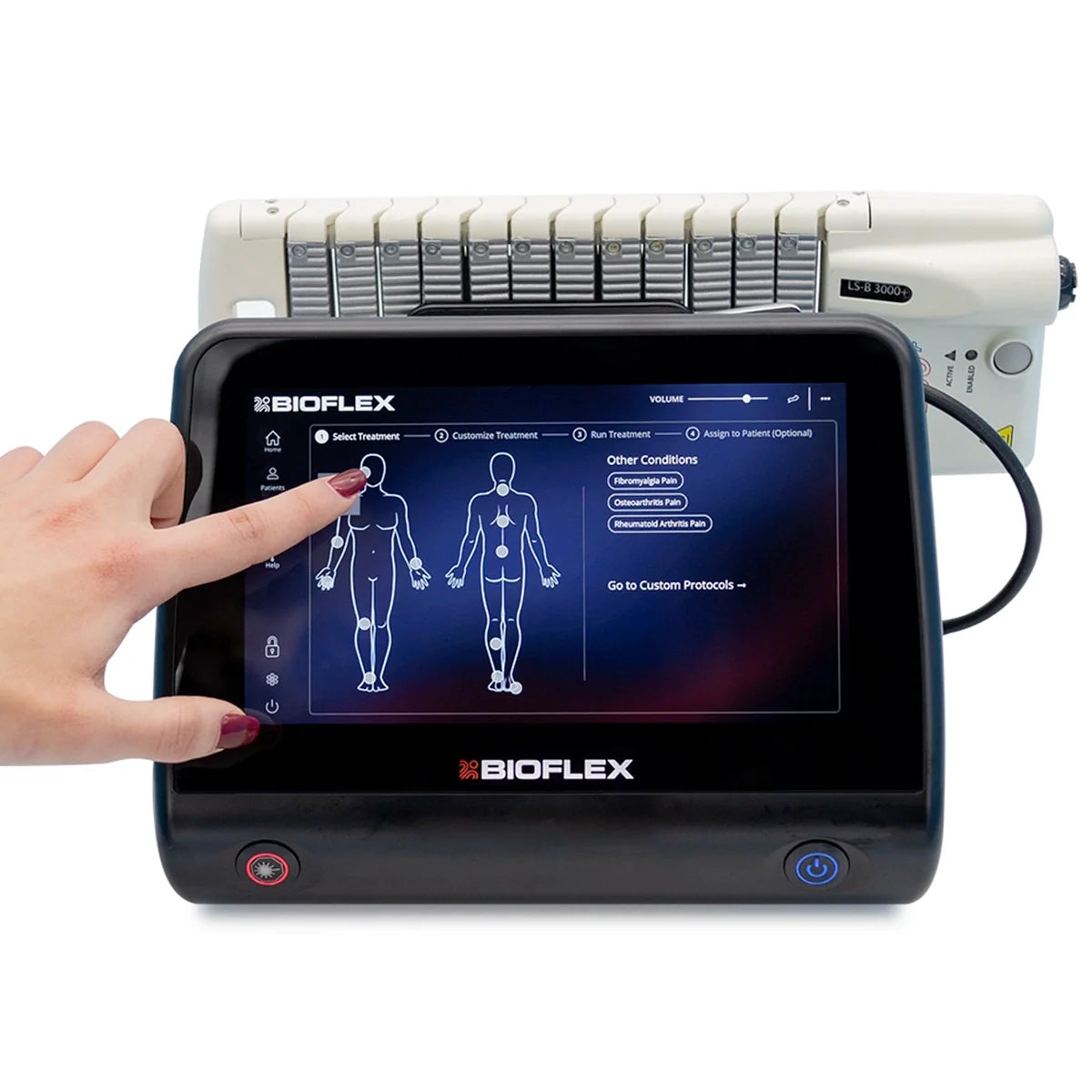
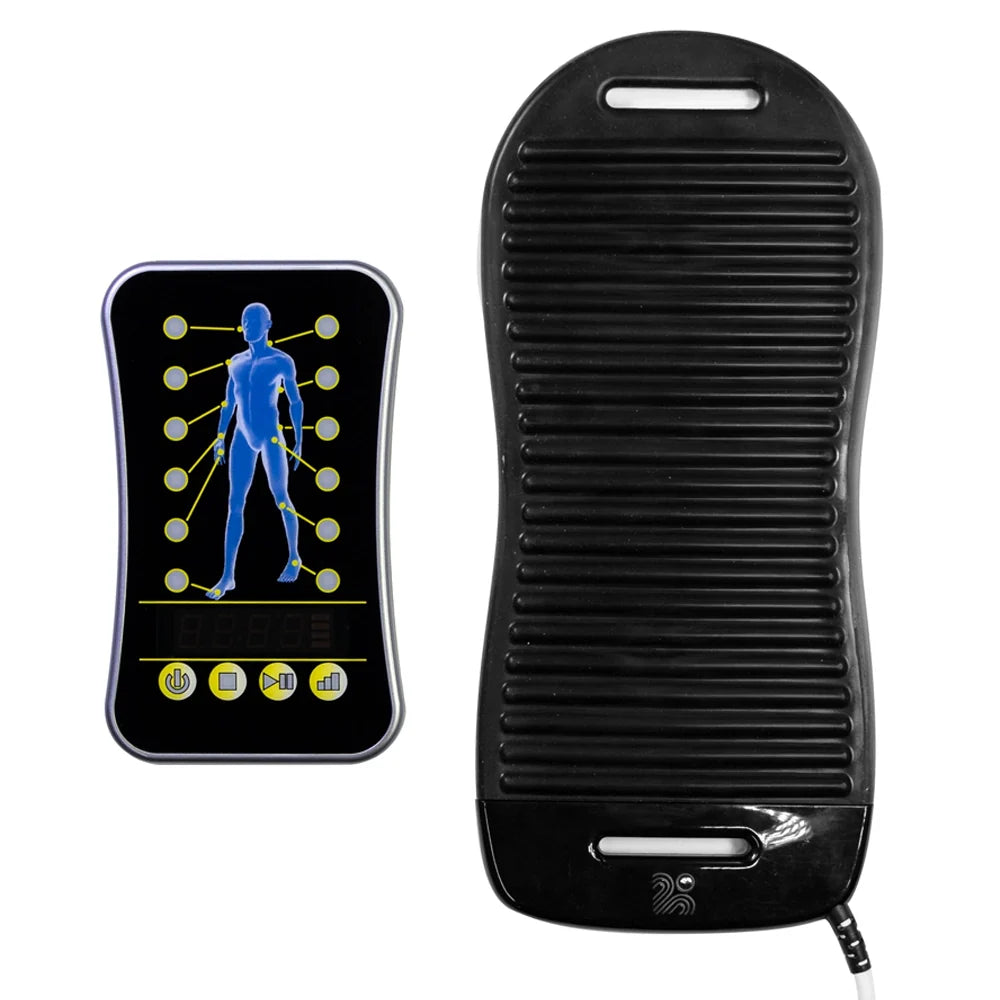
Peripheral neuropathy — whether it's diabetic, chemotherapy-induced, or idiopathic — tends to show up first in the hands and feet, and it tends to be chronic rather than a one-and-done injury. That combination is exactly what low-level laser therapy is built for: a treatment patients can tolerate repeatedly, that doesn't add a systemic medication to the pile, and that a clinic can deliver in a controlled, repeatable way. BIOFLEX's flexible pads and focal probes are designed to conform to hands, feet, and lower legs, which is a practical fit for a condition that's rarely confined to a single flat treatment site.
How BIOFLEX fits into a neuropathy protocol
In practice, a neuropathy protocol with BIOFLEX usually combines the focal probe for concentrated work over specific nerve distributions with the larger flexible pads laid across the broader affected area — the top of the foot, the sole, or along the lower leg. Because the system runs a programmed protocol largely hands-free, a clinic can treat a patient's feet while staff attends to other tasks, and because there's minimal heat generated, patients with reduced sensation (a hallmark of neuropathy) aren't at risk of a thermal burn they might not feel coming. Sessions are typically part of a course delivered a few times a week rather than a single visit, since nerve tissue responds to a cumulative course of treatment rather than one exposure.
BIOFLEX vs other neuropathy management options
| Option | How it works | Session experience | Ongoing cost | HSA/FSA eligible |
|---|---|---|---|---|
| BIOFLEX laser therapy | Low-level laser/LED arrays, mostly photochemical, minimal heat | Comfortable, hands-free, 20-30+ min | One-time equipment purchase, no per-session fee once owned | Yes, with documentation |
| Generic at-home LLLT device | Similar low-level light mechanism, smaller output and coverage | Self-administered, smaller treatment area per pass | Lower upfront cost, may need longer sessions for the same coverage | Varies by product |
| TENS unit | Electrical nerve stimulation, blocks pain signaling | Tingling sensation, worn during use | Low upfront cost, consumable pads over time | Yes, with documentation |
| Oral neuropathy medication | Systemic nerve pain medication, prescribed and monitored by a physician | No session — daily dosing, potential side effects | Ongoing prescription cost, typically covered by insurance | Yes, as a prescription |
This table describes general categories of neuropathy management, not a head-to-head clinical ranking. Any medication decision should be made with a physician. Prices reflect current Your Health Sanctuary listings for BIOFLEX and can change — confirm the latest pricing on each product page.
Who BIOFLEX tends to help most
BIOFLEX fits best for patients who want a non-drug option they can stick with over the weeks a nerve condition takes to respond, and for clinics that want to offer that option without tying up a staff member's hands for the whole session. It's also a reasonable fit for patients with reduced sensation in the feet, since the low-heat delivery doesn't carry the same burn risk a warming Class IV laser or a heating pad would. Where BIOFLEX is a poor fit is as a stand-alone answer to an undiagnosed nerve symptom — neuropathy has a lot of possible causes, and any laser protocol should sit inside a diagnosis and plan from a physician, not replace one.
When a simpler option is enough
Not everyone with occasional, mild tingling needs a full clinical laser system. If symptoms are intermittent and mild, a generic at-home LLLT device or a TENS unit may be all that's needed for now. The number one mistake we see is buyers shopping by price first instead of weighing the short- and long-term picture — a cheaper device that under-delivers on coverage or output can mean months of inconsistent relief, while the right tool, sized to the actual condition, can mean years of manageable symptoms instead of a drawer full of gadgets that didn't quite work. Do the research, match the tool to the severity of what you're treating, and buy it once.
What the evidence says (in plain language)
There's a meaningful body of clinical research on low-level laser therapy for neuropathic pain, generally showing it can reduce pain scores and, in some studies, improve nerve conduction measures over a course of treatment. The research base is strongest for diabetic peripheral neuropathy specifically. We're intentionally not citing specific study numbers here — dosing, treatment area, and the type of neuropathy vary enough between studies that pointing to one citation can create a false sense of precision. The honest summary: the evidence supports laser therapy as a reasonable adjunct for neuropathic pain, delivered consistently over a real course of treatment, not as a guaranteed cure delivered in a single session.
HSA/FSA eligibility
BIOFLEX systems are generally HSA- and FSA-eligible when used to treat a diagnosed condition like peripheral neuropathy, typically with a provider recommendation or Letter of Medical Necessity. For a clinic, the system is a business asset; for an individual considering a personal BIOFLEX P180, the HSA/FSA route can meaningfully offset the cost. See our full breakdown in HSA/FSA eligible cold laser therapy.
Our take
Justin has met BIOFLEX's leadership directly — both the previous CEO and the current one — because that's where you get real information about how a system actually performs instead of sales jargon, and he's adding the BIOFLEX P180 to his own setup this year. That same standard applies here: Your Health Sanctuary sells primarily to chiropractors and medical professionals who need equipment that holds up to daily clinical use, not a novelty gadget. For a chronic, hands-and-feet condition like neuropathy, that durability and repeatability is exactly what matters over the months a real protocol takes.
Recommended BIOFLEX systems for neuropathy protocols
Two systems in the line cover most neuropathy caseloads:
- BIOFLEX MiniPort Professional — a focused system sized well for hands, feet, and lower-leg neuropathy work in a solo or small practice.
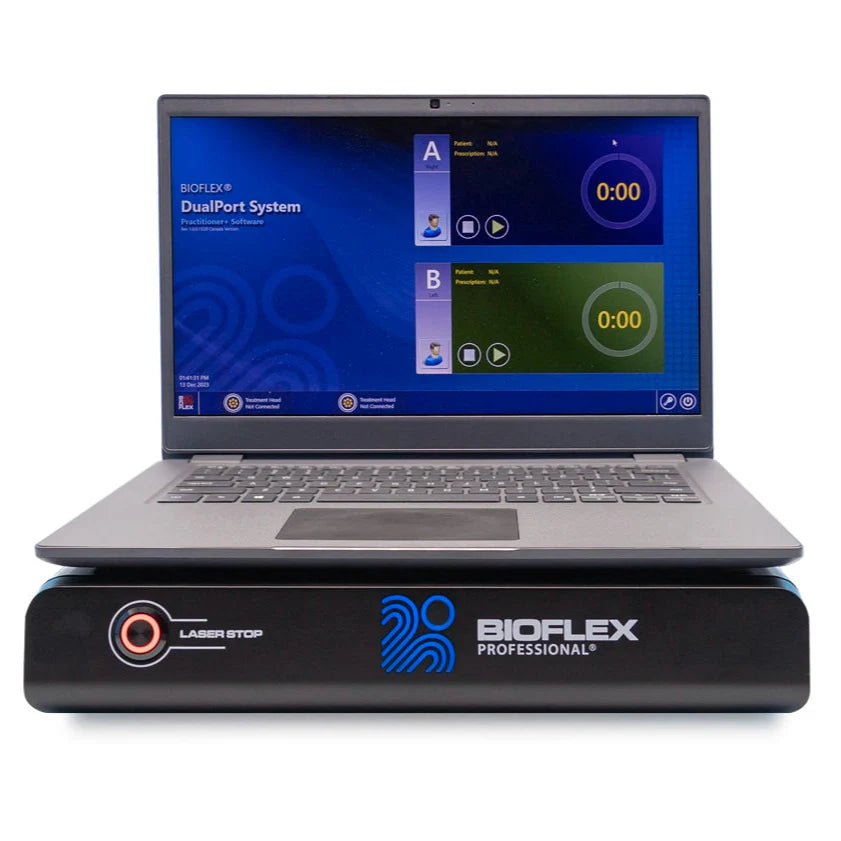
- BIOFLEX MultiPort System — the flagship multi-zone system for practices treating a higher volume of neuropathy and other chronic-pain patients.
Not Sure Which BIOFLEX System Fits Your Caseload?
Talk to a therapy specialist about your patient volume and treatment areas before you buy. Call (612) 360-2490.
Shop BIOFLEX MultiPort System Shop BIOFLEX MiniPort ProfessionalAbout the author
Justin Webster — Business Consultant & Founder, Your Health Sanctuary. Justin Webster is the owner of Your Health Sanctuary. Before founding his consulting company, he served as COO of a chain of 13 medical clinics, then spent his career helping build more than 20 additional niche medical clinics across the United States. Working alongside MDs, chiropractors and physical therapists introduced him to the clinical-grade equipment that practitioners actually prescribe. That background, combined with direct relationships with manufacturers including HealthLight and BIOFLEX, shapes how Your Health Sanctuary evaluates and recommends recovery technology. Justin personally owns and uses the HealthLight General Pain Relief Kit. Your Health Sanctuary sells primarily to medical professionals and clinicians, not consumer gadget buyers.
Related reading
For a broader look at laser therapy and neuropathic pain, see our guide to cold laser therapy for neuropathy, and for how BIOFLEX compares to a leading Class IV competitor, see BIOFLEX vs K-Laser.
Frequently asked questions
Does BIOFLEX help with neuropathy?
BIOFLEX low-level laser therapy is used as part of neuropathy treatment protocols to help manage nerve pain, delivered as a course of treatment rather than a single session. It works best as part of a broader plan set with a physician, not as a stand-alone diagnosis-free treatment.
How many BIOFLEX sessions does neuropathy usually need?
Neuropathy protocols are typically delivered several times a week over a course of weeks, since nerve tissue responds to cumulative, consistent treatment rather than a one-time exposure. Your provider will set the exact schedule based on your specific case.
Is BIOFLEX safe for feet with reduced sensation from neuropathy?
BIOFLEX's low-level laser delivery generates minimal heat, which is part of why it's used for patients with reduced sensation — there isn't the same burn risk you'd have with a warming Class IV laser or a heating pad. That said, any device should be used under appropriate clinical guidance for patients with significant sensation loss.
Is BIOFLEX laser therapy for neuropathy HSA/FSA eligible?
Yes. BIOFLEX systems are generally HSA- and FSA-eligible when used to treat a diagnosed condition like peripheral neuropathy, with documentation such as a provider recommendation or Letter of Medical Necessity.
Which BIOFLEX system is best for treating neuropathy in the hands and feet?
The BIOFLEX MiniPort Professional is sized well for focal hands-and-feet work in a solo or small practice, while the BIOFLEX MultiPort System suits practices treating a higher volume of neuropathy and chronic-pain patients across multiple treatment areas at once.
Can BIOFLEX replace medication for neuropathy?
No. BIOFLEX is generally used as an adjunct to a physician-directed treatment plan, not a replacement for prescribed medication. Any change to a medication plan should be made with the prescribing physician.
%20is%20one%20of%20...)