

BIOFLEX vs LightForce: Cold Laser vs Class IV Laser, Compared (2026)
If you run a clinic and you're weighing BIOFLEX vs LightForce, you're really comparing two different philosophies of laser therapy. BIOFLEX uses a large-array, low-level (often called "cold") laser approach, while LightForce is a high-power Class IV therapeutic laser. Both can reduce pain and support tissue recovery — but they get there in different ways, and the right choice depends on your patients, your treatment style, and your budget. This guide breaks down the real BIOFLEX vs LightForce differences so you can buy the right tool once instead of twice.
A quick note on where we stand: at Your Health Sanctuary we sell clinician-grade equipment to chiropractors and medical professionals — the tools practices actually use, not consumer gadgets. We carry the BIOFLEX line and we do not sell LightForce, so we've worked to keep this comparison honest about where each system genuinely wins.

The core difference: low-level laser vs Class IV laser
The simplest way to understand BIOFLEX vs LightForce is by how each delivers light into tissue.
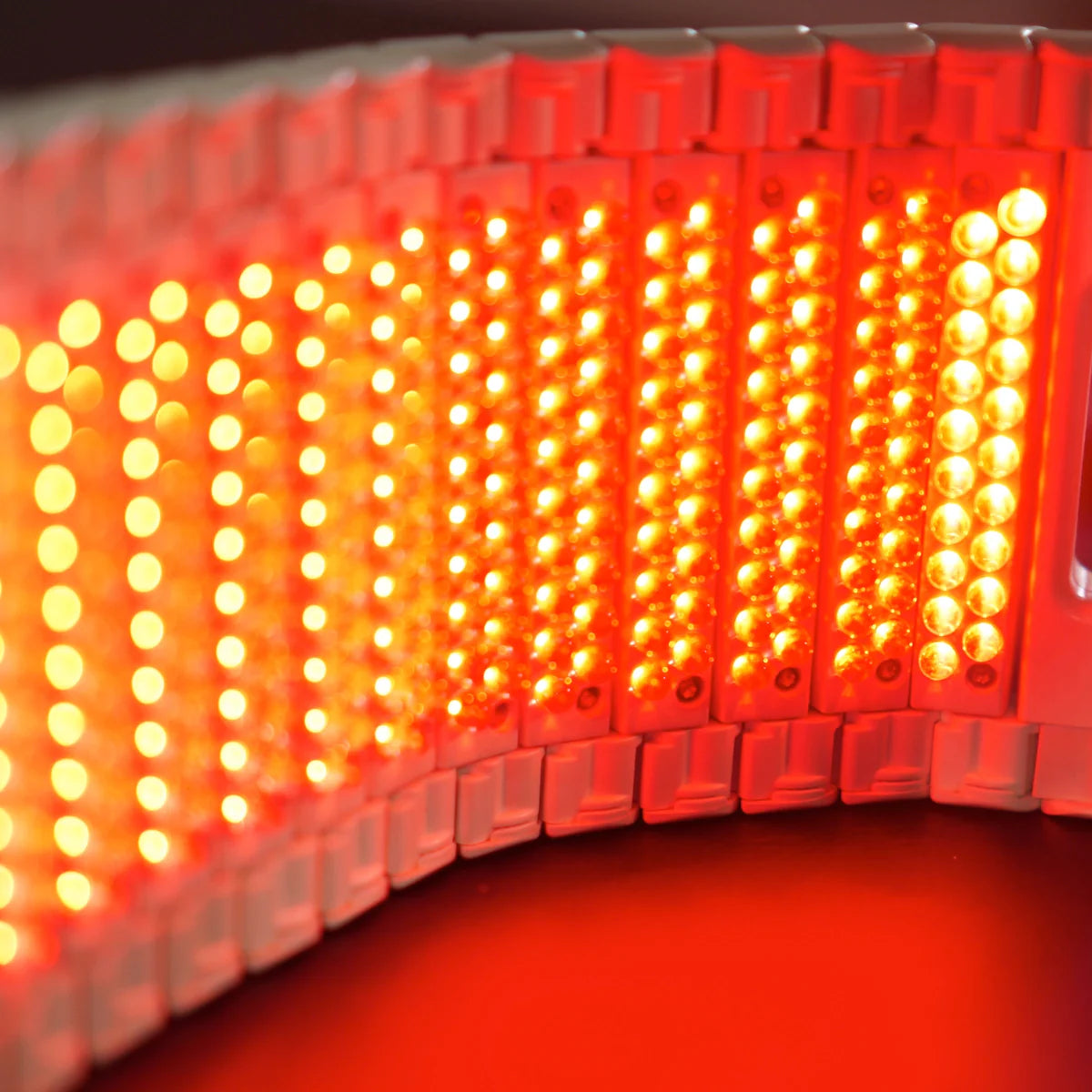
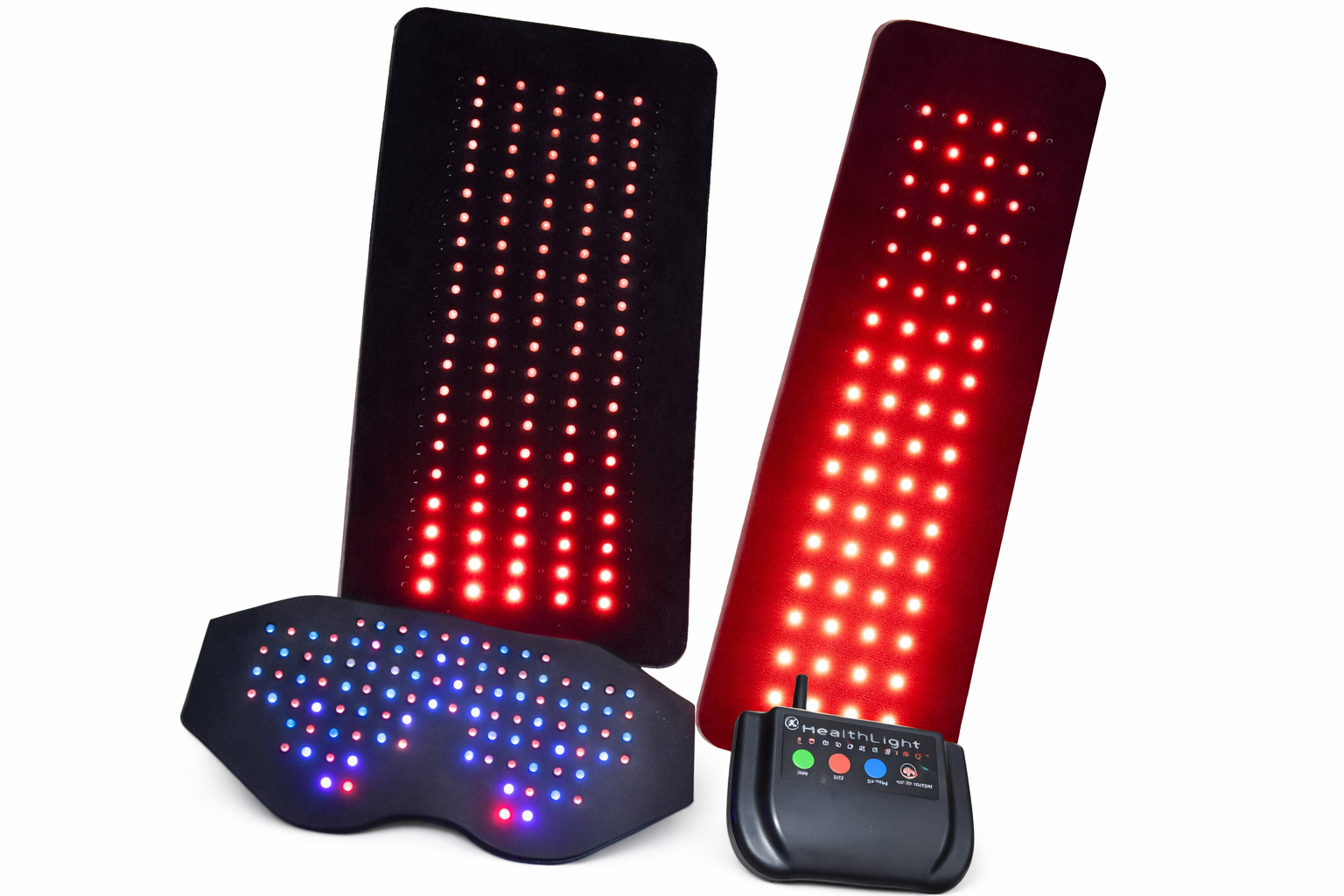
BIOFLEX is a low-intensity laser therapy (LLLT) system. It combines arrays of red and infrared laser and LED diodes built into flexible pads, plus a hand-held probe for focal points. Because the energy is spread across a large surface at lower power, the dominant effect is photochemical — light is absorbed by cells to support their natural recovery processes — with very little heat. Treatments are typically hands-free: the pads are placed on the patient and run a programmed protocol.
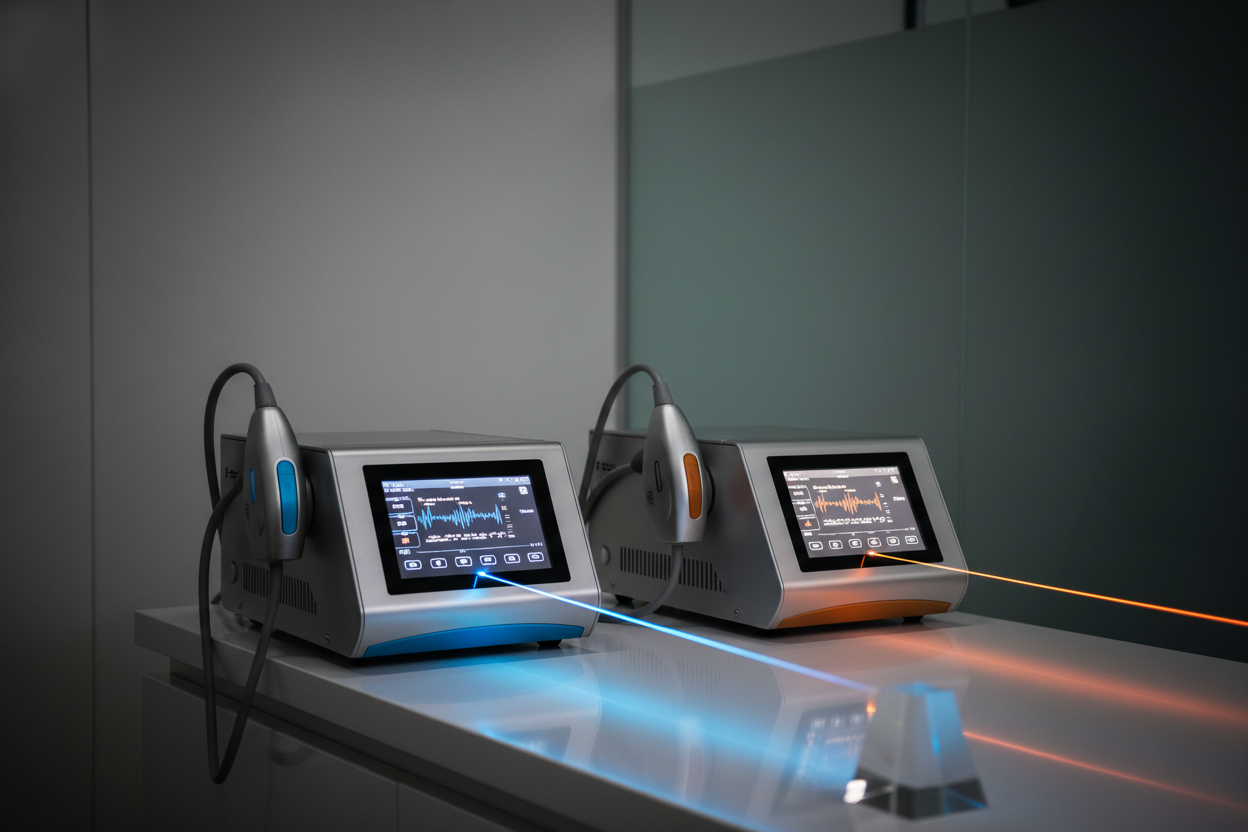
LightForce (a Class IV therapeutic laser line from the Chattanooga/DJO family) takes the opposite approach. It concentrates much higher power into a hand-held applicator that the clinician moves continuously over the tissue. The higher power produces a noticeable deep-heating (photothermal) effect alongside the photochemical one, which is why Class IV sessions are often short and very "active" for the therapist.
Neither approach is universally better. Higher power means speed and depth; lower power across a bigger array means comfort, repeatable dosing, and hands-free delivery. That trade-off is the heart of the decision.
BIOFLEX vs LightForce comparison table
| Factor | BIOFLEX (low-level laser) | LightForce (Class IV laser) |
|---|---|---|
| Laser approach | Low-level multi-diode arrays (LLLT) | High-power Class IV therapeutic laser |
| Primary mechanism | Mostly photochemical, minimal heat | Photothermal (deep heating) + photochemical |
| Delivery | Hands-free flexible pads + focal probe | Hand-held applicator, therapist moves it continuously |
| Treatment feel | Gentle, comfortable, longer programmed sessions | Warm, fast, hands-on sessions |
| Best for | Protocol-driven, large-area, chronic and sensitive cases; patient comfort | Fast deep-tissue work, large muscle groups, busy sports/PT clinics |
| YHS price range | P180 personal $5,395; MiniPort Professional $18,200; Dualport $27,879; MultiPort $34,240 | Not sold by YHS; clinical Class IV systems are typically a high four- to five-figure purchase |
| Path to home use | Yes — BIOFLEX P180 brings the same family of technology home | Clinic-only; not intended for unsupervised home use |
| HSA/FSA eligible | Yes, with provider recommendation / Letter of Medical Necessity | Generally yes as a medical device with documentation |
| Who picks it | Chiropractors and rehab clinics wanting repeatable, hands-free dosing | PT and sports-medicine clinics wanting speed and depth |
Prices reflect current Your Health Sanctuary listings and can change — confirm the latest pricing on each product page.
Who should choose BIOFLEX
BIOFLEX tends to be the better fit when you want consistent, repeatable dosing without tying up a clinician's hands for every minute of treatment. The flexible pad arrays wrap around a joint or sit along the spine and run a set protocol, so a single staff member can manage multiple steps efficiently. It's a comfortable, low-heat experience, which matters for older patients, post-acute cases, and anyone sensitive to the warmth of a high-power laser. The line also scales: a smaller practice can start with the BIOFLEX MiniPort Professional and step up to the BIOFLEX MultiPort System as volume grows, and patients can even continue care at home with the P180.
Who should choose LightForce (Class IV)
A Class IV system like LightForce shines when speed and depth are the priority. If your practice is high-volume sports medicine or physical therapy, treating large muscle groups and acute athletic injuries, the higher power and short, hands-on sessions can move patients through quickly. Clinicians who like to palpate and treat dynamically — following the tissue with the applicator in real time — often prefer that tactile, active workflow. The trade-offs are the heat sensation, the hands-on time per patient, and the fact that it stays in the clinic.
When the more affordable option is enough
Not every practice needs a flagship system, and not every patient needs Class IV power. If you're a solo practitioner, just adding laser to your services, or you mainly treat focal chronic complaints, the MiniPort Professional often delivers what you need at a fraction of a MultiPort's cost. And for patients who want to extend care between visits, the BIOFLEX P180 personal system is a far more sensible buy than pushing them toward clinic-grade hardware. The most expensive option is only the "best" option if your case volume and treatment mix actually use it.
What the evidence says (in plain language)
Both low-level and high-power laser therapy have a real body of clinical research behind them for pain reduction and tissue recovery. In broad terms, the literature suggests that what matters most is getting an adequate, well-targeted dose of light into the tissue — not the brand on the housing. Low-level systems achieve that with larger arrays and longer exposure; Class IV systems achieve it with higher power over a shorter time. We deliberately avoid citing specific study numbers here, because dosing, body region, and condition vary so much that a single citation can mislead more than it informs. The honest takeaway: both modalities are well-supported, and fit-to-practice is what determines your results.
HSA/FSA eligibility
Laser therapy devices used to treat a diagnosed condition are generally HSA- and FSA-eligible when you have the right documentation — typically a provider recommendation or a Letter of Medical Necessity. This applies to BIOFLEX systems and to Class IV lasers alike. If you're a clinic, the device is a business asset; if you're an individual investing in a personal BIOFLEX P180, the HSA/FSA route can meaningfully lower the real cost. For a deeper walk-through, see our guide on HSA/FSA eligible cold laser therapy.
Our take
Justin has dealt with BIOFLEX's leadership directly for years — he prefers to work with the people at the top because that's where you get real information instead of sales jargon — and he thinks enough of the technology that he's adding the BIOFLEX P180 to his own setup this year. That's not a knock on Class IV lasers; LightForce is a capable system and the right call for plenty of busy sports clinics. It's simply why, when a practice asks us for a hands-free, comfortable, protocol-driven laser that can also follow patients home, BIOFLEX is what we stand behind. The bigger mistake we see buyers make isn't choosing the "wrong" brand — it's shopping by price first instead of weighing both the short- and long-term value. Do the research, match the tool to your patients, and buy it once.
Related reading
If you're researching cold laser for specific conditions, our clinical guide on BIOFLEX for fibromyalgia and our breakdown of HSA/FSA eligible cold laser therapy are good next stops.
Frequently asked questions
Is BIOFLEX or LightForce better?
Neither is universally better. BIOFLEX (low-level laser) is better for hands-free, comfortable, protocol-driven treatment of chronic and sensitive cases, while LightForce (Class IV) is better for fast, deep-tissue treatment in high-volume sports and PT clinics. The right choice depends on your patients, your workflow, and your budget.
What is the difference between a Class IV laser and low-level laser therapy?
A Class IV laser like LightForce uses much higher power concentrated in a hand-held applicator, producing deep heating and very short sessions. Low-level laser therapy like BIOFLEX spreads lower power across large diode arrays, working mostly through a photochemical effect with minimal heat and hands-free delivery.
Does BIOFLEX use heat like a Class IV laser?
No. Because BIOFLEX delivers lower power across a large surface area, patients feel little to no heat. The therapeutic effect is primarily photochemical rather than thermal, which is part of why it's comfortable for sensitive and older patients.
Is BIOFLEX laser therapy HSA/FSA eligible?
Yes. BIOFLEX systems are generally HSA- and FSA-eligible when used to treat a diagnosed condition with the appropriate documentation, such as a provider recommendation or Letter of Medical Necessity. The same generally applies to Class IV lasers.
Can I use BIOFLEX at home?
Yes — the BIOFLEX P180 personal system brings the same family of technology into the home, which is a major advantage over clinic-only Class IV lasers. Clinical systems like the MultiPort and MiniPort Professional are designed for professional practice settings.
How much does a BIOFLEX system cost?
At Your Health Sanctuary, BIOFLEX pricing currently ranges from $5,395 for the P180 personal system up to $34,240 for the MultiPort System, with the MiniPort Professional ($18,200) and Dualport ($27,879) in between. Confirm current pricing on each product page.
Want Help Deciding Between BIOFLEX and LightForce?
Call a therapy specialist at (612) 360-2490 — we'll talk through your case mix honestly. Every product we carry is tested and trusted, and we stand behind the manufacturer warranties 100%.
Shop BIOFLEX MultiPort System Shop BIOFLEX MiniPort ProfessionalAbout the author
Justin Webster — Business Consultant & Founder, Your Health Sanctuary. Justin Webster is the owner of Your Health Sanctuary. Before founding his consulting company, he served as COO of a chain of 13 medical clinics, then spent his career helping build more than 20 additional niche medical clinics across the United States. Working alongside MDs, chiropractors and physical therapists introduced him to the clinical-grade equipment that practitioners actually prescribe. That background, combined with direct relationships with manufacturers including HealthLight and BIOFLEX, shapes how Your Health Sanctuary evaluates and recommends recovery technology. Justin personally owns and uses the HealthLight General Pain Relief Kit. Your Health Sanctuary sells primarily to medical professionals and clinicians, not consumer gadget buyers.
%20laser...)