
Best Red Light Therapy Devices for Home Use in 2026
The best red light therapy devices for home use in 2026 are not simply the brightest or the most expensive. The right choice depends on what you want to improve, how often you will use the device, and whether the form factor actually matches your body area, recovery routine, and safety needs.
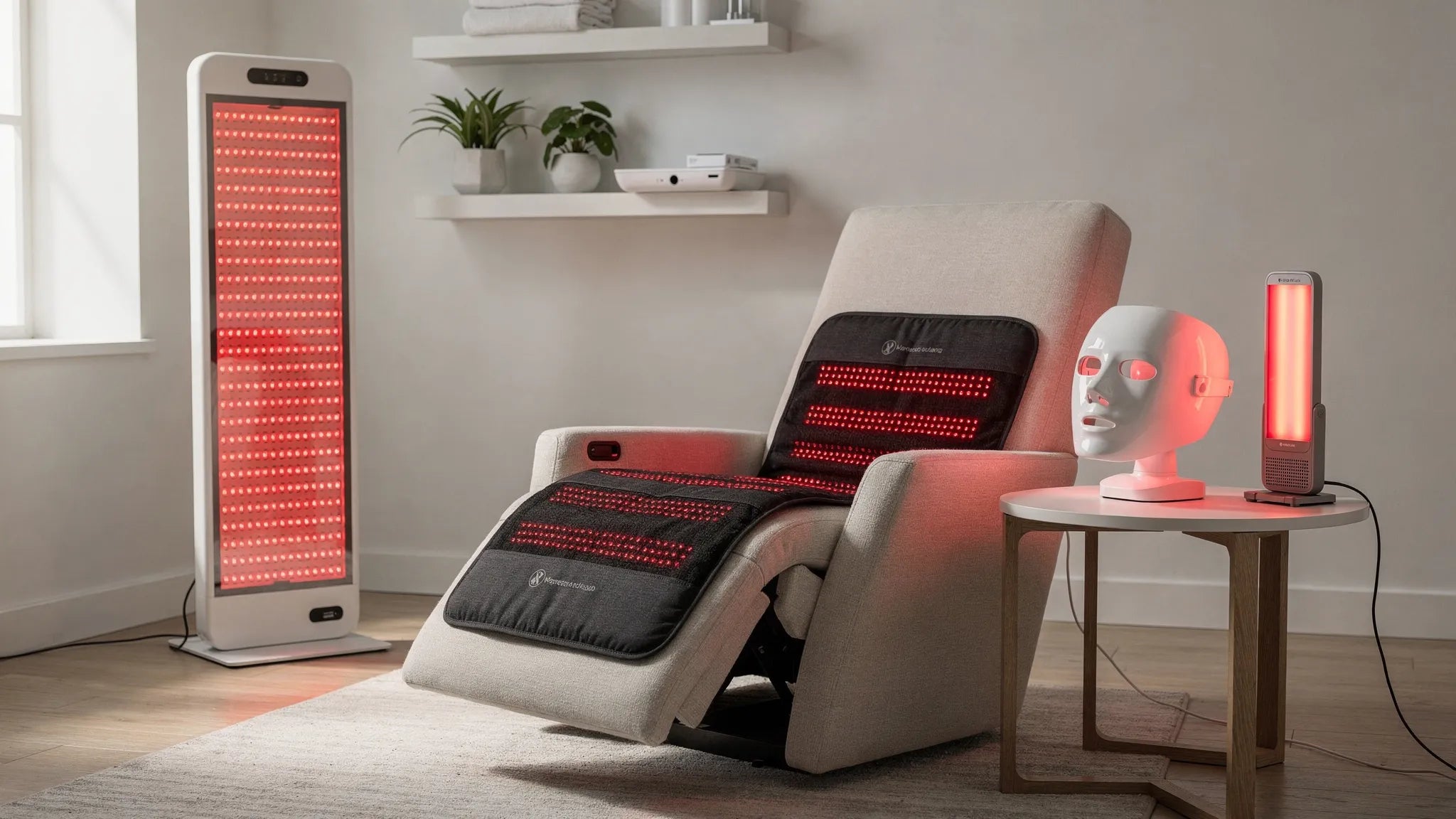
For most home users, the decision comes down to one of five categories: a flexible pad for targeted pain, a larger panel for broad recovery and wellness, a mask for facial skin care, a compact starter lamp for small areas, or a clinician-grade system for more serious therapeutic use. Below, we will compare the best options, the specs that matter, and the mistakes to avoid before you invest.
Quick answer: the best home red light therapy devices in 2026
| Best pick | Best for | Why it stands out | Consider another option if |
|---|---|---|---|
| HealthLight Ultimate Body Kit | Targeted pain, joints, back, recovery | Flexible red and near-infrared pads for direct body contact and therapeutic home use | You only want facial skin care |
| TheraFace Mask | Facial skin, acne support, fine lines | FDA-cleared wearable mask with red, near-infrared, blue light, and vibration therapy | You need body or joint treatment |
| Large dual-wavelength red/NIR panel | Full-body wellness, athletic recovery, general inflammation support | Covers more surface area in one session and works well for consistent routines | You need a device that wraps around knees, shoulders, or feet |
| Flexible red light therapy pad | Knee, shoulder, low back, foot, hand, and neck discomfort | Conforms to curved body areas and keeps light close to the target tissue | You want one device for large standing sessions |
| Compact tabletop panel or lamp | Beginners, small treatment zones, limited space | Easier entry point and simpler setup | You are treating multiple areas daily |
| BIOFLEX MultiPort or similar professional PBM system | Clinician-guided home or clinic use | More advanced photobiomodulation workflow for serious users | You want a casual plug-and-play wellness device |

What red light therapy actually does
Red light therapy, also called photobiomodulation, uses specific wavelengths of red and near-infrared light to interact with cells. The best-studied mechanism involves light absorption by mitochondrial chromophores, especially cytochrome c oxidase, which may influence ATP production, nitric oxide signaling, oxidative stress, and inflammatory pathways. A widely cited photobiomodulation review explains why wavelength, dose, and tissue target all matter.
For home use, that means device quality matters. A decorative red bulb, a generic heat lamp, and a therapeutic red light device are not the same thing. The goal is not to feel heat. The goal is to deliver a usable light dose to the right tissue, consistently, without making exaggerated medical claims.
Most effective home devices use some combination of:
- Red light around 630-660 nm for skin, superficial circulation, and surface tissues.
- Near-infrared light around 810-850 nm for deeper muscles, joints, and recovery applications.
- Blue light around 415 nm in some facial masks for acne-related use, although blue light is not red light therapy.
If you want a deeper primer before buying, see our guide to red light therapy at home setup and best results.
How we chose the best red light therapy devices for home use
A good home device should be effective enough to justify daily or weekly use, but simple enough that you will actually use it. In 2026, the strongest buying criteria are not social media popularity or maximum wattage. They are wavelength transparency, irradiance data, coverage, treatment fit, safety documentation, and support.
| Buying factor | What to look for | Why it matters |
|---|---|---|
| Wavelengths | Red around 630-660 nm and near-infrared around 810-850 nm | These are the most common therapeutic ranges for skin, pain, and recovery goals |
| Irradiance | Disclosed power density at a real treatment distance, often listed in mW/cm2 | Helps estimate how much light reaches the treatment area |
| Dose guidance | Clear session timing and distance instructions | Too little may not work, while too much can be counterproductive |
| Treatment area | Pad, panel, mask, handheld, or full-body format | The best device is the one that matches the body area you need to treat |
| FDA status | FDA clearance for relevant claims when applicable | Clearance supports safety and claim review, but it is model-specific |
| Build quality | Warranty, low EMF testing, durable LEDs, reliable power supply | Better devices are safer, more consistent, and more likely to last |
| Support | Clear specs, responsive service, and help choosing the right format | Home buyers often need guidance on sizing, protocols, and realistic expectations |
More light is not always better. Photobiomodulation follows a biphasic dose response, meaning an underdose may do little, while an excessive dose may reduce the benefit. This has been discussed in the research on biphasic dose response in low-level light therapy, and reaffirmed in a 2025 systematic review (Photobiomodulation, Photomedicine, and Laser Surgery) covering 47 home and clinical PBM device studies. For home users, this is why manufacturer instructions and consistent tracking matter.
Best overall home therapeutic system: HealthLight Ultimate Body Kit
For home users who want a therapeutic device for pain, recovery, inflammation support, and targeted body areas, the HealthLight Ultimate Body Kit is one of the most practical categories to consider. Unlike a rigid panel that requires you to stand or sit at a specific distance, flexible therapy pads can be positioned directly over the low back, shoulder, knee, hip, foot, hand, or neck.
This is especially useful if your main goal is localized relief. A large panel can cover broad areas, but it may not fit neatly around a joint or curved surface. A flexible pad solves that problem by keeping the light source close to the body area you actually care about.
Best for: chronic sore spots, athletic recovery, joint stiffness, back discomfort, targeted inflammation support, and users who want clinic-style therapy at home.
Why it makes sense in 2026: more home buyers are moving away from generic panels and toward devices that match a specific use case. If you have one or two problem areas, targeted delivery is often more convenient than treating your whole body every time.
What to check before buying: confirm the included pad sizes, wavelengths, power specifications, warranty, and whether the specific model has FDA clearance for the claims you care about. FDA clearance is not a brand-wide statement, so always verify the exact device.
For a deeper comparison of therapeutic device tiers, read our guide to medical-grade red light therapy vs consumer devices.
Best facial red light device: TheraFace Mask
If your primary goal is facial skin care, the TheraFace Mask is the most focused choice. Based on the device information available in our TheraFace coverage, it is FDA cleared and combines 630 nm red light, 850 nm near-infrared light, 415 nm blue light, and 40 Hz vibration therapy in a wearable format.
The biggest advantage is compliance. Facial panels can work, but many people stop using them because they have to sit still, position the device correctly, and track distance. A wearable mask simplifies that process. For skin care, consistency is often more important than chasing the strongest possible device.
Best for: facial fine lines, skin texture, post-breakout recovery, redness-prone skin routines, and acne support when using blue light mode.
Not ideal for: back pain, knee pain, muscle recovery, body composition goals, or full-body wellness. A facial mask is a highly specific tool, not a substitute for a body panel or therapeutic pad.
If FDA status is an important part of your purchase decision, review our explanation of FDA-cleared red light therapy devices. You can also verify device clearances through the official FDA 510(k) database.
Best for full-body recovery: a large dual-wavelength panel
A high-quality red and near-infrared panel is a smart choice if you want broad exposure for general recovery, wellness, and athletic routines. Panels are popular because they cover more surface area than handheld devices, making them efficient for legs, back, torso, and full-body sessions.
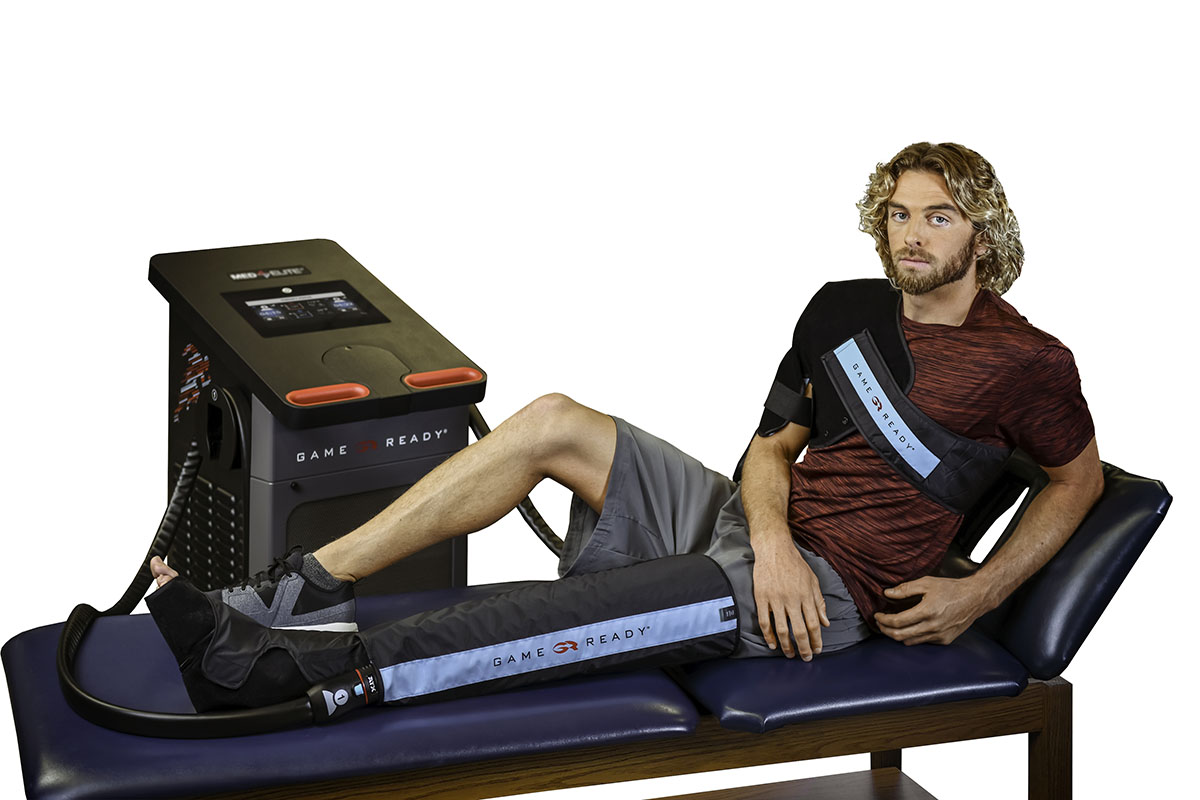
For athletic households, a panel can fit well into a broader recovery stack that includes mobility work, compression therapy, and percussion massage. It can be used after training, on rest days, or as part of a morning wellness routine. If you are creating a performance brand or outfitting a studio, recovery technology is only one part of the ecosystem; technical apparel also affects comfort, movement, and heat management, which is why brands often work with specialists in activewear development and manufacturing when building recovery-minded product lines.
When choosing a panel, do not buy based on size alone. Look for disclosed wavelengths, usable irradiance at the recommended distance, low EMF data, cooling quality, warranty, and a realistic treatment protocol. A very powerful panel without clear dosing guidance can be harder to use well than a moderate panel with transparent specifications.
Best for: athletes, active families, general inflammation support, broad muscle recovery, and users who want one device for multiple body areas.
Not ideal for: small joints, facial use while multitasking, or people with limited space. Panels need room, positioning, and consistent setup.
For more panel-specific criteria, see our guide to choosing the best red light therapy panels.
Best for joint and back pain: flexible red light therapy pads
If you are buying red light therapy for pain relief, form factor becomes extremely important. A pad that wraps around or rests directly over the target area is often easier to use for knees, shoulders, elbows, feet, hands, hips, and the low back.
Pads are also practical for people who want to use therapy while lying down or relaxing. They reduce the guesswork around distance because the LEDs are close to the treatment area. This can be especially helpful for older adults, post-exercise recovery routines, and people who want targeted sessions without setting up a panel.
Best for: localized pain patterns, joint stiffness, tendon irritation, low back tightness, plantar fascia discomfort, and targeted recovery.
Not ideal for: whole-body wellness sessions or users who want to treat the entire front and back of the body quickly.
Red and near-infrared therapy is not a magic pain cure, and it should not replace medical evaluation for new, severe, radiating, or unexplained pain. But as an adjunct, many users choose it because it is noninvasive, drug-free, and easy to combine with physical therapy, movement, compression, and other recovery tools. You can learn more in our complete guide to red light therapy for pain relief.
Best starter option: compact tabletop panel or red light lamp
A compact tabletop panel or lamp can be a good first device if you are curious about red light therapy but not ready for a larger investment. These devices work best for small treatment zones, such as the face, hands, forearms, neck, or a single sore area.
The tradeoff is coverage. A small lamp may be affordable and easy to store, but treating multiple areas can become time-consuming. If you already know you want to treat your back, both legs, shoulders, and abdomen, a small device may feel limiting within a few weeks.
Best for: beginners, small areas, travel-friendly routines, and users who want to test consistency before upgrading.
Not ideal for: full-body recovery, chronic multi-site pain, or households with multiple users.
Before buying, make sure the product is not just a red-colored bulb. It should disclose therapeutic wavelengths, usage distance, session timing, and safety guidance. If a listing only says infrared heat lamp or red glow, it may not be the same thing as a true photobiomodulation device.
Best clinician-grade upgrade: BIOFLEX MultiPort or similar PBM systems
Some buyers are not looking for a casual wellness panel. They are looking for a more structured photobiomodulation system for serious chronic pain, neuropathy, clinical use, or clinician-guided home therapy. In those cases, a professional system such as the BIOFLEX MultiPort System may be worth considering.
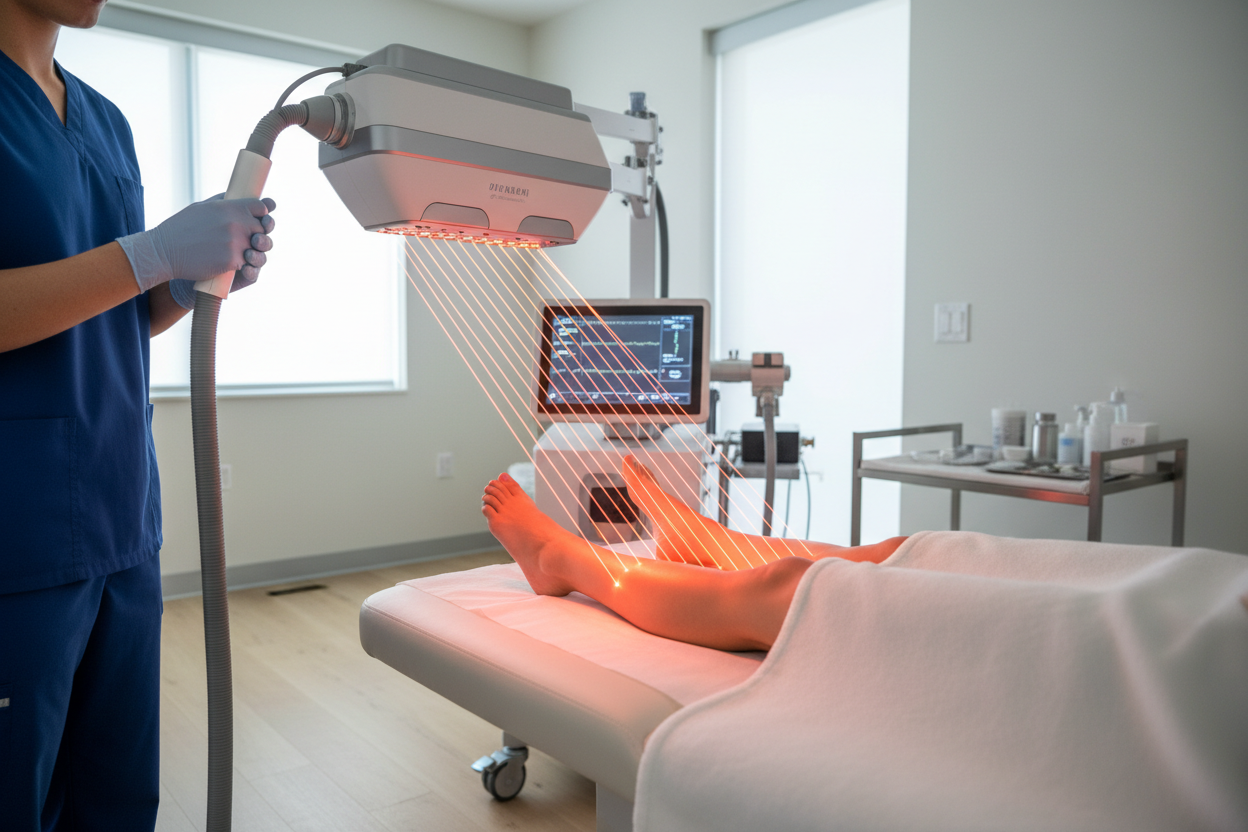
This category is different from consumer red light therapy. Professional PBM systems often involve more sophisticated treatment workflows, multiple emitters, more advanced protocols, and greater emphasis on clinical guidance. They may be excellent for clinics or serious users, but they are not the best first purchase for someone who simply wants a 10-minute daily wellness routine.
Best for: clinics, practitioners, clinician-guided home users, complex pain cases, neuropathy-focused protocols, and buyers who want professional support.
Not ideal for: casual wellness users, small apartments, or buyers who want the lowest-cost option.
If you are comparing LED red light therapy with laser-based photobiomodulation, the key difference is not simply power. It is delivery method, precision, treatment area, protocols, and use case.
Which device type should you choose by goal?
| Goal | Best home device type | Why |
|---|---|---|
| Facial skin care | FDA-cleared LED mask or small facial panel | Designed for consistent face positioning and skin-focused wavelengths |
| Acne support | LED mask with blue light mode | Blue light is commonly used for acne-related indications in cleared facial devices |
| Low back or joint discomfort | Flexible red/NIR therapy pad | Direct contact and better contouring over curved areas |
| Athletic recovery | Large red/NIR panel or flexible pad | Panels cover broad muscles, pads target problem areas |
| Weight loss support | Large panel or body pad used alongside exercise and nutrition | Red light may support body composition routines, but it is not a standalone fat-loss solution |
| Neuropathy support | Clinician-guided red/NIR or PBM system | Nerve-related symptoms deserve medical oversight and careful protocol selection |
| General wellness | Large panel or compact panel | Easier to build into a repeatable routine |
For weight loss goals, be especially realistic. Red light therapy may support a broader body composition program by helping with recovery, inflammation, sleep routines, and exercise consistency, but it should not be treated as a replacement for nutrition, strength training, and movement. For a more complete breakdown, read our guide to red light therapy for weight loss devices and expectations.
A simple home protocol for 2026
Always follow the instructions for your specific device. That said, most home users do best with a conservative, trackable routine rather than random long sessions.
For skin care, many people use red light 3-5 times per week, or daily if the device instructions are designed for that frequency. Facial masks often have short fixed sessions, such as 10 minutes, which makes adherence easier.
For pain, recovery, and joints, a common starting point is 10-20 minutes per treatment area, 3-5 times per week, for at least 4-8 weeks. If you are treating multiple areas, rotate rather than doubling every session length. More time is not automatically better.
For athletic recovery, consider using red light after training or on rest days. Some users prefer pre-workout sessions for warm-up and mobility, while others prefer post-workout sessions for recovery. Track soreness, stiffness, range of motion, and sleep quality so you can tell whether the device is helping.
Safety notes before using red light therapy at home
Red and near-infrared light therapy is generally well tolerated when used correctly, but it is still an active therapeutic modality. Use eye protection when recommended, avoid staring directly into LEDs, and follow distance and timing instructions.
Speak with a qualified clinician before using red light therapy if you are pregnant, have active cancer or a history of cancer in the treatment area, have a serious eye condition, take photosensitizing medications, have uncontrolled medical conditions, or are recovering from surgery and have not been cleared for adjunct therapies.
Stop using the device and seek medical guidance if symptoms worsen, if pain becomes sharp or radiating, or if you notice unusual skin reactions. Home devices are best used as part of a thoughtful recovery plan, not as a way to delay necessary medical care.
Common buying mistakes to avoid
The most common mistake is buying the device with the biggest marketing claims rather than the device that matches your goal. A facial mask will not solve whole-body recovery needs. A tiny handheld device may be frustrating for back pain. A powerful panel may be unnecessary if all you want is targeted knee therapy.
Also avoid choosing based only on wattage. Wattage tells you how much electricity the device consumes, not exactly how much therapeutic light reaches your tissue. Instead, look for wavelength, irradiance at a stated distance, treatment area, safety documentation, and clear instructions.
Finally, do not ignore support. Red light therapy devices are not disposable gadgets. A good retailer should help you compare options, understand specs, choose the right size, and use the device safely.
Frequently Asked Questions
What is the best red light therapy device for home use in 2026? The best overall device depends on your goal. For targeted pain and recovery, a flexible red and near-infrared pad such as the HealthLight Ultimate Body Kit is often more practical. For facial skin care, the TheraFace Mask is a strong dedicated option. For whole-body wellness, choose a high-quality dual-wavelength panel.
Are home red light therapy devices as strong as clinic devices? Some home devices are effective, but clinic systems may offer stronger output, more advanced protocols, larger treatment coverage, or laser-based delivery. Home devices are best for consistency and maintenance, while clinics may be better for complex conditions or supervised care.
What wavelengths should I look for? Most buyers should look for red light around 630-660 nm and near-infrared light around 810-850 nm. Red light is commonly used for skin and superficial tissues, while near-infrared light is often preferred for deeper muscles and joints.
Do I need an FDA-cleared red light therapy device? FDA clearance is not required for every wellness use, but it matters when a device makes specific medical or therapeutic claims. If you are buying for pain, acne, neuropathy, or post-surgical support, model-specific FDA clearance and clinician guidance become more important.
How long does it take to see results from red light therapy at home? Some users notice relaxation or soreness changes within a few sessions, but skin, pain, and recovery outcomes usually require consistent use for 4-8 weeks. Chronic issues may take longer, and results depend on dose, device quality, lifestyle, and the underlying condition.
Can red light therapy help with weight loss? It may support a weight-loss program by improving recovery, consistency, inflammation management, and body composition routines, but it is not a standalone fat-loss treatment. Nutrition, strength training, sleep, and daily activity remain the foundation.
Are home red light therapy devices HSA/FSA eligible? Yes — the HealthLight Ultimate Body Kit, TheraFace Mask, and BIOFLEX MultiPort System are FDA-cleared medical devices and HSA/FSA-eligible for documented conditions like chronic pain, post-surgical recovery, or acne when prescribed by a physician. A Letter of Medical Necessity is typically required, converting the pre-tax purchase to roughly 26-40% in real tax savings depending on your tax bracket.
Need help choosing the right home red light therapy device?
Your Health Sanctuary curates professional-grade recovery and wellness devices for home use, including red light therapy, compression therapy, and percussion therapy tools. Our focus is simple: clinic-trusted brands, detailed product specs, fair pricing, free shipping, price match support, flexible financing options, and responsive guidance before and after your purchase.
If you are unsure whether you need a panel, pad, mask, or professional PBM system, start with your goal and the body area you want to treat most often. Then choose the device you will use consistently, safely, and correctly. That is what turns red light therapy from a gadget into a practical home recovery tool.
Talk to Justin's Team Before You Buy
Not sure which device fits your goal? Compare the HealthLight Ultimate Body Kit, TheraFace Mask, and BIOFLEX MultiPort System with a real recovery specialist — no pressure, no upsell, just honest sizing and protocol guidance.
Shop HealthLight Ultimate Body Kit → Speak with Justin's Team: (612) 360-2490All three devices are HSA/FSA eligible with a Letter of Medical Necessity from your physician — for documented chronic pain, post-surgical recovery, acne, or neuropathy, LMN approval is routine and the pre-tax purchase converts to roughly 26–40% in real tax savings depending on your tax bracket.
Ready to Upgrade Your Recovery?
The equipment referenced in this guide, in stock and ready to ship. Many products qualify for HSA/FSA — call us to confirm eligibility for your situation.
Questions? Talk to our recovery specialists: (612) 360-2490