

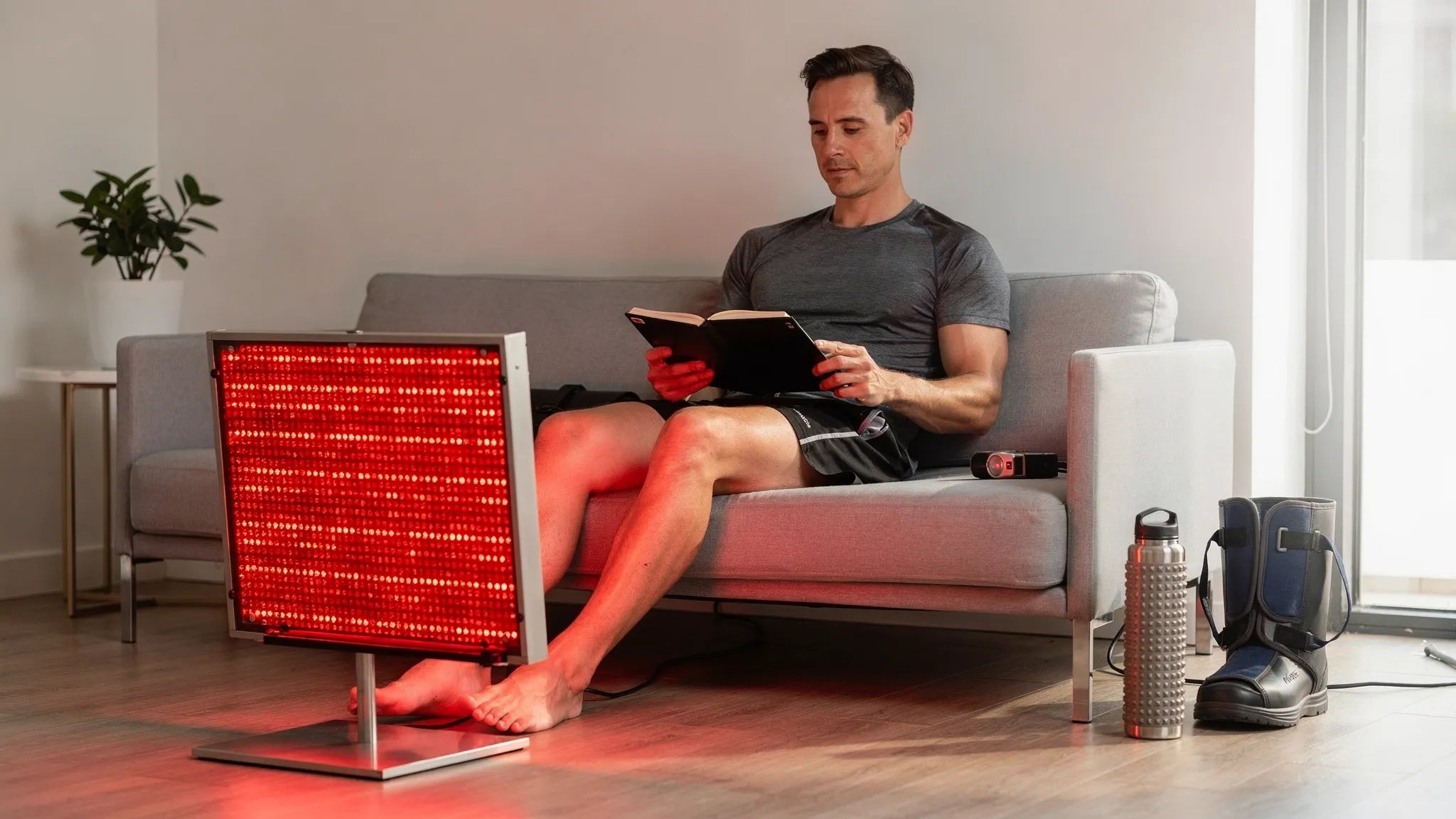
7 Proven Benefits of Red Light Therapy for Recovery
The benefits of red light therapy for recovery have been studied for over a decade — and if recovery feels slower than your training, work, or daily life demands, red light therapy is worth understanding. Unlike tools that only cool, compress, or massage tissue, red and near-infrared light therapy works through photobiomodulation, a process where specific wavelengths of light interact with cells and influence energy production, inflammation, circulation, and repair.
That is the core benefit of red light therapy for recovery: it helps support the biological processes your body already uses to heal.
The research is strongest when devices use appropriate wavelengths, adequate power, and consistent dosing. It is not a magic cure, and results vary by person, condition, and device quality. But when used correctly, red light therapy can be a practical, non-invasive recovery tool for athletes, active adults, post-surgery patients with medical clearance, and people managing recurring muscle or joint discomfort.
How red light therapy supports recovery
Red light therapy, also called photobiomodulation, typically uses red light in the 630 to 660 nm range and near-infrared light in the 810 to 850 nm range. Red wavelengths are often used for more superficial tissues, while near-infrared wavelengths penetrate deeper into muscles, joints, and connective tissue.
At the cellular level, one of the best-studied mechanisms involves cytochrome c oxidase, an enzyme inside mitochondria. Mitochondria help produce adenosine triphosphate, or ATP, which cells use for energy. Research reviews, including the widely cited paper The Nuts and Bolts of Low-level Laser Therapy, describe how red and near-infrared light can influence mitochondrial signaling, nitric oxide release, oxidative stress, and inflammatory pathways. A 2025 systematic review in Photobiomodulation, Photomedicine, and Laser Surgery reaffirmed these mechanisms across 47 PBM device studies for muscle, joint, and post-exercise recovery.
In plain English, red light therapy may help tired or stressed tissues shift into a better state for repair. That matters after hard workouts, soft-tissue strain, chronic overuse, and certain recovery phases after injury or surgery.

1. Supports cellular energy production for repair
Recovery requires energy. Muscle fibers need energy to repair micro-damage after exercise. Skin and connective tissue need energy to remodel collagen. Immune cells need energy to coordinate the inflammatory response.
Red light therapy may support this process by improving mitochondrial function and ATP availability. This does not mean you will instantly feel energized after one session. The effect is more about giving cells better conditions to perform repair work over repeated sessions.
This is one reason red light therapy is used differently from a quick pain-relief tool. For recovery, consistency matters. A single treatment may help some users feel better, but the stronger value often comes from repeated exposure as part of a structured routine.
For people comparing recovery tools, this is what separates red light from modalities like percussion massage or compression. A massage gun may help with soft-tissue tension and range of motion. Compression may assist circulation and fluid movement. Red light therapy targets cellular signaling, which makes it a useful complement rather than a direct replacement.
2. Helps reduce inflammation that can slow recovery
Inflammation is not always bad. After training or injury, short-term inflammation helps initiate healing. The problem is when inflammation remains elevated, becomes excessive, or contributes to ongoing pain and stiffness.
Photobiomodulation has been studied for its ability to modulate inflammatory mediators, oxidative stress, and local immune responses. A review on the anti-inflammatory effects of photobiomodulation explains how light therapy may influence cytokines, macrophage activity, and tissue-level inflammation.
For recovery, this matters in practical ways. Less excessive inflammation may mean less lingering soreness, better mobility, and a smoother return to training or daily activity. It may also help people who repeatedly feel stiff or achy after activity, especially when recovery is limited by poor sleep, stress, age, or high training volume.
If inflammation is your main concern, you may also find our guide to red light therapy for inflammation helpful for deeper condition-specific context.
3. May reduce delayed-onset muscle soreness after exercise
Delayed-onset muscle soreness, often called DOMS, usually appears 24 to 72 hours after unfamiliar or intense exercise. It is common after heavy lifting, hill running, sprinting, long races, new strength programs, or high-volume training blocks.
Several studies and reviews have evaluated photobiomodulation for muscle performance and post-exercise recovery. A systematic review in the sports medicine literature found that phototherapy may help improve muscle performance and recovery when appropriate parameters are used. The key phrase is appropriate parameters, because wavelength, dose, timing, and treatment area all matter.
For athletes and active adults, the practical benefit is simple: red light therapy may help reduce the severity or duration of soreness so you can train more consistently. It should not be used to ignore injury signals, but it may help with normal post-training muscle stress.
A common approach is to use red or near-infrared light on the main muscle groups trained that day, such as quads and hamstrings after running, calves after long walks or hikes, or shoulders and upper back after resistance training. Some users prefer treatment before training, while others use it after. For recovery-focused use, post-workout sessions are often the most intuitive place to start.
4. Promotes local circulation and oxygen delivery
Healthy recovery depends on circulation. Blood flow brings oxygen and nutrients into tissue and helps remove metabolic byproducts from hard-working muscles.
Red and near-infrared light may support circulation partly through nitric oxide signaling. Nitric oxide is involved in vasodilation, the widening of blood vessels. Better local blood flow may help tissues receive more oxygen and support a healthier recovery environment.
This is not the same as the mechanical fluid movement created by pneumatic compression boots. Compression therapy physically applies pressure in cycles to help move fluid and support venous and lymphatic return. Red light therapy works through light-tissue interaction and cellular signaling. Used together, they can support recovery through different mechanisms.
For example, an athlete might use compression boots after a long run to support leg recovery, then use red light therapy on calves, knees, or hips as part of a longer evening routine. A post-surgery patient should only combine modalities with clinician clearance, but the principle is the same: different tools can address different recovery barriers.
For more on compression as a recovery tool, see our guide on compression boots for faster recovery.
5. Helps manage pain so movement feels more accessible
Pain can stall recovery because it changes how you move. When your back, knee, shoulder, or foot hurts, you may compensate, avoid activity, or struggle to complete rehab exercises. Over time, that can lead to stiffness, weakness, and slower progress.
One important benefit of red light therapy is that it may help reduce recovery-related pain without relying solely on medication. Research on low-level laser and light therapy has explored its role in musculoskeletal pain, including conditions involving joints, muscles, tendons, and nerves. A review on LLLT for musculoskeletal pain discusses clinical applications and mechanisms related to pain modulation.
Pain relief from red light therapy is thought to involve several pathways, including reduced inflammatory signaling, improved local circulation, changes in oxidative stress, and effects on nerve sensitivity. The result is not guaranteed numbness or instant relief. Instead, many users describe gradual improvements in comfort and mobility with consistent use.
If pain relief is your main goal, our full guide to red light therapy for pain relief covers device types, use cases, and practical treatment considerations in more detail.
6. Supports joint, tendon, and connective tissue recovery
Recovery is not only about muscles. Tendons, ligaments, fascia, and joint tissues often heal more slowly because they receive less blood flow than muscle. That is why tendon irritation, plantar fascia discomfort, and joint stiffness can linger even after muscle soreness fades.
Photobiomodulation may help connective tissue recovery by influencing fibroblast activity, collagen production, inflammation, and local circulation. These processes are relevant for tendons, ligaments, and joint capsules, although the best protocol depends heavily on the condition and tissue depth.
For deeper structures, near-infrared wavelengths are usually more relevant than red light alone. This is one reason device selection matters. A small cosmetic red light device may be useful for skin-focused goals, but it may not be the right tool for knees, hips, back muscles, or deeper tendon areas.
This is also where medical-grade and professional-grade devices can make a meaningful difference. Irradiance, wavelength accuracy, treatment coverage, and build quality all influence whether a device can deliver a useful dose to the intended tissue. If you are comparing options, read our breakdown of medical-grade red light therapy vs consumer devices.
7. May assist wound and post-procedure tissue healing with proper clearance
Red light therapy has long been studied for skin repair and wound healing. Reviews such as Low-level laser therapy in skin describe how light-based therapies may influence inflammation, collagen synthesis, and tissue remodeling.
For recovery, this may be relevant after certain procedures, injuries, or skin-level tissue stress. However, this is the area where medical guidance is especially important. Do not use red light therapy directly over a fresh surgical incision, open wound, infected area, or medically complex site unless your surgeon or healthcare provider has cleared it.
When clearance is given, red light therapy may be used as an adjunct to the basics: wound care instructions, nutrition, hydration, sleep, physical therapy, and gradual progression. It should never replace medical follow-up, sterile wound care, or prescribed post-operative protocols.
This is the right mindset for recovery in general. Red light therapy can support healing conditions, but your body still needs the fundamentals.
Quick comparison: where red light therapy fits in recovery
| Recovery goal | How red light therapy may help | Best paired with |
|---|---|---|
| Post-workout soreness | Supports cellular energy, inflammation balance, and muscle recovery | Hydration, sleep, mobility work, compression |
| Joint or tendon stiffness | Helps address inflammation and connective tissue repair pathways | Physical therapy, progressive loading, heat or compression as appropriate |
| Back or neck discomfort | May reduce pain sensitivity and local inflammatory stress | Movement, ergonomic changes, percussion therapy when appropriate |
| Post-surgery recovery | May support tissue repair after clinician clearance | Cold therapy, compression, prescribed rehab, wound care |
| High training volume | Helps maintain consistency by supporting recovery between sessions | Periodized training, nutrition, sleep tracking |
How to use red light therapy for recovery
The best protocol depends on the device and your goal, so always follow the manufacturer’s instructions and your healthcare provider’s guidance. That said, these general principles can help you avoid common mistakes.
Choose recovery-focused wavelengths
For muscle, joint, and deeper tissue recovery, look for devices that include near-infrared wavelengths, commonly in the 810 to 850 nm range. Red wavelengths around 630 to 660 nm can still be useful, especially for superficial tissue and skin-level recovery, but near-infrared light is typically more relevant for deeper targets.
Dose matters more than brightness alone
A device that looks bright is not automatically therapeutic. The important variables are wavelength, irradiance, distance from the body, treatment time, and coverage area. Too little dose may do very little. Too much dose may be counterproductive because photobiomodulation can follow a biphasic dose response, meaning more is not always better.
Start with consistency, not marathon sessions
Many recovery routines use sessions in the 10 to 20 minute range per treatment area, several times per week. More is not always better. Start conservatively, track how you feel, and adjust based on your response and device instructions.
Treat the right area
If your quads are sore, treat the quads. If your low back is the issue, treat the low back rather than relying on a full-body routine that does not deliver enough targeted exposure. Panels can be excellent for broader areas, while flexible pads may be useful for wrapping closer to joints or curved body regions.
For device selection details, our guide to the best red light therapy panels explains the specs that matter most.
Safety considerations before you start
Red light therapy is generally considered non-invasive and well tolerated when used correctly, but it is not appropriate for every situation.
Use extra caution or speak with a healthcare professional first if you are pregnant, have active cancer or are treating an area with a history of malignancy, take photosensitizing medications, have a photosensitive medical condition, have reduced sensation in the treatment area, or are recovering from surgery. Eye protection may be recommended depending on the device and treatment area.
Stop using the device and seek guidance if you experience unusual skin irritation, increased pain, dizziness, burning, or symptoms that do not match normal recovery soreness.
Frequently Asked Questions
How long does it take to feel recovery benefits from red light therapy? Some people notice improved comfort after a few sessions, especially for soreness or stiffness. Tissue repair and chronic recovery goals usually require consistent use for several weeks. Device quality, dosing, sleep, nutrition, and the underlying condition all influence results.
Is red light therapy better before or after a workout? Both timing strategies are used. Before training, it may support muscle readiness. After training, it is often used to support recovery and reduce soreness. If your main goal is recovery, starting with post-workout or evening sessions is a practical approach.
Can I combine red light therapy with compression boots? Yes, many people combine them because they work differently. Compression supports fluid movement and circulation mechanically, while red light therapy supports cellular and inflammatory pathways. If you have a medical condition, swelling disorder, or recent surgery, ask your provider before combining modalities.
Is red light therapy the same as cold laser therapy? They are related because both use photobiomodulation. Cold laser devices use laser light, while many red light therapy devices use LEDs. Laser systems may be more targeted, while LED panels and pads can cover larger areas. The right choice depends on your goal, tissue depth, and whether you need home or clinical use.
Can red light therapy replace physical therapy or medical treatment? No. Red light therapy is best viewed as an adjunct recovery tool. It may help support pain relief, tissue repair, and inflammation balance, but it does not replace diagnosis, rehab exercises, surgical follow-up, or medical care.
Are red light therapy recovery devices HSA/FSA eligible? Yes — medical-grade devices like the HealthLight Ultimate Body Kit, TheraFace Mask, and BIOFLEX MultiPort System are FDA-cleared and HSA/FSA-eligible for documented recovery, pain, or post-surgical conditions when prescribed by a physician. A Letter of Medical Necessity is typically required and converts the pre-tax purchase to roughly 26-40% in real tax savings depending on your tax bracket.
Choosing the right red light therapy device for recovery
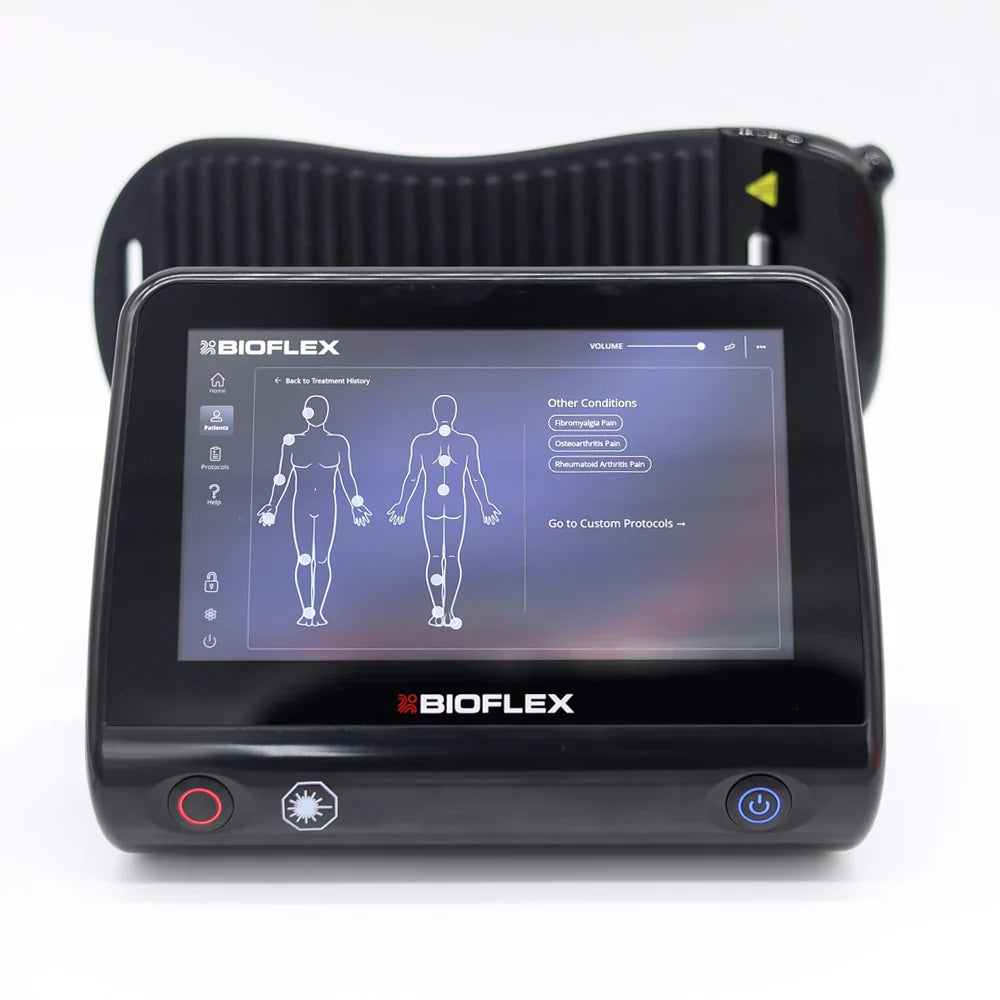
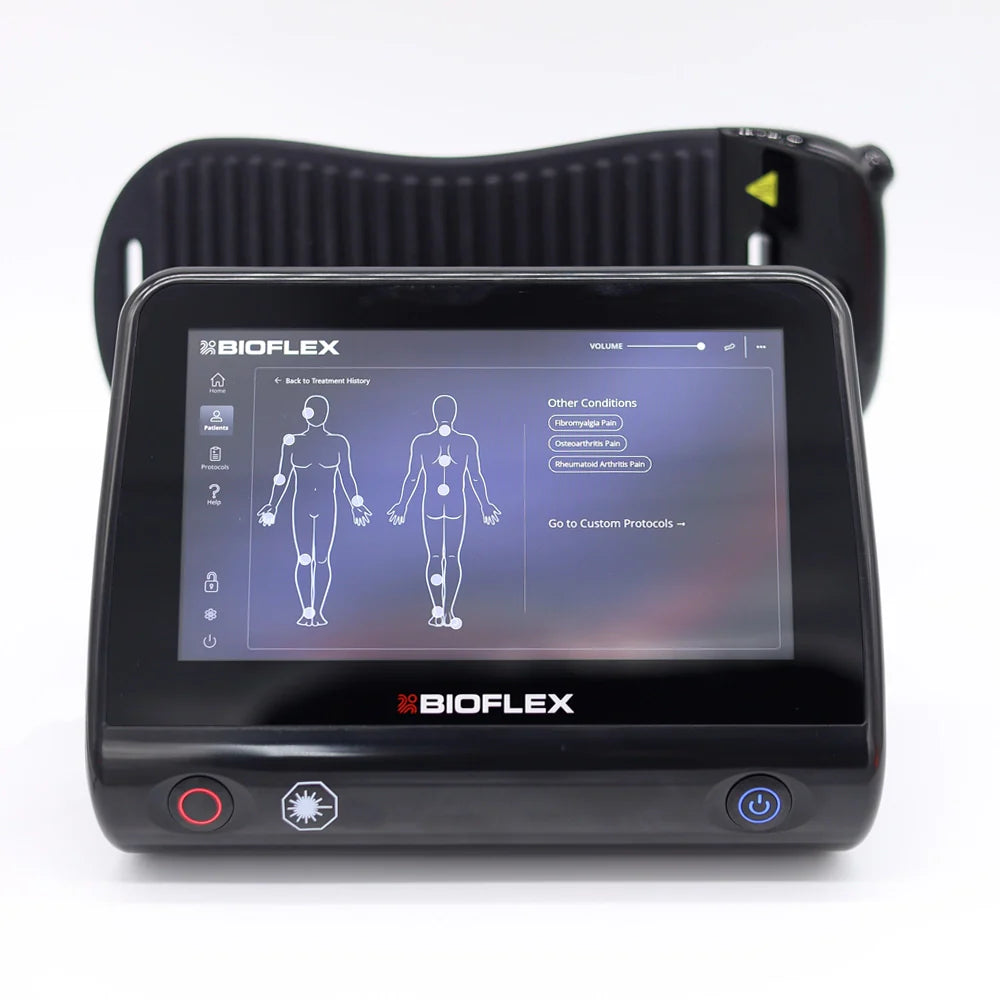
If you are buying a device for recovery, do not choose based on size or marketing claims alone. Look for clear wavelength information, useful treatment coverage, transparent specifications, appropriate safety guidance, and support from a knowledgeable seller. The HealthLight Ultimate Body Kit, for example, uses flexible pads with 630-660 nm red and 880 nm near-infrared wavelengths — the same parameters used in the clinical recovery studies cited above — while the TheraFace Mask covers facial and tension recovery with FDA-cleared LED + vibration. For clinician-grade home or clinic use, the BIOFLEX MultiPort System is the photobiomodulation standard.
Your Health Sanctuary offers professional-grade recovery and wellness devices for home use, including red light therapy, compression therapy, and percussion tools. Products are curated with a focus on clinic-trusted quality, fair pricing, detailed specs, free shipping, price match support, flexible financing options, and responsive customer service.
Find the Right Recovery Device for You
Not sure which device fits your goal? Compare the HealthLight Ultimate Body Kit, TheraFace Mask, or BIOFLEX MultiPort System with a real recovery specialist — no pressure, no upsell.
Shop HealthLight Ultimate Body Kit → Speak with Justin's Team: (612) 360-2490All three devices are HSA/FSA eligible with a Letter of Medical Necessity from your physician — for documented chronic pain, athletic recovery from surgery, post-surgical rehab, neuropathy, or acne, LMN approval is routine and the pre-tax purchase converts to roughly 26–40% in real tax savings depending on your tax bracket.
:%20The%20TheraFace%20Mask%20has%20been%20discontinued%20at%20Your%20Health%20Sanctuary.%20For%20a%20current%20option,%20see%20our%20red%20light%20therapy,%20or%20talk%20to%20Justin's%20team%20at%20(612)%20360-2490.The%20benefits%20o...)