
Why Your Legs Feel Heavy and What Can Help
Why Your Legs Feel Heavy and What Can Help (2026)
At 6 p.m., your calves feel like they're filled with wet sand. Your shoes feel tighter than they did that morning. The stairs look steeper than they should. Why your legs feel heavy and what can help is frustrating to pin down because it isn't one single diagnosis — it's a symptom pattern.
Heavy legs often come from fluid pooling, venous circulation issues, muscle fatigue, medication effects, nerve irritation, or arterial circulation problems. Some causes respond well to simple steps like walking breaks, calf raises, leg elevation, and correctly fitted compression. Others need prompt medical evaluation.
Quick Answer: What Heavy Legs May Mean
| What you notice | Common possibilities | Get checked sooner if |
|---|---|---|
| Both legs heavy after standing/sitting all day | Fluid pooling, early venous insufficiency | Swelling is new, worsening, painful, or one-sided |
| Heavy/achy/swollen, improves with elevation | Venous circulation strain, chronic venous disease | Skin changes, ulcers, painful varicose veins |
| One leg suddenly swollen, painful, red, or warm | Possible blood clot or infection | Any shortness of breath, chest pain, coughing blood, or fainting |
| Heavy or cramping when walking, improves with rest | Possible peripheral artery disease | Pain at short distances, at rest, or with cold/pale feet |
| Heavy after a hard workout | Muscle fatigue, DOMS | Severe pain, dark urine, major weakness |
Chronic venous disease is one of the classic medical categories linked with leg heaviness, aching, and swelling that worsens with prolonged standing. Medical literature reviewing venous disease describes these patterns and the role of venous reflux and calf muscle pump dysfunction in chronic venous insufficiency.
Could Heavy Legs Be a Circulation Problem?
Yes, but "circulation problem" can mean two very different things. Venous circulation is about blood returning from the legs to the heart — when vein valves don't close well, blood can pool downward, creating heaviness, aching, ankle swelling, or visible varicose veins that feel worse later in the day. Arterial circulation is about blood getting down into the legs; peripheral artery disease (PAD) commonly causes leg heaviness or cramping during walking that improves after rest. Clinical guidelines for lower extremity PAD describe these exertional symptoms and recommend objective testing such as the ankle-brachial index when PAD is suspected.
A blood clot is another category entirely. The CDC lists deep vein thrombosis symptoms such as swelling, pain, tenderness, redness, and warmth, often in one leg. If one leg suddenly becomes swollen, painful, red, or warm — especially after surgery, a long trip, injury, or immobility — seek urgent medical evaluation and don't massage or compress it.
Can Muscle Fatigue Make Legs Feel Heavy?
Absolutely. Delayed onset muscle soreness (DOMS) is usually associated with unaccustomed or eccentric exercise and often peaks a day or two after the activity — sports medicine literature discusses DOMS and recovery strategies. Workout-related heaviness usually follows a clear training stress and improves over several days, while circulation-related heaviness often worsens with standing or sitting and improves with movement, elevation, or compression.
What Can Help Heavy, Tired Legs at Home
Use your calf pump every hour. Walk for 2 to 5 minutes, or do 20 slow calf raises and 20 ankle circles each direction if you can't leave your position.
Elevate your legs when swelling is part of the picture. 15 to 20 minutes with ankles above heart level can help dependent swelling — but it won't solve PAD, neuropathy, medication-related edema, or a blood clot.
Try compression when the pattern fits. Research reviewing multiple clinical trials on compression stockings for varicose veins has found stockings may improve some symptoms and physiological measures, while noting limitations in evidence quality and consistency. Fit matters — too loose does little, too tight can irritate skin.
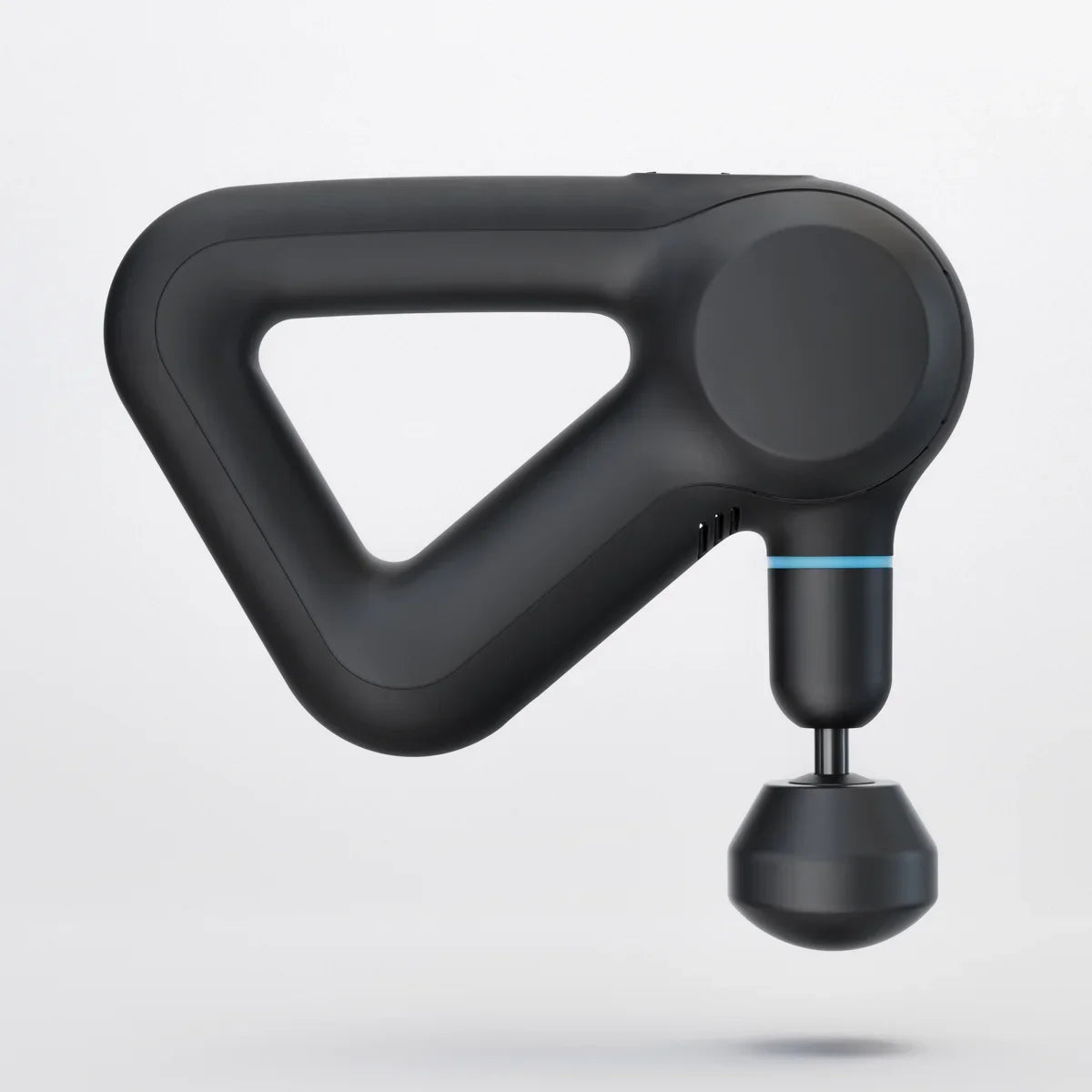
Recover smarter after training. Light walking, gentle cycling, easy mobility, sleep, and gradual progression beat aggressive muscle attacks. Percussive massage may help short-term muscle tightness, but avoid it over unexplained swelling, suspected clots, or significant varicose vein pain.
Review medications and health changes. New or worsening leg heaviness can appear alongside medication changes, weight changes, pregnancy, or reduced activity after illness. Don't stop prescribed medication on your own — note when heaviness started and whether it's one-sided or both-sided for your clinician.
Which Compression Option Fits Heavy Legs Best?
| Option | Best fit for | Key caution |
|---|---|---|
| Graduated compression socks/sleeves | End-of-day heaviness, mild swelling, standing jobs, travel | Measure correctly, avoid bunching |
| Medical-grade stockings | Diagnosed venous disease, clinician-directed swelling support | Guided by a professional with diabetes/arterial disease |
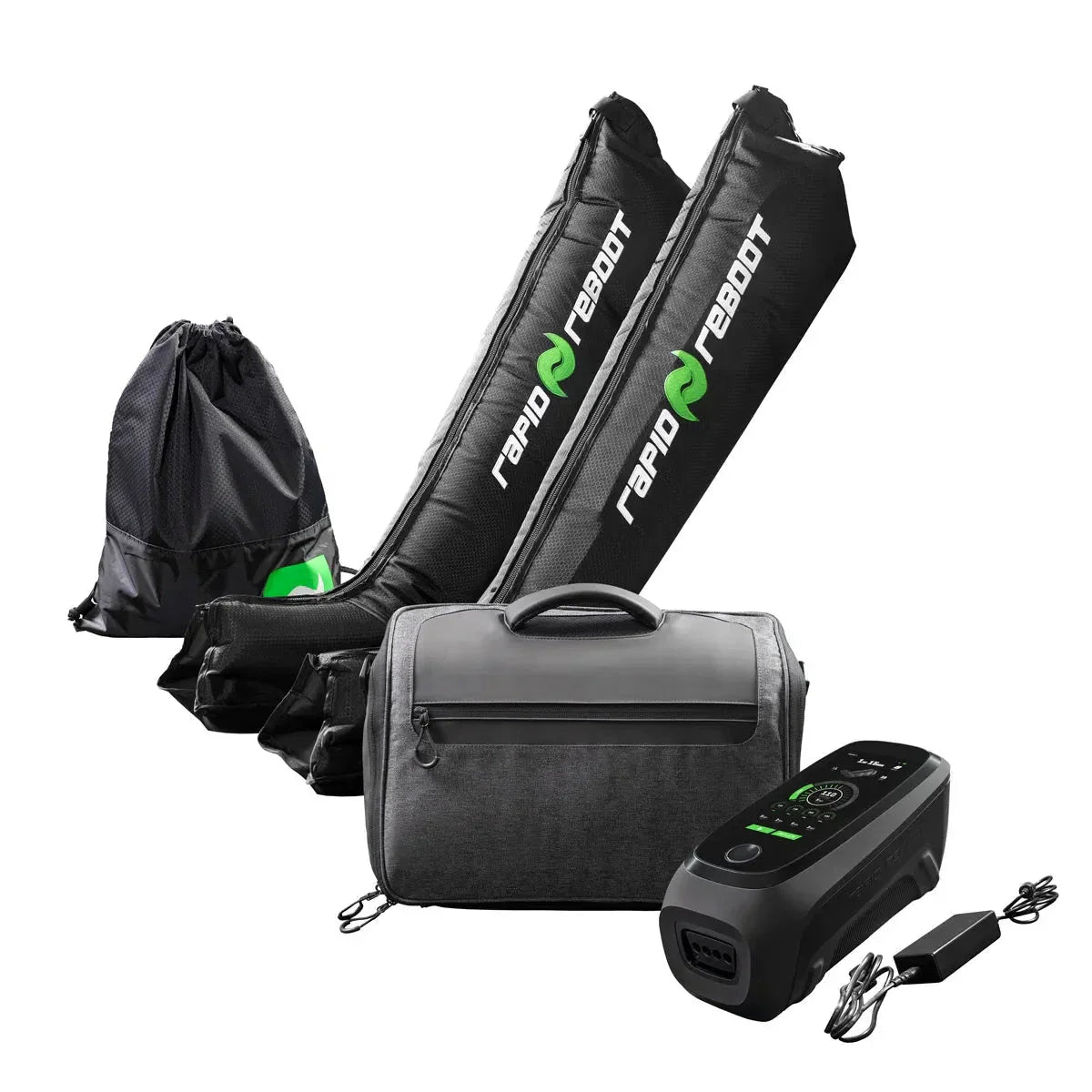
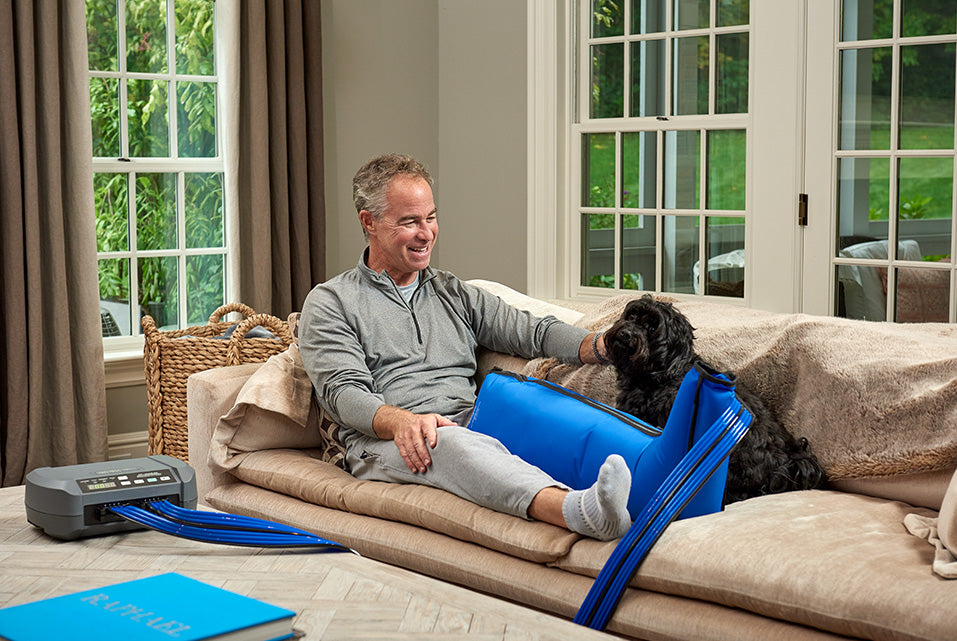
| Pneumatic compression boots | Recovery routines, heavy legs after training | Not for suspected DVT, severe PAD, active infection |
Medical guidance lists conditions where compression requires caution or may be inappropriate, including severe peripheral arterial occlusive disease and decompensated heart failure. More pressure is not automatically better — the goal is the right pressure, in the right place, for the right reason.
When Should Heavy Legs Be Checked by a Doctor?
Get medical help promptly for: sudden swelling in one leg with pain, redness, or warmth; shortness of breath, chest pain, coughing blood, or fainting; leg pain or heaviness that predictably appears with walking and improves with rest; new swelling in both legs with shortness of breath or rapid weight gain; skin ulcers or darkening skin around the ankles; new numbness, weakness, or foot drop.
Frequently Asked Questions
Why do my legs feel heavy at the end of the day?
Blood and fluid often pool in the lower legs after prolonged sitting or standing. Movement breaks, calf raises, elevation, and properly fitted compression may help if there are no red flags.
Are heavy legs a sign of a blood clot?
They can be, especially if one leg is suddenly swollen, painful, red, tender, or warm. Seek urgent evaluation and avoid massage or compression devices until a clinician rules out DVT.
Do compression sleeves help heavy legs?
They may help with mild swelling, prolonged standing, travel, or venous symptoms. Stronger compression isn't always better and may be unsafe with arterial disease.
Why do my legs feel heavy when I walk?
If heaviness or cramping comes on predictably with walking and improves with rest, ask a clinician about peripheral artery disease.
Can dehydration cause heavy legs?
It can contribute to fatigue and cramping, but visible swelling or one-sided heaviness shouldn't be blamed on dehydration without looking at other causes.
Should I use compression boots for heavy legs?
They may fit some recovery routines, especially after training, but aren't for every situation — don't use them if you suspect a clot, have severe arterial disease, or active infection.
Both the Rapid Reboot REGEN Complete and the Bio Compression SC-2008-DL are generally HSA/FSA-eligible with a Letter of Medical Necessity.
Match the Right Recovery Tool to Your Pattern
Call (612) 360-2490 — Your Health Sanctuary can help you choose compression that fits the cause, not just the symptom.
About the Author
Justin Webster is the owner of Your Health Sanctuary. Before founding his consulting company, he served as COO of a chain of 13 medical clinics, then spent his career helping build more than 20 additional niche medical clinics across the United States. Working alongside MDs, chiropractors and physical therapists introduced him to the clinical-grade equipment that practitioners actually prescribe. That background, combined with direct relationships with manufacturers including HealthLight and BIOFLEX, shapes how Your Health Sanctuary evaluates and recommends recovery technology. Justin personally owns and uses the HealthLight General Pain Relief Kit and the TheraFace Mask. Your Health Sanctuary sells primarily to medical professionals and clinicians, not consumer gadget buyers.
Related reading: Leg Compression Sleeve: Complete Guide to Benefits, Uses & Choosing the Right One and Best Compression Sleeves for Legs: How to Choose the Right Fit
%0AAt%206%20p.m.,%20your%20calves%20feel%20like%20they're%20filled%20with%20wet%20sand.%20Your%20shoes%20feel%20tighter%20than%20they%20did%20that%20morning.%20The%20stairs%20look%20steeper%20than%20the...)