
Best Stretches to Do After Sitting All Day
At 5:12 p.m., you stand up from your desk and your hips feel like they belong to someone 30 years older. Your low back is cranky, your shoulders are rounded forward, and the first few steps across the room feel stiff instead of smooth. Here are the best stretches to do after sitting all day — a short, repeatable routine that opens the positions you've been stuck in for hours.
The 10-Minute Routine
The American College of Sports Medicine recommends flexibility work for major muscle-tendon groups at least 2 to 3 days per week, with stretches generally held 10 to 30 seconds and repeated for a total of about 60 seconds per area — that's the dosing logic behind this routine.
| Area that feels stiff | Best stretch | Time | Main cue |
|---|---|---|---|
| Chest and shoulders | Doorway chest stretch | 45–60 sec | Ribs down, no low-back arch |
| Neck and upper back | Chin tuck with upper trap stretch | 30 sec/side | Make a "double chin," then gently tilt |
| Mid-back | Chair thoracic extension | 6–8 reps | Move through the upper back, not the low back |
| Front of hips | Half-kneeling hip flexor stretch | 45–60 sec/side | Squeeze the back-side glute |
| Glutes and outer hip | Seated figure-four stretch | 45–60 sec/side | Hinge forward with a long spine |
| Hamstrings | Supine hamstring stretch | 45 sec/side | Slight knee bend is fine |
| Calves and ankles | Wall calf stretch | 30 sec/side | Heel down, toes forward |
Don't chase pain. A good stretch usually feels like a 3 to 5 out of 10 intensity. Sharp pain, numbness, tingling, or symptoms that travel down the leg mean stop and get assessed.
Why Sitting All Day Makes These Areas Feel Tight
Sitting isn't "bad" by itself — the problem is holding one shape for too long. Long, uninterrupted sitting bouts have been associated with higher all-cause mortality risk in observational research, especially when total sedentary time is high. Desk posture usually puts your hips in flexion, knees bent, ankles quiet, spine slightly rounded, and shoulders forward, so the first movement out of the chair often feels stiff because your tissues haven't been asked to move through their full range.
A review of experimental studies found that breaking up prolonged sitting can improve some cardiometabolic markers, especially post-meal glucose and insulin responses. Translation: stretch after the day, but don't wait until 5 p.m. to move at all.
How to Do Each Stretch Correctly
Doorway chest stretch: Place one forearm on the door frame at shoulder height, step one foot forward until you feel a stretch across the chest and shoulder. Keep your ribs stacked over your pelvis instead of arching your low back to fake it.
Chin tuck with upper trap stretch: Glide your head straight backward as if making a double chin, then tilt one ear toward the same-side shoulder until you feel a mild stretch. Keep this gentle — stop if you get dizziness or worsening headaches.
Chair thoracic extension: Sit with the chair back touching your mid-back, hands behind your head, exhale and slowly extend your upper back over the chair, 6 to 8 reps. If you feel it only in the low back, scoot closer and brace your abdomen lightly.
Half-kneeling hip flexor stretch: Kneel with one knee down, tuck your pelvis, squeeze the kneeling-side glute, and shift forward until you feel the front-of-hip stretch. Most people go too far and arch their low back — the glute squeeze prevents that.
Seated figure-four glute stretch: Cross one ankle over the opposite thigh, sit tall, then hinge forward from the hips. This shouldn't create knee pain — if it does, move the crossed ankle farther from the knee.
Supine hamstring stretch: Lie on your back, lift one leg, hold behind the thigh or use a towel, and slowly straighten the knee. A slight bend often gives a better stretch with less nerve tension.
Wall calf stretch: Hands on the wall, step one foot back with the heel down and toes forward, lean toward the wall. Slightly bend the back knee for a second version that targets the Achilles and deeper calf.
Match the Stretch to What You Feel
| What you feel | Start with | Be cautious if |
|---|---|---|
| Front of hips tight when standing | Half-kneeling hip flexor stretch | Recent hip surgery or sharp groin pain |
| Low back stiff but not painful | Chair thoracic extension | Pain traveling down the leg |
| Shoulders round forward | Doorway chest stretch | Shoulder pinching or arm numbness |
| Legs feel heavy after sitting | Wall calf stretch, then a short walk | One-sided swelling, warmth, or calf pain |
For persistent low back pain, stretching is only one piece of the puzzle. Clinical guidance for low back pain recommends non-drug options such as exercise, multidisciplinary rehab, yoga, and tai chi depending on the case. If your back pain is recurring, a well-rounded plan should include strength, walking, sleep, and workstation changes, not stretching alone.
How Often Should You Stretch If You Sit Most of the Day?
Try this rhythm for one week: stand up every 30 to 60 minutes, walk for 1 to 3 minutes, then do the 10-minute stretch routine after work. If you can't leave your desk, stand for phone calls, do 10 slow calf raises, or take one lap around the room between meetings. The mini-breaks prevent stiffness from building; the after-work routine restores range of motion.
When Stretching Isn't the Answer
Get medical guidance promptly if you have new numbness, weakness, or loss of coordination; pain that travels below the knee and keeps worsening; one-sided calf swelling, warmth, redness, or tenderness; chest pain or shortness of breath; recent surgery or fracture; or pain that wakes you at night. One-sided calf symptoms can overlap with warning signs for a blood clot — the CDC lists swelling, pain, tenderness, and redness as possible DVT signs.
Frequently Asked Questions
What are the best stretches to do after sitting all day?
A doorway chest stretch, chin tuck with upper trap stretch, chair thoracic extension, half-kneeling hip flexor stretch, seated figure-four stretch, supine hamstring stretch, and wall calf stretch — together they address the areas that stiffen during long sitting.
How long should I hold stretches after sitting?
A practical target is 30 to 60 seconds per area. ACSM guidance supports holding flexibility stretches for 10 to 30 seconds and repeating as needed.
Should I stretch before or after walking?
If you feel very stiff, take a short walk first, then stretch. A few minutes of easy movement increases comfort and helps you avoid forcing cold tissues into a deep position.
Can stretching fix lower back pain from sitting?
Stretching may help stiffness, but recurring lower back pain usually needs a broader plan including movement breaks, strengthening, walking, and sleep.
How often should desk workers stretch?
Most desk workers do well with brief movement breaks throughout the day and a 10-minute stretch routine after work. Consistency matters more than intensity.
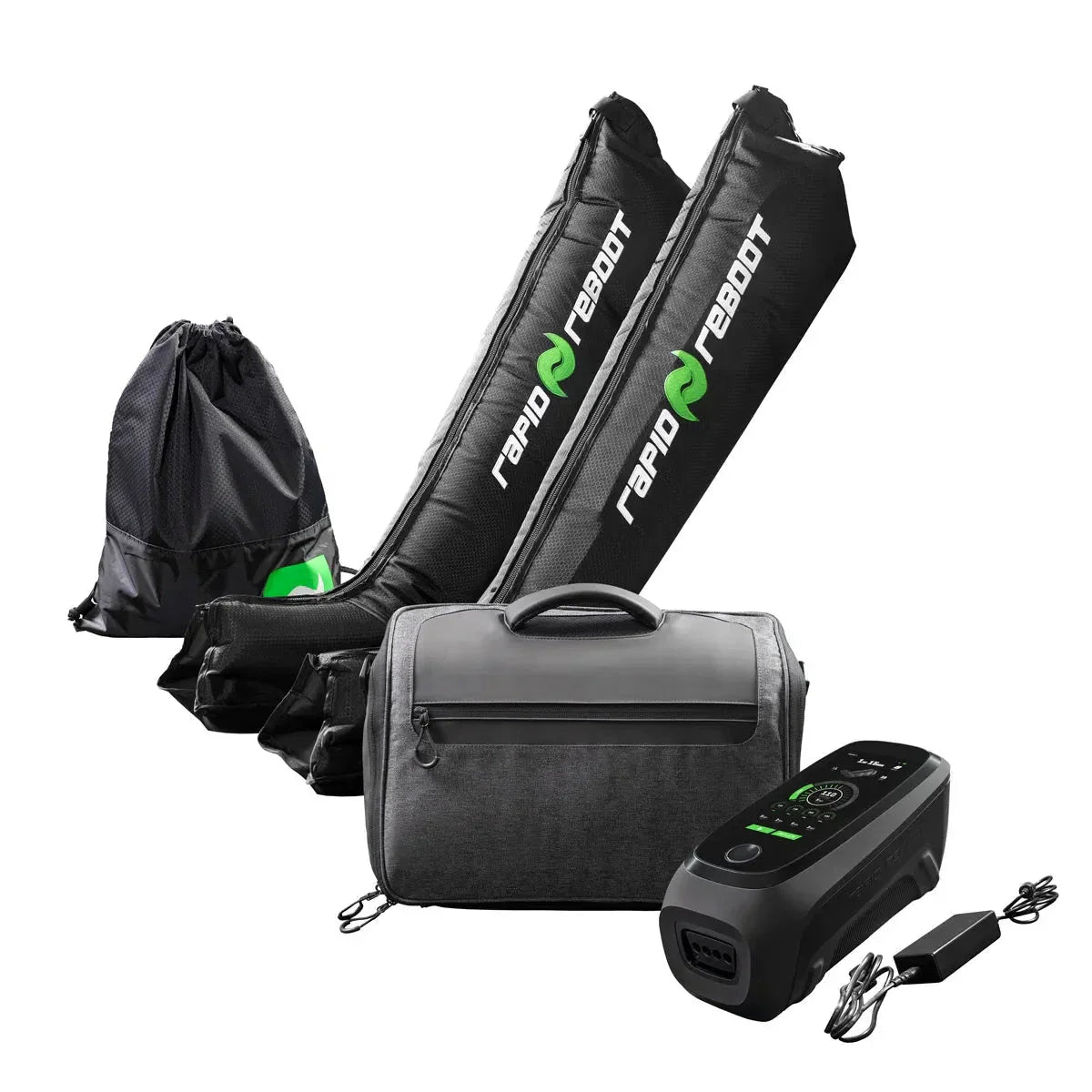
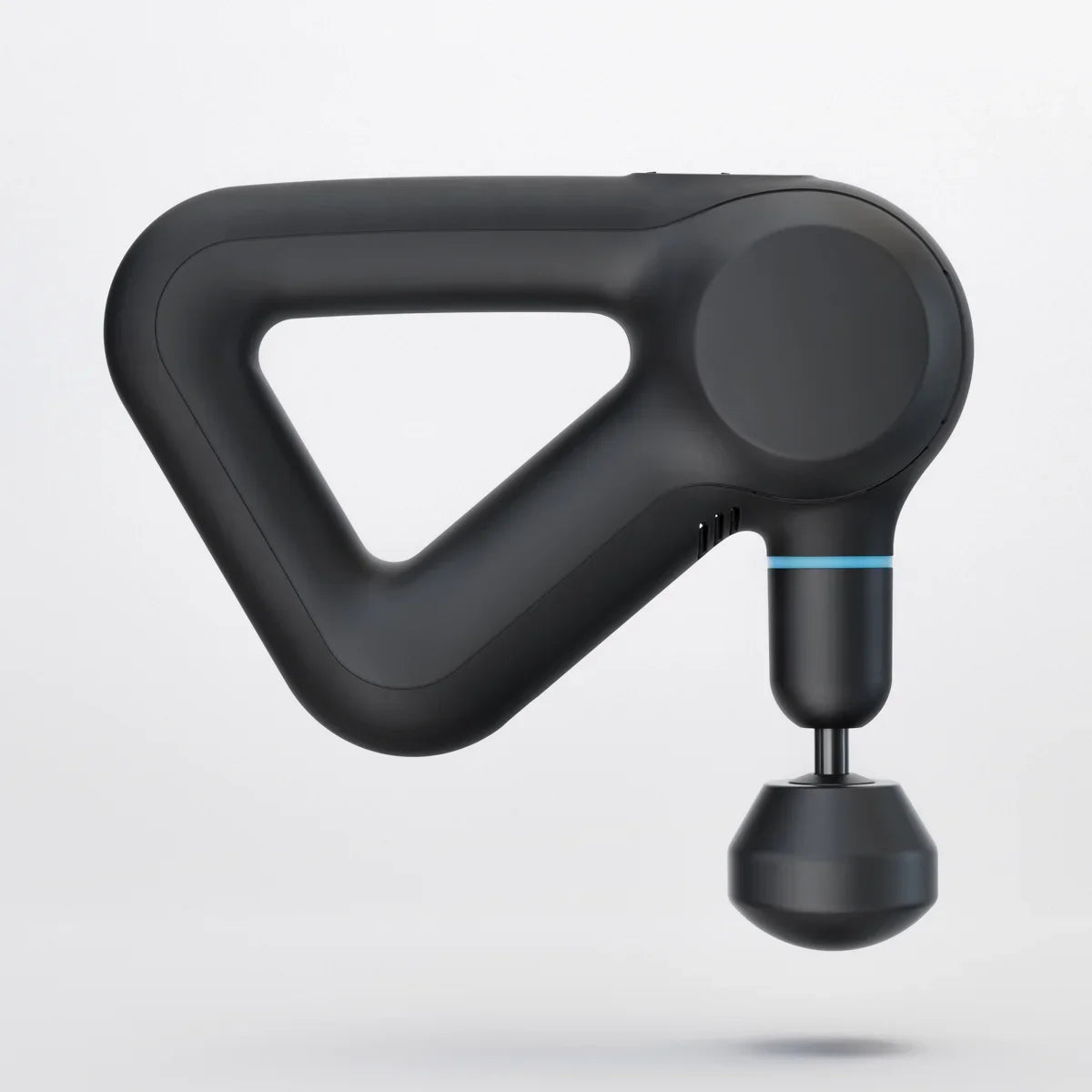
Both the Theragun Prime Plus and Theragun Prime G5 below are HSA/FSA-eligible with a Letter of Medical Necessity, which can make professional-grade recovery tools more affordable if you have either account.
Build a Recovery Routine That Fits Your Body
Call (612) 360-2490 — Your Health Sanctuary carries professional-grade recovery equipment curated for home use, clinics, and athletes.
About the Author
Justin Webster is the owner of Your Health Sanctuary. Before founding his consulting company, he served as COO of a chain of 13 medical clinics, then spent his career helping build more than 20 additional niche medical clinics across the United States. Working alongside MDs, chiropractors and physical therapists introduced him to the clinical-grade equipment that practitioners actually prescribe. That background, combined with direct relationships with manufacturers including HealthLight and BIOFLEX, shapes how Your Health Sanctuary evaluates and recommends recovery technology. Justin personally owns and uses the HealthLight General Pain Relief Kit. Your Health Sanctuary sells primarily to medical professionals and clinicians, not consumer gadget buyers.
Related reading: Percussion Massage for Lower Back Pain: The Complete Relief Guide and Percussion Massage Therapy Benefits: The Complete Guide