

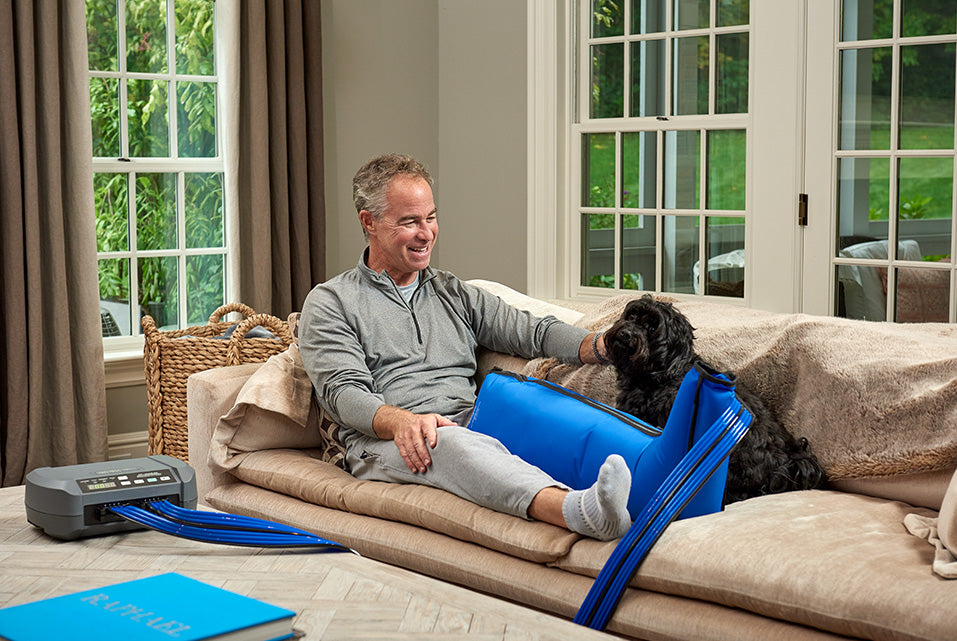
Travel Swelling in Legs: Prevention Tips That Work
Travel Swelling in Legs: Prevention Tips That Work (2026)
Your ankles looked normal when you boarded. By baggage claim, your shoes feel tight, your sock lines are carved into your skin, and both lower legs feel heavy. That's the classic pattern that has customers searching for travel swelling in legs prevention tips before long flights, road trips, and cruise travel.
Most travel swelling in legs comes from sitting still for too long. Your calf muscles normally act like a pump, helping move blood and fluid back toward your heart. When you sit for hours with your knees bent and feet below your body, that pump slows down, fluid pools in the lower legs, and your ankles puff up.
One safety point up front: new one-sided calf swelling, calf pain, warmth, redness, shortness of breath, chest pain, or coughing blood is not "normal travel swelling." The CDC notes that travel longer than four hours can increase the risk of blood clots, especially in people with other risk factors. If those symptoms show up, get medical help urgently.
The Short Version: How to Prevent Travel Swelling in Legs
- Walk before boarding or before starting a long drive
- Move your ankles and calves while seated, ideally every 30 minutes
- Stand and walk when you can, especially on trips longer than four hours
- Wear properly fitted graduated compression socks or stockings if you swell easily or have risk factors
- Avoid tight waistbands, tight socks, and shoes that leave no room for mild swelling
- Elevate your legs and take a short walk when you arrive
- Don't take aspirin, water pills, or blood thinners for travel swelling unless your clinician specifically told you to
The American College of Chest Physicians recommends frequent ambulation, calf exercises, and properly fitted below-knee graduated compression stockings for higher-risk long-distance travelers, with 15 to 30 mmHg pressure at the ankle in that group, according to medical guidance on venous thromboembolism prevention.
Why Legs Swell During Flights and Road Trips
Travel swelling is usually a circulation and gravity problem. When your legs hang down for hours, fluid naturally collects in the lowest part of the body, and sitting still reduces the muscle contractions that push fluid upward. Flights get most of the attention, but long car rides, trains, and buses can do the same thing — the common denominator is prolonged sitting with limited leg movement.
Typical travel swelling is usually in both feet or ankles, mild to moderate, worse at the end of the trip, and better after walking, elevating the legs, or sleeping overnight. Swelling deserves more caution when it's only on one side, painful, hot, red, or paired with breathing symptoms.
Who's More Likely to Get Swollen Legs While Traveling?
Be more cautious about travel swelling if you have a history of blood clots, recent surgery or injury, cancer, pregnancy or recent childbirth, estrogen-containing birth control or hormone therapy, obesity, older age, varicose veins, limited mobility, or a known clotting disorder — travel-related clot risk factors highlighted by the CDC. People with heart failure, kidney disease, liver disease, venous insufficiency, or lymphedema also need an individualized plan; don't guess at compression level or medication changes.
Do Compression Socks Help Travel Swelling in Legs?
Yes, for many travelers, properly fitted graduated compression socks can help. "Properly fitted" and "graduated" are the key words — graduated compression is tighter near the ankle and gradually less tight higher up the leg, supporting upward fluid movement.
Research reviewing multiple clinical trials has found that wearing below-knee graduated compression stockings on flights longer than four hours reduced symptomless deep vein thrombosis and also reduced leg edema in the studies reviewed. That doesn't mean every traveler needs medical-grade compression, but it supports compression as a useful tool when swelling is predictable or risk is higher. Many people start with mild knee-high graduated compression in the 15 to 20 mmHg range; higher levels should be chosen more carefully if you have diabetes, peripheral artery disease, neuropathy, fragile skin, or wounds.
Prevention Strategies Ranked
| Strategy | Best for | Our take |
|---|---|---|
| Walking and calf exercises | Nearly every traveler | Free, simple, the first habit to build |
| Graduated compression socks | Travelers who swell, higher-risk travelers, long flights | Helpful when fitted correctly |
| Aisle seat or planned road stops | People who need frequent movement | Worth it if mobility is limited |
| Loose clothing, roomy shoes | Anyone prone to ankle or foot swelling | Not a treatment, but prevents avoidable discomfort |
| Aspirin before flying | Usually not appropriate | CHEST recommends against routine aspirin for travel VTE prevention |
Before a Long Flight or Road Trip
Put compression socks on before swelling starts, not after your ankles are already puffy. Try your socks at home first for a few hours; make sure they don't cause numbness, tingling, or deep marks behind the knee. Choose shoes with a little room. If you can choose your seat, an aisle seat helps because it makes walking easier — CHEST guidelines mention aisle seating as a reasonable option for increased-risk travelers when feasible.
What About Hydration, Salt, and Alcohol?
Hydration helps you feel better during travel, but it's not a substitute for movement or compression. Sip water during the trip so you don't arrive dehydrated. If salty meals reliably make your ankles puff up, keep the travel day simpler. Limit alcohol — it can worsen sleep quality and make it easier to skip the movement routine. Don't use diuretics to prevent travel swelling unless prescribed, and don't take aspirin for travel clot prevention unless your clinician told you to.
When Is Travel Swelling in Legs Dangerous?
| Symptom | What to do |
|---|---|
| One leg much more swollen than the other | Seek medical evaluation promptly |
| Calf pain, tenderness, warmth, or redness | Don't massage it, get checked |
| Sudden shortness of breath | Seek emergency care |
| Chest pain or pain with breathing | Seek emergency care |
| Swelling worsening or lasting more than 24–48 hours | Contact a clinician |
Frequently Asked Questions
Why do my legs swell when I travel?
Sitting still slows the calf muscle pump and lets fluid pool in the feet and ankles. Flights, car rides, trains, and buses can all cause it when movement is limited for several hours.
How do I prevent leg swelling on a long flight?
Walk before boarding, do ankle pumps while seated, stand and walk when safe, wear properly fitted graduated compression socks if prone to swelling, and avoid tight clothing or shoes.
Are compression socks better than compression sleeves for travel swelling?
If your ankles or feet swell, knee-high compression socks that include the foot are often more appropriate than calf-only sleeves, which may leave the foot unsupported.
How long should travel swelling in legs last?
Mild swelling in both ankles often improves after walking, leg elevation, and a night of sleep. If swelling is one-sided, painful, worsening, or still significant after 24 to 48 hours, get medical advice.
Should I take aspirin before flying to prevent leg swelling or blood clots?
Don't, unless your clinician specifically recommends it. CHEST guidelines recommend against routine aspirin or anticoagulants for most long-distance travelers.
Can I fly if my legs are already swollen?
If both legs are chronically mildly swollen and you're already cleared by a clinician, a travel plan with movement and compression may work. New, one-sided, painful, red, or warm swelling should be evaluated before you travel.
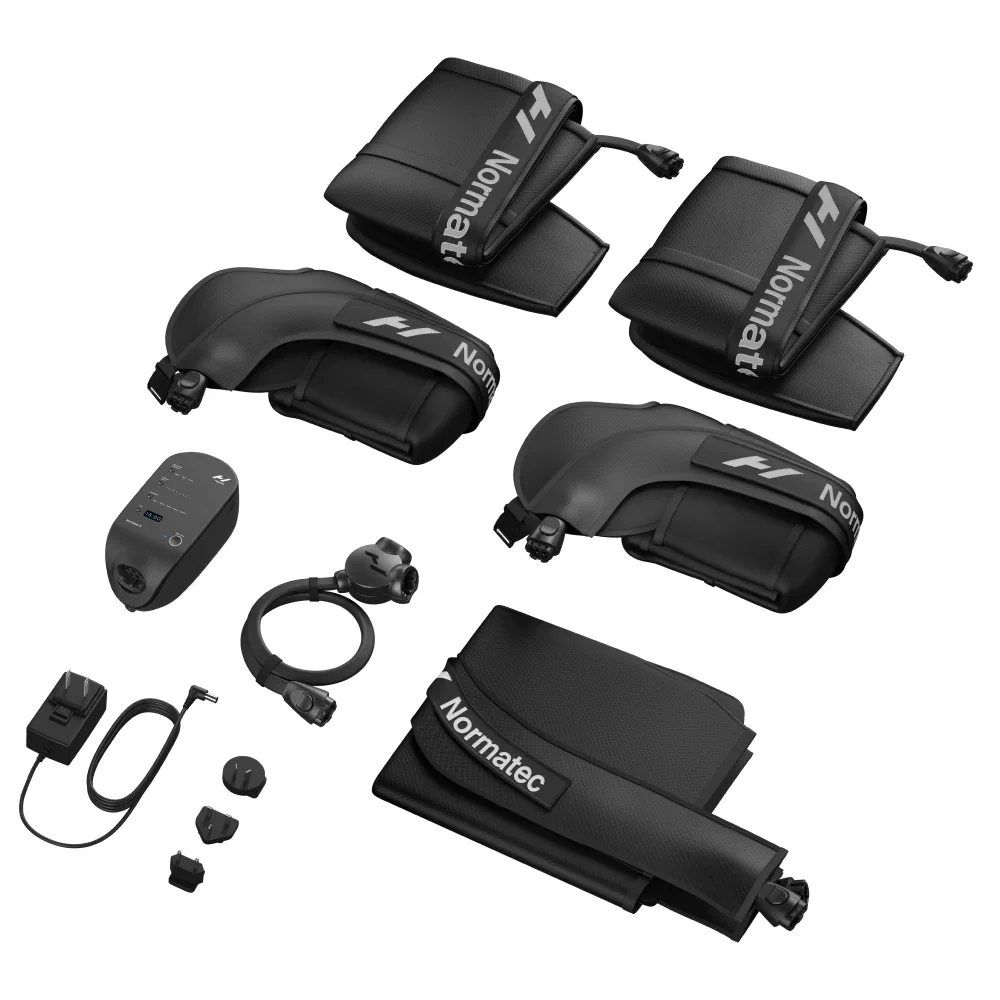
Both the Normatec 3 Full Body and the Bio Compression SC-2008-DL are generally HSA/FSA-eligible with a Letter of Medical Necessity.
Need Help Choosing the Right Compression Approach?
Call (612) 360-2490 — Your Health Sanctuary can help you compare professional-grade compression options without pushing you toward equipment you don't need.
About the Author
Justin Webster is the owner of Your Health Sanctuary. Before founding his consulting company, he served as COO of a chain of 13 medical clinics, then spent his career helping build more than 20 additional niche medical clinics across the United States. Working alongside MDs, chiropractors and physical therapists introduced him to the clinical-grade equipment that practitioners actually prescribe. That background, combined with direct relationships with manufacturers including HealthLight and BIOFLEX, shapes how Your Health Sanctuary evaluates and recommends recovery technology. Justin personally owns and uses the HealthLight General Pain Relief Kit and the TheraFace Mask. Your Health Sanctuary sells primarily to medical professionals and clinicians, not consumer gadget buyers.
Related reading: Leg Compression Sleeve: Complete Guide to Benefits, Uses & Choosing the Right One and Unlocking Wellness with Compression Therapy
%0AYour%20ankles%20looked%20normal%20when%20you%20boarded.%20By%20baggage%20claim,%20your%20shoes%20feel%20tight,%20your%20sock%20lines%20are%20carved%20into%20your%20skin,%20and%20both%20lo...)