
Best Compression Sleeves for Legs: How to Choose the Right Fit
👤 Who Is This Guide For?
🏃
Athletes & Active People
Training recovery, performance optimization, competition prep
💪
Chronic Pain Sufferers
Arthritis, fibromyalgia, neuropathy, back pain management
🏥
Post-Surgery Patients
ACL, knee replacement, rotator cuff, hip surgery recovery
Your complete guide to selecting, fitting, and caring for leg compression sleeves for athletic recovery, medical support, and everyday wellness.
Published March 30, 2026
Whether you're a professional athlete recovering from intense training, a healthcare worker managing circulation during long shifts, or someone dealing with post-surgical swelling, leg compression sleeves can be a game-changing addition to your recovery routine. But with so many options available, how do you know which compression sleeve is right for you? This comprehensive guide will walk you through everything you need to know.
Understanding Leg Compression Sleeves
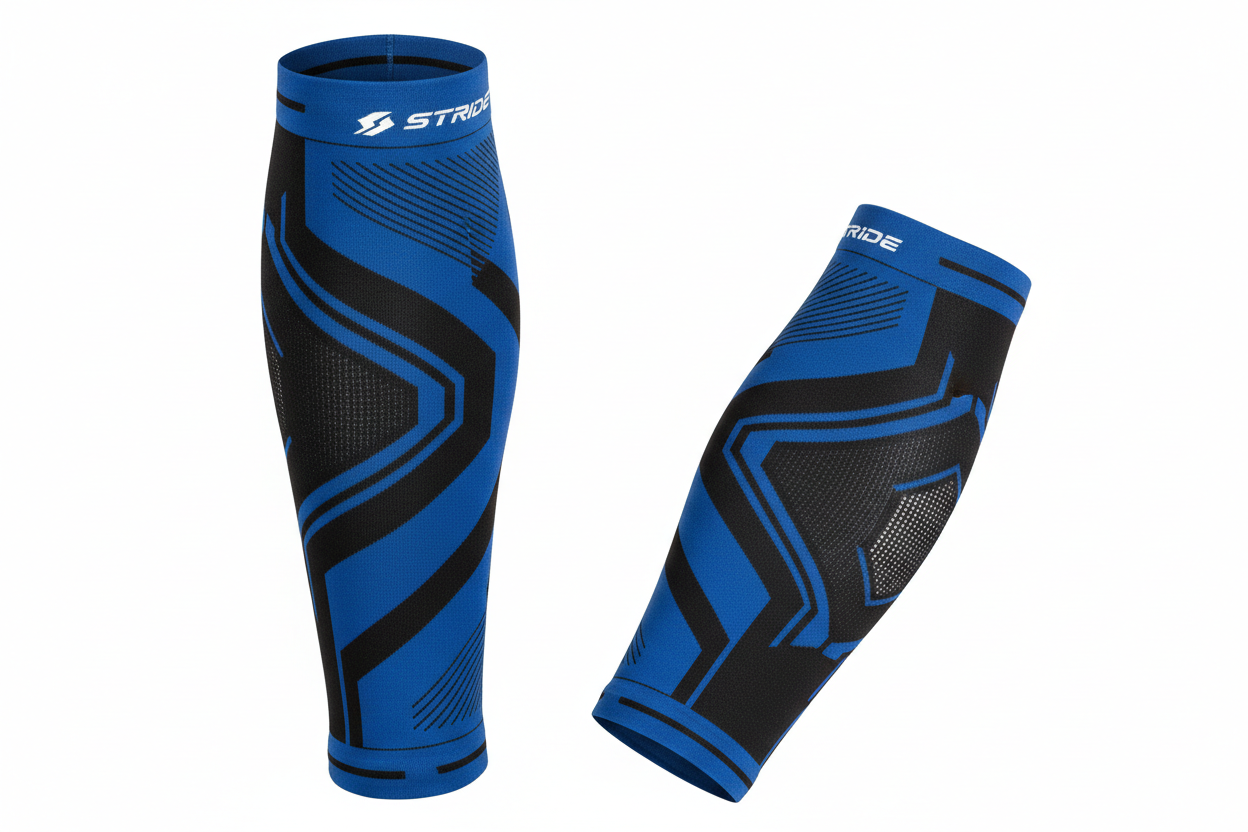
Leg compression sleeves are specialized garments designed to apply graduated or uniform pressure to your lower legs. They work by facilitating blood flow and reducing muscle oscillation during movement, which can decrease soreness and accelerate recovery. Unlike compression socks that cover the foot, compression sleeves focus on the calf and shin area, making them ideal for targeted support without foot coverage.
Types of Compression Sleeves for Legs
Graduated Compression Sleeves
Graduated compression provides maximum pressure at the ankle and gradually decreases as it moves up the calf. This design mimics the body's natural circulatory patterns and is highly effective for improving blood flow. Graduated sleeves are the most commonly recommended option for medical use and athletic recovery.
Uniform Compression Sleeves
Uniform compression maintains consistent pressure throughout the sleeve. While slightly less sophisticated than graduated compression, uniform sleeves can still provide excellent support and are often more comfortable for extended wear. They work well for everyday use and mild support needs.
Pneumatic/Dynamic Compression Sleeves
These innovative sleeves use air chambers or mechanical systems to apply pulsating pressure. Pneumatic compression is often used in clinical and professional sports settings for intensive recovery protocols. Options like the Therabody RecoveryPulse Sleeve represent the cutting edge of compression technology, combining ease of use with advanced recovery benefits.
Did You Know?
Studies have shown that compression sleeves can reduce delayed-onset muscle soreness (DOMS) by up to 20%, making them valuable for both amateur and professional athletes.
Who Needs Compression Sleeves?
Athletes and Runners
If you're training for a marathon, competing in high-impact sports, or doing intensive cross-training, compression sleeves can accelerate recovery and reduce muscle fatigue. They're particularly popular among runners who experience significant calf and shin stress.
Healthcare Workers and Nurses
Spending 8-12 hours on your feet puts significant strain on your legs and circulation. Compression sleeves help manage fatigue and reduce the risk of blood clots during prolonged standing.
Frequent Travelers
Long flights and road trips increase the risk of deep vein thrombosis (DVT) and leg swelling. Wearing compression sleeves during travel can significantly improve circulation and reduce discomfort.
Post-Surgery Recovery
After orthopedic procedures, vein surgery, or other leg-related interventions, compression sleeves provide medical-grade support that aids healing and reduces swelling.
People with Circulation Issues
Those with varicose veins, edema, or other circulatory concerns benefit from the therapeutic pressure provided by compression sleeves.
How to Choose the Right Compression Level
Compression levels are measured in millimeters of mercury (mmHg). Understanding these measurements is crucial to selecting the right sleeve:
| Compression Level | mmHg Range | Best For | Use Case |
|---|---|---|---|
| Mild | 8-15 mmHg | General wellness and comfort | Everyday wear, mild swelling, athletic recovery |
| Moderate | 15-20 mmHg | Athletic performance and recovery | Runners, athletes, prolonged standing |
| Firm | 20-30 mmHg | Therapeutic and medical support | Post-surgery, medical conditions, clinical settings |
| Extra Firm | 30-40 mmHg | Clinical and prescription-grade | Severe edema, lymphedema, post-surgical |
Important Compression Note
Higher compression is not always better. Select the minimum compression level that addresses your specific needs. Overly tight sleeves can cause discomfort and potential circulation issues. When in doubt, consult with a healthcare provider.
Selecting the Right Material
Moisture-Wicking Fabrics
Look for sleeves made with moisture-wicking materials like nylon, spandex blends, or specialized technical fabrics. These materials pull sweat away from your skin, keeping you dry and comfortable during extended wear.
Breathability
Compression sleeves worn during warm weather or intense activity need excellent ventilation. Open-knit designs and breathable panels prevent heat buildup and reduce skin irritation.
Durability
Quality construction with reinforced seams and high-grade materials ensures your sleeves will maintain their compression properties wash after wash. Medical-grade materials typically outlast budget options significantly.
Skin-Friendly Options
If you have sensitive skin, look for hypoallergenic materials and sleeves with smooth inner linings. Some users find bamboo-blended fabrics particularly comfortable for all-day wear.
Measuring for the Perfect Fit
Proper sizing is essential for maximum effectiveness. Follow these steps to measure correctly:
- Measure Your Calf: At the widest point of your calf, measure the circumference using a soft measuring tape.
- Measure Your Ankle: At the narrowest point just above your ankle bone, record the circumference.
- Measure Your Leg Length: From the bottom of your knee to the top of your ankle, measure the vertical distance.
- Consider Your Shoe Size: Sleeve length varies; ensure the sleeve won't interfere with your shoe fit or slip down during activity.
- Check Manufacturer Guidelines: Each brand has specific sizing charts. Cross-reference your measurements with their recommendations.
Sizing Matters
A sleeve that's too tight will cut off circulation and cause discomfort. One that's too loose won't provide adequate support. Take time to get your measurements right.
Sources & Clinical References
- 1. Haun CT, et al. "Effects of pneumatic compression on recovery after exercise." International Journal of Exercise Science. 2017;10(5):764-779.
- 2. Marcello RT, et al. "Intermittent pneumatic compression boot use elevates blood lactate clearance." Journal of Strength and Conditioning Research. 2019;33(S1):S150-S157.
- 3. Draper SN, et al. "Effects of intermittent pneumatic compression on delayed-onset muscle soreness." Journal of Athletic Training. 2020;55(12):1216-1223.
All product recommendations are informed by published clinical research. Your Health Sanctuary is committed to evidence-based recovery guidance.
📋 Free Compression Therapy Comparison Guide
Not sure which compression system fits your recovery needs? Get our side-by-side comparison chart with pressure ranges, features, and use-case recommendations for every budget.
📞 Call for Personalized Compression Therapy Advice: (612) 360-2490Continue Your Research
Medical vs. Athletic Use Cases
Medical Applications
Compression sleeves prescribed for medical conditions require clinical-grade compression levels and often need to meet specific standards. If you're using compression sleeves for post-surgery support, lymphedema management, or diagnosed circulatory conditions, work with your healthcare provider to select an appropriate option.
Athletic Applications
For sports and training, moderate compression (15-20 mmHg) typically provides the best balance of support without restricting circulation. Many athletes prefer sleeves that offer flexibility and breathability, allowing for intense training without overheating.
Featured Products: Therabody and Rapid Reboot Solutions
Therabody RecoveryPulse Sleeve
The Therabody RecoveryPulse Sleeve represents an innovative approach to compression recovery. As a pneumatic compression sleeve, it combines ease of use with advanced recovery technology. This product is ideal for serious athletes and individuals seeking clinical-grade recovery support. The sleeve offers customizable compression settings and targeted therapy protocols designed to maximize recovery between training sessions.
Rapid Reboot Collection
The Bio Compression SC-4004-DL product collection features comprehensive compression solutions designed for active recovery. Their range includes multiple compression levels and styles to address various needs, from everyday comfort sleeves to performance-focused athletic options. Rapid Reboot products are known for their durability and consistent quality across different use cases.
Product Comparison
When choosing between products, consider whether you need passive graduated compression or active pneumatic compression. Therabody's dynamic option suits those seeking maximum therapeutic benefit, while Rapid Reboot's traditional compression sleeves work well for continuous daily support and athletic training.
How to Measure Compression Effectiveness
To gauge whether your compression sleeves are working effectively, track these indicators:
- Reduced muscle soreness 24-48 hours after intense activity
- Decreased calf and shin pain during prolonged standing or walking
- Improved recovery time between training sessions
- Reduced leg swelling and fatigue by end of day
- Enhanced circulation and warmer leg skin
- Improved comfort during long travel or standing activities
Care and Maintenance of Compression Sleeves
Washing Instructions
Most compression sleeves should be hand-washed in cold water with mild detergent. Machine washing and high heat can damage the elastic fibers and reduce compression effectiveness. Allow sleeves to air dry completely before wearing again.
Storage
Store compression sleeves in a cool, dry location away from direct sunlight. Avoid folding them tightly; instead, loosely roll them to maintain elasticity.
Lifespan and Replacement
Quality compression sleeves typically maintain effectiveness for 6-12 months of regular use. After this period, the elastic fibers gradually lose their compression properties. Replace sleeves when you notice they feel loose or no longer provide adequate support.
Daily Use Tips
- Put on sleeves before swelling occurs (morning is ideal)
- Ensure skin is clean and dry before wearing
- Avoid applying lotions or oils that can degrade the material
- Remove sleeves before sleeping unless medically directed
- Rotate between two pairs to allow proper air-drying and extend lifespan
Speak with Our Wellness Experts
Choosing the right compression sleeve depends on your individual needs, body measurements, and health goals. Our team at Your Health Sanctuary specializes in helping customers find the perfect recovery solution.
Whether you're recovering from surgery, training for competition, managing a medical condition, or simply seeking to enhance your daily wellness routine, we're here to guide you toward the best choice.
Call us at (612) 360-2490
Our knowledgeable representatives can answer your questions, help with sizing, and discuss which compression solution aligns with your recovery goals.
Common Questions About Compression Sleeves
Yes, compression sleeves designed for daily wear can be worn throughout the day. However, most medical professionals recommend removing them before sleep to allow your skin to breathe. If you have a specific medical condition, follow your healthcare provider's recommendations for duration and frequency.
Many users notice improved comfort and reduced swelling within the first few days. However, the most significant benefits for muscle recovery and athletic performance typically become apparent after 1-2 weeks of consistent use. Therapeutic benefits for medical conditions may take longer.
While generally safe, compression sleeves aren't appropriate for everyone. Consult a healthcare provider before wearing compression if you have severe circulation issues, diabetes with nerve damage, dermatitis, or deep vein thrombosis. Pregnant individuals should also seek medical guidance before use.
Absolutely. In fact, wearing compression sleeves during exercise can enhance performance and reduce muscle soreness. However, ensure your sleeves are properly sized and made of breathable material. If you feel restricted or uncomfortable, you may need a different size or style.
Signs that sleeves are too tight include numbness, tingling, increased pain, skin discoloration, or circulation cutoff. Your leg should feel snug but not painful. You should be able to fit one finger under the top edge. If you experience any concerning symptoms, remove the sleeves and reassess your sizing.
Compression sleeves cover the calf and shin area without foot coverage, making them ideal for running, training, and focused calf support. Compression socks extend to the foot and offer comprehensive leg and foot compression. Choose sleeves for targeted support or socks for full-leg coverage.
Your Compression Sleeve Buying Checklist
Before making your purchase, ensure you have considered:
- Your specific needs (athletic, medical, travel, or general wellness)
- Appropriate compression level (8-40 mmHg range)
- Accurate calf and ankle circumference measurements
- Leg length to ensure proper coverage
- Material preferences (moisture-wicking, breathable, skin-friendly)
- Your daily activity level and climate
- Budget and expected durability
- Whether you need graduated or uniform compression
- Product reviews from users with similar needs
- Return policy and warranty information
Final Thoughts: Investing in Your Recovery
Compression sleeves are a science-backed recovery tool that can significantly enhance your athletic performance, accelerate healing, and improve daily comfort. By understanding the different types, measuring correctly, and selecting the appropriate compression level for your needs, you'll maximize the benefits of this valuable wellness investment.
Whether you choose the advanced recovery technology of Therabody RecoveryPulse Sleeve or explore the comprehensive options in the Bio Compression SC-4004-DL collection, you're taking an important step toward better recovery and overall wellness.
Your legs carry you through life's activities. They deserve the support that quality compression sleeves provide.
Ready to Find Your Perfect Compression Sleeves?
Let our wellness experts guide you toward the ideal compression solution for your lifestyle and recovery goals.
Written by Justin Webster
Founder, Your Health Sanctuary
Justin Webster is the founder of Your Health Sanctuary, a recovery equipment resource dedicated to helping athletes, post-surgical patients, and chronic pain sufferers find evidence-based recovery solutions. With hands-on experience testing professional-grade devices from brands like Therabody, Game Ready, Bioflex, and HealthLight, Justin combines product expertise with clinical research to provide actionable recovery guidance. All recommendations are based on published clinical evidence and real-world testing.