
What Makes a High Quality Red Light Therapy Device?
What Makes a High Quality Red Light Therapy Device?
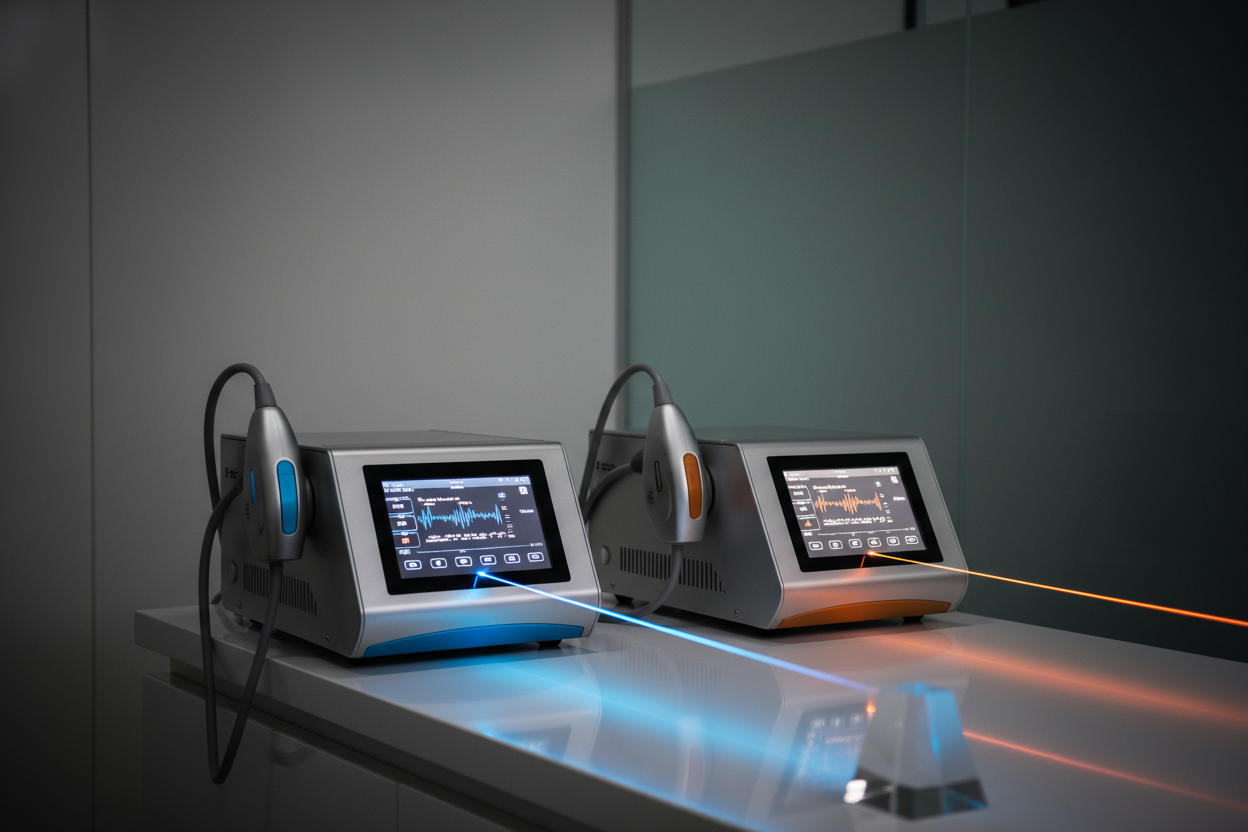
Not all red light therapy devices are created equal. The market is flooded with inexpensive panels and wands that use vague spec sheets and stock photos to look convincing — while delivering wavelengths, power densities, and build standards that produce little to no measurable therapeutic effect. If you’re investing in high quality red light therapy, knowing how to tell the difference isn’t optional. It’s the whole game.
This guide breaks down exactly what separates a device that works from one that just glows.
1. Wavelength Precision: The Single Most Important Spec
Red light therapy works through specific biological mechanisms — primarily photobiomodulation, the process by which certain light wavelengths trigger mitochondrial activity, increase ATP production, and reduce cellular inflammation. This only happens within defined wavelength windows:
- 630–670 nm (red): Penetrates skin surface layers; used for collagen stimulation, wound healing, and skin rejuvenation
- 810–850 nm (near-infrared): Penetrates deeper into muscle and joint tissue; used for pain relief, inflammation, and recovery
A 2019 review published in Photobiomodulation, Photomedicine, and Laser Surgery confirmed that devices operating outside these ranges — even by 20–30 nm — show significantly reduced biological effect. Many consumer-grade devices list “red light” without specifying wavelength at all. That’s a red flag.
High quality devices specify exact emission wavelengths — not ranges — and back them with spectral testing data. If a brand won’t tell you the nm output, don’t buy it.
2. FDA Clearance: The Clinical Credibility Standard
FDA clearance for red light therapy devices means the manufacturer submitted clinical evidence demonstrating safety and efficacy for specific indications — and the FDA agreed. This is a fundamentally different bar than “FDA registered,” which simply means the device has been logged in a database with no clinical review.
FDA-cleared red light therapy devices have proven, through clinical trials, that they do what they claim to do. For a deeper look at what clearance actually means, see our full guide on FDA cleared red light therapy devices and why it matters.
Non-cleared devices may still be effective — especially devices used in professional clinical settings with well-documented protocols — but for consumer purchases, FDA clearance is the fastest shortcut to knowing a device meets a defined clinical standard.
3. Power Density (Irradiance): How Much Light Actually Reaches Your Tissue
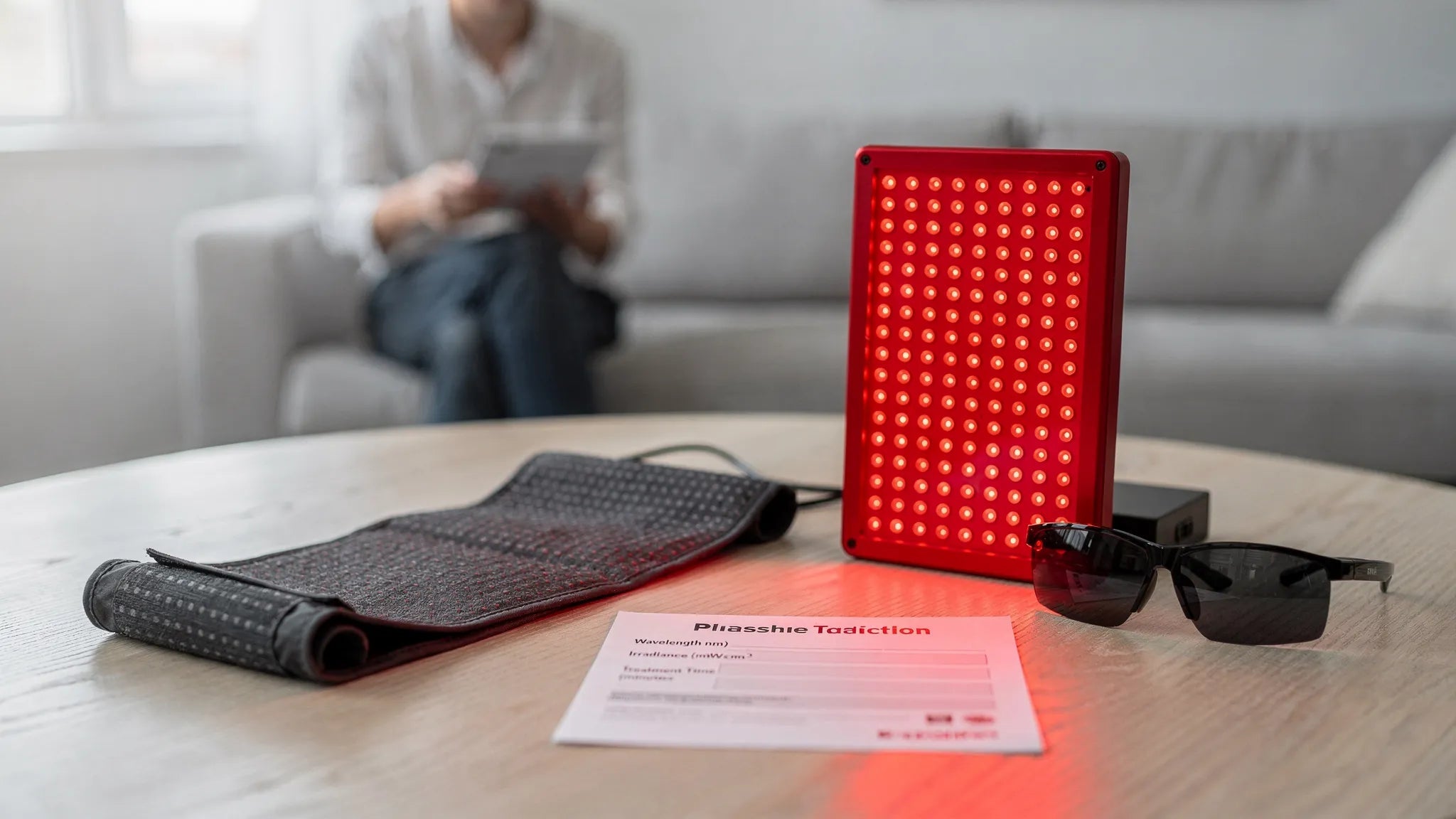
Irradiance — measured in mW/cm² — determines how much light energy reaches the treatment site per unit of time. Most therapeutic protocols require 10–100 mW/cm² at the treatment distance to achieve a biological effect within a reasonable session time (5–20 minutes).
Budget devices often advertise high LED counts but deliver low irradiance because the LEDs are underpowered or the device is meant to be used far from the body. A device with 200 LEDs at 0.5 mW/cm² is far less effective than a panel with 100 LEDs at 50 mW/cm².
High quality devices publish irradiance data at specific distances (typically 6 inches and 12 inches) from an independent third-party measurement. If you only see LED count and no irradiance data, the company is hiding something.
4. Treatment Area Coverage and Device Design
The best device for your goals depends heavily on what you’re treating. A facial red light mask is purpose-built to treat the contours of the face at optimal distance — which a generic flat panel cannot replicate. A full-body flexible pad system can wrap injured joints and conform to areas a rigid panel misses entirely.
High quality design means the device delivers the right wavelength and power density to the right tissue consistently. That requires engineering choices — not just LED count.
For a comparison of form factors and what to look for in different device categories, see our guide on best red light therapy panels and how to choose.
5. Clinical Pedigree and Real-World Results
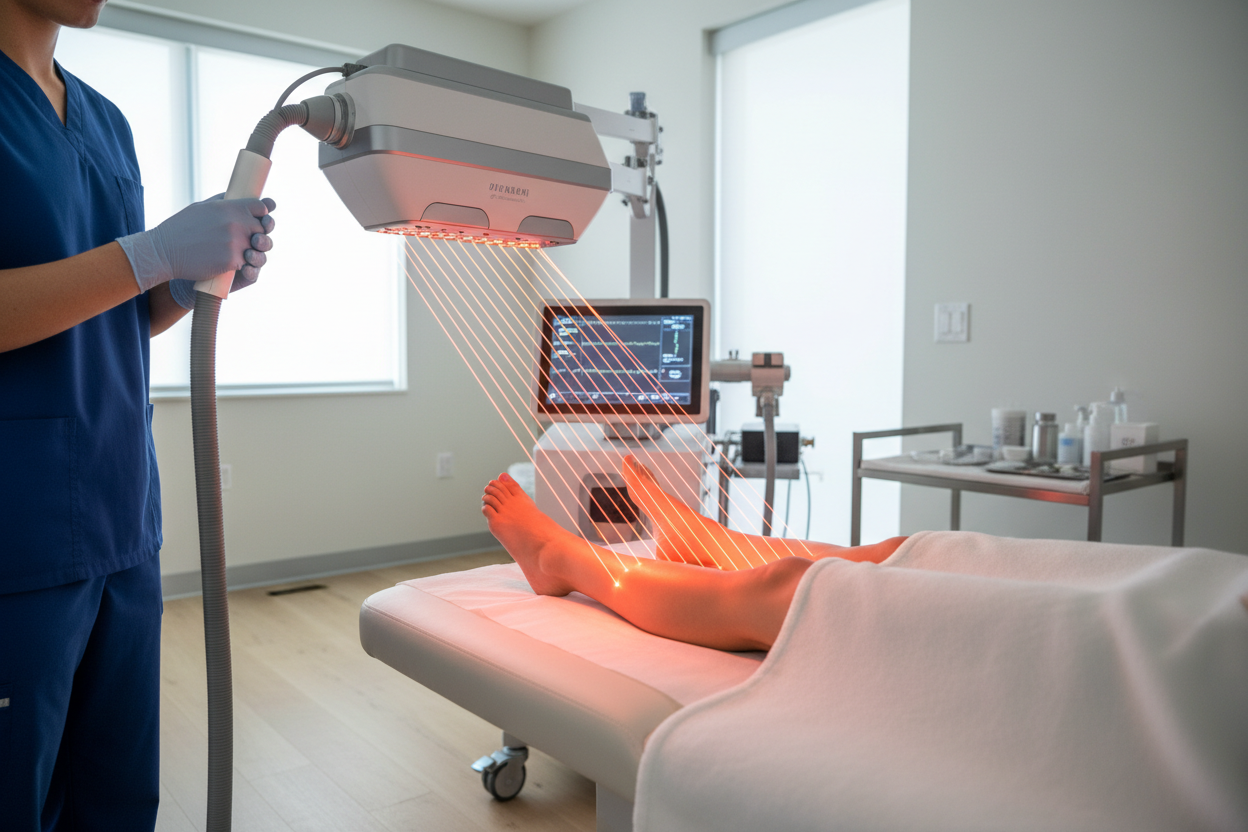
High quality red light therapy devices are used in clinical environments — physical therapy practices, integrative medicine clinics, dermatology offices — not just sold to consumers. That clinical adoption is itself a quality signal. Clinicians who use equipment on patients every day select on reliability, reproducibility, and outcome data — not marketing.
If a device is trusted by clinics, there’s a paper trail: clinical studies, professional endorsements, and peer-reviewed research. Consumer-only brands rarely have this. For more on what real-world results look like, see our guide on red light therapy before and after: real results and what to expect.
Two High Quality Red Light Therapy Devices We Recommend
For Facial & Skin Red Light Therapy
The TheraFace Mask FDA Cleared is one of the few consumer facial red light therapy devices to carry FDA clearance. It delivers precise 630 nm and 850 nm wavelengths across a full-face mask form factor that maintains optimal distance from the skin surface automatically. It’s used for wrinkle reduction, skin tone, and collagen stimulation — with clinical data to back the claims.
HSA/FSA eligible. Free shipping. Price match guarantee. Call (612) 360-2490 for clinical guidance.
For Full-Body & Clinical-Grade Red Light Therapy
The HealthLight Ultimate Body Kit is a professional-grade flexible pad system trusted by integrative health clinics nationwide. It delivers 630 nm and 880 nm wavelengths through conforming pads that wrap directly against the body — eliminating the distance problem that limits flat panels. This is the same technology used across 13+ clinic locations. If you’re treating joint pain, muscle recovery, or chronic inflammation, this is the clinical standard.
HSA/FSA eligible. Free shipping. Price match guarantee. Call (612) 360-2490 for a clinical recommendation.
What to Avoid
Here are the clearest warning signs of a low-quality red light therapy device:
- No published wavelength (nm) — only “red light” or “near-infrared”
- No irradiance data at any treatment distance
- “FDA registered” listed as if it means FDA cleared — it doesn’t
- No third-party testing or clinical citations
- Only available through Amazon with no brand website or support
- Prices under $50 for a “full body panel” — physics doesn’t allow adequate power at that price
Saving $80 on an ineffective device is not a deal. It’s eight weeks of wasted sessions and zero results.
Frequently Asked Questions
What wavelength is best for high quality red light therapy?
The two clinically validated wavelength windows are 630–670 nm (red) for surface tissue and skin, and 810–850 nm (near-infrared) for deeper muscle and joint penetration. High quality devices specify exact nm values and provide third-party spectral data.
Is FDA cleared the same as FDA approved for red light therapy devices?
No. FDA cleared (510(k) pathway) means the device has been shown to be substantially equivalent to a legally marketed predicate device and has demonstrated safety and efficacy for specific indications. FDA approved requires a higher-evidence premarket approval process. Both are far above “FDA registered,” which requires no clinical review.
How much power density do I need for effective red light therapy?
Most therapeutic protocols call for 10–100 mW/cm² at the treatment distance. Always ask for irradiance data at your intended treatment distance (typically 6 inches for panels, contact for pads). Total energy delivered per session (J/cm²) determines biological effect — power density × time = dose.
Can I use red light therapy every day?
Yes, most protocols support daily use for the first 4–8 weeks, then 3–5x/week for maintenance. Overdosing is possible at very high irradiances — another reason to buy from brands that publish their specs and provide clinical dosing guidance.
What’s the difference between a red light panel and a flexible pad system?
Panels work at a fixed distance; they’re convenient but can’t conform to curved body parts. Flexible pad systems like the HealthLight kit wrap directly against the skin, eliminating the distance variable entirely and often delivering more consistent irradiance to joints, shoulders, and backs that panels can’t reach effectively.
About the Author
Justin Webster
Justin Webster is the Co-founder and COO of Your Health Sanctuary, overseeing a network of 13 integrative health clinics with more than 20 additional clinic partnerships across the United States. With years of hands-on experience sourcing, testing, and implementing professional recovery and light therapy equipment in clinical environments, Justin brings a practitioner’s perspective to every product recommendation. His mission is to make clinical-grade recovery technology accessible to athletes, post-surgical patients, and anyone seeking lasting results.