
You've probably seen the photos: dull, tired skin on the left, glowing and smooth on the right. But what actually happens when you commit to red light therapy — and how long does it take to get real results?
This guide cuts through the marketing and gives you the actual science behind red light therapy before and after outcomes: what changes, what doesn't, realistic timelines, and what the clinical evidence says about results you can expect in 2026.
What Red Light Therapy Actually Does to Your Body
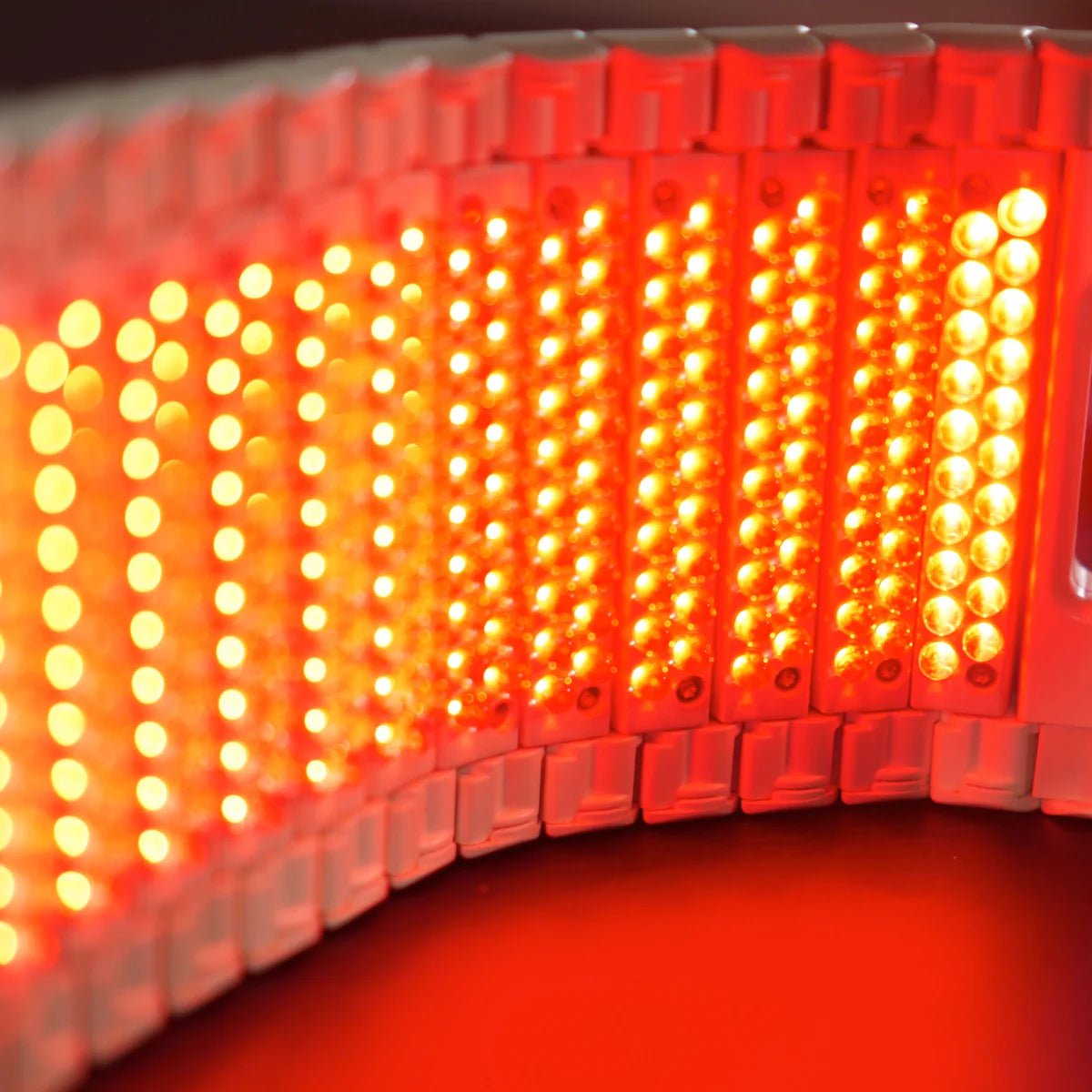
Red light therapy (RLT), also called photobiomodulation (PBM), uses specific wavelengths of light — typically 630–680nm (red) and 800–850nm (near-infrared) — to penetrate tissue and trigger a cascade of biological responses. The core mechanism: light photons are absorbed by cytochrome c oxidase in mitochondria, stimulating ATP production, reducing oxidative stress, and triggering anti-inflammatory and regenerative pathways.
This isn't topical — the light reaches the tissue itself. Near-infrared wavelengths penetrate 5–10cm into tissue, reaching muscle, joint capsule, and even bone. This is why before and after results span so many different applications: skin, joints, muscles, nerves, and wound healing all respond through the same fundamental photobiomodulation pathway.
Red Light Therapy Before and After: What the Clinical Evidence Shows
Skin Rejuvenation Results
Skin is the most well-documented application area. Across multiple randomized controlled trials, red light therapy at 630–660nm has demonstrated measurable improvements in skin complexion, collagen density, and wrinkle severity. A randomized trial (n=136) showed a 36% reduction in wrinkle severity scores after 9 weeks of twice-weekly treatment at 633nm.
Realistic timeline: Most people notice initial improvements in skin brightness and texture after 2–4 weeks. Meaningful wrinkle reduction and collagen changes typically require 8–12 weeks of consistent sessions (3–5 times per week).
Muscle Recovery and Performance
A 2016 meta-analysis in the European Journal of Sport Science (reviewing 39 studies) found that pre-exercise photobiomodulation reduced delayed-onset muscle soreness (DOMS) by up to 45% and increased muscle performance by 10–12% in trained athletes. Post-exercise application accelerated recovery markers including creatine kinase normalization.
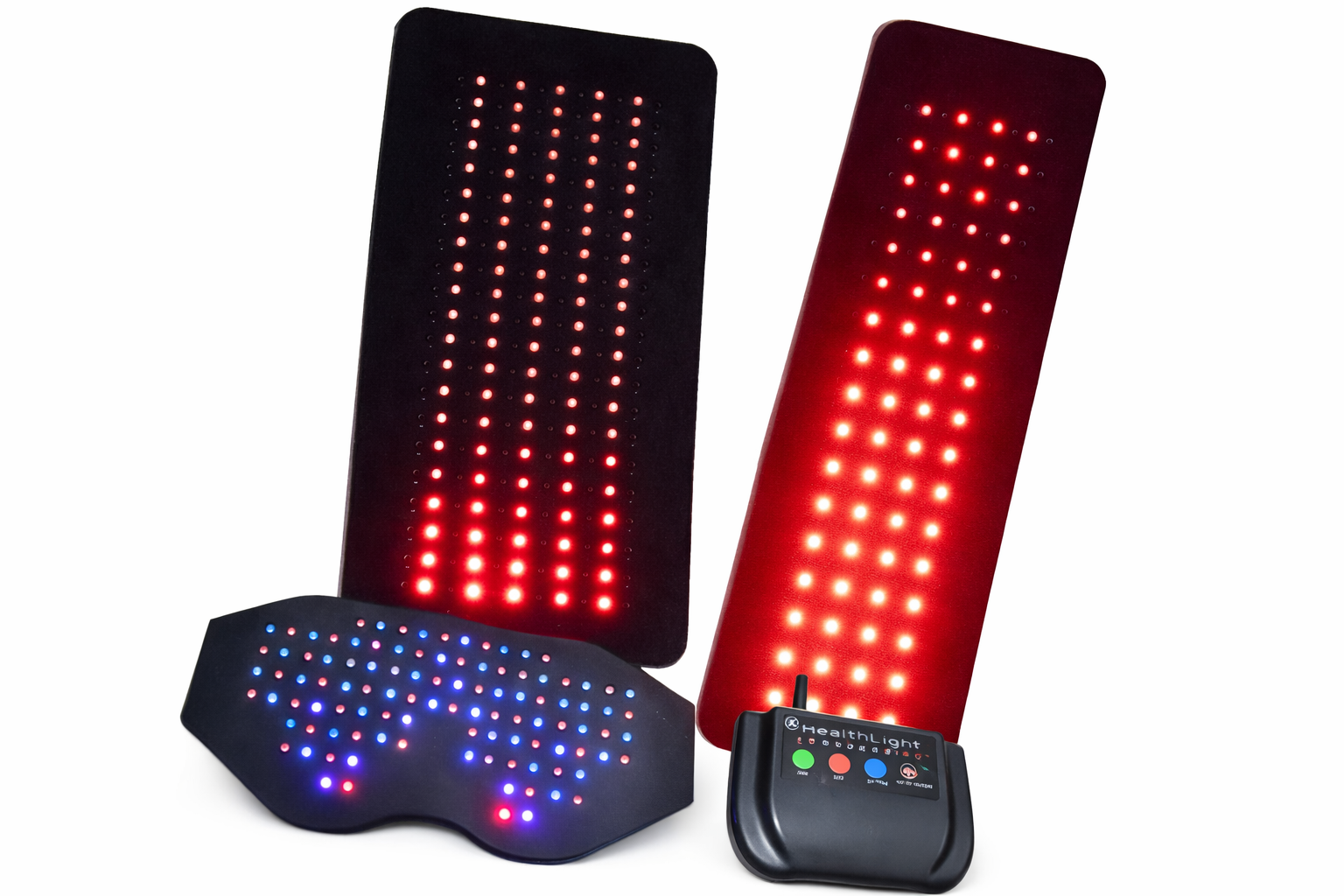
Clinical applications using devices like the HealthLight Ultimate Body Kit — which delivers medical-grade wavelengths across large body surface areas — replicate these protocols in clinical and home settings. The full-body coverage ensures both pre- and post-exercise photobiomodulation can be applied systemically, matching the clinical research protocols.
Joint and Inflammatory Conditions
For osteoarthritis, tendinopathy, and chronic inflammation, the before and after picture looks like: reduced pain scores (VAS), improved range of motion, and decreased inflammatory biomarkers. A Cochrane-level systematic review found moderate evidence for RLT reducing pain in knee osteoarthritis, with effects persisting for up to 8 weeks post-treatment.
Factors That Determine Your Before and After Results
1. Wavelength and Power Output
Not all red light is equal. Clinical outcomes are achieved at specific wavelengths (630–660nm for superficial; 810–850nm for deep tissue) and at therapeutic irradiance levels (typically 20–100 mW/cm²). Consumer devices that don't reach therapeutic power density will produce minimal before and after changes, regardless of session length.
2. Dose and Session Consistency
Red light therapy follows a dose-response curve — too little produces no effect, optimal dose produces maximum benefit, and excessive dose can reduce effects (biphasic response). The therapeutic window for most applications is 4–12 J/cm² per session.
3. Device Quality and Coverage Area
Medical-grade devices designed for consistent application — like the TheraFace Mask for facial photobiomodulation or the HealthLight Ultimate Body Kit for body-wide treatment — deliver consistent, clinically validated wavelengths and power densities. This directly translates to more reliable before and after outcomes.
Realistic Red Light Therapy Before and After Timelines
| Week | What You May Notice |
|---|---|
| 1–2 | Improved skin brightness, reduced post-workout soreness, improved sleep in some users |
| 3–4 | Skin texture improvement, reduced pore appearance, noticeably faster workout recovery |
| 6–8 | Visible reduction in fine lines, improved joint comfort, skin tone normalization |
| 10–12 | Dramatic wrinkle reduction possible, significant pain relief in joint conditions, optimized athletic recovery |
| 12+ weeks | Maintenance phase — continued results with lower session frequency (2–3x/week) |
Frequently Asked Questions
How long does it take to see results from red light therapy?
Most people notice initial changes in skin brightness and muscle recovery within 2–4 weeks of consistent sessions. Meaningful before and after differences in collagen density, wrinkle reduction, and joint pain require 8–12 weeks of regular treatment (3–5 sessions per week). The biological processes involved — collagen synthesis, mitochondrial adaptation — are cumulative and cannot be rushed.
How often should you do red light therapy to see before and after results?
Clinical research protocols typically use 3–5 sessions per week. For an initial loading phase (first 4–8 weeks), daily or every-other-day sessions may accelerate early results. After establishing a baseline response, most people maintain results with 3 sessions per week. Consistency is the most important factor in dramatic before and after transformations.
What areas show the best red light therapy before and after results?
Facial skin shows among the most visible before and after changes due to its proximity to the surface and the high density of collagen-producing fibroblasts. Muscle recovery results are reported most quickly (often within the first week). Joint pain improvements in conditions like osteoarthritis typically require 4–6 weeks of consistent treatment.
Are red light therapy results permanent?
Red light therapy results are not permanent — they are sustained through ongoing treatment. Clinical studies show effects typically persist for 4–8 weeks after stopping treatment, after which biological processes return to baseline. Most people treat red light therapy like exercise: a maintenance schedule of 2–3 sessions per week sustains before and after improvements long-term.
Do red light therapy results depend on the device I use?
Yes — significantly. Clinical before and after results are achieved with devices that deliver therapeutic wavelengths (630–660nm and 810–850nm) at therapeutic power densities (20–100 mW/cm²). Underpowered consumer devices that don't reach these thresholds will produce minimal results regardless of session length. Medical-grade devices with clinically validated wavelengths and power outputs are necessary to replicate the outcomes documented in peer-reviewed research.
References
- Wunsch A, Matuschka K. A controlled trial to determine the efficacy of red and near-infrared light treatment. Photomedicine and Laser Surgery. 2014. doi: 10.1089/pho.2013.3616.
- Avci P, et al. Low-level laser (light) therapy (LLLT) in skin: stimulating, healing, restoring. Seminars in Cutaneous Medicine and Surgery. 2013.
- Leal Junior EC, et al. Effect of phototherapy on exercise performance and markers of exercise recovery. Lasers in Medical Science. 2015.
- Bjordal JM, et al. A systematic review of low level laser therapy for pain from chronic joint disorders. Australian Journal of Physiotherapy. 2003.