
Red Light Therapy Skin Care Benefits and Best Practices
Red light therapy has become one of the most talked-about tools in modern skin care, and for good reason. Unlike exfoliating acids, retinoids, or in-office resurfacing treatments, red light does not work by removing layers of skin. It uses specific wavelengths of light to support cellular activity, calm visible irritation, and encourage healthier-looking skin over time.
The key phrase is over time. Red light therapy skin care benefits are usually gradual, not instant. The people who get the best results tend to use the right device, follow the recommended distance and timing, protect their skin barrier, and stay consistent for several weeks.
This guide breaks down what red light therapy can realistically do for skin, how to use it safely at home, and what to look for when choosing a device.
How red light therapy works for skin
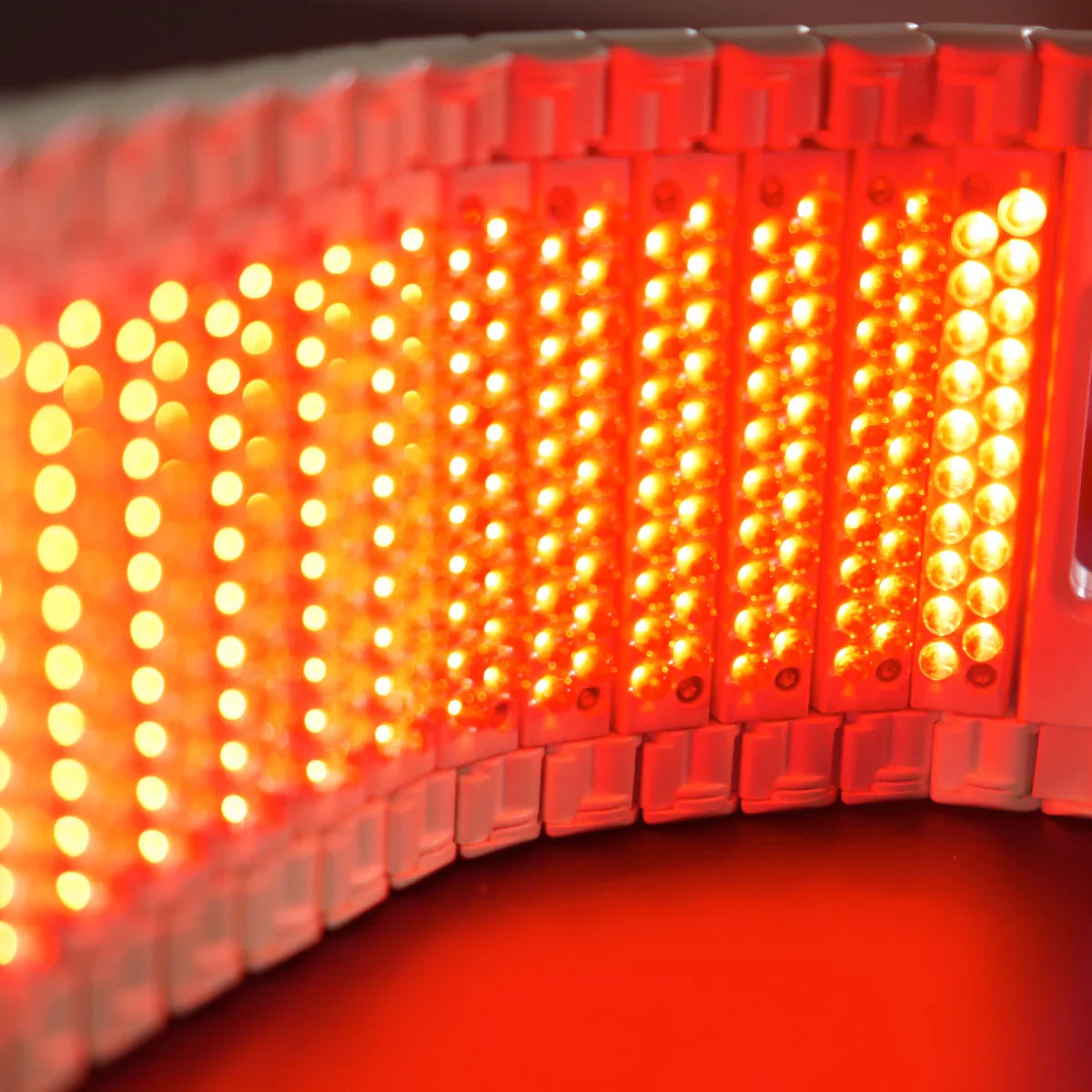
Red light therapy is a form of photobiomodulation, which means light is used to influence biological activity in cells. In skin care, the most common wavelengths are red light around 630 to 660 nanometers and near-infrared light around 810 to 850 nanometers.
Red light is mostly used for visible skin benefits because it interacts with superficial and mid-depth skin tissues. Near-infrared light penetrates more deeply and is often discussed in relation to circulation, inflammation, muscle recovery, and joint comfort, but it can still be part of a skin care protocol depending on the device.
A widely cited review on low-level light therapy in skin explains that photobiomodulation may influence mitochondrial activity, inflammatory signaling, tissue repair, and collagen-related processes. In practical terms, this means red light therapy does not act like a cosmetic cover-up. It supports the conditions your skin needs to look healthier.
Think of it as a skin-supportive habit, similar to sunscreen, sleep, hydration, and a consistent topical routine. It can be powerful, but it is not a replacement for medical dermatology care when you are dealing with acne scarring, suspicious lesions, severe rosacea, eczema flares, or rapidly changing skin concerns.
Red light therapy skin care benefits: what the evidence suggests
Red light therapy is often marketed as a cure-all, which creates unrealistic expectations. The strongest cosmetic case is not that it will transform skin overnight, but that it can support healthier-looking texture, tone, and recovery when used consistently.
Smoother texture and fine lines
One of the most popular uses of red light therapy is skin rejuvenation. Red light may support fibroblast activity, collagen organization, and skin elasticity, which are all relevant to fine lines and texture.
In a controlled clinical trial published in Photomedicine and Laser Surgery, red and near-infrared light treatment was associated with improvements in skin complexion, feeling, collagen density, and patient satisfaction. That does not mean every person will see the same result, but it does support the idea that consistent light exposure can produce visible cosmetic changes.
Best results are usually subtle and cumulative. You may notice that makeup sits more evenly, skin looks a bit more rested, or fine lines appear less pronounced after several weeks.
Calmer-looking skin and reduced visible redness
Red light therapy is also valued for its anti-inflammatory effects. For people whose skin looks stressed, flushed, or irritated after workouts, travel, shaving, or aggressive skin care, red light may help support a calmer appearance.
This is not the same as treating an underlying medical condition. If you have rosacea, dermatitis, or unexplained redness, it is smart to work with a dermatologist. But for general visible irritation, red light can be a useful part of a barrier-friendly routine.
If inflammation is a major concern, you may also find it helpful to read our guide on red light therapy for inflammation, which explains the broader recovery mechanisms behind photobiomodulation.
Support for acne-prone skin
Red light can be helpful for acne-prone skin because it may calm inflammation and support healing after breakouts. However, it is important to understand the difference between red light and blue light.
Blue light is more commonly used for targeting acne-associated bacteria on the surface of the skin. Red light is more often used for inflammation, redness, and post-breakout recovery. Many acne-focused LED devices combine blue and red wavelengths for that reason.
If you have moderate to severe acne, painful cystic acne, or acne that is causing scarring, red light should be considered supportive care, not a stand-alone treatment.
Better recovery after skin stress
Red light therapy may support skin recovery after minor irritation, dryness, or barrier stress. Some people use it after travel, intense sun exposure risk (not on a burn without medical guidance), cosmetic treatments, or periods of high stress when skin looks dull and reactive.
For post-procedure use, always follow your provider's instructions. Red light may be used in professional settings after certain treatments, but timing matters. Freshly treated skin can be more sensitive, and not every procedure pairs with at-home light therapy right away.
| Potential benefit | What you may notice | Typical timeline | Important limitation |
|---|---|---|---|
| Fine lines and texture | Skin looks smoother and more even | 8 to 12 weeks | Deeper wrinkles usually need additional treatments |
| Redness and irritation | Skin appears calmer after consistent use | 2 to 6 weeks | Medical redness needs diagnosis |
| Acne-prone skin support | Less post-breakout redness and faster-looking recovery | 4 to 12 weeks | Red light alone may not control active acne |
| Dullness | Healthier-looking glow and better tone | 3 to 8 weeks | Results depend heavily on sleep, sunscreen, and skin care |
| Barrier recovery | Skin feels less reactive over time | 2 to 6 weeks | Overuse can irritate sensitive skin |
Red light, near-infrared, and blue light: which matters for skin?
Not all light therapy is the same. Wavelength determines how the light interacts with tissue, and device design determines how much usable light actually reaches the skin.
| Light type | Common wavelength range | Main skin care role | What to know |
|---|---|---|---|
| Red light | 630 to 660 nm | Fine lines, texture, redness, skin rejuvenation | Most relevant for cosmetic facial use |
| Near-infrared light | 810 to 850 nm | Deeper tissue support, circulation, inflammation | Often paired with red light in panels and pads |
| Blue light | 405 to 420 nm | Acne-focused routines | Can be useful, but may be drying for some skin types |
| Amber or yellow light | Around 580 to 590 nm | Redness and tone support | Evidence and device quality vary widely |
For a general skin care routine, red light is the foundation. If your goals include recovery, inflammation support, or broader wellness benefits, a red plus near-infrared device may make sense. If your main goal is acne management, a device that includes blue light may be worth discussing with a dermatologist.
Best practices for using red light therapy in your skin care routine
Red light therapy is simple, but small details make a big difference. More time is not always better, and using a device inconsistently will rarely produce meaningful results.
Before your first session, take a few baseline photos in natural light. Use the same location, same angle, and same time of day when you check progress. Skin changes can be gradual, and photos are more reliable than memory.
A few basic habits will help you start safely:
- Read the device manual before your first session.
- Start with shorter sessions if your skin is sensitive.
- Use red light on clean, dry skin unless the manufacturer says otherwise.
- Avoid applying exfoliating acids, retinoids, or photosensitizing products immediately before treatment.
- Stop if you feel burning, excessive warmth, headache, eye discomfort, or unusual irritation.
Use it before most topical products
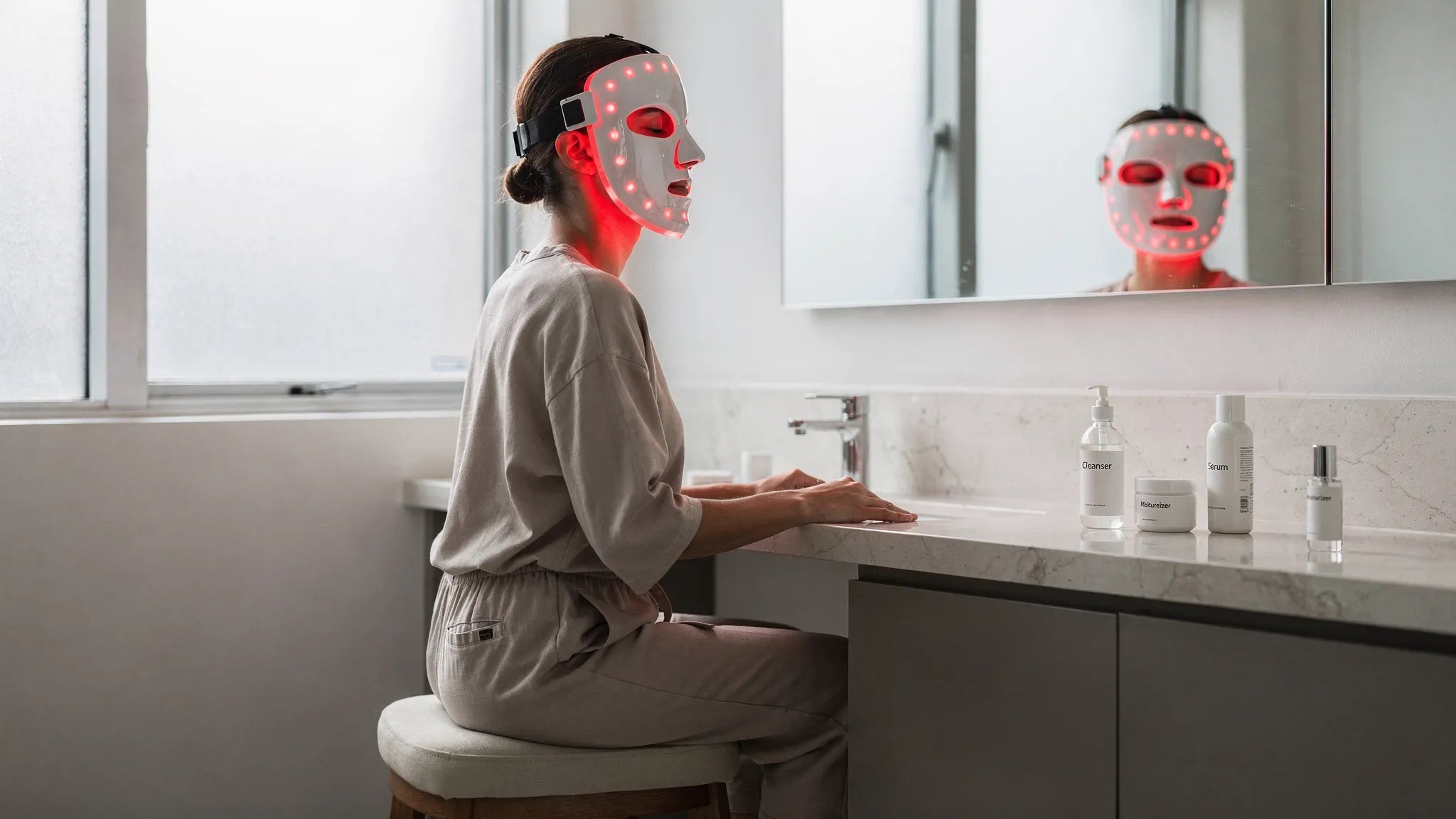
For most people, red light therapy fits best after cleansing and before serums, creams, or oils. Heavy moisturizers, mineral sunscreen, makeup, and facial oils may reduce how much light reaches the skin.
A simple routine looks like this:
- Cleanse gently and pat skin dry.
- Use your red light device according to the recommended distance and time.
- Apply hydrating serum, moisturizer, or barrier-supportive products.
- Use sunscreen in the morning.
- Keep stronger actives, such as retinoids or exfoliating acids, in your routine only if your skin tolerates them.
If you use prescription topicals, ask your dermatologist how to combine them with light therapy. Some medications and topical ingredients can increase light sensitivity.

Do not skip sunscreen
Red light therapy is not UV light, and it should not tan or burn the skin when used properly. Still, it does not protect your skin from ultraviolet damage.
The American Academy of Dermatology recommends broad-spectrum sunscreen with SPF 30 or higher as part of sun protection. This matters because the same people using red light for fine lines, tone, and pigmentation often undermine their results with daily UV exposure.
If your goal is healthier-looking skin, sunscreen is not optional. Red light may support repair and rejuvenation, but sunscreen helps prevent the ongoing damage that makes skin look older, uneven, and inflamed.
How often should you use red light therapy for skin?
The best protocol depends on your device's irradiance, wavelength mix, treatment distance, and your skin's tolerance. Always follow the manufacturer's instructions first. If the device provides dosing information, pay attention to it.
As a general starting point, many facial routines use red light 3 to 5 times per week. Lower-powered LED masks may require shorter but frequent sessions, while stronger panels may require careful distance and timing.
| Skin care goal | Starting frequency | Typical session length | When to reassess | Best practice |
|---|---|---|---|---|
| General glow and texture | 3 times per week | 5 to 10 minutes | 6 weeks | Increase only if skin tolerates it |
| Fine lines and firmness | 3 to 5 times per week | 10 to 15 minutes | 8 to 12 weeks | Stay consistent before judging results |
| Sensitive or reactive skin | 2 to 3 times per week | 3 to 8 minutes | 3 to 4 weeks | Start low and avoid heat buildup |
| Acne-prone skin support | 3 to 5 times per week | 5 to 10 minutes | 8 weeks | Combine with a dermatologist-approved acne routine |
| Maintenance | 2 to 3 times per week | 5 to 15 minutes | Ongoing | Keep sunscreen and barrier care consistent |
Photobiomodulation has a biphasic dose response, meaning too little may do nothing and too much may reduce benefits or cause irritation. If your skin feels tight, hot, unusually dry, or more inflamed, reduce frequency and session length.
How to choose a red light therapy device for skin care
A good red light device should make it easy to use the correct wavelength, distance, and session time. A poor-quality device can waste time because it may not deliver enough usable light to the skin.
When comparing devices, focus on specifications instead of hype. Important details include wavelength, irradiance, treatment area, FDA clearance when relevant, eye protection guidance, warranty, and customer support.
If you want a deeper device-selection breakdown, our guide to medical-grade red light therapy vs consumer devices explains how power, clearance, and dosing differ across device categories. You can also read our guide on choosing the best red light therapy panels if you are comparing panels for face, body, and recovery use.
| Device type | Best for | Strengths | Watch-outs |
|---|---|---|---|
| LED face mask | Facial skin care routines | Convenient, hands-free, consistent distance | Coverage and power vary widely |
| Red light panel | Face, neck, chest, and body | Larger treatment area and versatile use | Requires correct distance and eye safety |
| Flexible LED pad | Targeted areas and body contours | Good contact and localized treatment | May be less convenient for full-face use |
| Handheld device | Small areas and spot treatments | Portable and precise | Easy to under-treat large areas |
For facial skin care, convenience matters. The best device is not always the most powerful device. It is the one you will use correctly and consistently.
FDA clearance can also be useful, but it should be interpreted correctly. Clearance is device-specific and indication-specific. It does not mean every red light device has the same evidence, and it does not mean the FDA endorses broad marketing claims. For an example of how clearance works with a facial LED device, see our guide on whether the TheraFace Mask is FDA cleared.
Safety considerations and who should be cautious
Red light therapy is generally well tolerated when used as directed, but it is still an active modality. Skin care devices sit close to the eyes and face, so safety matters.
Eye protection is especially important with panels or bright devices. Do not stare into LEDs. If your device includes goggles or shielding recommendations, follow them. People with eye disease, retinal conditions, migraine triggered by light, or a history of light sensitivity should be extra cautious and may need medical guidance.
Speak with a healthcare professional before using red light therapy if any of the following apply:
- You take photosensitizing medications.
- You have lupus, porphyria, or a known photosensitivity disorder.
- You have active skin cancer, a suspicious lesion, or a changing mole in the treatment area.
- You are pregnant and considering use over the abdomen or large body areas.
- You recently had laser resurfacing, a chemical peel, microneedling, injections, or surgery.
- You have severe melasma or hyperpigmentation that worsens with heat or visible light.
Most at-home red light devices should feel mildly warm at most. They should not feel hot, painful, or burning. Heat is not the goal. If your skin becomes more irritated, stop and reassess your protocol.
Common mistakes that limit results
The most common mistake is using red light therapy randomly. A few sessions here and there will not tell you much. Commit to a realistic schedule for at least 8 weeks before deciding whether it works for your skin.
Another mistake is chasing stronger settings or longer sessions. With light therapy, the goal is an effective dose, not the maximum dose. If you are using a panel close to your face for too long, you may be overdoing it even if the device feels safe.
People also forget the basics. Red light cannot outwork poor sleep, daily UV exposure, harsh exfoliation, or a damaged skin barrier. If your routine already leaves your face stinging, tight, or peeling, simplify first. A gentle cleanser, moisturizer, sunscreen, and gradual red light use will usually outperform an overloaded routine.
Finally, do not expect red light to erase deep wrinkles, lift significant skin laxity, or remove established pigmentation by itself. It can be a valuable part of a skin care plan, but it is not a substitute for professional dermatology treatments when those are needed.
How to track results realistically
Skin care progress is easy to miss because you see your face every day. Tracking helps you separate real change from wishful thinking.
Take photos before starting, then repeat every 4 weeks. Use the same lighting, camera, expression, and angle. Look for changes in texture, redness, dullness, and how your skin behaves after stress. Fine lines may take longer to evaluate, so give that goal at least 8 to 12 weeks.
Also track tolerance. If your skin feels calmer, holds moisture better, and tolerates your routine with less irritation, that can be a meaningful sign of progress even before dramatic visual changes appear.
Frequently Asked Questions
Is red light therapy good for skin care? Yes, red light therapy can be a useful skin care tool for supporting smoother texture, calmer-looking skin, and a healthier appearance. Results depend on device quality, dosing, consistency, and your overall skin care routine.
How long does it take to see skin results from red light therapy? Some people notice a subtle glow within a few weeks, but fine lines, firmness, and texture usually require 8 to 12 weeks of consistent use. Taking baseline photos helps you judge progress more accurately.
Can I use red light therapy every day on my face? Some devices are designed for frequent use, but daily treatment is not necessary for everyone. Many people do well with 3 to 5 sessions per week. If you have sensitive skin, start with fewer sessions and build gradually.
Should I use red light therapy before or after skin care products? In most routines, use red light after cleansing and before applying serums, oils, moisturizers, or sunscreen. Clean, dry skin allows better light exposure. Follow your device instructions if they recommend a different approach.
Does red light therapy help acne? Red light may help calm inflammation and support post-breakout recovery, but it is not always enough for active acne on its own. Blue light is more commonly used for acne bacteria, and moderate or severe acne should be managed with a dermatologist.
Is red light therapy safe for all skin tones? Red light is generally considered suitable for many skin tones because it does not work by targeting pigment the way some lasers do. However, people with melasma, heat-triggered pigmentation, or photosensitivity should start cautiously and consult a professional if unsure.
Can red light therapy replace retinol or sunscreen? No. Red light therapy can complement a good routine, but it does not replace sunscreen, retinoids, antioxidants, or dermatologist-recommended treatments. Sunscreen remains essential for preventing UV-related aging and pigmentation.
Build a smarter red light skin care routine with the right device
Red light therapy can be a strong addition to your skin care routine, but the device matters. Wavelengths, power output, treatment area, comfort, and support all influence whether you will actually use it correctly.
At Your Health Sanctuary, we curate professional-grade recovery and wellness devices for home use, including red light therapy, compression therapy, and percussion tools. Our products are selected with quality, fair pricing, detailed specifications, and responsive support in mind, with free shipping included, a price match guarantee, and flexible financing options available.
If you are comparing red light therapy devices for skin care, recovery, or whole-body wellness, explore our resources or contact our team for expert guidance before you buy.
Ready to Upgrade Your Recovery?
The equipment referenced in this guide, in stock and ready to ship. Many products qualify for HSA/FSA — call us to confirm eligibility for your situation.
Questions? Talk to our recovery specialists: (612) 360-2490