
Red Light Therapy for Hair Regrowth: Does It Help?
If you are losing more hair in the shower, noticing a widening part, or seeing your hairline slowly creep back, red light therapy can sound almost too simple. Sit under a light, stimulate the follicles, and wait for thicker hair. But does it actually help?
The short answer: red light therapy for hair regrowth may help some people, especially those with mild to moderate androgenetic alopecia, also called male or female pattern hair loss. It is not a cure for every type of shedding, and it does not replace a proper diagnosis, but clinical studies suggest that low-level light therapy can improve hair density when used consistently over several months.
The details matter. Device type, wavelength, dosing schedule, hair-loss cause, and expectations all influence results. Here is what the science says, how it works, and how to decide whether it belongs in your hair restoration plan.
What is red light therapy for hair regrowth?
Red light therapy for hair regrowth is a form of photobiomodulation, sometimes called low-level light therapy or LLLT. Instead of heating or damaging tissue, the device delivers low-intensity red or near-infrared light to the scalp.
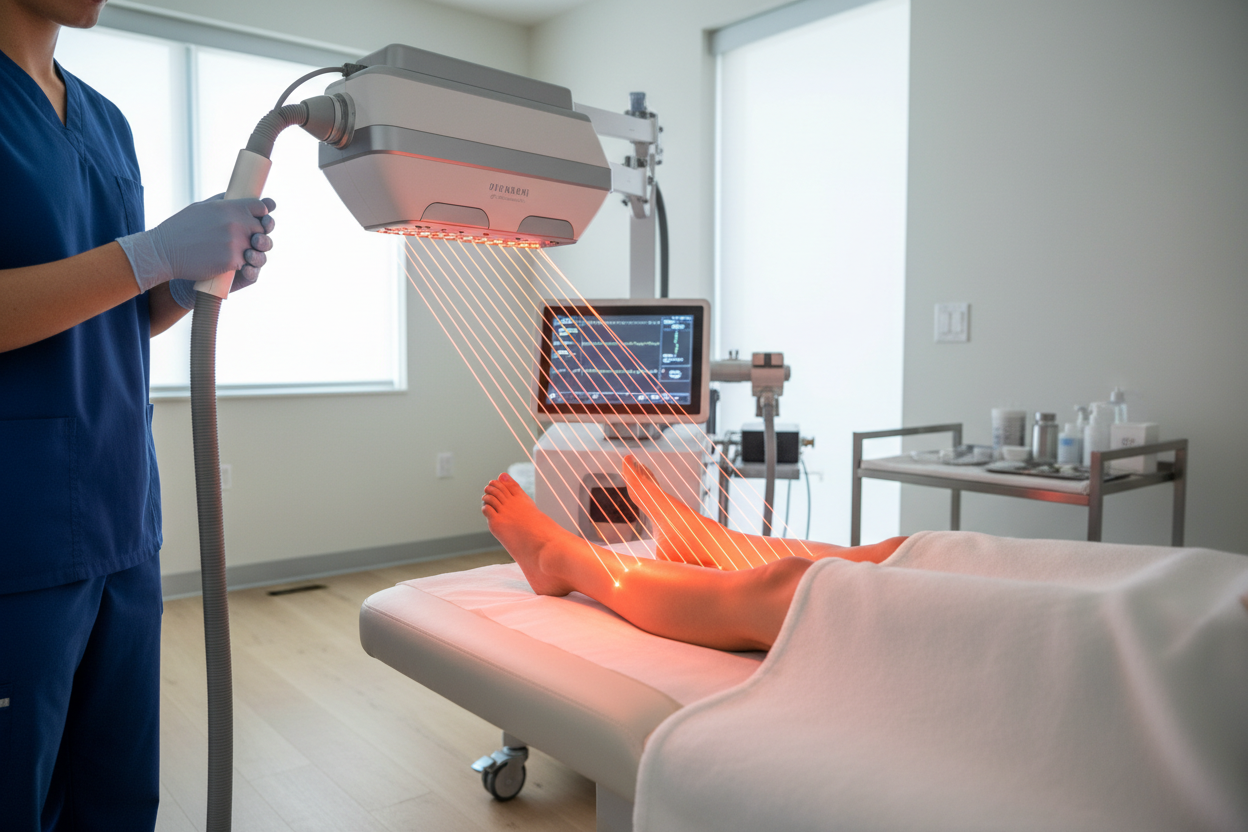
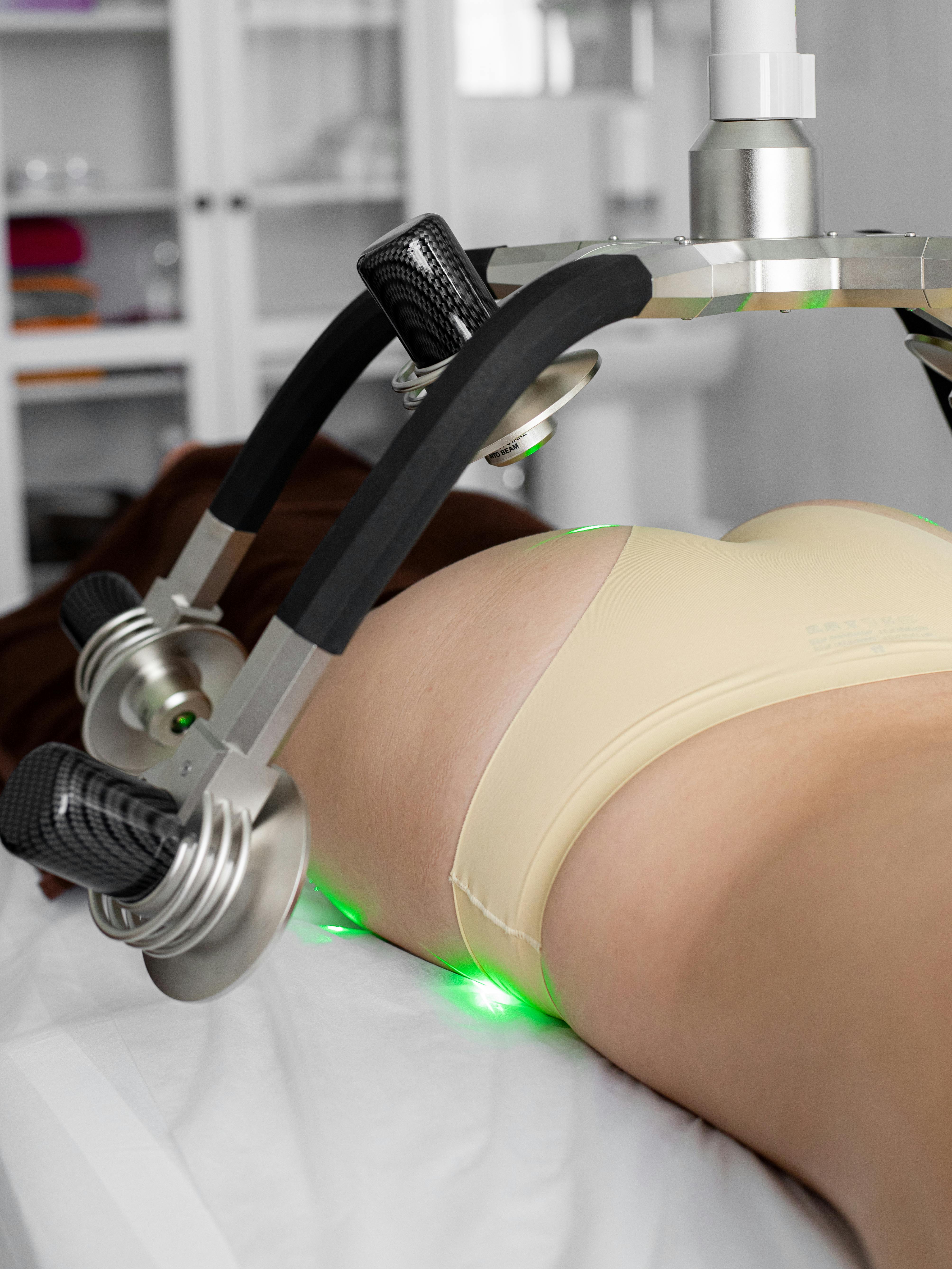
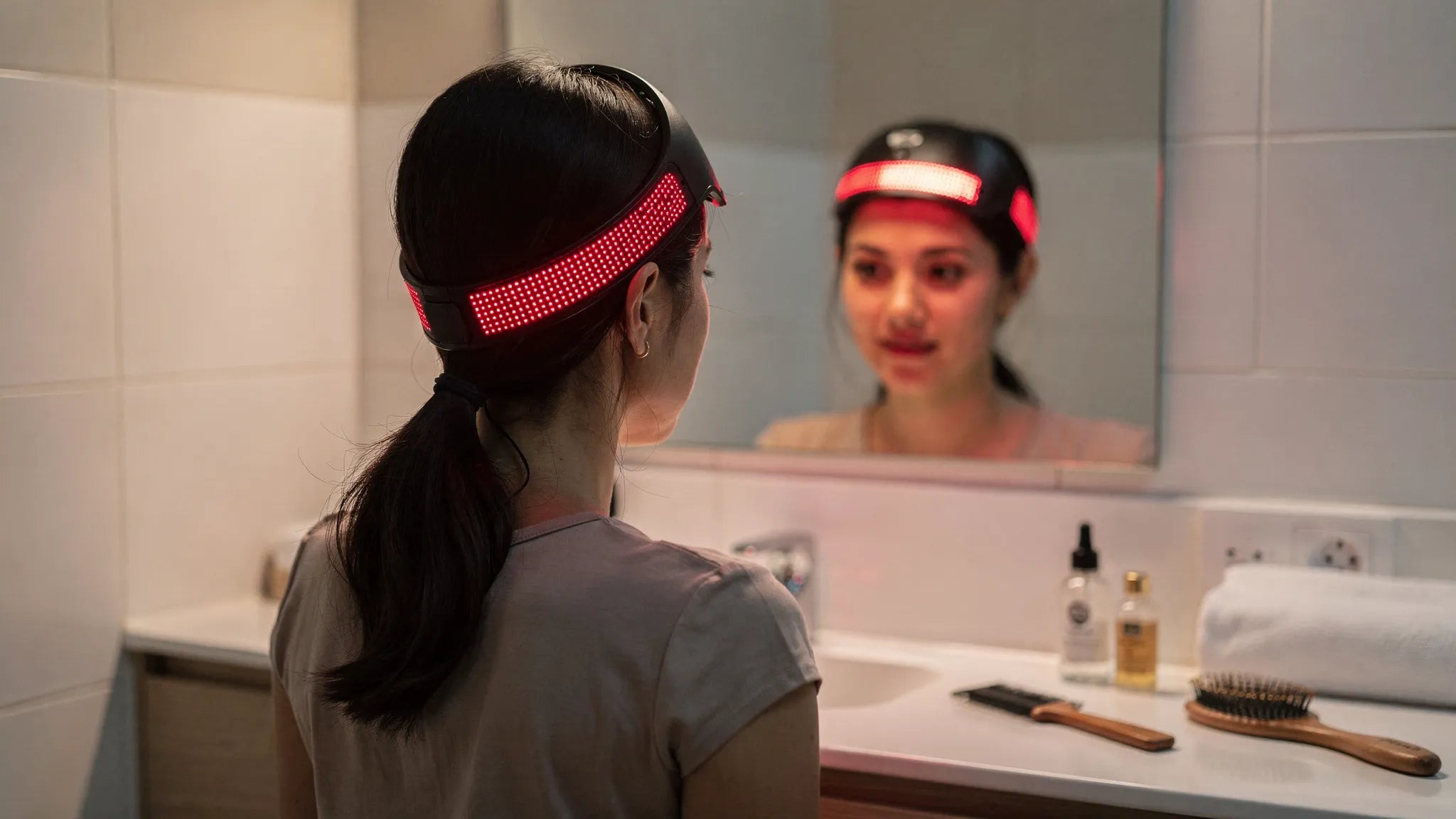
For hair, the most common devices are laser caps, LED caps, helmet-style systems, and laser combs. These are different from full-body panels or flexible red light pads used for pain, inflammation, or muscle recovery. Body devices may use similar wavelengths, but hair-focused devices are designed to deliver light through the scalp and hair at a consistent close range.
Most hair-regrowth research focuses on red light in the 630 to 680 nm range. Some photobiomodulation systems also use near-infrared wavelengths, often around 800 to 850 nm, for deeper tissue effects, but hair-specific consumer devices are most commonly built around red light or low-level red laser diodes.

How red light may support hair follicles
Hair follicles are living mini-organs that cycle through growth, transition, rest, and shedding phases. Pattern hair loss happens when genetically sensitive follicles gradually shrink, producing thinner, shorter hairs over time. Red light therapy aims to support follicles before they become inactive.
The proposed mechanism is cellular. Red and near-infrared light can be absorbed by chromophores inside cells, especially cytochrome c oxidase in the mitochondria. This may support adenosine triphosphate production, improve local signaling, and help cells function more efficiently. A review in Lasers in Surgery and Medicine describes these photobiomodulation pathways and their potential role in hair growth biology through mitochondrial activity, inflammation modulation, and follicle stimulation (source).
In practical terms, researchers believe red light may help by encouraging follicles to spend more time in the growth phase, improving scalp microcirculation, calming low-grade inflammation around follicles, and supporting cellular energy production. These effects are subtle and cumulative. That is why results, when they occur, usually take months rather than days.
One important point: more light is not automatically better. Photobiomodulation follows a biphasic dose response, meaning too little light may do nothing, while too much exposure can reduce benefit. This is one reason a properly designed device and consistent protocol matter more than simply choosing the brightest light available.
What does the research show?
The strongest evidence is for androgenetic alopecia, the common inherited form of hair thinning in men and women. Several sham-controlled trials have found that low-level light devices can improve terminal hair counts compared with placebo devices.
One frequently cited multicenter randomized trial published in the American Journal of Clinical Dermatology evaluated a low-level laser device in men and women with pattern hair loss. After 26 weeks, participants using the active device had a greater increase in terminal hair density than those using the sham device (PubMed).
A 2025 systematic review and network meta-analysis in the International Journal of Dermatology further confirmed that low-level laser therapy ranks among the most effective non-pharmacological options for androgenetic alopecia, with hair density gains comparable to topical minoxidil 5% across the pooled trials.
That does not mean everyone gets dramatic before-and-after results. Many studies show improvements in hair count or density, but the visible outcome varies. Someone with early diffuse thinning may notice better coverage, while someone with a long-standing slick bald area is less likely to see meaningful regrowth because the follicles may no longer be viable.
The evidence is also less clear for other causes of hair loss. The American Academy of Dermatology notes that hair loss can result from many factors, including genetics, illness, childbirth, medications, nutritional deficiencies, autoimmune disease, scalp disorders, and tight hairstyles (AAD). If the cause is iron deficiency, thyroid dysfunction, traction, infection, or an autoimmune condition, red light alone is unlikely to solve the underlying problem.
Who is most likely to benefit?
Red light therapy is best understood as a supportive tool, not a universal hair-loss treatment. It may be worth considering if you still have active follicles and are willing to use the device consistently for at least 4 to 6 months.
What results can you realistically expect?
Hair grows slowly, and visible changes lag behind cellular changes. If red light therapy helps, most people should think in months. Most people need at least 16 to 26 weeks of consistent use before judging results.
The best way to track progress is not by checking the mirror daily. Take photos every 4 weeks in the same lighting, with the same hair length, same part, and same camera angle. If possible, track the crown, hairline, and mid-scalp separately.
How to use red light therapy for hair regrowth safely
Because device designs vary, always follow the manufacturer protocol for session length and frequency. For hair caps and helmets, common schedules are around 10 to 25 minutes per session, several times per week, for at least 16 to 26 weeks.
For a broader primer on home setup, safety, and dosing habits, see our guide to red light therapy at home.
What to look for in a hair-regrowth light device
The red light therapy market includes legitimate therapeutic devices and plenty of vague wellness gadgets. Hair regrowth is one area where product claims can easily outrun the evidence, so it pays to read the specifications carefully. FDA clearance, wavelength transparency, scalp coverage, treatment time, comfort and fit, and transparent specs all matter.
FDA clearance is often misunderstood. It does not mean a device works for every person, and it is not the same as drug approval. It does mean the device has gone through a defined regulatory pathway for safety and substantial equivalence. Read our guide to FDA-cleared red light therapy devices for more.
Can red light therapy be combined with other hair-loss treatments?
Often, yes. In real-world hair restoration plans, red light therapy is commonly used alongside treatments such as topical minoxidil, prescription options, anti-inflammatory scalp care, nutritional correction, platelet-rich plasma, or hair transplantation after medical clearance.
Safety considerations and when to see a doctor
Red light therapy is generally well tolerated when used as directed. Most hair devices are noninvasive, non-thermal, and do not involve UV radiation. Check with a healthcare professional before starting if you have a history of skin cancer on the scalp, take photosensitizing medications, have a seizure disorder triggered by light, have an active scalp infection, or are pregnant.
You should also seek medical evaluation if your hair loss is sudden, patchy, painful, associated with redness or scaling, accompanied by fatigue or weight changes, or occurring after a major illness, surgery, childbirth, or medication change.
Frequently Asked Questions
Does red light therapy regrow hair permanently? Red light therapy may improve hair density in some people while they continue using it, but results are not usually permanent if treatment stops.
How long does red light therapy take to work for hair? Most people need at least 16 to 26 weeks of consistent use before judging results.
Is red light therapy better than minoxidil? They work differently. Minoxidil has strong evidence; red light therapy may be a helpful adjunct.
What wavelength is best for hair regrowth? Many hair-regrowth devices use red light around 630 to 680 nm.
Can red light therapy make hair loss worse? It is not commonly reported to worsen hair loss when used correctly.
Ready to Try Medical-Grade Red Light Therapy?
If you're looking for a red light therapy device with broader medical-grade applications beyond a hair-only cap, our top recommendations are the HealthLight Ultimate Body Kit (FDA-cleared LED pad therapy at clinical power densities) and the TheraFace Mask FDA Cleared (hands-free wearable red and near-infrared therapy that fits cleanly into a bedtime or scalp-prep routine). Both deliver true medical-grade wavelengths in formats designed for consistent daily use.
Both devices may be HSA/FSA eligible with a Letter of Medical Necessity from your physician for a documented medical condition. For pattern hair loss as a cosmetic concern alone, HSA/FSA reimbursement is typically not available — but if you're using the device for broader medical purposes (neuropathy, chronic pain, skin conditions, post-surgical recovery, etc.), the pre-tax purchase can convert to roughly 26-40% in real tax savings depending on your tax bracket.
Questions about which red light therapy device fits your hair-regrowth goals, broader wellness use, or HSA/FSA documentation? Call us at (612) 360-2490 — we'll talk through your specific situation and help you avoid the most common mistake: buying a generic panel that isn't designed for the application you actually need.
Ready to Upgrade Your Recovery?
The equipment referenced in this guide, in stock and ready to ship. Many products qualify for HSA/FSA — call us to confirm eligibility for your situation.
Questions? Talk to our recovery specialists: (612) 360-2490
About the Author
Justin Webster, owner of Your Health Sanctuary, has spent his career helping build over 20 niche medical clinics across the USA and has written 2 books on the subject. Working alongside dozens of MDs, he saw firsthand what actually works for weight loss, recovery, and anti-aging, and what doesn't. He even published a weight loss book centered on Apple Cider Vinegar. When he realized it wasn't at the level it needed to be, he had the humility to pull it entirely and start over. That willingness to hold himself to a higher standard, even when it costs him, is what drives how Your Health Sanctuary operates. Life and business experience in the medical field led to everything this store is built on. Justin has personally lost 55 lbs. and made anti-aging his obsession. He didn't start this store to push products. He started it because he knew the tools clinicians trust, the ones that deliver real results, were out of reach for most people. Your Health Sanctuary exists to change that.