
HealthLight Ultimate Body Kit: The Complete 2026 Review
HealthLight Ultimate Body Kit: The Complete 2026 Review
The most comprehensive FDA-cleared red and near-infrared light therapy system available — what's in the kit, the clinical evidence behind it, who it's built for, and how it compares to every major alternative.
The HealthLight Ultimate Body Kit is the most complete red and near-infrared light therapy system we carry — and it's the one I personally own and use. That's not a marketing statement. After two decades working alongside MDs, chiropractors, and physical therapists in clinical settings, I've seen exactly which devices practitioners actually prescribe and which ones sit in closets. The HealthLight system is the former. This review covers everything you need to make an informed decision: what's in the kit, the peer-reviewed science behind photobiomodulation, how it compares to competing systems, and whether the $2,690 price point is justified by the clinical outcomes.
If you're researching the HealthLight Ultimate Body Kit, you're probably dealing with something specific — chronic pain, post-surgical recovery, neuropathy, circulation issues, or general tissue healing. This guide addresses all of those use cases directly. We'll go through the mechanism of photobiomodulation, the wavelengths HealthLight uses and why they matter, the conditions where clinical evidence is strongest, and the honest comparison against Joovv, Mito Red, and other panel-based systems that dominate consumer marketing.
What's in the HealthLight Ultimate Body Kit
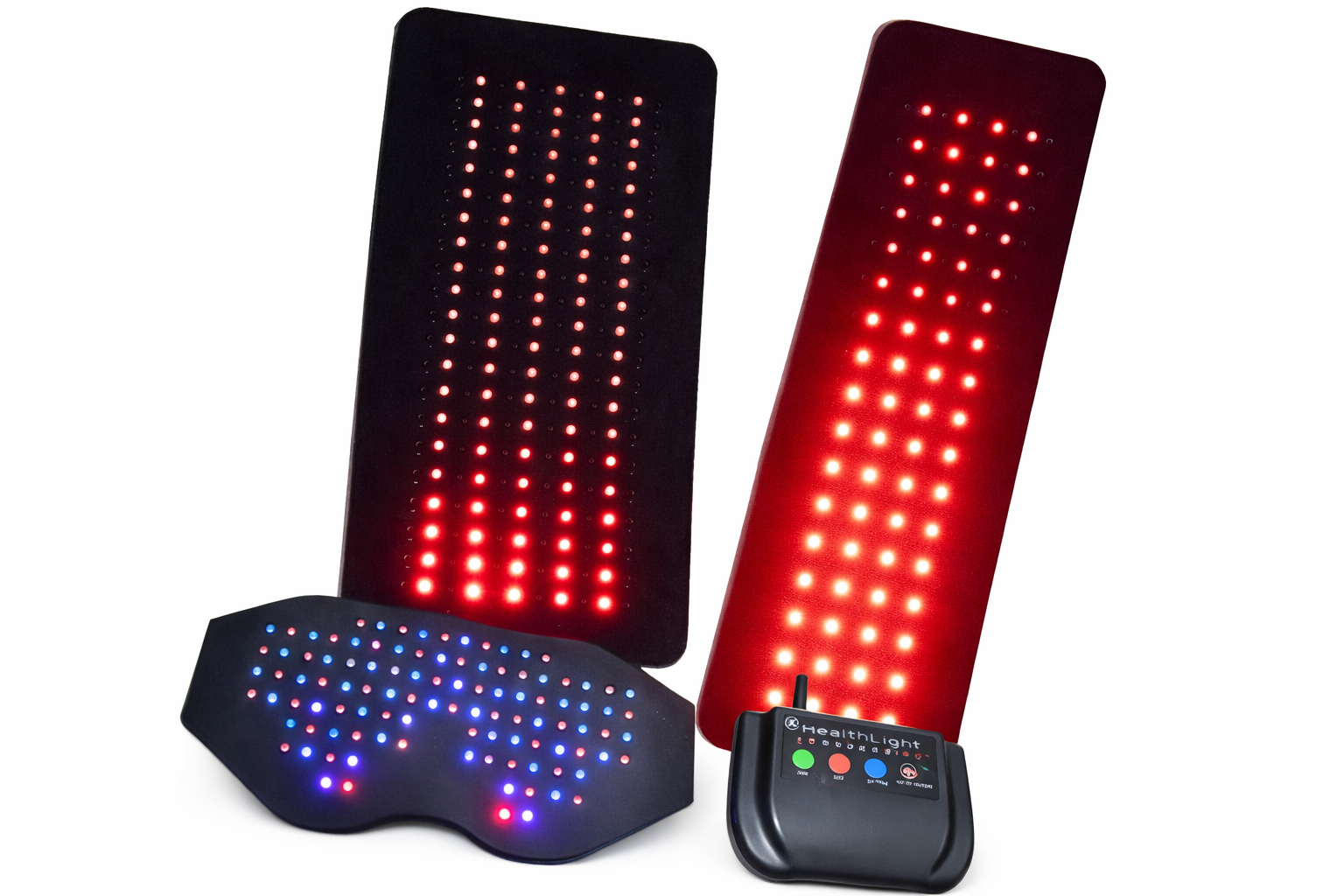
The Ultimate Body Kit is HealthLight's highest-tier offering, combining multiple FDA-cleared flexible pad therapy units into a single all-body treatment system. Unlike rigid panel systems, HealthLight's flexible pads conform to the body's contours — shoulders, knees, back, neck — delivering consistent light contact across curved anatomy rather than projecting from a fixed distance.
The Ultimate Body Kit includes enough coverage to treat multiple areas simultaneously or to rotate through a full-body protocol in a single session. Most competitive systems require purchasing separate accessories for each body region; HealthLight builds comprehensive coverage into a single kit price.
Key System Specifications
- Wavelengths: 633nm red light + 850nm near-infrared (dual delivery in a single pad)
- Pad design: Flexible, wearable LED pads — not rigid panels
- FDA clearance: FDA-cleared for temporary relief of minor muscle and joint pain, arthritis, muscle spasm, local increase of circulation, and temporary relief of minor pain and stiffness
- Session duration: Typical sessions 20–30 minutes per area
- Warranty: 2-year manufacturer warranty
- Price: $2,690 (free shipping)
The FDA clearance is not cosmetic. It distinguishes HealthLight from the vast majority of consumer-grade red light panels and devices, which are typically FDA-registered (a less stringent designation) or simply marketed as "compliant" without any formal FDA pathway. For a medical professional buying for a clinic, or a patient whose condition has a specific diagnosis, this distinction is load-bearing — it affects insurance documentation and clinical defensibility.
The Science: How Photobiomodulation Actually Works
Photobiomodulation (PBM) is the application of specific light wavelengths — primarily in the red (600–700nm) and near-infrared (700–1100nm) ranges — to stimulate biological processes in tissue. The mechanism is well-characterized: light in these wavelengths is absorbed by cytochrome c oxidase (CCO), a protein complex in the mitochondrial electron transport chain. This absorption accelerates electron transfer, increasing ATP production and triggering downstream cellular effects including reduced oxidative stress, modulated inflammation, and enhanced tissue repair signaling.
This isn't theoretical. The photobiomodulation evidence base spans more than 6,000 peer-reviewed publications. Systematic reviews and meta-analyses have found low-level laser and LED therapy produce statistically significant pain reduction compared with placebo across musculoskeletal conditions. The evidence is strongest for acute and chronic musculoskeletal pain, wound healing, and neuropathy — which is precisely the clinical use case for the HealthLight Ultimate Body Kit.
The dual-wavelength approach matters because red and NIR light serve different tissue depths. Devices that use only one wavelength are incomplete by design.
HealthLight Ultimate Body Kit vs. The Competition
The red light therapy market has exploded. Hundreds of devices now claim clinical benefits, and the marketing language has become almost uniformly similar. The comparison below focuses on the technical and regulatory factors that actually differentiate devices — not marketing copy.
| Feature | HealthLight Ultimate Body Kit | Joovv Solo 3.0 | Mito Red MitoMAX | Generic LED Pad |
|---|---|---|---|---|
| FDA clearance | ✓ FDA-cleared | ~ FDA-registered | ~ FDA-registered | ✗ None/CE only |
| Pad design | ✓ Flexible — conforms to body | ✗ Rigid panel | ✗ Rigid panel | ~ Varies |
| Dual wavelength | ✓ 633nm + 850nm | ✓ 660nm + 850nm | ✓ 660nm + 850nm | ✗ Usually single |
| Clinical use | ✓ Home + clinic rated | ~ Consumer-focused | ~ Consumer-focused | ✗ Consumer only |
| Multi-area simultaneous | ✓ Multiple pads | ✗ Single panel | ✗ Single panel | ✗ No |
| Contact delivery | ✓ Pad-to-skin contact | ✗ Stand-off distance | ✗ Stand-off distance | ~ Varies |
| Price | $2,690 | ~$999–$1,499 | ~$500–$999 | $50–$300 |
| Warranty | ✓ 2 years | ✓ 2 years | ~ 1 year | ✗ Minimal |
FDA clearance (510(k) pathway) requires demonstrating the device is substantially equivalent to a legally marketed device in safety and effectiveness. FDA registration means the facility is registered — nothing about clinical effectiveness. Most consumer red light devices are registered, not cleared. HealthLight's FDA clearance is the basis for clinical use, insurance documentation, and HSA/FSA eligibility.
Who the HealthLight Ultimate Body Kit Is Built For
Chronic Pain Patients
Arthritis, fibromyalgia, chronic low back pain, myofascial pain syndrome. PBM's anti-inflammatory effects address the underlying tissue physiology, not just the symptom.
Post-Surgical Recovery
Red and NIR light therapy supports tissue repair, reduces post-surgical edema, and may accelerate healing. Best combined with cold compression and physical therapy.
Peripheral Neuropathy
One of the strongest evidence areas for photobiomodulation. Studies have found near-infrared light can reduce neuropathy severity scores in diabetic patients. Flexible pads are critical for wrapping feet and lower legs.
Athletes and Active Recovery
Daily recovery protocol for tissue repair between training sessions. PBM reduces DOMS, improves next-session performance, and addresses cumulative tissue stress. Used in elite sports programs including MLB, NBA, and MLS organizations.
Medical Clinics and Practitioners
Physical therapists, chiropractors, and integrative medicine practitioners who need an FDA-cleared modality for patient treatment. The FDA clearance is required for most clinical billing purposes.
Wound Healing
Both 633nm and 850nm wavelengths have evidence for wound healing. Reviews of low-level light therapy have reported improved healing in venous leg ulcers.
Clinical Evidence: Where the Research Is Strongest
Musculoskeletal Pain — Strong Evidence
Multiple systematic reviews of randomized trials have found clinically significant pain reduction with PBM, and some report muscle-recovery benefits in acute settings. The World Association for Laser Therapy (WALT) has published evidence-based dosing guidelines positioning PBM as a first-line non-pharmacological treatment.
Neuropathy — Strong Evidence
Clinical studies have demonstrated improvement in sensation in peripheral neuropathy patients treated with infrared light, and randomized trials have found near-infrared LED therapy can improve neurological severity scores in diabetic peripheral neuropathy after a course of sessions.
Wound Healing — Moderate to Strong Evidence
Reviews of low-level light therapy have reported improved healing in venous leg ulcers. The mechanism is well-understood: PBM stimulates fibroblast proliferation, collagen synthesis, and angiogenesis.
In 20+ years working alongside clinical practitioners, the patients who saw the best results from photobiomodulation used it as part of a multimodal protocol. Red/NIR light therapy combined with manual therapy, exercise rehabilitation, or compression creates synergistic effects that single-modality approaches don't achieve. That's the model Your Health Sanctuary is built on.
How to Use the HealthLight Ultimate Body Kit
General Protocol Guidelines
- Session duration: 20–30 minutes per treatment area per session
- Frequency: 5–7 sessions per week for active treatment; 3–4 per week for maintenance
- Timing: For athletic recovery, use within 2 hours post-exercise
- Placement: Pads flat against skin with good contact; clothing reduces transmission
- Contraindications: Active malignancy, photosensitizing medications, pregnancy over the abdomen
For lower back pain: Pad(s) across the lumbar region (L1–L5), 30 minutes daily for 4–6 weeks.
For peripheral neuropathy: Wrap pads around the dorsal and plantar surface of each foot. Target 20–30 sessions as an initial treatment course.
For joint pain: Wrap the pad around or over the joint. The pads conform to curved anatomy in a way rigid panels cannot.
For post-surgical recovery: Begin after wound closure is confirmed. Start at the perimeter of the surgical site, progressing to the full area as healing advances.
The HealthLight Ultimate Body Kit pairs well with every clinical recovery modality. Use cold therapy first to reduce acute inflammation, then follow with red/NIR light to support tissue repair.
HealthLight vs. Joovv: The Key Differences
See our full comparison in the HealthLight vs Joovv deep-dive review. In summary: Joovv's Solo 3.0 is a rigid floor-standing panel for whole-body wellness exposure. It's FDA-registered, not cleared. HealthLight's flexible pads allow targeted treatment of specific anatomical areas at skin contact. For clinical conditions — neuropathy, chronic joint pain, post-surgical healing — HealthLight's targeted delivery and FDA clearance are the right choice.
Cost, HSA/FSA Eligibility, and Value Assessment
At $2,690, the HealthLight Ultimate Body Kit is a premium investment. For a patient with chronic peripheral neuropathy managing with clinic visits at $100–200 per session, twenty sessions costs $2,000–4,000 in a clinical setting. The kit pays for itself within the first treatment course.
As an FDA-cleared device for a qualifying medical condition, the kit is a qualified medical expense under most HSA and FSA plans. A letter of medical necessity from your treating physician is the standard documentation requirement. Using pre-tax HSA/FSA dollars reduces effective cost by 22–37% — on a $2,690 device, that's $590–$995 in savings. Call (612) 360-2490 to confirm current Truemed HSA/FSA status at checkout.
Shop the HealthLight Ultimate Body Kit
FDA-cleared red and near-infrared light therapy for the whole body. Flexible pads, clinical-grade, home or clinic use. HSA/FSA eligible for qualifying conditions.
Questions about which kit is right for your condition? (612) 360-2490
Frequently Asked Questions — HealthLight Ultimate Body Kit
What is the HealthLight Ultimate Body Kit and what's included?
The HealthLight Ultimate Body Kit is HealthLight's most comprehensive red and near-infrared light therapy system. It combines multiple FDA-cleared flexible LED therapy pads delivering 633nm red light and 850nm near-infrared to multiple areas simultaneously. Includes all pads, control unit, and accessories for home or clinical use.
Is the HealthLight Ultimate Body Kit FDA cleared?
Yes — FDA-cleared via the 510(k) pathway, which is more stringent than FDA-registered. The clearance covers temporary relief of minor muscle and joint pain, arthritis, muscle spasm, local circulation, and relaxation of muscle spasm. This supports HSA/FSA eligibility and clinical use documentation.
How does the HealthLight Ultimate Body Kit compare to Joovv?
HealthLight uses flexible pads for direct skin contact — superior for targeted treatment of joints, neuropathy, and post-surgical areas. Joovv uses a rigid standing panel at distance, better for whole-body wellness exposure. HealthLight is FDA-cleared; Joovv is FDA-registered. See our full HealthLight vs Joovv comparison.
What conditions does the HealthLight Ultimate Body Kit treat?
FDA clearance covers minor muscle and joint pain, arthritis, muscle spasm, circulation, and muscle relaxation. Clinical literature supports chronic musculoskeletal pain, peripheral neuropathy, wound healing, post-surgical recovery, sports injury, and soft tissue inflammation. Always consult your physician before beginning treatment.
How long are HealthLight treatment sessions and how often should I use it?
Standard sessions are 20–30 minutes per treatment area. For active conditions, 5–7 sessions per week. For maintenance, 3–4 per week. Most users see meaningful improvement within 2–4 weeks of consistent daily use.
Is the HealthLight Ultimate Body Kit HSA or FSA eligible?
Yes, as an FDA-cleared device for qualifying conditions. A letter of medical necessity from your physician is the standard requirement. Pre-tax savings of 22–37% are possible. Contact Your Health Sanctuary at (612) 360-2490 for Truemed integration status.
Why does HealthLight use flexible pads instead of panels?
Flexible pads deliver light at skin contact, eliminating distance-related light loss and allowing consistent treatment of curved anatomy (knees, shoulders, feet). Critical for neuropathy in the feet, post-surgical sites, and joint conditions where rigid panels cannot conform to body geometry.
What wavelengths does the HealthLight Ultimate Body Kit use?
633nm red light (2–3mm penetration for skin and surface tissue) and 850nm near-infrared (50mm+ for deep muscle, joints, bone, and nerves) delivered simultaneously. The dual-wavelength combination addresses the full depth of most clinical conditions.
Citations and References
- Chow RT, et al. Efficacy of LLLT for neck pain. Lancet. 2009. PMID: 19913903
- Ferraresi C, et al. LLLT on muscle tissue. Photonics Lasers Med. 2012. PMC3635110
Related Reading — Red Light & Photobiomodulation