
Red Light Therapy Weight Loss Before and After: What to Expect
A reader asked me a very specific question recently: “If I use red light therapy for six weeks, will my before and after photos actually look different, or am I just buying hope?”
That is the right question. Red light therapy is often marketed like it melts fat while you relax. That is not how I talk about it with customers at Your Health Sanctuary. I’m Justin Webster, owner of Your Health Sanctuary, and over my career helping build more than 20 niche medical clinics across the USA, I saw one pattern repeat itself: the tools that worked best were the ones used consistently, measured honestly, and paired with the basics.
For weight loss before and after results, red light therapy is best understood as a body composition support tool, not a stand-alone weight-loss treatment. If it helps, you are more likely to notice modest changes in circumference, how clothes fit, recovery consistency, and skin appearance before you see a dramatic scale change.
The short answer: what red light therapy weight loss before and after results usually show
If you use red light therapy correctly for 8 to 12 weeks, the most realistic “before and after” change is not a 20-pound drop from the device alone. A more honest result is a small but measurable change in waist, hip, thigh, or arm circumference, especially when paired with nutrition, walking, resistance training, and better recovery habits.
The National Institute of Diabetes and Digestive and Kidney Diseases explains that sustainable weight management depends on long-term eating, physical activity, sleep, health conditions, and behavior patterns, not a single device or shortcut. Red light therapy does not override that energy-balance reality, but some clinical research suggests low-level light therapy may support temporary circumference reduction when used in structured body-contouring protocols.
| Timeframe | What you may notice | What not to expect |
|---|---|---|
| Week 1 to 2 | Little visible change, easier routine building, possible recovery benefits | Obvious fat loss in photos |
| Week 3 to 6 | Subtle changes in measurements or how clothes fit if diet and activity are consistent | Major scale weight loss from light alone |
| Week 8 to 12 | More useful before and after comparison, especially with tape measurements and photos | Guaranteed belly-fat removal |
| 3 months and beyond | Better maintenance if red light supports your exercise and recovery routine | Permanent results without lifestyle support |

What red light therapy can and cannot do for weight loss
Red light therapy, also called photobiomodulation when used therapeutically, uses specific wavelengths of red and near-infrared light to interact with cells. Research on photobiomodulation describes effects on mitochondrial signaling, nitric oxide pathways, oxidative stress, and inflammation-related processes, depending on dose, wavelength, and tissue target.
For body composition, the key distinction is this: most “weight loss” studies are really body contouring and circumference-reduction studies, not obesity-treatment studies. Certain low-level laser devices have received FDA 510(k) clearance for temporary circumference reduction, but that is different from being FDA approved as a fat-loss cure or obesity treatment. You can verify device clearances through the FDA 510(k) database.
What red light therapy may help with:
- Temporary circumference reduction in certain structured protocols
- Body contouring support when combined with diet and exercise
- Exercise recovery support, which may help some people stay more consistent
- Skin appearance changes that can make before and after photos look smoother
What it should not be expected to do:
- Replace a calorie-controlled nutrition plan
- Produce large scale-weight loss by itself
- Remove visceral fat around organs
- Treat obesity, metabolic disease, or fluid retention without medical care
That last point matters. If your “before” photo reflects swelling, lymphedema, post-surgical edema, or unexplained rapid weight gain, red light therapy is not the first tool I would reach for. You need medical evaluation first, then the right recovery plan.
What the clinical research actually says
A randomized controlled study published in Lasers in Surgery and Medicine evaluated low-level laser therapy as a non-invasive approach for body contouring and reported greater circumference reduction in treated participants than in the sham group. A later review on low-level laser therapy for fat layer reduction summarized proposed mechanisms and clinical findings, while also making clear that protocol quality, device type, dose, and study design matter.
The honest takeaway is not “red light melts fat.” The better takeaway is that specific low-level light protocols may produce modest circumference changes, especially in localized treatment areas. The evidence is stronger for temporary body contouring than for true whole-body weight loss.
There is also an important device distinction. Many body-contouring studies used low-level laser systems. Home red light panels and flexible LED pads can still be useful wellness tools, but a generic red bulb or underpowered panel should not be expected to reproduce clinical laser-study results.
This is where I see shoppers get misled. They see a dramatic belly before and after photo online, then buy the cheapest red lamp available and expect the same outcome. That is not fair to the customer, and it is not how medical-grade recovery equipment should be sold.
Red Light Therapy for Weight Loss: What Results Are Realistic
When people search for red light therapy for weight loss, what they usually want to know is simple: what results are real, and what results are wishful thinking? The honest answer is that some results are real, but they are usually modest, local, and dependent on your overall lifestyle. A device can help you look slightly leaner in a treated area without producing meaningful scale weight loss. It can support your training routine without replacing a calorie deficit. And it can improve how your body feels during a weight-loss phase without “melting fat” the way many ads imply.
The most realistic benefits of red light therapy for weight loss fall into four categories: small circumference changes in treated areas, body composition support when paired with diet and exercise, possible improvements in workout consistency through better recovery, and improved skin appearance that can make before and after photos look smoother. None of those four is the same as effortless fat loss, and that is exactly why honest expectation-setting matters before you buy anything.
How red light therapy might affect fat cells
The proposed weight-loss mechanism is usually described as “fat-cell lipolysis,” but that phrase is often oversimplified in marketing. Lipolysis simply means the release of stored lipids from fat cells. Some laboratory and clinical research suggests that low-level red and near-infrared light may temporarily influence fat cells (adipocytes) in a treated area, which is one proposed explanation for the short-term circumference changes seen in body-contouring studies. The key word is temporary. Once any lipids are mobilized, your body still has to actually use them, which is where movement, nutrition, and overall metabolic health do the real work. If you mobilize lipids and then sit still and overeat, there is nothing to push the process toward fat loss.
Red and near-infrared light may also support a weight-loss effort indirectly, through effects on mitochondrial activity, inflammation, circulation, exercise recovery, and sleep or relaxation routines. None of these mechanisms mean red light “burns belly fat” while you sit still. They mean it may help create slightly better conditions for body recomposition, while energy balance still decides the outcome.
What results are realistic at 4, 8, and 12 weeks?
Results vary by device quality, dosing, consistency, starting body composition, and lifestyle, but a realistic pattern looks like this: roughly 1 to 2 weeks of better routine consistency and possible recovery benefits, 3 to 6 weeks of possible small circumference changes in treated areas if diet and activity are consistent, and 6 to 12 weeks of more noticeable changes when red light therapy is paired with nutrition and exercise. If a brand promises dramatic fat loss in a few sessions, treat that as a red flag. Real body composition change takes time, and red light therapy is the supporting actor, not the lead.
Why the scale may not move even when your photos improve
The scale is a blunt tool. It measures body mass, not where that mass came from. If you start using red light therapy while also walking more, lifting weights, hydrating better, or recovering more consistently, your body can change in ways the scale misses.
A few common reasons the scale may lag behind your photos:
- You gained some lean mass while losing a small amount of fat
- Your waist measurement changed, but total body weight did not shift much
- Hydration, sodium, menstrual cycle timing, or digestion changed day to day
- You improved posture or reduced bloating, which affects photos more than weight
- You are expecting the device to do work that nutrition and movement must do
For most customers, I recommend tracking body weight, but not worshiping it. If the goal is a realistic red light therapy before and after comparison, waist measurement and consistent photos usually tell a more useful story.
How to take honest before and after photos
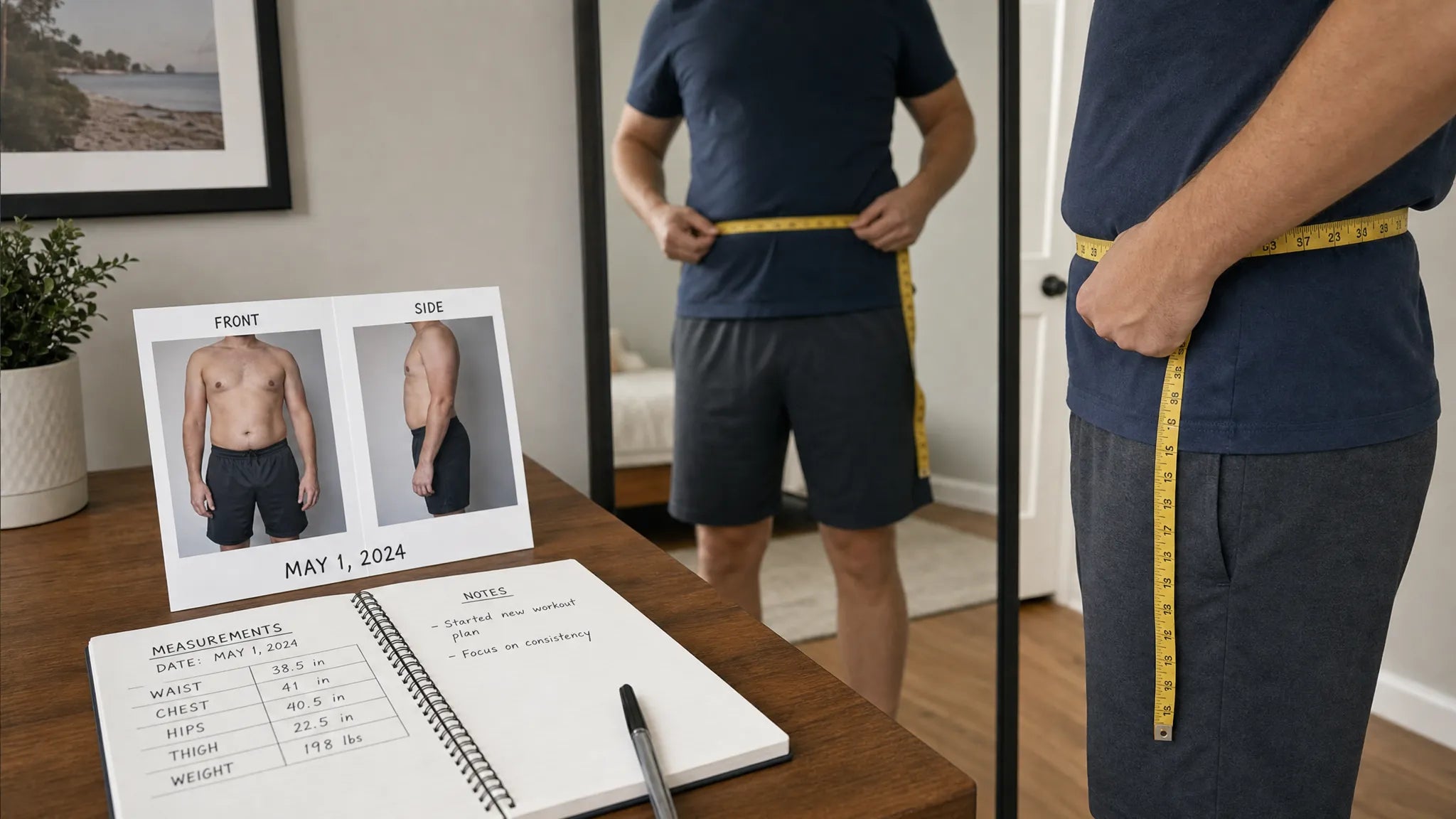
Most online before and after photos are too easy to manipulate. Lighting, posture, tan, camera angle, abdominal bracing, and even the time of day can exaggerate results. If you want to know whether red light therapy is helping, control the variables.
Use the same setup every time. Same room, same lighting, same distance from the camera, same clothing, same time of day, and same relaxed posture. Take front, side, and back photos. Do not flex in the after photo if you did not flex in the before photo.
Also take measurements. Photos are helpful, but a tape measure gives you something harder to argue with.
| Measurement | How to track it | Frequency |
|---|---|---|
| Waist | At the level of the navel, relaxed | Weekly |
| Hips | Widest part of the hips/glutes | Weekly |
| Thigh | Same distance above the kneecap each time | Every 2 weeks |
| Arm | Midpoint between shoulder and elbow | Every 2 weeks |
| Body weight | Same scale, morning if possible | 2 to 4 times weekly |
| Photos | Same lighting, distance, clothing, and posture | Every 2 to 4 weeks |
Do not judge results after three sessions. A fair comparison usually needs at least 8 weeks, and 12 weeks is better.
A realistic home protocol for body composition support
Your exact protocol depends on the device, power output, treatment area, distance, and manufacturer instructions. For body composition support, I usually suggest people think in terms of consistency rather than intensity. More is not always better with photobiomodulation, because dose matters.
A practical starting point for many home users is 3 to 5 sessions per week, usually 10 to 20 minutes per treatment area, using a device that publishes real wavelength and irradiance data. Red wavelengths around 630 to 660 nm are commonly used for superficial tissues, while near-infrared wavelengths around 810 to 850 nm are often used when deeper penetration is desired. The clinical photobiomodulation literature supports the idea that wavelength and dose affect tissue response.
| Protocol factor | Practical target |
|---|---|
| Frequency | 3 to 5 sessions per week |
| Session length | Often 10 to 20 minutes per area, depending on device instructions |
| Timeline | Track for 8 to 12 weeks before judging |
| Pairing | Use alongside nutrition, walking, resistance training, and sleep consistency |
| Best tracking metric | Waist and hip circumference, not scale weight alone |
Do not place a high-powered panel directly against the skin unless the manufacturer says to do so. Do not stare into bright LEDs. Use eye protection when recommended. If you take photosensitizing medications, have active cancer, are pregnant, have a complex medical condition, or are treating a post-surgical area, ask your clinician before starting.
Which red light therapy device type fits weight-loss before and after goals?
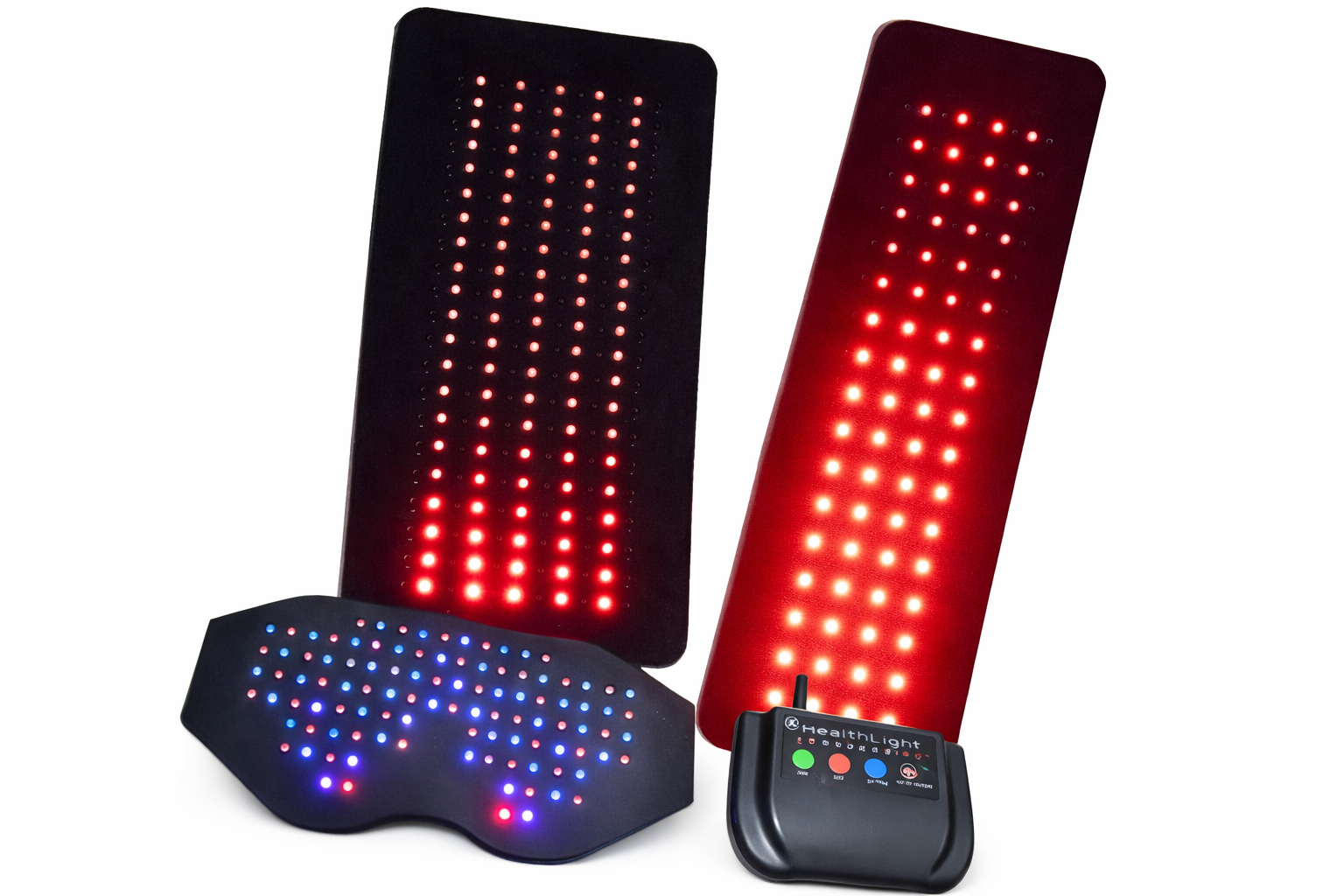
Not every red light device is built for the same job. A face mask may be excellent for skin goals, but it is not a body-contouring device. A full-body panel gives broader coverage, but dosing can vary depending on distance and power. A flexible pad can be practical for targeted areas, while clinical low-level laser systems are a different category altogether.
At Your Health Sanctuary, we look at red light therapy the same way we look at cold compression, pneumatic compression, cold laser therapy, percussive massage, and whole-body vibration: what is the goal, what does the evidence support, and will the person actually use the device correctly?
| Device type | Best fit | Weight-loss before and after expectations |
|---|---|---|
| Full-body red light panel | General wellness, recovery, broad-area exposure | Better for routine support than targeted fat reduction |
| Flexible red/NIR pad | Targeted areas such as abdomen, thigh, back, or joints | Practical for consistent localized use, results depend on specs |
| Red light bed | High-coverage clinic or home wellness use | Convenient full-body exposure, but still not a stand-alone weight-loss treatment |
| Low-level laser body-contouring system | Clinic-based circumference reduction protocols | Stronger fit for body-contouring claims when FDA-cleared and properly used |
| Facial LED mask | Skin-focused goals | Not appropriate for body-weight or circumference goals |
For broader, whole-body expectation setting beyond weight, our guide to full body red light therapy before and after timelines breaks down what changes by week for skin, recovery, pain, and body contouring.
What improves your odds of a visible before and after?
The biggest difference I saw in clinical settings was not that one device magically transformed a patient. The best outcomes came when the patient had a plan they could repeat. Red light therapy can be one piece of that plan, but it works best when the rest of the plan is not working against it.
If your goal is body composition, focus on the controllables: protein-forward meals if appropriate for your health status, regular walking, progressive resistance training, sleep consistency, and a recovery routine that keeps soreness from derailing activity. The U.S. Physical Activity Guidelines recommend adults aim for regular aerobic activity plus muscle-strengthening activity at least two days per week, adjusted for medical status and ability.
Recovery equipment can help some people stay consistent. Pneumatic compression boots can be useful for heavy legs after training. Percussive massage can help with muscle tightness. Cold compression is more relevant after injury or surgery, with medical guidance. Whole-body vibration may fit certain mobility or wellness routines. None of these should be sold as fat-loss shortcuts, but they can support the behaviors that drive the before and after you actually want.
Red flags in red light therapy weight loss marketing
Be cautious when a company promises dramatic fat loss without nutrition or movement. That is usually a sign the marketing is ahead of the evidence.
Watch for these claims:
- “Lose belly fat while doing nothing”
- “Results after one session”
- “FDA approved for weight loss” when the device is only registered or cleared for a narrower indication
- No published wavelength, irradiance, or treatment-distance data
- Before and after photos with different lighting, posture, clothing, or camera angles
- No mention of contraindications, eye safety, or realistic timelines
The phrase “FDA cleared” also needs context. FDA clearance means a device met requirements for a specific intended use through the 510(k) pathway. It does not mean every claim on a sales page is automatically proven.
Who should keep expectations especially conservative?
Some people can use red light therapy consistently and still see little change in weight or measurements. That does not always mean the device is defective. Body composition is affected by age, medication, hormones, sleep, injury status, stress, medical conditions, nutrition, and training history.
Keep expectations conservative if you are relying on red light therapy without changing food intake or activity, if you have untreated endocrine issues, if your main issue is swelling rather than fat, or if you are comparing your results to edited online photos. Also be cautious if you are immediately post-surgery. In that situation, the first priorities are usually pain control, swelling management, wound healing, safe mobility, and surgeon-approved rehabilitation, not cosmetic body-contouring.
If your goal is weight loss for diabetes, cardiovascular risk, or obesity-related health issues, red light therapy should be treated as an adjunct at most. Your physician, dietitian, or licensed clinician should guide the core plan.
Frequently Asked Questions
How much weight can you lose with red light therapy? Do not expect major scale weight loss from red light therapy alone. The more realistic outcome is modest circumference change when used consistently with nutrition and activity changes. If weight loss is the goal, the main drivers are still food intake, activity, sleep, and medical factors.
How long does it take to see red light therapy weight loss before and after results? Most people need at least 8 to 12 weeks of consistent use before photos and measurements are worth comparing. Some may notice clothing-fit changes earlier, but dramatic changes in one or two weeks are not realistic.
Does red light therapy melt belly fat? No, “melt” is the wrong word. Some studies on low-level light therapy suggest temporary circumference reduction and body-contouring effects, but that is not the same as melting fat or treating obesity.
Does red light therapy burn belly fat? It may support local body-contouring effects in a treated area, possibly through a temporary lipolysis-style release of lipids from fat cells, but it should not be viewed as a stand-alone belly fat burner. Sustained results still depend on energy balance, exercise, and nutrition.
Is red light therapy better before or after exercise for weight loss? For body-composition goals, the best timing is the one you can repeat. Some people prefer before exercise as part of a warm-up routine, while others use it after training for recovery. The exercise, nutrition, and consistency matter more than perfect timing.
Can I use red light therapy every day? Some devices allow daily use, but follow the manufacturer’s protocol. More exposure is not automatically better. If your skin becomes irritated, you feel uncomfortable, or you are unsure about dosing, reduce frequency and ask a qualified clinician.
Are red light therapy before and after photos online trustworthy? Some are legitimate, but many are not controlled well. Look for same lighting, same posture, same camera distance, measurements, and a clear timeline. Photos without measurements are easy to exaggerate.
What is the best red light therapy device for weight loss? There is no single best device for everyone. For body-composition support, look for published wavelengths, irradiance data, adequate coverage, clear safety instructions, and a format you will actually use. For clinic-style body contouring, FDA-cleared low-level laser systems are a different category than basic home lamps.
A practical way to decide if red light therapy is worth it for you
If you want red light therapy because you expect effortless fat loss, I would not recommend buying a device yet. If you want a professional-grade wellness tool that may support body contouring, recovery consistency, and a structured health routine, then it can make sense.
Your Health Sanctuary curates professional-grade recovery and wellness devices for home and clinic use, including red light therapy, cold laser therapy, pneumatic compression, cold compression, percussive massage, and whole-body vibration equipment. We focus on clinic-trusted brands, detailed product specs, fair pricing, free shipping, price match support, financing options, and responsive customer service.
If you are trying to choose between a red light panel, flexible pad, clinical system, or a broader recovery setup, start with your goal and your timeline. The right device should fit the way you will actually use it, and the before and after should be measured honestly enough to tell you the truth.