
Full Body Light Therapy at Home: Is It Worth It?
Fifteen minutes sounds easy until it means driving across town, checking in at a wellness studio, changing clothes, and doing it all again three times next week. That is the real reason people ask me about full body light therapy at home. They are not just asking whether light can do anything. They are asking whether a home system will actually get used enough to justify the space, money, and routine.
My short answer: full body light therapy at home can be worth it if you want consistent support for skin health, mild aches, exercise recovery, or whole-body wellness routines. It is not worth it if you expect dramatic weight loss, instant pain relief, or a replacement for medical care, physical therapy, cold compression, or targeted laser therapy.
I’m Justin Webster, owner of Your Health Sanctuary. I’ve spent my career helping build over 20 niche medical clinics across the USA, written two books on clinic development, and worked alongside dozens of MDs. What I saw in clinics was simple: the best device is not always the most impressive one. It is the one that matches the problem, has real specs behind it, and gets used consistently.
What does full body light therapy actually mean?
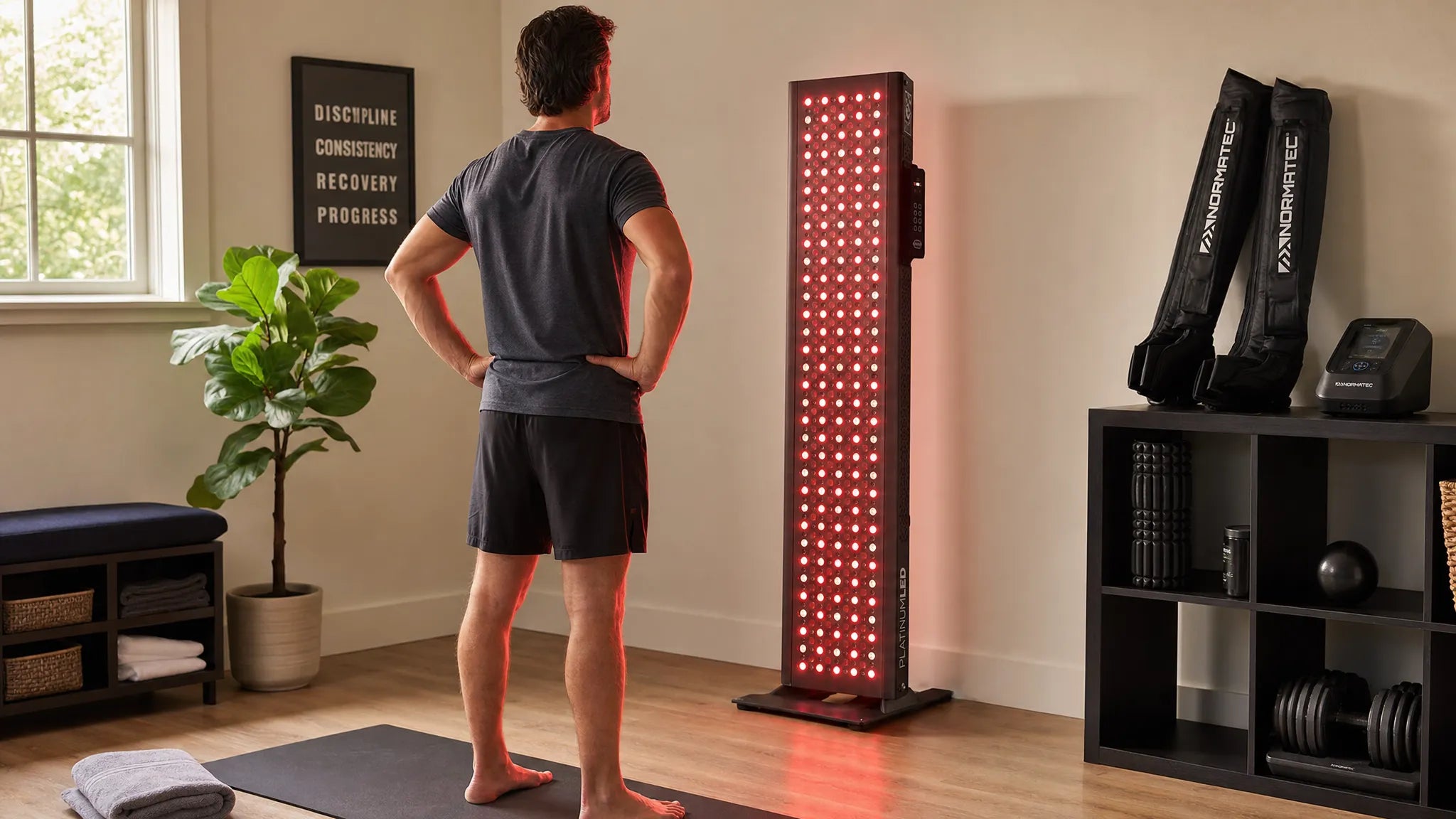
Full body light therapy usually refers to red and near-infrared light delivered by a large LED panel, panel array, canopy, or bed-style system. In medical and rehabilitation circles, the broader term is photobiomodulation, often shortened to PBM.
PBM is different from tanning. Reputable therapeutic systems use visible red light and near-infrared light, not ultraviolet tanning lamps. The goal is not to bronze the skin. The goal is to expose tissue to specific wavelengths of light that may influence cellular activity. A widely cited review on PBM mechanisms describes effects involving mitochondrial signaling, nitric oxide, oxidative stress balance, and inflammatory pathways when proper dosing is used (Hamblin, 2017).
The word full body mostly describes coverage. It does not automatically mean deeper penetration, better dosing, or stronger therapeutic effect. A big panel with poor irradiance data can be less useful than a smaller, well-designed system with clear treatment instructions. Depth and effect depend on wavelength, output, distance, dose, tissue type, and consistency.

What benefits are actually supported by evidence?
The strongest case for home full body light therapy is not one miracle outcome. It is the combination of several modest, evidence-informed benefits that can matter when used regularly.
| Goal | What the evidence suggests | Realistic takeaway |
|---|---|---|
| Skin texture and signs of aging | A controlled trial published in 2014 found that red and near-infrared light treatments improved skin complexion, roughness, and collagen density in participants (Wunsch and Matuschka, 2014). | Full body systems may help skin quality over time, but results are gradual and depend on dose, frequency, and skin-care basics. |
| Joint pain and osteoarthritis | A 2019 systematic review and meta-analysis in BMJ Open found that low-level laser therapy reduced pain and disability in knee osteoarthritis when dosing followed recommended ranges (Stausholm et al., 2019). | Light therapy may support joint comfort, but focal joints may respond better to targeted pads or laser systems than a distant full-body panel. |
| Exercise recovery and muscle performance | A systematic review and meta-analysis reported that PBM can improve muscle performance and reduce fatigue markers when used with appropriate parameters (Vanin et al., 2018). | Athletes may benefit most when light therapy is part of a broader recovery plan that includes sleep, nutrition, mobility, and compression. |
| Inflammation modulation | PBM research describes anti-inflammatory mechanisms, including effects on cytokines and oxidative stress pathways (Hamblin, 2017). | It may help calm irritated tissue biology, but it should not be treated as a stand-alone treatment for serious inflammatory disease. |
| Weight-loss support | Some low-level light devices have device-specific FDA clearances related to temporary circumference reduction, but FDA clearance depends on the specific device and indication (FDA 510(k) database). | Full body light therapy is not a reliable fat-loss shortcut. At best, it is an adjunct to exercise, nutrition, and recovery. |
This is where I think buyers need the most honesty. Full body light therapy can be useful, but it is usually an incremental tool. If someone tells you it melts fat, fixes chronic pain overnight, or replaces rehab, keep your wallet closed.
When is full body light therapy at home worth it?
It is most likely worth it when you have a reason to use it several times per week and you are treating more than one area. A runner with sore legs and back tightness, a busy parent who wants a simple evening recovery routine, or a clinic owner adding a general wellness station may get more value than someone who only has one painful elbow.
Home use also makes sense when access is the barrier. In clinics, I saw this repeatedly. A therapy that works only when a patient drives in twice a week often fails because life gets in the way. A home system removes that friction. If you can stand in front of a panel before a shower or after training, consistency becomes much more realistic.
A simple way to think about value is cost per expected use. Take the device cost and divide it by how many times you realistically expect to use it over three years. If the answer still feels reasonable compared with clinic sessions, and the device has real specifications, the purchase may make sense.
It is less likely to be worth it if you are buying it for one of these reasons:
- You want major weight loss without changing food intake, activity, or sleep.
- You have one deep, specific problem that may be better suited to cold laser therapy or a clinician-directed plan.
- Your main issue is acute post-surgical swelling, where cold compression or medical compression may be the more direct tool.
- You know you will not use it consistently for at least 6 to 8 weeks.
- The device seller cannot provide wavelengths, irradiance data, safety information, and warranty details.
Full-body panel, bed, pad, or laser: which format makes sense?
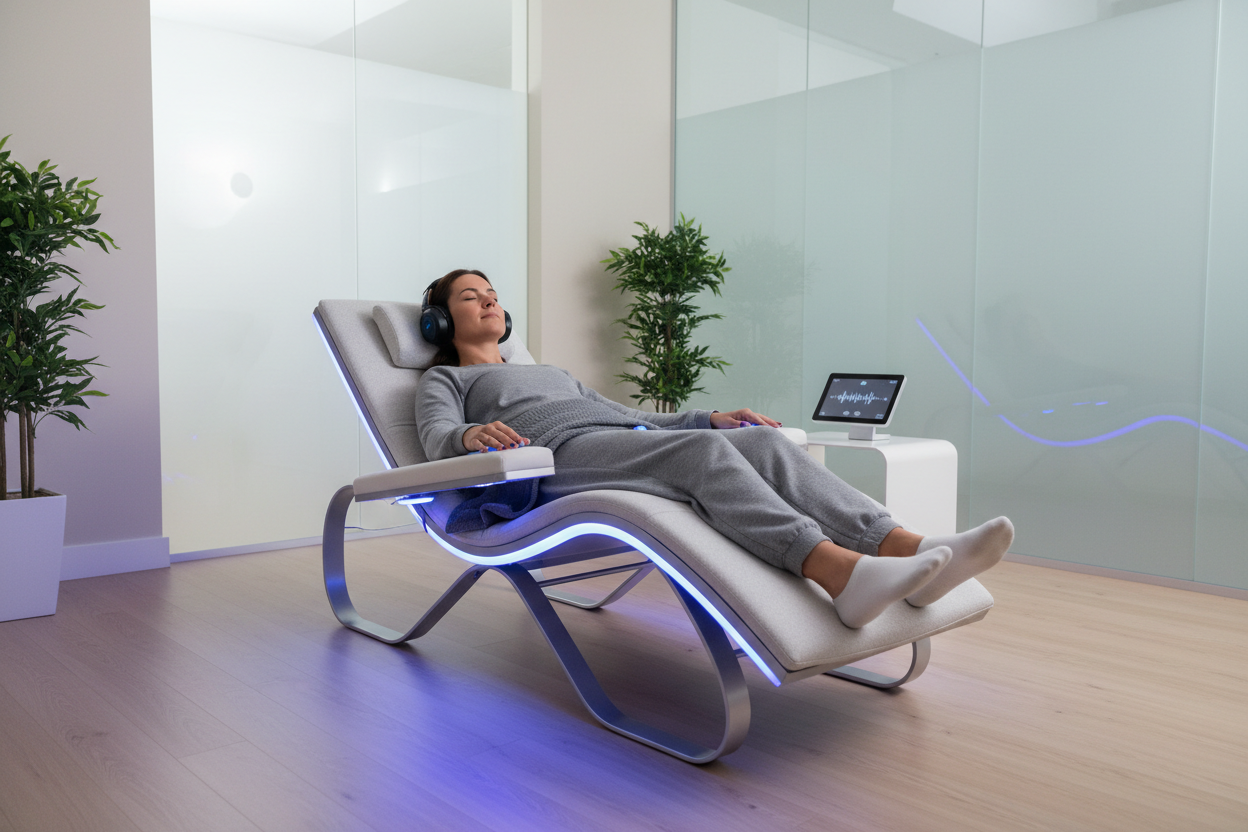
The format matters more than most buyers realize. A full body light therapy bed is convenient, but it is not automatically better than a strong panel. A flexible pad is not full-body, but it may be better for a painful knee or shoulder because it stays close to the tissue.
| Device format | Best fit | Strengths | Main limitations |
|---|---|---|---|
| Full-body LED panel or panel array | Home users who want broad coverage for recovery, skin, and wellness routines | Efficient coverage, flexible positioning, easier to place at home than a bed | Dose changes with distance and angle; you may need to rotate for front and back coverage |
| Full-body light bed or canopy | Clinics, med spas, and high-use home settings with dedicated space | Easy positioning and large coverage | Higher cost, larger footprint, less flexible for targeted work |
| Flexible red and near-infrared pads | People treating knees, shoulders, back, feet, or localized pain areas | Close-contact delivery and easier targeting around joints | Not efficient for whole-body exposure |
| Cold laser therapy systems | Clinicians or serious home users treating focal pain, neuropathy, tendinopathy, or deep musculoskeletal issues | More precise dosing and targeted delivery | Usually not designed for whole-body wellness sessions |
| Small lamps or handheld devices | Entry-level users testing the category | Lower cost and simple storage | Small treatment area and often limited specifications |
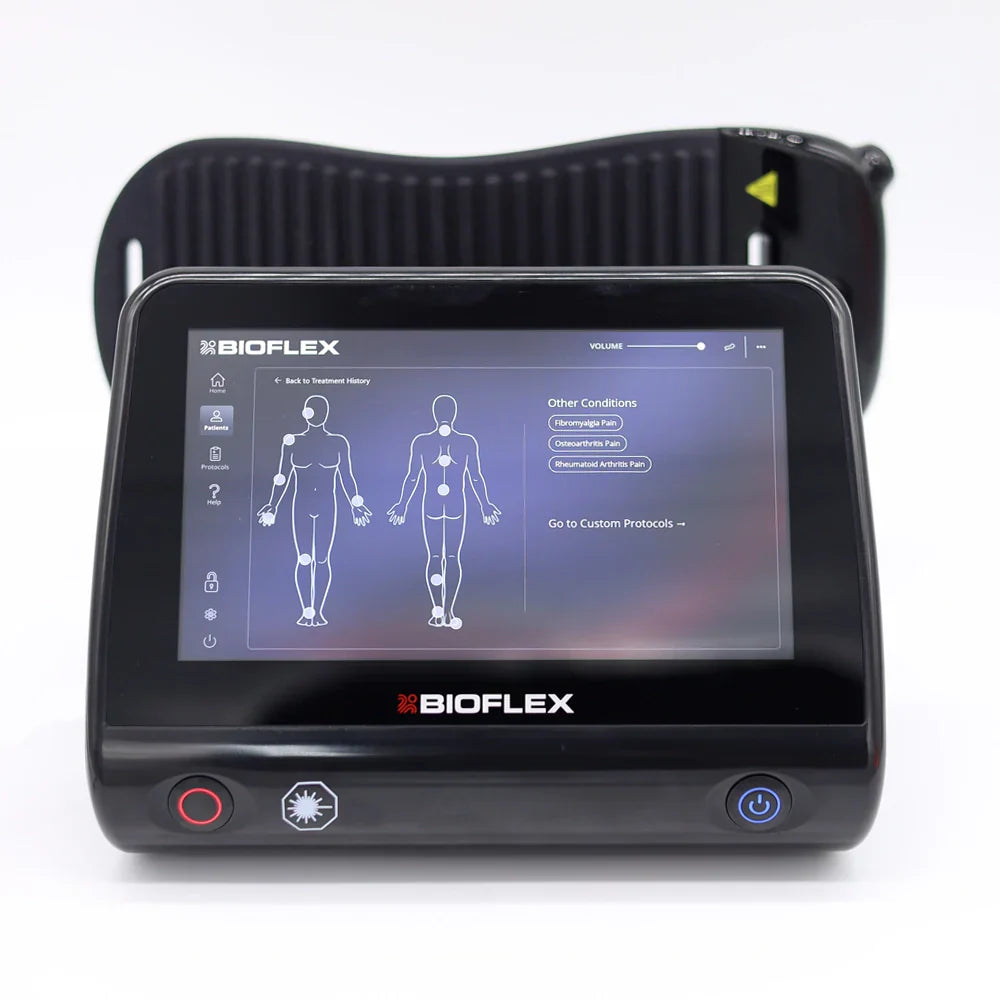
At Your Health Sanctuary, we carry professional-grade recovery and wellness categories because different problems need different tools. HealthLight-style red and near-infrared systems can make sense for broad PBM use. BioFlex cold laser therapy may be a better fit for more targeted clinical protocols. Pneumatic compression, cold compression, percussion massage, and whole-body vibration all have their place when the problem is circulation, swelling, muscle tone, or mobility rather than general light exposure.
If you want a deeper breakdown of device quality, our guide to medical-grade red light therapy vs consumer devices explains the technical differences that matter before you buy.
What specs decide whether a home system is strong enough?
I tell customers to ignore glossy product photos until they can answer five questions. If the seller cannot answer these clearly, the device is probably not the right investment.
- Wavelengths: Common therapeutic ranges include red light around 630 to 660 nm and near-infrared light around 810 to 880 nm. Red light is often used for more superficial tissue targets, while near-infrared light is commonly used when deeper tissue exposure is desired, although actual penetration depends on many variables.
- Irradiance at a real distance: Output should be reported at a practical treatment distance, not only at the surface of the LEDs. Without this, you cannot estimate dose.
- Coverage area: Full body use requires enough height and width to treat large regions efficiently. If you must spend an hour repositioning, you probably will not keep the routine.
- FDA status and claims: FDA registration is not the same as FDA 510(k) clearance. Clearance is device-specific and indication-specific, which you can verify through the FDA database.
- Support and documentation: A good device should include usage guidance, safety instructions, warranty details, and responsive customer support.
Dose is where many home users go wrong. More light is not always better. PBM literature describes a biphasic dose response, meaning too little may do nothing and too much may be less effective than the right amount (Hamblin, 2017). That is why I prefer devices with clear protocols instead of vague promises.
How should you use full body light therapy at home?
Start with the manufacturer’s instructions for your exact device. Different panels and beds can deliver very different doses, so no universal timing rule fits every system. Still, there are practical habits that make almost every setup safer and more consistent.
- Pick one primary goal: Decide whether you are tracking skin, soreness, joint comfort, sleep routine, or post-workout recovery. If you track everything, you will learn nothing.
- Keep distance and time consistent: Mark your standing spot or chair position so every session is repeatable.
- Protect your eyes: Use the eye protection recommended by the manufacturer, especially with bright panels or near-infrared output that may not feel intense to the eye.
- Expose the target area: Clothing blocks light. Remove watches, rings, necklaces, and reflective accessories so the light reaches skin evenly and glare is reduced.
- Track one measurable outcome: Use a 0 to 10 pain score, morning stiffness time, workout soreness rating, skin photos under the same lighting, or range-of-motion notes.
For many people, the real test is not the first session. It is whether they can repeat the routine for 6 to 8 weeks. Skin trials and recovery studies typically involve repeated exposure over time, not a single use. That is why consistency matters more than chasing the longest possible session.
For setup details, eye safety, and routine planning, you can also read our guide to red light therapy at home.
Who should be careful before using it?
Most healthy adults tolerate red and near-infrared light therapy well when they follow device instructions, but home use still deserves basic caution. Light exposure may be a problem for people taking photosensitizing medications or dealing with photosensitive conditions. Drug-induced photosensitivity is a recognized medical issue, and medication lists can include certain antibiotics, diuretics, acne medications, and other drug classes (DermNet NZ).
Be more cautious if you have active cancer, are receiving cancer treatment, have a seizure disorder triggered by flashing light, have significant retinal disease, are pregnant and considering abdominal exposure, or are treating an open wound or fresh surgical incision. In those situations, do not guess. Ask the clinician who knows your case and follow the device labeling.
People with neuropathy should also be careful. If sensation is reduced, you may not notice heat, irritation, or positioning problems as quickly. Use conservative timing, inspect the skin, and avoid turning light therapy into a pain endurance test.
When another recovery device may be the smarter buy
One mistake I see is trying to make full body light therapy solve every recovery problem. In the clinics I helped build, better outcomes usually came from matching the modality to the job.
| Main problem | Device category to consider first | Why it may be a better fit |
|---|---|---|
| Fresh post-surgical swelling or acute joint inflammation | Cold compression, such as Game Ready-style systems | Cooling plus compression is more directly aimed at swelling control and post-op comfort routines. |
| Heavy legs, travel-related leg fatigue, or lymphedema management | Pneumatic compression, such as Bio Compression or recovery boots | Sequential compression is designed around fluid movement and limb compression rather than light exposure. |
| One deep, stubborn pain point | Cold laser therapy, such as BioFlex systems | Targeted PBM can be more precise for focal tissue treatment than standing in front of a panel. |
| Muscle knots, tight hips, or pre-workout tissue prep | Percussive massage, such as Therabody devices | Mechanical stimulation may be more useful when the main problem is muscle tone or soft-tissue stiffness. |
| Balance, bone-loading, or low-impact movement support | Whole-body vibration | Vibration platforms serve a different role, especially for neuromuscular activation and movement routines. |
| Whole-body wellness, skin support, and broad recovery routines | Full body light therapy | Broad coverage is the main advantage when you want a repeatable routine for multiple areas. |
This is why I do not push every customer toward the same product. A full body light therapy panel can be a great home wellness tool, but it is not always the first device I would choose for a fresh ACL recovery, lymphedema, plantar fasciitis, or sciatica.
So, is full body light therapy at home worth it?
Yes, if you are buying a well-specified device, have a clear goal, and will use it consistently. It is especially reasonable for people who want broad coverage, dislike scheduling clinic visits, or already spend money on repeated wellness sessions.
No, if you are expecting a dramatic transformation without the basics. Light therapy works best as part of a stack: sleep, movement, nutrition, strength work, hydration, and the right recovery tools for the problem. If pain is severe, swelling is new, sensation is changing, or you are recovering from surgery, start with medical guidance and choose the modality that fits the condition.
My buying rule is simple: choose full body light therapy when coverage and consistency are the main barriers. Choose targeted light pads, cold laser therapy, cold compression, pneumatic compression, percussion, or whole-body vibration when the problem is more specific.
Frequently Asked Questions
Does full body light therapy really work at home? It can, if the device provides appropriate wavelengths, output, and dosing instructions, and if you use it consistently. Evidence is strongest for gradual skin changes, some pain and joint applications, inflammation modulation, and exercise recovery support, not instant cures.
How long does it take to see results from full body light therapy? Skin and recovery changes usually require repeated use over several weeks. Many people judge too early after one or two sessions. Track one outcome for 6 to 8 weeks before deciding whether the routine is helping.
Is full body light therapy good for weight loss? It should not be treated as a stand-alone weight-loss tool. Some low-level light devices have specific clearances related to temporary circumference reduction, but that is different from reliable fat loss. Nutrition, strength training, daily movement, and sleep still drive the result.
Is a full body red light therapy bed better than a panel? Not automatically. A bed may be easier for relaxed, full-coverage sessions, especially in a clinic. A panel can be more flexible, easier to fit at home, and often more practical for front-back routines. Specs and consistency matter more than format alone.
Can I use full body light therapy after surgery? Sometimes, but do not use it over fresh incisions, surgical sites, or treated areas unless your surgeon or rehab clinician clears it. After surgery, cold compression, pneumatic compression, and physical therapy may be higher priorities in the early phase.
Can I use it every day? Some devices allow frequent use, but daily treatment is not automatically better. Follow the manual for your exact system, start conservatively, and watch for skin irritation, eye discomfort, headaches, or worsening symptoms.
Should I buy medical-grade or consumer light therapy equipment? If you are using it for general wellness or skin support, a quality consumer panel may be enough. If you are using it for pain, neuropathy, post-surgical recovery support, or clinic use, medical-grade specifications, FDA status, protocols, and support become much more important.
Need help choosing the right recovery setup?
If you are comparing full body light therapy with red and near-infrared pads, BioFlex cold laser therapy, Game Ready cold compression, Bio Compression pneumatic systems, Therabody percussion devices, or whole-body vibration, we can help you sort through the options.
Your Health Sanctuary focuses on professional-grade recovery and wellness equipment for home and clinic use, with clinic-trusted brands, detailed product specs, free shipping, price match support, flexible financing options, and responsive customer support. If you want a practical recommendation instead of a hype-driven answer, visit Your Health Sanctuary and we’ll help match the device to your actual recovery goal.