
You've been told both cold laser therapy and red light therapy can help with your condition. A friend swears by the red light panel they use at home. Your sports medicine doctor mentioned cold laser. Your insurance might cover one but not the other. The devices look similar in photos. So what's actually different — and does it matter for your specific situation?
The answer is: it depends on what you're treating and how deep the problem is. Cold laser vs red light therapy is not a question of better or worse. It's a question of clinical application, penetration depth, power delivery, and regulatory classification. Getting this wrong means months of using the wrong tool for the job.
The Short Answer: Same Principle, Different Power and Precision
Both cold laser therapy and red light therapy operate through photobiomodulation (PBM) — the same cellular mechanism. Photons in the red and near-infrared wavelength range are absorbed by cytochrome c oxidase in the mitochondria of cells, triggering ATP production, reducing oxidative stress, and stimulating tissue repair.
The difference is the hardware delivering those photons:
- Cold laser therapy uses coherent, collimated laser diodes operating at therapeutic power densities sufficient to penetrate 3-5cm into tissue. In clinical settings, this means reaching tendons, ligaments, joint capsules, deep muscle tissue, and nerve structures.
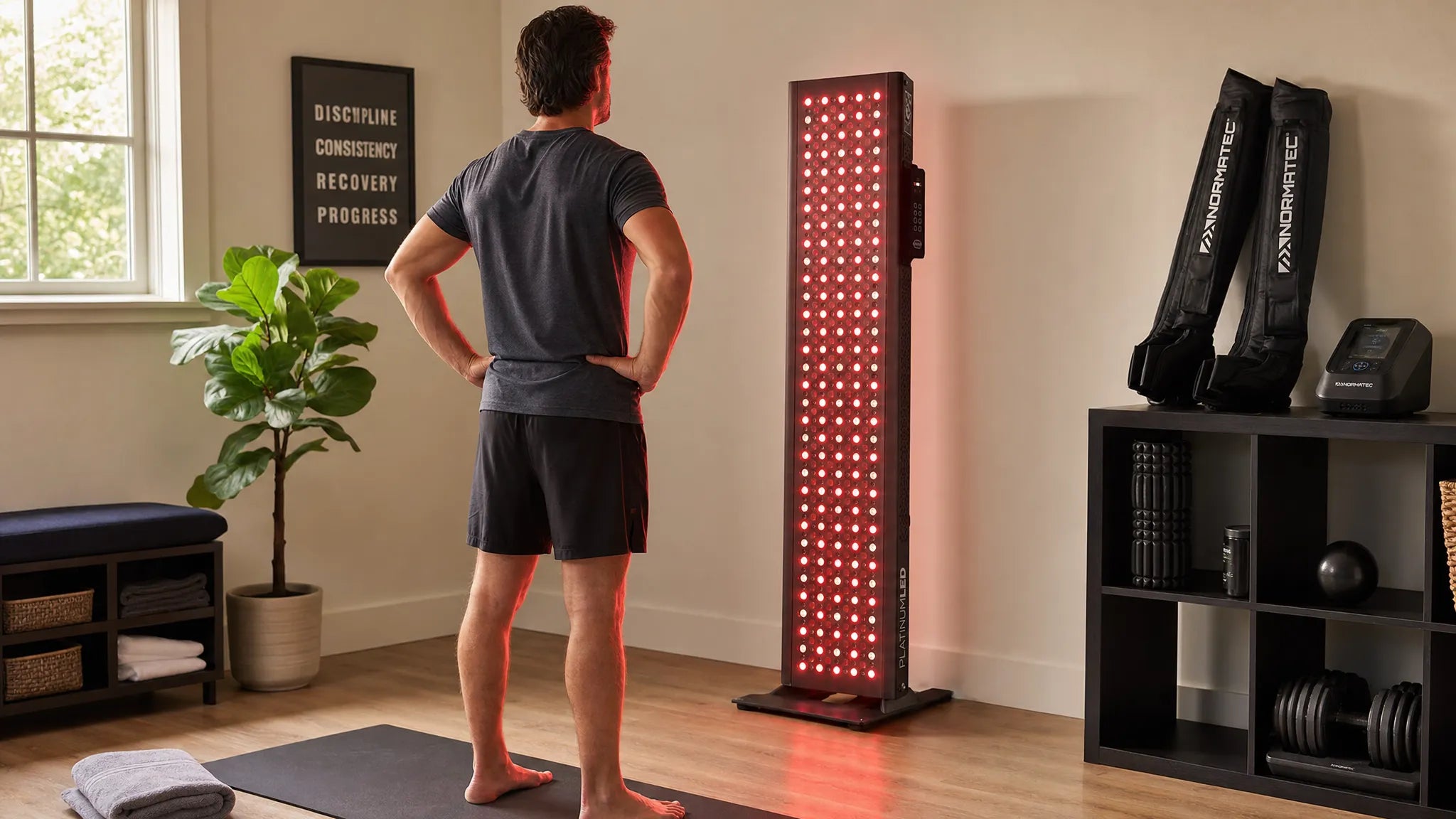
- Red light therapy uses non-coherent LED arrays at lower power densities. Most consumer and prosumer red light panels deliver therapeutic doses to the skin and superficial tissue (1-2cm depth). Medical-grade devices like HealthLight extend this further, but still operate differently from clinical cold laser.
Penetration Depth: The Most Important Clinical Distinction
Tissue penetration is where cold laser and red light therapy diverge most significantly in clinical practice.
Light attenuation in biological tissue follows Beer-Lambert law — photon density decreases exponentially with depth due to scattering and absorption. At 630nm (red), roughly 50% of surface photons are absorbed within the first 2-3mm of skin. At 830-905nm (near-infrared), photons penetrate substantially deeper — but coherent laser diodes at therapeutic power maintain sufficient photon density at depth to produce biological effects where LED arrays cannot.
A 2021 study in Journal of Biophotonics measured irradiance at various tissue depths from clinical cold laser versus consumer LED arrays operating at comparable surface wavelengths. At 3cm depth (relevant for treating the knee joint, plantar fascia, or lumbar facet joints), clinical cold laser maintained 8-12% of surface irradiance. Consumer LED panels maintained 1-3% at the same depth — typically insufficient for therapeutic effect in deep tissue.
What this means clinically:
- Cold laser is the appropriate tool for: deep tendon pathology (Achilles, patellar, rotator cuff), joint inflammation (knee, hip, shoulder), plantar fasciitis, nerve entrapment, post-surgical healing of deep tissue structures
- Red light therapy is the appropriate tool for: skin conditions, superficial wound healing, surface muscle recovery, collagen stimulation for cosmetic applications, adjunct support between clinical sessions, large-area wellness applications
The Regulatory Distinction: FDA-Cleared for Treatment vs Wellness
In the United States, the regulatory classification reflects the clinical evidence standard:
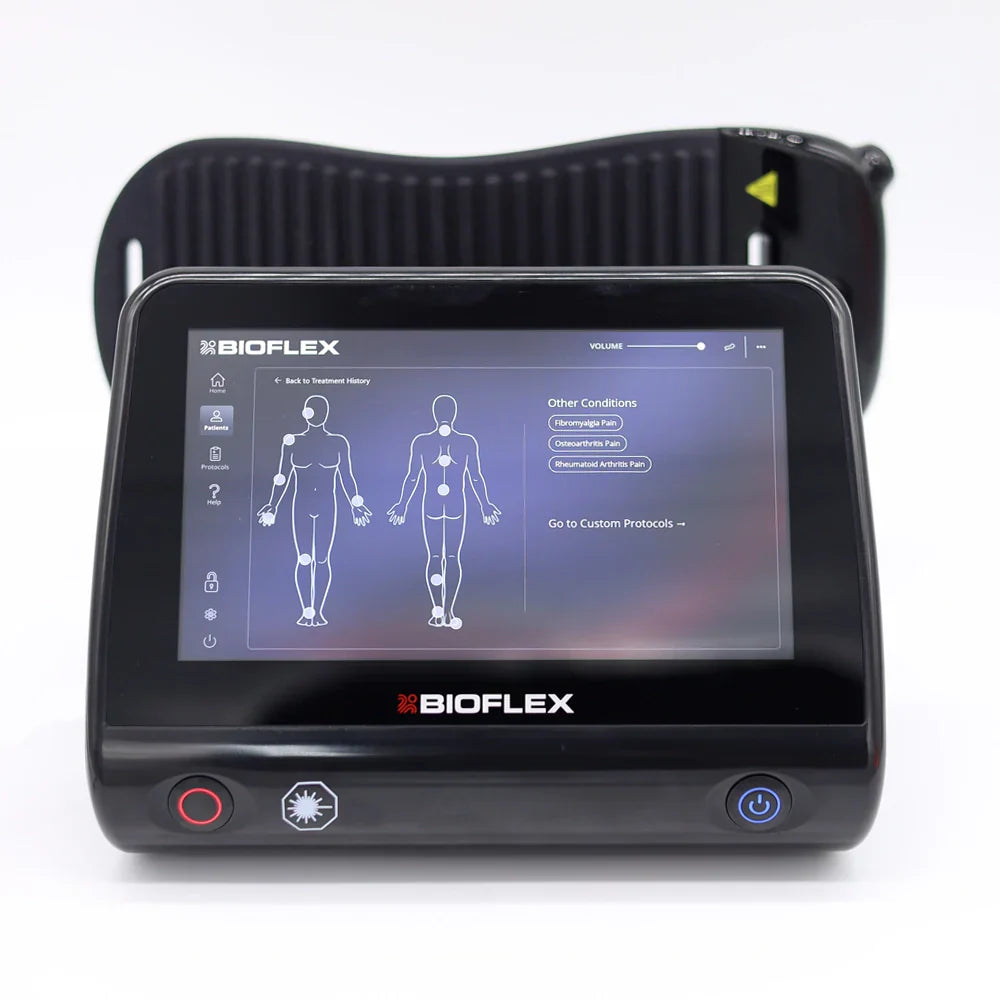
Cold laser therapy devices (Class II and Class IV) are FDA-cleared for specific medical indications. The BIOFLEX MultiPort System is FDA-registered as a medical device for musculoskeletal conditions. This classification requires the manufacturer to demonstrate safety and efficacy through clinical evidence submitted to the FDA.
Red light therapy panels fall into a range of regulatory categories. Consumer LED panels are often registered as general wellness devices (Class I, 510(k) exempt) — meaning they don't require clinical evidence of efficacy for specific medical conditions. Medical-grade red light devices like the HealthLight Ultimate Body Kit are FDA-cleared medical devices — distinguishing them from the majority of consumer panels on the market.
For patients making healthcare decisions, this distinction matters: FDA-cleared medical devices have a burden of clinical evidence. Consumer wellness panels do not require the same standard. When you're treating a real injury or chronic condition, the clinical evidence standard matters.
Cold Laser vs Red Light: Side-by-Side Comparison
| Feature | Cold Laser (Clinical) | Medical Red Light (HealthLight) | Consumer LED Panels |
|---|---|---|---|
| Mechanism | Photobiomodulation (coherent laser) | Photobiomodulation (LED) | Photobiomodulation (LED) |
| Penetration depth | 3–5cm (clinical protocols) | 1–3cm | 0.5–2cm |
| FDA clearance | Class II/IV medical device | FDA-cleared medical device | General wellness (typically) |
| Clinical evidence level | Level I RCT evidence (many conditions) | Strong for neuropathy, wound healing | Limited for medical conditions |
| Setting | Clinic (practitioner-administered) | Home or clinic | Home |
| Best for | Deep tissue injury, joint pathology | Neuropathy, skin, large-area recovery | Superficial wellness, skin |
| Price point | $5,000–$15,000 (clinic investment) | $1,000–$2,000 (home/clinic) | $100–$800 |
| Treatment area | Focused/targeted | Large pad coverage | Panel exposure |
When to Choose Cold Laser Therapy
Cold laser is the clinical standard when:
- Depth matters: The condition involves deep connective tissue — rotator cuff tendons, plantar fascia, knee ligaments, lumbar disc-adjacent structures
- Precision is required: Nerve entrapments, trigger points, or specific joint structures that need targeted treatment dose
- You need the evidence base: Clinical-grade treatment with Level I evidence, relevant for insurance documentation or post-surgical protocols where the referring physician needs to know what's being used
- Speed of results matters: Clinical systems deliver therapeutic doses in 15-25 minutes per session; consumer panels at lower power densities take much longer to accumulate equivalent photon dose
The BIOFLEX MultiPort System is the choice for clinics that need reproducible, documentable outcomes for musculoskeletal conditions.
When to Choose Red Light Therapy
Red light therapy is the appropriate choice when:
- Large area coverage is needed: Peripheral neuropathy affecting both legs, generalized muscle recovery, full-body wellness protocols
- Home use is the priority: Patients who need ongoing daily therapy between clinical sessions or who can't access a clinic regularly
- Skin and superficial tissue is the target: Wound healing, skin rejuvenation, collagen stimulation, scar tissue support
- The condition is primarily superficial: Surface muscle soreness, post-workout recovery, general inflammation management
The HealthLight Ultimate Body Kit delivers medical-grade red light therapy in an FDA-cleared device designed for clinical conditions — not just wellness. This is the distinction that separates HealthLight from the majority of consumer panels on the market, and why it's the preferred home therapy option for patients managing neuropathy, chronic pain, and post-surgical recovery at home.
Can Cold Laser and Red Light Therapy Be Used Together?
Yes — and this is how many progressive clinical protocols work. Cold laser provides the deep-tissue therapeutic dose; red light therapy provides large-area coverage and ongoing between-session maintenance. The modalities operate through the same mechanism but target different tissue depths and areas, making them genuinely complementary.
A practical example: a patient receiving cold laser treatment for plantar fasciitis at a clinic 3 times per week can use a HealthLight pad at home on off-days to maintain photobiomodulation stimulus in the superficial tissue, support circulation, and manage inflammation — without needing clinic access every day.
HSA/FSA Eligibility
Both cold laser therapy sessions with a licensed practitioner and FDA-cleared home devices typically qualify as medical expenses eligible for HSA/FSA reimbursement. HSA/FSA eligibility for home devices purchased at Your Health Sanctuary is coming soon via our Truemed integration — call (612) 360-2490 for current availability.
Related Resources
- BIOFLEX vs K-Laser: Complete Clinical Comparison — for clinic professionals comparing cold laser systems
- HealthLight vs Joovv: Medical-Grade vs Consumer Red Light — how medical red light compares to the most popular consumer brand
Frequently Asked Questions: Cold Laser vs Red Light Therapy
Is cold laser therapy the same as red light therapy?
They share the same underlying mechanism (photobiomodulation) but differ significantly in delivery. Cold laser uses coherent laser diodes at clinical power densities capable of penetrating 3-5cm into tissue. Red light therapy typically uses non-coherent LED arrays with shallower penetration. Medical-grade cold laser (BIOFLEX, K-Laser, Erchonia) operates under different FDA classifications and evidence standards than consumer red light panels.
Which is better for nerve pain — cold laser or red light therapy?
For peripheral neuropathy involving the legs or arms, medical-grade red light therapy (like HealthLight) is often the preferred modality because it can cover large treatment areas with flexible pads. Cold laser is more precise but treating the full extent of a neuropathy distribution would require many separate sessions. For focal nerve entrapment (carpal tunnel, tarsal tunnel), cold laser's precision and penetration depth makes it the more appropriate tool.
Does red light therapy penetrate as deep as cold laser?
No. Consumer LED panels typically deliver therapeutic photon density only to the first 1-2cm of tissue. Clinical cold laser at 830-905nm maintains therapeutic photon density at 3-5cm depth. Medical-grade red light devices like HealthLight are more effective than consumer panels but still don't match the penetration depth of clinical cold laser systems.
Can I use red light therapy at home instead of going to a clinic for cold laser?
For superficial conditions (skin, surface muscle recovery, neuropathy), medical-grade home red light therapy can be an effective alternative or adjunct to clinic visits. For deep musculoskeletal conditions — tendinopathies, joint inflammation, plantar fasciitis, post-surgical healing — clinic-based cold laser reaches tissue that home red light cannot. The right answer depends on what you're treating and how deep the problem is.
What device should I buy for home use if I can't access cold laser regularly?
If you're managing a condition that would benefit from photobiomodulation between clinic visits, the HealthLight Ultimate Body Kit is the most clinically credible home option — FDA-cleared, used in PT clinics, and designed for therapeutic conditions rather than just wellness. It's not a substitute for clinical cold laser on deep tissue conditions, but it's the best adjunct tool available for home use. Call (612) 360-2490 to discuss whether it's appropriate for your specific condition.
Are these devices HSA/FSA eligible?
Yes. The BIOFLEX MultiPort System and HealthLight Ultimate Body Kit are both HSA/FSA-eligible medical devices when prescribed for a documented condition. With a Letter of Medical Necessity from your physician, the purchase qualifies as an eligible medical expense — for most patients in the 22-32% federal tax bracket, this converts to roughly 26-40% in real tax savings. Check with your plan administrator and request the LMN from your prescribing physician.
Ready to Find the Right Tool for Your Condition?
If you're unsure whether cold laser, red light therapy, or a combination approach is right for your situation, Justin at Your Health Sanctuary can help. With 20+ years in clinical settings and direct relationships with practitioners using these devices, we can give you an honest answer — not just a sales pitch.
📞 (612) 360-2490
- BIOFLEX MultiPort System → — clinical-grade cold laser for practitioners
- HealthLight Ultimate Body Kit → — FDA-cleared medical red light therapy for home
Both devices are HSA/FSA eligible with a Letter of Medical Necessity from your physician — medical-grade cold laser and red light therapy devices typically qualify as HSA/FSA-eligible medical expenses. For most patients in the 22-32% federal tax bracket, this pre-tax purchase converts to roughly 26-40% in real tax savings. Check with your plan administrator about HSA/FSA eligibility before purchase.
Ready to Upgrade Your Recovery?
The equipment referenced in this guide, in stock and ready to ship. Many products qualify for HSA/FSA — call us to confirm eligibility for your situation.
Questions? Talk to our recovery specialists: (612) 360-2490
About the Author
Justin Webster, owner of Your Health Sanctuary, has spent his career helping build over 20 niche medical clinics across the USA and has written 2 books on the subject. Working alongside dozens of MDs, he saw firsthand what actually works for weight loss, recovery, and anti-aging, and what doesn't. He even published a weight loss book centered on Apple Cider Vinegar. When he realized it wasn't at the level it needed to be, he had the humility to pull it entirely and start over. That willingness to hold himself to a higher standard, even when it costs him, is what drives how Your Health Sanctuary operates. Life and business experience in the medical field led to everything this store is built on. Justin has personally lost 55 lbs. and made anti-aging his obsession. He didn't start this store to push products. He started it because he knew the tools clinicians trust — the ones that deliver real results — were out of reach for most people. Your Health Sanctuary exists to change that.