
Controlled Cold Compression Unit vs Ice Packs After Surgery
At 2:13 a.m., the ice pack you put on your knee after surgery is already half warm at the edges and painfully frozen in the center. You are tired, the swelling is tight, and the last thing you want to do is shuffle back to the freezer.
That is usually the moment people start asking whether a controlled cold compression unit is actually worth it, or whether regular ice packs are good enough.
I’m Justin Webster, owner of Your Health Sanctuary. After helping build more than 20 niche medical clinics across the USA and working alongside dozens of MDs, I’ve seen this decision play out in real homes and rehab settings. My short answer is simple: ice packs can be enough for minor procedures and short-term use, but a controlled cold compression unit is often the better tool after major orthopedic surgery when swelling, repeated sessions, and comfort matter.
That does not mean everyone needs to buy one. It means you should match the tool to the surgery, the swelling risk, your mobility, and the instructions from your surgeon.
Quick answer: controlled cold compression unit vs ice packs after surgery
If you had a small procedure, have low swelling, can move around safely, and only need occasional icing, ice packs may be perfectly reasonable.
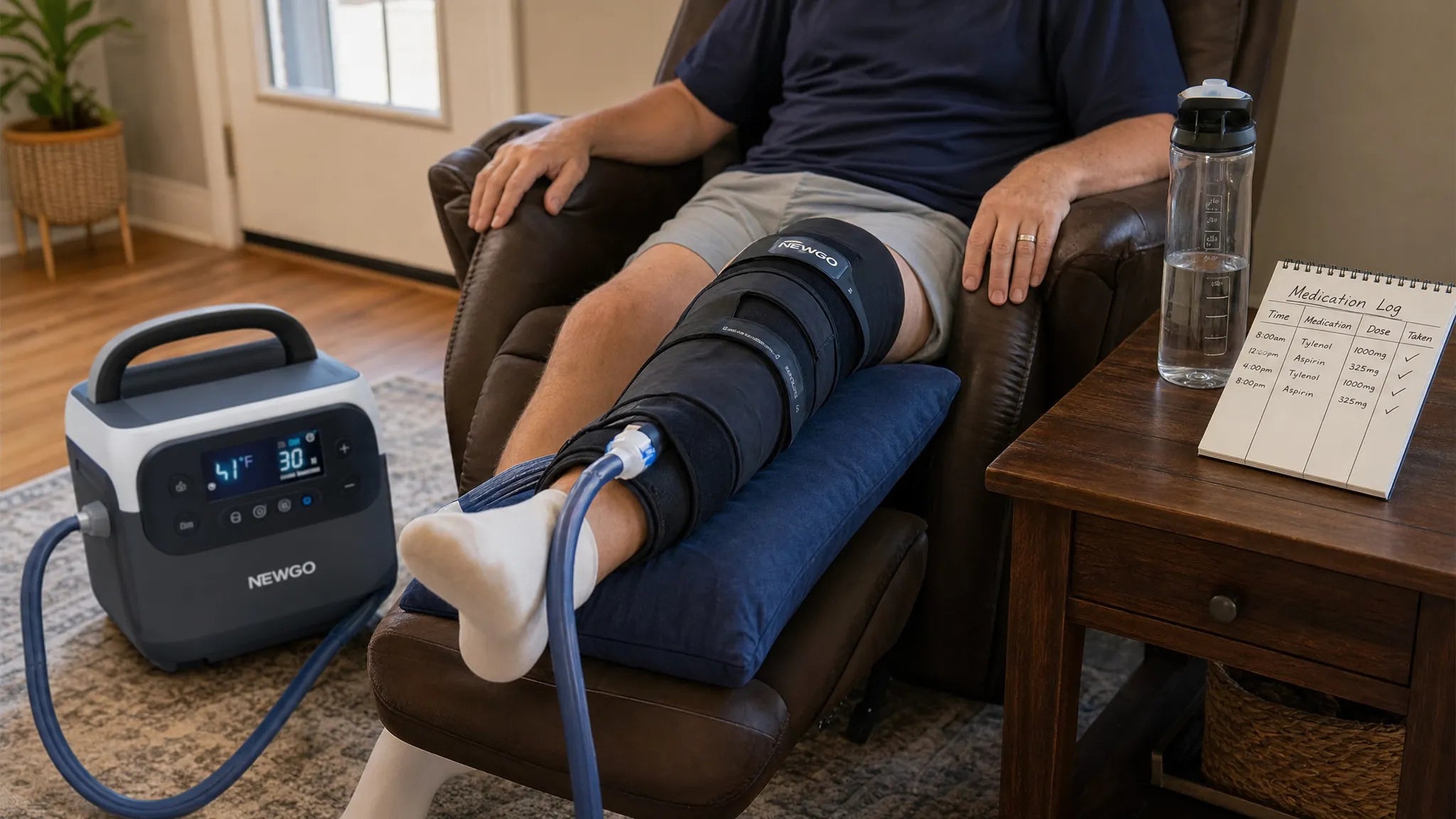
If you had ACL reconstruction, knee replacement, rotator cuff repair, ankle surgery, hip surgery, or another procedure where swelling and pain control are a major part of the first few weeks, a controlled cold compression unit is usually easier to use consistently. It combines cold therapy with fitted compression, which can make post-op icing less messy and more repeatable.
The research supports a cautious, practical view. A Cochrane review of cryotherapy after total knee replacement found that cold therapy may provide short-term benefits for pain, swelling, and range of motion, but the certainty of evidence was limited. In other words, cold is useful, but it is not magic. The advantage of a cold compression unit is less about a miracle effect and more about better control, better fit, and better adherence.
What does a controlled cold compression unit actually do?
A controlled cold compression unit is a post-surgery recovery device that delivers cooling through a wrap while also applying compression. Depending on the system, it may circulate chilled water through an anatomically shaped sleeve, use adjustable pneumatic compression, or combine both functions in a timed treatment cycle.
Compared with a flat gel pack, the biggest practical differences are:
- More consistent contact with the surgical area, especially around the knee, shoulder, ankle, or hip.
- More controlled cooling than a freezer pack that starts too cold and warms unpredictably.
- Compression support that helps manage post-op swelling when approved by your care team.
- Less freezer swapping, which matters when you are using cold therapy multiple times per day.
- Better repeatability, because each session can be set up the same way.
In clinics, consistency is a big deal. A treatment that works only when a caregiver is available, the freezer is stocked, and the pack is the right temperature is not as useful as one the patient can follow reliably.

Why ice packs still have a place after surgery
Ice packs are not “bad therapy.” They are inexpensive, easy to find, and often enough for mild swelling or short icing windows.
For many patients, especially after minor arthroscopic procedures or soft tissue irritation, a basic ice pack used with a cloth barrier and proper timing can be adequate. The American Academy of Orthopaedic Surgeons includes ice and elevation as common swelling-management steps in its post-knee replacement recovery guidance, though your surgeon’s protocol should always override general advice.
Where ice packs fall short is not the idea of cold therapy. It is the execution. They can be too cold at first, unevenly shaped, leaky, hard to secure, and inconvenient for someone who just had surgery. If you are alone, groggy, on crutches, or sleeping poorly, that inconvenience matters.
Controlled cold compression unit vs ice packs: side-by-side comparison
| Factor | Controlled cold compression unit | Ice packs |
|---|---|---|
| Cooling consistency | More consistent when used correctly, especially with fitted wraps | Variable, often very cold at first and warmer within minutes |
| Compression | Built-in compression on cold-compression systems | None unless you add a wrap separately |
| Fit around surgical joints | Designed wraps can contour around knees, shoulders, ankles, hips, and other areas | Flat packs may not cover the joint evenly |
| Ease of repeated use | Easier for multiple daily sessions once set up | Requires refreezing or rotating packs |
| Best fit | Major orthopedic surgery, high swelling, repeated daily use, clinic or serious home recovery | Minor procedures, occasional icing, budget-conscious short-term use |
| Safety considerations | Must follow device instructions, pressure settings, skin checks, and surgeon guidance | Must avoid direct skin contact, excessive duration, and overly cold packs |
| Cost | Higher upfront cost or rental cost | Low cost |
| Caregiver burden | Lower once the system is set up | Higher if packs need frequent swapping |
My practical view: if the patient is going to ice twice and be done, use ice packs. If the patient needs cold therapy several times a day for days or weeks, especially after major joint surgery, a controlled cold compression unit becomes much more compelling.
What does the clinical evidence say?
Cold therapy is used after orthopedic surgery because it can reduce local tissue temperature, which may help with pain modulation and swelling control. A review in Pain Physician discusses the physiologic basis of cryotherapy for pain, including effects on nerve conduction and local tissue response.
The evidence becomes more interesting when cold is paired with compression. A prospective randomized multicenter trial published in The Bone & Joint Journal evaluated a cryopneumatic device after total knee arthroplasty and reported recovery-related benefits compared with standard care in that setting (Su et al., 2012). Smaller studies have also examined dynamic intermittent compression with cryotherapy after ACL reconstruction, including a preliminary ACL reconstruction study indexed in PubMed.
Here is the honest takeaway I give customers: the evidence is not strong enough to say every surgery patient must use a controlled cold compression unit. But it is strong enough to say these systems are clinically plausible, commonly used in orthopedic recovery, and often more practical than loose ice packs for higher-demand recovery.
That distinction matters. We sell professional-grade recovery equipment at Your Health Sanctuary, but I do not like overselling. A device should solve a real recovery problem. For post-surgery patients, that problem is usually not “I need colder ice.” It is “I need a safer, easier, more consistent way to manage swelling and discomfort at home.”
When ice packs are usually enough
Ice packs may be the right choice if your surgeon gives you a simple icing plan and you can follow it without trouble. They are especially reasonable when the surgical area is small, swelling is mild, and you have someone available to help during the first couple of days.
Ice packs also make sense when cost is the main constraint. A controlled cold compression unit is a bigger investment, and not every recovery warrants that investment.
Use ice packs carefully. Keep a cloth barrier between the pack and your skin, do not fall asleep with ice directly on the surgical area, and check your skin regularly. Cold injury is rare when icing is done correctly, but it becomes more likely when people use direct ice contact, very long sessions, or numb skin.
When a controlled cold compression unit makes more sense
A controlled cold compression unit is worth considering when the recovery plan involves frequent icing, significant swelling, or a joint that is hard to wrap well with a flat pack.
In my experience, these are the most common situations where patients and caregivers appreciate the upgrade:
- Knee replacement or ACL reconstruction, where swelling can limit comfort and early movement.
- Rotator cuff or shoulder surgery, where it is difficult to keep a regular ice pack positioned well.
- Ankle or foot surgery, where swelling control often requires elevation, cold, and careful positioning.
- Patients living alone, where repeated freezer trips create a fall risk.
- Caregivers managing recovery, where a repeatable setup reduces guesswork.
- Clinics and athletic training rooms, where the same system may be used repeatedly across many patients or athletes.
For a deeper look at device selection, we have a separate guide on the best cold therapy machine after surgery, including what to look for in a medical-grade setup.
How to use either option more safely after surgery
Your surgeon’s protocol comes first. The right timing after surgery depends on the procedure, dressing, skin condition, nerve function, and whether compression is appropriate for you.
That said, these are the practical rules I would want a family member to follow:
| Safety point | Why it matters |
|---|---|
| Use a barrier between cold and skin | Direct cold contact can irritate skin or increase cold-injury risk |
| Check skin during and after sessions | Redness, burning, numbness, blistering, or unusual pain means stop and call your care team |
| Do not overtighten wraps | Compression should not cause tingling, color change, or increased pain |
| Keep dressings dry unless your surgeon says otherwise | Moisture around surgical dressings can create problems |
| Elevate as instructed | Elevation is often paired with cold to manage swelling |
| Avoid unsupervised use if sensation is impaired | Neuropathy, nerve blocks, or numbness can make it harder to feel excessive cold |
Be extra cautious if you have Raynaud’s disease, severe peripheral vascular disease, diabetic neuropathy, impaired skin sensation, suspected blood clot, active infection, or significant heart failure. Those are situations where compression or cold exposure may need medical clearance first.
Cost and value: what are you really paying for?
With ice packs, you are paying for cold. With a controlled cold compression unit, you are paying for control, repeatability, wrap fit, and convenience.
That value is highest when recovery is longer or more demanding. A patient who uses cold therapy several times a day for two weeks will feel the convenience difference much more than someone icing a small incision twice.
If you are comparing systems, look at these details before you buy:
- Whether the device provides cold only or cold plus compression.
- Whether the wrap is designed for your surgical area.
- Whether the system is appropriate for home use or clinic use.
- Whether replacement wraps and accessories are available.
- Whether the seller provides real support after purchase.
- Whether you can verify device status through the FDA 510(k) database when FDA clearance is claimed.
This is also where home setup matters. Before surgery, create a recovery station with your device, charger or power cord, towels, medication log, water, phone charger, and safe lighting for nighttime bathroom trips. If you are already making the room safer and easier to navigate, a design-focused lighting shop like BUYnBLUE can be useful for choosing lamps that reduce glare while keeping walkways visible.
What I recommend for different post-surgery situations
For a minor procedure with low swelling, start with ice packs unless your surgeon recommends something more specific. Spend your money on the essentials first: safe mobility, wound supplies, transportation, and physical therapy.
For a major knee, shoulder, hip, or ankle surgery, ask your surgeon whether a cold compression unit is appropriate. If the answer is yes, it is often worth arranging before surgery so you are not trying to solve the problem while tired and swollen.
For clinics, PT offices, and athletic recovery rooms, the calculation is different. A controlled system can improve workflow because staff are not improvising with loose bags of ice. In that environment, professional-grade systems are usually easier to justify.
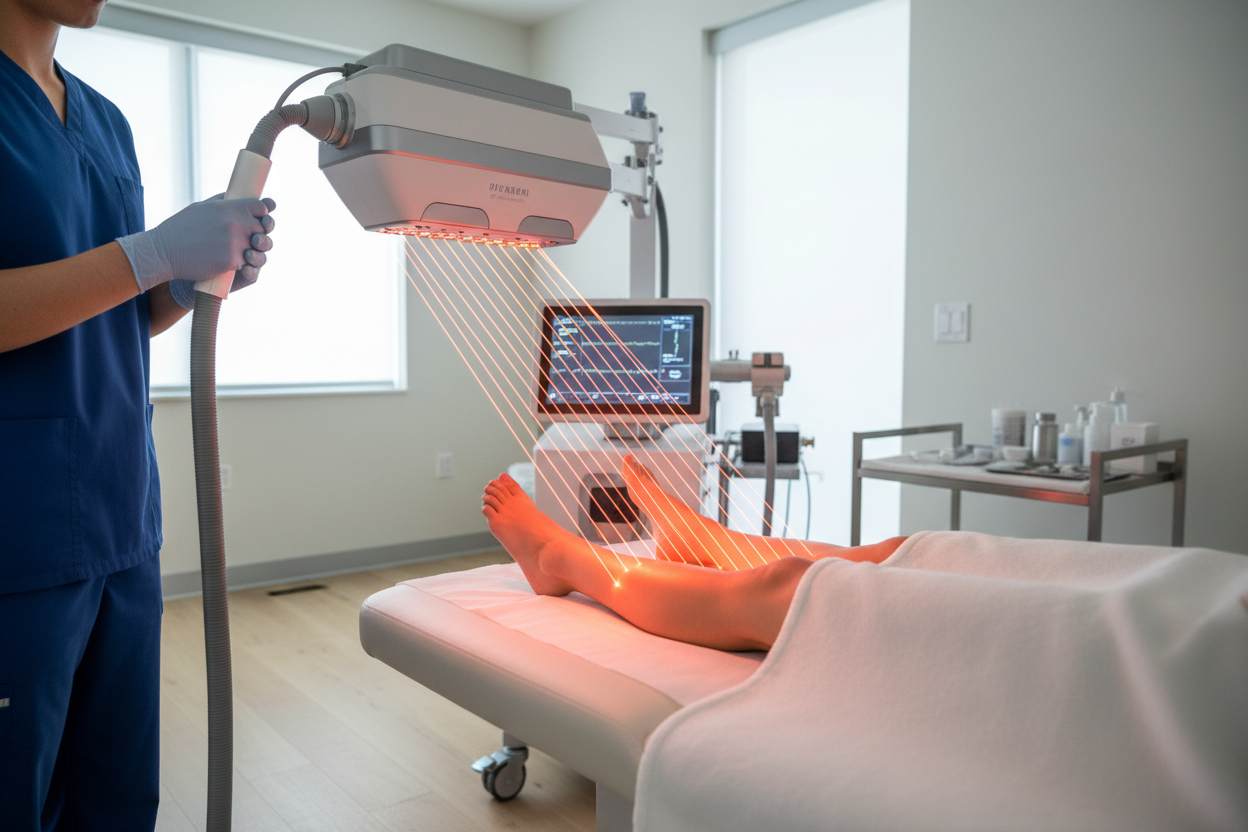
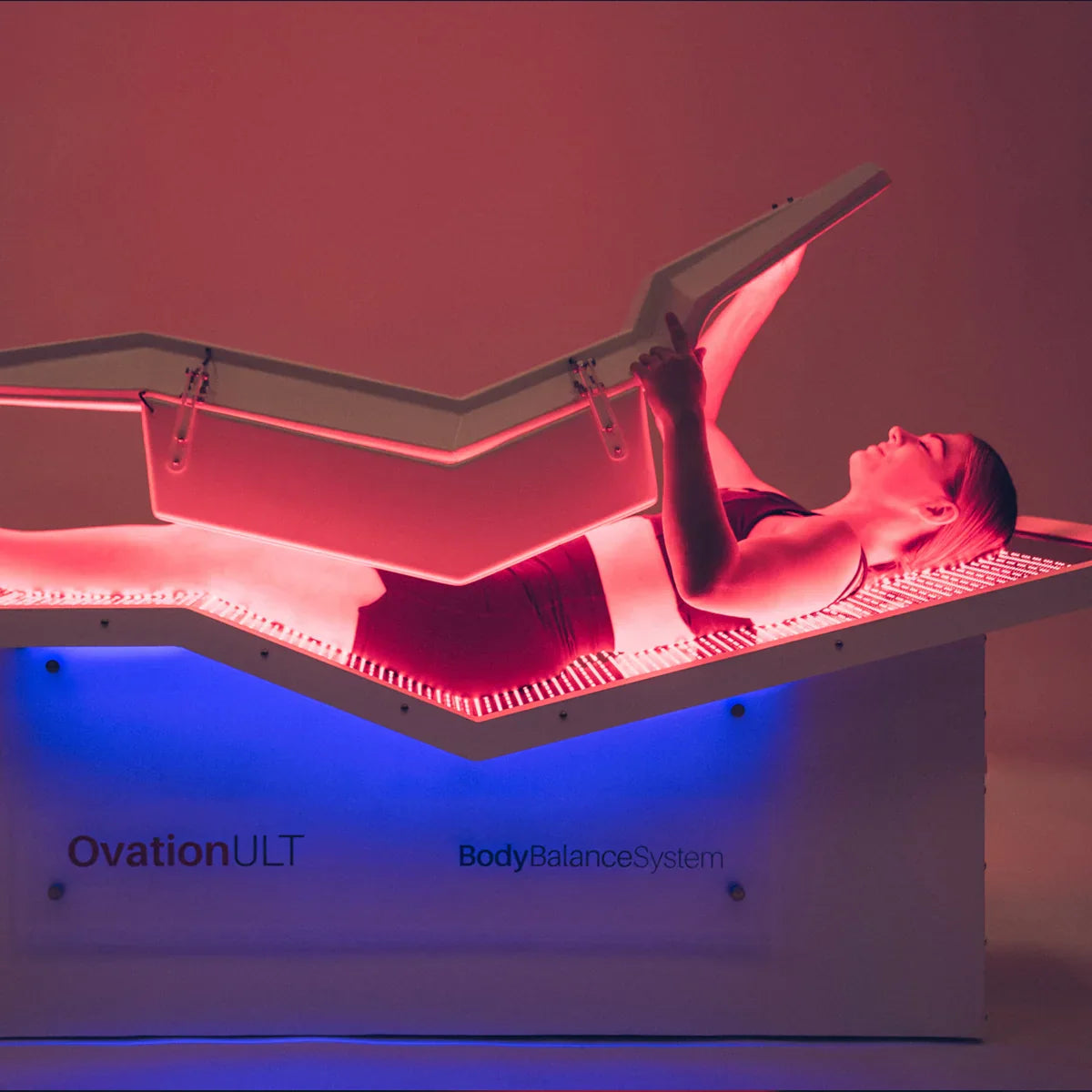
At Your Health Sanctuary, we focus on professional-grade recovery and wellness equipment for home and clinical use, including cold compression, pneumatic compression, cold laser therapy, red light therapy, whole-body vibration, and percussive massage. The point is not to stack devices randomly. The point is to choose the right tool for the recovery problem in front of you.
If you want to understand the broader category, read our guide on what cold compression therapy is and how it works.
FAQ
Is a controlled cold compression unit better than ice packs after knee replacement? Often, yes, for convenience and consistency. The research on cryotherapy after knee replacement suggests possible short-term benefits, but results vary. The biggest real-world advantage is that a fitted cold-compression system is easier to use repeatedly than rotating ice packs all day.
Can I use cold compression right after surgery? Many orthopedic protocols use cold therapy early after surgery, but you need your surgeon’s specific instructions. The timing depends on your dressing, nerve block, skin sensation, incision status, and whether compression is appropriate.
How long should I use ice or cold compression after surgery? Many post-op plans use short sessions several times per day during the early swelling phase, but the exact duration and frequency should come from your surgical team. More is not always better, especially if your skin becomes numb, painful, or irritated.
Can cold compression reduce swelling after surgery? It may help manage swelling as part of a broader plan that can include elevation, movement, compression, and physical therapy. It should not be viewed as a standalone fix for severe or worsening swelling, especially if swelling is paired with calf pain, shortness of breath, fever, drainage, or sudden increased pain.
Can ice packs cause frostbite after surgery? Cold injury is possible if ice is applied directly to skin, used too long, or used when sensation is impaired. Always use a barrier, inspect the skin, and avoid sleeping with ice on the surgical area unless your medical team gives you a specific protected setup.
Is Game Ready the same as a regular ice pack? No. Systems like Game Ready are cold-compression devices that combine cooling with fitted wraps and intermittent pneumatic compression. A regular ice pack only provides passive cold and does not deliver controlled compression.
Should I buy or rent a cold compression unit? Renting can make sense for a single short recovery. Buying can make sense if you expect multiple surgeries, have several athletes in the household, run a clinic, or want long-term access to professional-grade recovery equipment.
Need help choosing the right recovery setup?
If you are preparing for surgery and trying to decide between ice packs, a cold therapy machine, or a controlled cold compression unit, we can help you sort through the options without overselling you.
Your Health Sanctuary carries professional-grade recovery devices used by clinics and athletes, with detailed product specs, free shipping included, price match support, flexible financing options, and responsive customer service. If cold compression is the right fit, we can help you compare systems and wraps. If ice packs are enough, I would rather tell you that too.