
What Is Cold Compression Therapy? A Complete Guide to Faster Recovery
👤 Who Is This Guide For?
🏥
Post-Surgery Patients
ACL, knee replacement, rotator cuff, hip surgery recovery
🏃
Athletes & Active People
Training recovery, performance optimization, competition prep
⚕️
Healthcare Professionals
PT clinics, sports medicine, chiropractic offices, rehab centers
If you've ever dealt with a sports injury, post-surgical swelling, or chronic joint pain, you've probably heard the classic advice: ice it. But what if there was a way to take that basic principle and supercharge it? That's exactly what cold compression therapy does — and it's changing the game for athletes, patients, and anyone serious about recovery.
In this guide, we'll break down everything you need to know about cold compression therapy, how cold therapy machines work, who benefits most, and how to choose the right system for your needs.
What Is Cold Compression Therapy?
Cold compression therapy combines two proven recovery methods into one powerful treatment. Traditional ice packs deliver cold, and compression wraps apply pressure — but cold therapy machines do both simultaneously and continuously.
Unlike a bag of frozen peas that warms up in 20 minutes, a cold therapy machine circulates ice water through specialized wraps that conform to your body. The result is deeper, more consistent cooling combined with active pneumatic compression that pushes swelling away from the injury site.
This dual-action approach is backed by decades of clinical research. Studies have shown that simultaneous cold and compression reduces post-operative swelling significantly more than ice alone, while also decreasing pain medication requirements.
How Does a Cold Therapy Machine Work?
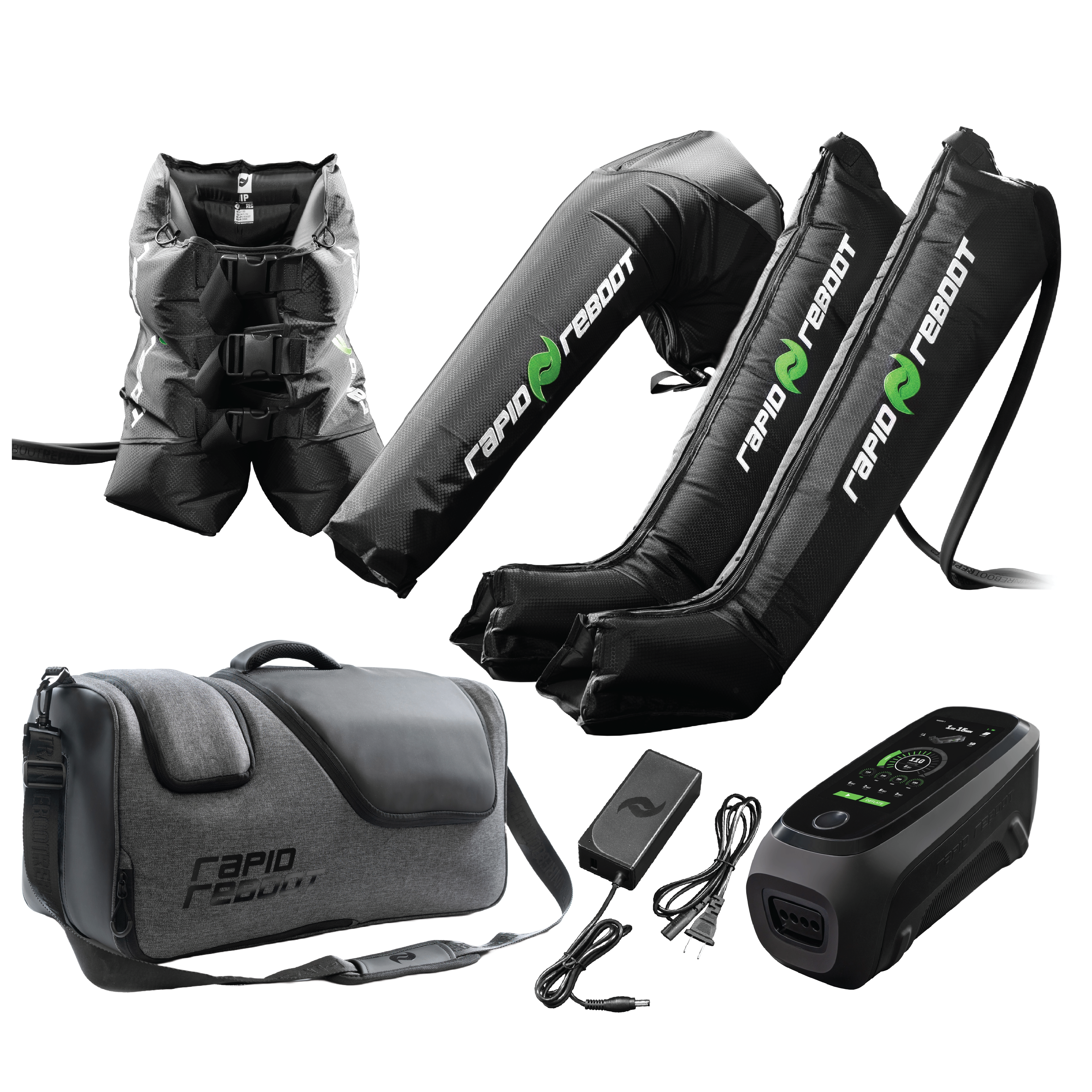
A cold therapy machine consists of three main components:
The control unit houses a reservoir that you fill with ice and water. A pump circulates the cold water through connected hoses to the treatment wrap.
Anatomical wraps are designed to fit specific body parts — knees, shoulders, ankles, backs, hips, and more. These wraps have internal channels that distribute cold water evenly across the treatment area while applying intermittent pneumatic compression.
The integrated system means the cold temperature and compression pressure work together automatically. You simply fill the unit with ice, attach the appropriate wrap, and turn it on. The machine handles the rest, maintaining consistent therapeutic temperatures throughout your treatment session.
The Science Behind It
When cold is applied to tissue, blood vessels constrict (vasoconstriction), which slows blood flow to the area and reduces inflammation and swelling. Compression amplifies this effect by mechanically pushing excess fluid away from the injured area through your lymphatic system.
The combination creates what researchers call an "active cryotherapy" effect — the compression helps drive the cold deeper into tissue than surface icing alone can achieve, while the cold reduces the metabolic demand of cells, protecting them during the healing process.
Who Benefits from Cold Compression Therapy?
Post-Surgical Patients
Orthopedic surgeons frequently prescribe cold therapy machines after procedures like ACL reconstruction, total knee replacement, rotator cuff repair, and hip replacement. Clinical protocols often recommend starting cold compression therapy immediately after surgery and continuing for the first several weeks of recovery.
Athletes and Sports Injuries
From professional sports teams to weekend warriors, cold compression therapy has become a staple in athletic training rooms. Common uses include treating acute sprains and strains, managing chronic tendinitis, accelerating recovery between intense training sessions, and reducing delayed onset muscle soreness (DOMS).
Chronic Pain and Arthritis
People living with chronic conditions like osteoarthritis or rheumatoid arthritis often find relief through regular cold compression therapy sessions. The cold reduces inflammation while compression supports the joint, providing both immediate comfort and longer-term management benefits.
Physical Therapy and Rehabilitation
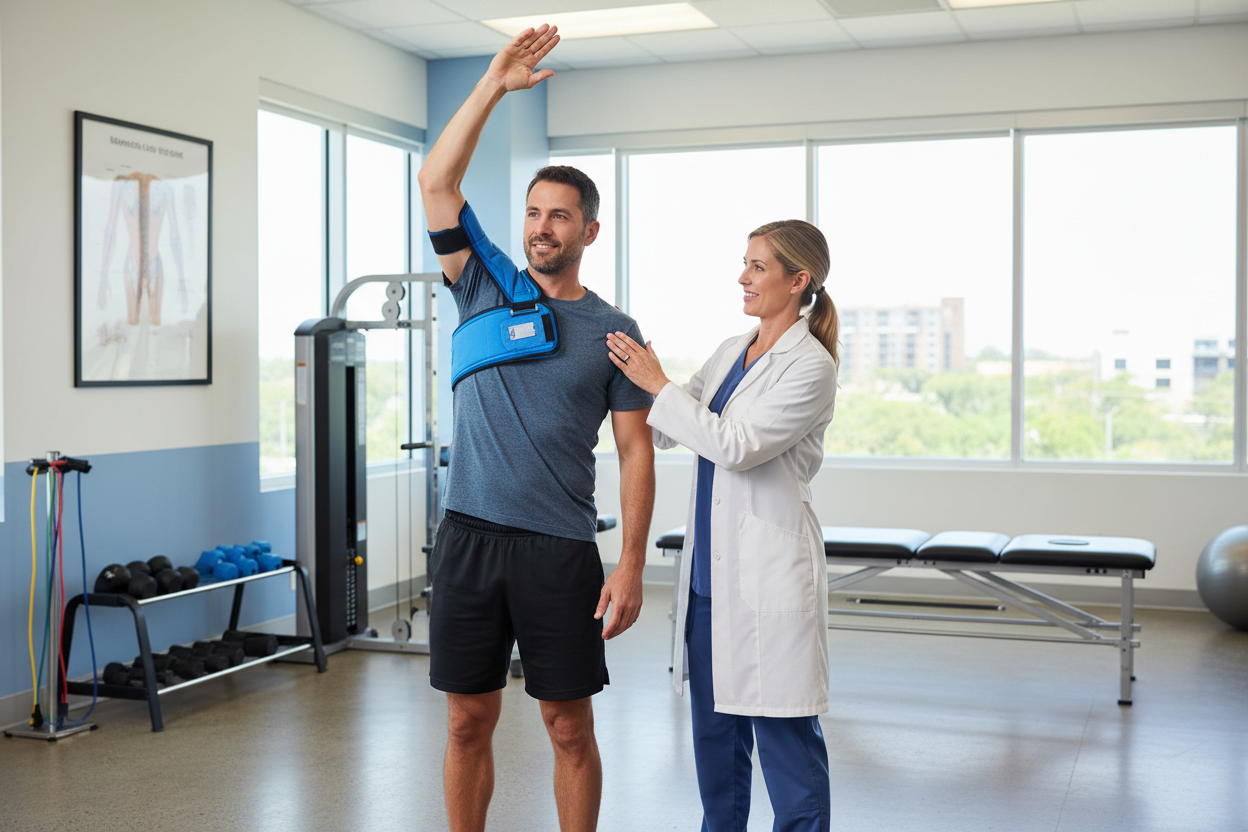
Physical therapists integrate cold compression therapy into treatment plans for patients recovering from injuries, surgeries, and chronic conditions. It's particularly effective when used after therapy sessions to manage the inflammation that therapeutic exercise can trigger.
Cold Therapy Machine vs. Ice Packs: What's the Difference?
Temperature consistency is the biggest differentiator. Ice packs start cold and warm up quickly. A cold therapy machine maintains a consistent therapeutic temperature throughout the entire treatment — typically between 38-45°F (3-7°C) — for as long as you need it.
Coverage area matters too. Ice packs only cool the area directly beneath them and can create cold spots and warm gaps. Cold therapy wraps are engineered to distribute temperature evenly across the entire treatment surface.
Compression is where machines truly pull ahead. Ice packs provide zero compression. Cold therapy machines deliver active, intermittent pneumatic compression that mimics the body's natural muscle pump to clear swelling.
Convenience is another factor. With a cold therapy machine, you fill it once and get hours of continuous therapy. No refreezing, no repositioning, no mess from melting ice.
How to Choose the Right Cold Therapy Machine
When shopping for a cold therapy machine, keep these factors in mind:
Wrap availability — Make sure the system offers wraps for the body part you need to treat. The best systems offer a full range of anatomical wraps: knee, shoulder, ankle, hip, back, elbow, wrist, and more.
Ease of use — Look for intuitive controls and simple setup. You shouldn't need an engineering degree to start your recovery session.
Portability — If you'll be traveling to games or therapy appointments, consider the weight and size of the unit.
Quality and durability — Recovery equipment is an investment. Look for medical-grade construction backed by clinical research and used by professional sports teams and hospitals.
Brand reputation — Systems used in professional sports, military medicine, and leading hospitals have been validated in the most demanding recovery environments.
Getting Started with Cold Compression Therapy
Ready to experience the benefits of cold compression therapy? Here's how to get started:
First, talk to your healthcare provider about whether cold compression therapy is right for your condition or recovery plan.
Next, choose the right system based on your specific needs — consider which body parts you'll be treating and how often you'll use it.
Then, select your wraps to match the areas you need to treat. Many people start with one wrap and add others as needed.
Follow recommended protocols — typically 15-30 minute sessions, several times per day, especially in the acute phase after injury or surgery.
Finally, be consistent — like any therapy, the benefits of cold compression increase with regular, consistent use.
The Bottom Line
Cold compression therapy represents a significant advancement over traditional icing methods. By combining consistent cold delivery with active pneumatic compression, cold therapy machines offer faster swelling reduction, better pain management, and ultimately quicker recovery times.
Whether you're recovering from surgery, managing a sports injury, or dealing with chronic pain, investing in a quality cold therapy machine can make a measurable difference in your recovery journey.
Your Health Sanctuary carries a full line of cold therapy machines and anatomical wraps designed for every body part. Browse our cold therapy collection to find the right system for your recovery needs.
Sources & Clinical References
- 1. Bleakley C, McDonough S, MacAuley D. "The use of ice in the treatment of acute soft-tissue injury: a systematic review." American Journal of Sports Medicine. 2004;32(1):251-261.
- 2. Knobloch K, et al. "Cold compression therapy after anterior cruciate ligament reconstruction." Knee Surgery, Sports Traumatology, Arthroscopy. 2006;14(2):159-165.
- 3. Hubbard TJ, Denegar CR. "Does cryotherapy improve outcomes with soft tissue injury?" Journal of Athletic Training. 2004;39(3):278-279.
All product recommendations are informed by published clinical research. Your Health Sanctuary is committed to evidence-based recovery guidance.
⚙️ Your Cold Compression Therapy Protocol
A step-by-step framework for getting the most benefit from every session, whether you're recovering from surgery or managing a sports injury.
Consult Your Provider First
Confirm cold compression therapy fits your specific injury or post-surgical timeline, and get any temperature or duration restrictions your surgeon or physical therapist recommends before starting.
Choose the Right Wrap
Select the anatomical wrap sized for your treatment area — knee, shoulder, ankle, hip, or back — so cold and compression reach the entire injury site evenly.
Prep the Unit
Fill the reservoir with ice and water to the manufacturer's fill line, attach the wrap, and double-check the hose connections are secure before powering on.
Set Your Session Length
Start with 15-20 minute sessions during the acute phase (the first 72 hours), extending to 20-30 minutes as swelling subsides and your provider approves longer use.
Monitor Skin Response
Check the skin under the wrap every session for excessive redness, numbness, or discoloration, and stop the session immediately if you notice any of these signs.
Track Frequency and Progress
Log how many sessions you complete per day and note swelling and pain trends over the first 1-2 weeks so you can share concrete progress with your provider at follow-up visits.
💡 Pro Tip: Refill with fresh ice before each session — water that's already partially melted won't hold the therapeutic 38-45°F range long enough to get the full benefit.
📋 Free Cold Therapy Recovery Protocol
Get our comprehensive cold therapy guide with post-surgery timelines, temperature protocols, and recovery milestones — developed from clinical research and real patient outcomes.
📞 Call for Your Free Recovery Consultation: (612) 360-2490Continue Your Research
- Game Ready Cold Compression System: The Gold Standard in Recovery →
- Cold Compression Therapy for Knee: Complete Guide to Recovery & Pain Relief →
- Best Cold Therapy Machine After Surgery →
- Portable Cold Compression Device: Complete Buyer's Guide →
- Cold Therapy vs Ice Pack: Which Is Better for Recovery? →
- Game Ready vs Ice Machine: Why Pros Choose Active Compression →
Written by Justin Webster
Founder, Your Health Sanctuary
Justin Webster is the founder of Your Health Sanctuary, a recovery equipment resource dedicated to helping athletes, post-surgical patients, and chronic pain sufferers find evidence-based recovery solutions. With hands-on experience testing professional-grade devices from brands like Therabody, Hyperice, Game Ready, and HealthLight, Justin combines product expertise with clinical research to provide actionable recovery guidance. All recommendations are based on published clinical evidence and real-world testing.
Ready to Upgrade Your Recovery?
The equipment referenced in this guide, in stock and ready to ship. Many products qualify for HSA/FSA — call us to confirm eligibility for your situation.
Questions? Talk to our recovery specialists: (612) 360-2490