
Red Light Therapy for Hair Loss: Does It Actually Help?
When a customer asks me whether a red light cap is worth buying for a widening part or thinning crown, I give them the same answer I learned from years helping build niche medical clinics across the country: yes, red light therapy can help some hair loss, but only when the diagnosis, device, and consistency are right.
The best evidence is for mild to moderate androgenetic alopecia, better known as male or female pattern hair loss. It is not a magic regrowth button, and it will not revive a shiny bald area where follicles are no longer active. But for early thinning, especially when follicles are miniaturizing rather than gone, clinical research suggests low-level red light and laser therapy can improve hair density compared with sham devices.
Quick answer: can red light therapy help hair loss?
Red light therapy may help hair loss when the hair loss is caused by androgenetic alopecia and the person uses a properly designed device consistently for several months. Most studies look at low-level laser therapy or low-level light therapy, which includes red laser and LED devices used at non-heating intensities.
A 2017 systematic review and meta-analysis in the Journal of the American Academy of Dermatology found that low-level laser therapy improved hair density in androgenetic alopecia compared with sham treatment, with a favorable safety profile in the included trials (Adil and Godwin, 2017). Earlier randomized, sham-controlled clinical trials also reported increases in terminal hair counts after several months of use with red light laser devices (Jimenez et al., 2014).
That said, red light therapy is usually an adjunct, not the whole plan. If your hair loss is from iron deficiency, thyroid disease, medication changes, autoimmune disease, scalp inflammation, traction, or recent illness, light therapy alone is unlikely to solve the root problem. That is where a dermatologist evaluation matters.
First, know what kind of hair loss you are treating
In the clinics I helped build, the biggest mistake I saw patients make was buying a device before they knew what they were treating. Hair loss is not one condition. It is a symptom with several possible causes.
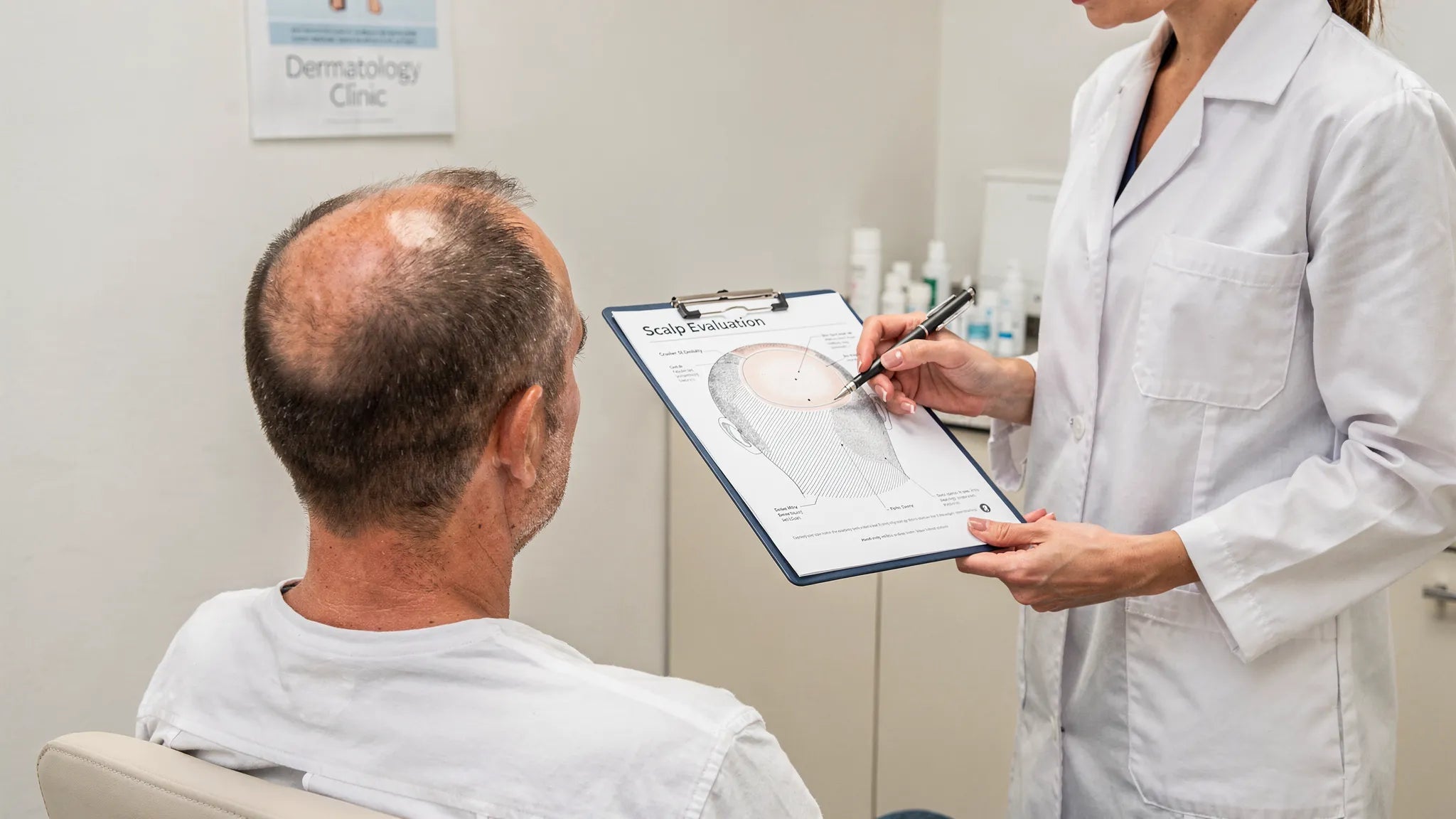
The American Academy of Dermatology notes that dermatologists evaluate hair loss by looking at pattern, timing, scalp condition, medical history, medications, and sometimes blood work or scalp biopsy (AAD hair loss diagnosis and treatment). That step matters because red light therapy is not equally supported for every type of shedding.
| Hair loss type | What it often looks like | Is red light therapy likely to help? | Better first step |
|---|---|---|---|
| Androgenetic alopecia | Gradual thinning at crown, temples, or widening part | Most evidence-supported use | Dermatology diagnosis, then consider red light with proven treatments |
| Telogen effluvium | Sudden diffuse shedding after illness, stress, childbirth, weight loss, or medication change | Evidence is weaker | Identify and correct the trigger |
| Alopecia areata | Round patches, autoimmune pattern | Not the main evidence base | Dermatologist-directed treatment |
| Traction alopecia | Thinning from tight hairstyles or repeated tension | May not help if scarring has started | Stop traction early and treat inflammation |
| Scarring alopecia | Pain, burning, scale, redness, permanent follicle damage | Not appropriate as a standalone approach | Prompt dermatology care |
| Nutritional or hormonal hair loss | Diffuse shedding or brittle hair with systemic symptoms | Only supportive at best | Blood work and medical management |
If your hair loss is fast, patchy, painful, associated with scalp redness or scaling, or accompanied by fatigue, weight change, or menstrual changes, do not start with a gadget. Start with a clinician.
How red light therapy may support hair follicles
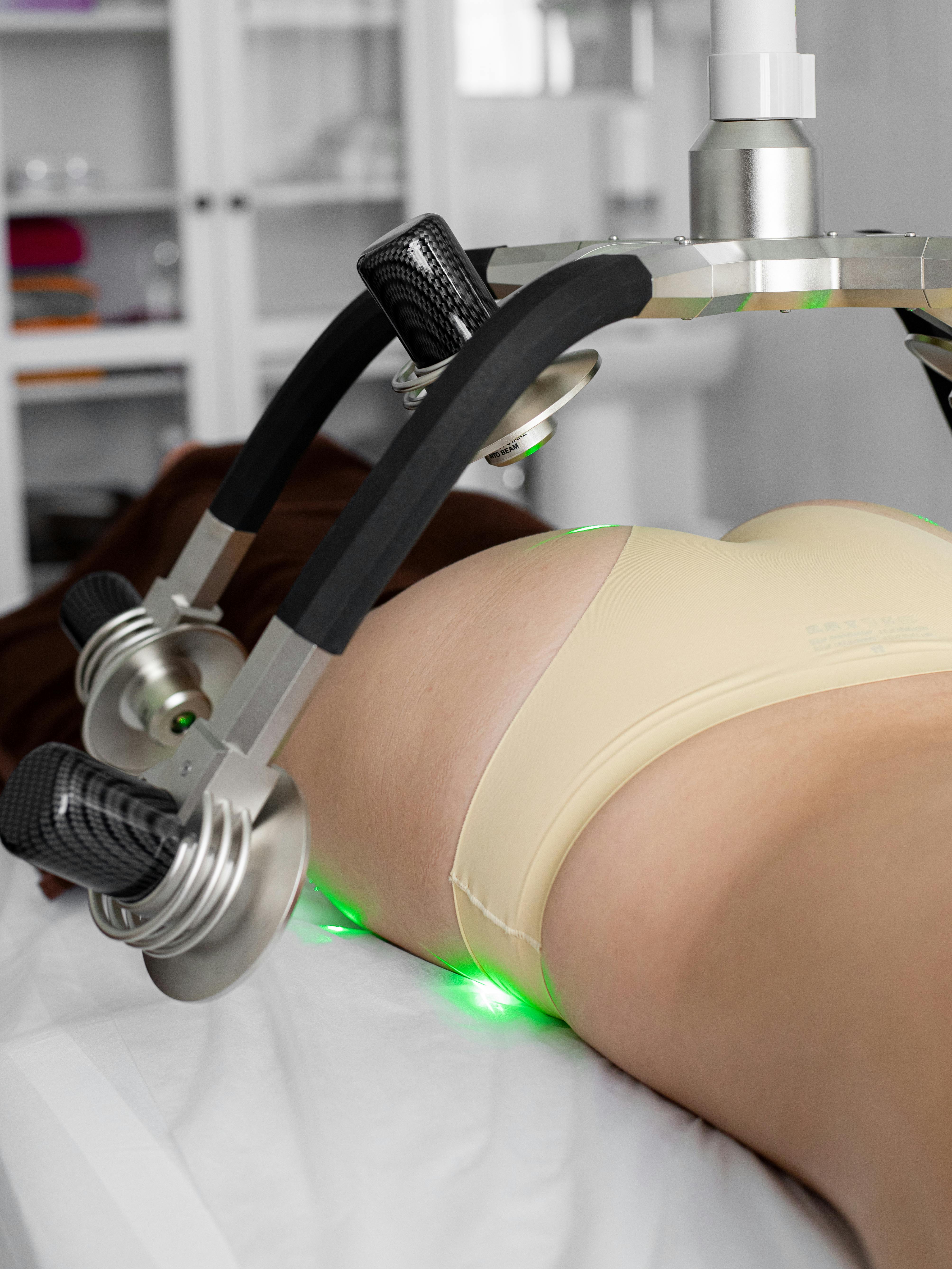
Red light therapy for hair loss is usually discussed under the broader medical term photobiomodulation. In plain English, that means using specific wavelengths of light at low intensity to influence cellular activity without heating or damaging tissue.
The leading explanation is that red and near-infrared light can be absorbed by mitochondrial enzymes, especially cytochrome c oxidase, which may improve cellular energy signaling, reduce oxidative stress, and influence inflammatory pathways. In hair follicles, researchers believe this may help shift follicles toward the anagen growth phase and support miniaturized follicles that are still alive. A widely cited review in Lasers in Surgery and Medicine summarizes these proposed mechanisms and the early clinical evidence for hair loss treatment (Avci et al., 2014).
For hair specifically, much of the clinical research has used red light around the mid-600 nm range, often 650 to 660 nm, delivered through laser combs, helmets, or caps. Some modern devices add near-infrared wavelengths, but the strongest hair-specific evidence is still centered around red light devices designed for scalp exposure.
This is one reason I am careful when customers ask if any red light panel will work for hair. A panel built for back pain or athletic recovery is not automatically a great scalp device. Hair blocks light. The therapy needs a clear path to the scalp, a reasonable dose, and a design that allows consistent coverage.
What the clinical evidence actually shows
The evidence is promising, but it is not unlimited. The better studies are randomized and sham-controlled, meaning the active light device is compared with a lookalike device that does not deliver the same therapeutic light.
The 2014 multicenter, randomized, sham-controlled study by Jimenez and colleagues evaluated a 655 nm low-level laser device in men and women with pattern hair loss and found statistically significant improvements in terminal hair counts compared with sham devices after 26 weeks (Jimenez et al., 2014).
The 2017 meta-analysis by Adil and Godwin concluded that low-level laser therapy produced a significant increase in hair density for androgenetic alopecia and appeared safe across included studies (Adil and Godwin, 2017).
Low-level laser therapy is widely regarded as one of the more effective non-pharmacological options for androgenetic alopecia, with several trials reporting hair-density gains that compare favorably with topical treatments.
What does that mean for you at home? It means red light therapy is not fringe science for pattern hair loss, but it also means you should keep expectations realistic:
- The best results are usually in people with early or moderate thinning, not advanced baldness.
- Most trials measure outcomes after about 16 to 26 weeks, so judging results after two weeks is too early.
- Device design matters because the research is tied to specific wavelengths, dosing schedules, and scalp delivery methods.
- Results are usually gradual and measured as improved density or hair counts, not overnight cosmetic transformation.
That last point is where honest counseling matters. If a company promises dramatic regrowth in 30 days, I would be skeptical.
Who is most likely to benefit?
The person most likely to benefit from red light therapy for hair loss is someone with early pattern thinning who still has active follicles. For men, that may mean thinning at the crown or early recession rather than a long-standing bald scalp. For women, it often means widening part lines or diffuse thinning over the top of the scalp.
Good candidates usually share a few traits. They have a clear diagnosis, they can commit to several months of consistent use, and they are willing to combine light therapy with other evidence-based care when appropriate. For many people, that may include minoxidil, prescription therapy, platelet-rich plasma, nutrition correction, or scalp disease treatment, depending on the diagnosis.
People less likely to respond include those with scarring alopecia, untreated inflammatory scalp disease, long-standing bald areas with no visible miniaturized hair, or shedding caused by an unresolved medical trigger. In those cases, the issue is not that red light is “bad.” It is that the target tissue may not be capable of responding until the underlying problem is addressed.
Red light therapy vs other hair loss options
If you are trying to decide where red light fits, think of it as one tool in a broader hair-loss plan. The American Academy of Dermatology lists treatments such as minoxidil, prescription medications, procedures, and transplant options depending on hair-loss type and patient factors (AAD).
| Option | Best fit | How it helps | Typical timeline | Key caveat |
|---|---|---|---|---|
| Red light therapy | Mild to moderate pattern thinning | Supports follicle activity through photobiomodulation | Often assessed after 4 to 6 months | Requires consistent use and the right device |
| Minoxidil | Male or female pattern hair loss | Helps prolong growth phase and improve density in some users | Often 4 to 6 months or longer | Shedding can occur early, continued use is usually needed |
| Finasteride or dutasteride | Many men with androgenetic alopecia, sometimes select women under physician care | Reduces androgen-driven follicle miniaturization | Often 6 to 12 months | Prescription required, side effects must be discussed with a clinician |
| PRP | Pattern hair loss in selected patients | Uses concentrated platelets injected into the scalp | Usually a series of treatments | Cost and response vary |
| Hair transplant | Stable hair loss with enough donor hair | Moves follicles from donor areas | Months for growth to mature | Surgical cost, downtime, and candidate selection matter |
| Styling and cosmetic support | Anyone waiting for medical treatments to work | Improves appearance while density changes slowly | Immediate | Does not treat follicles |
That cosmetic support category is not superficial. Hair treatments take months. A good stylist can reduce contrast at the scalp, choose a more forgiving cut, and avoid harsh processing that makes thinning look worse.
What to look for in a red light hair device
This is where marketing gets messy. More LEDs, brighter light, or a higher price does not automatically mean better hair results. For hair loss, the delivery format matters because the scalp is partly covered by hair.
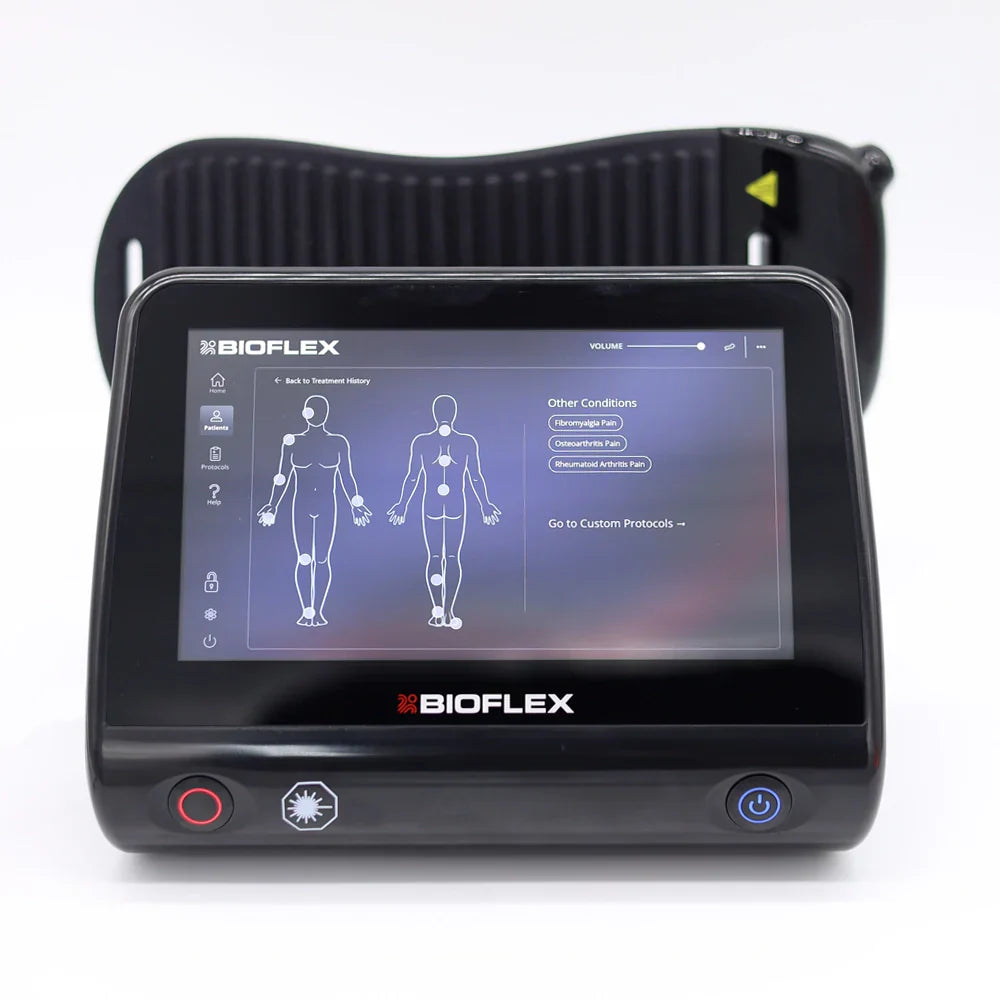
A good hair-focused device should make it easy to expose the scalp consistently. Caps, helmets, and combs are common because they are designed around scalp coverage. A general red light panel may be useful for skin, pain, or recovery, but it may not deliver light evenly through hair unless you part the hair and position carefully.
Here is the checklist I would use before spending money:
- FDA status: Look for device-specific FDA 510(k) clearance for hair-growth indications, not vague claims like “FDA registered.” The FDA explains that 510(k) clearance means a device has been reviewed for substantial equivalence to a legally marketed device, not that it is “FDA approved” as a drug would be (FDA 510(k) overview).
- Wavelength transparency: Hair studies commonly use red light in the mid-600 nm range. If a company will not publish wavelengths, move on.
- Scalp delivery: The device should actually get light to the scalp, not just shine on top of thick hair.
- Treatment schedule: Look for clear instructions that match studied use patterns, usually multiple sessions per week over several months.
- Safety instructions: Eye guidance, contraindications, cleaning instructions, and warranty details should be easy to find.
- Realistic claims: Be cautious with “guaranteed regrowth,” “works for all hair loss,” or dramatic before-and-after photos with no study details.
If you want a deeper explanation of device clearance and marketing language, our guide to FDA cleared red light therapy devices walks through what those terms actually mean.
How to use red light therapy for hair loss without wasting months
The right protocol depends on the specific device, so follow the manufacturer’s instructions for session length, frequency, and distance. In clinical studies, treatment schedules commonly involve multiple sessions per week for several months, with outcomes measured around 16 to 26 weeks rather than days.
Here is the practical routine I recommend to customers evaluating light-based hair therapy:
- Get a baseline: Take photos in the same lighting, same hairstyle, and same angles before you start.
- Use it on a clean scalp: Heavy styling products can interfere with light reaching the scalp.
- Part the hair when needed: The more clearly light reaches the scalp, the more logical the treatment becomes.
- Track monthly, not daily: Daily checking makes normal shedding feel worse and does not show real change.
- Give it at least four months: Unless you have irritation or your clinician tells you to stop, judge early response after a realistic trial period.
- Do not stack random devices blindly: More light is not always better in photobiomodulation. Dose matters.
That last point is important. Photobiomodulation follows a dose-response pattern where too little may not do much, and too much may not improve outcomes. I see this across pain, neuropathy, and recovery devices too. The goal is not maximum intensity. The goal is the right dose delivered consistently.
For readers comparing general wellness panels with more targeted systems, our guide on medical-grade red light therapy vs consumer devices explains why wavelength, irradiance, clearance, and treatment area matter.
Safety, side effects, and when to see a dermatologist
Red light therapy and low-level laser therapy are generally well tolerated in the published hair-loss trials, with few serious adverse events reported in systematic reviews. That does not mean every device is appropriate for every person.
Stop and get medical advice if you develop scalp burning, worsening redness, rash, pain, or sudden increased shedding that does not fit your normal pattern. Also speak with a clinician before use if you have a history of skin cancer on the scalp, active scalp infection, photosensitivity disorders, or medications known to increase light sensitivity.
You should also see a dermatologist before buying a device if your hair loss is sudden, patchy, painful, associated with scaling or pustules, or accompanied by other symptoms. Red light therapy is not a substitute for diagnosing alopecia areata, scarring alopecia, thyroid disease, anemia, or medication-related shedding.
Where Your Health Sanctuary fits
At Your Health Sanctuary, we sell professional-grade recovery and wellness equipment for home and clinic use, including red light therapy, cold laser therapy, compression therapy, and percussive massage tools. My standard is simple: if a device category has medical or recovery claims attached to it, the specs and evidence need to make sense.
For hair loss, that means I would rather help you ask better questions than push a generic light device as a cure. If you are comparing red light therapy products, look at FDA status, wavelength, delivery format, manufacturer instructions, and whether the device was actually designed for scalp use. If your goal is broader recovery, inflammation, pain, or neuropathy support, then red light panels, pads, or cold laser systems may be a better fit than a hair-specific cap.
If you are deciding between LED therapy, cold laser therapy, or a broader recovery setup, this breakdown of laser therapy vs red light therapy may help you understand the differences before you buy.
Frequently Asked Questions
Can red light therapy regrow hair on a bald spot? It depends on whether active follicles remain. Red light therapy is most promising for early to moderate pattern thinning where follicles are miniaturized but still alive. It is unlikely to regrow dense hair on long-standing slick bald areas.
What wavelength is best for red light therapy for hair loss? Many hair-loss studies use red light around 650 to 660 nm.
How long does red light therapy take to work for hair loss? Most clinical studies measure meaningful changes after several months, often around 16 to 26 weeks. A fair home trial is usually at least four months of consistent use, with photos taken monthly under the same conditions.
Does red light therapy work for female hair loss? It may help some women with female pattern hair loss. Women should still be evaluated for common contributors such as iron deficiency, thyroid imbalance, postpartum shedding, hormonal changes, medications, and inflammatory scalp disease.
Can I use red light therapy with minoxidil? Many people use red light therapy alongside dermatologist-recommended treatments such as minoxidil, but your clinician should guide the plan.
Ready to Try Medical-Grade Red Light Therapy?
If you've reviewed the evidence and you want to try a medical-grade red light therapy device with broader applications than hair-only caps, our top recommendations are the HealthLight Ultimate Body Kit (FDA-cleared LED pad therapy at clinical power densities) and the TheraFace Mask FDA Cleared (hands-free wearable red and near-infrared therapy designed for skin and scalp work). Both deliver true medical-grade wavelengths in formats designed for consistent daily use.
Both devices may be HSA/FSA eligible with a Letter of Medical Necessity from your physician for a documented medical condition. For pattern hair loss alone, HSA/FSA reimbursement is typically not available since cosmetic indications don't qualify — but if you're using the device for broader medical purposes (chronic pain, neuropathy, post-surgical recovery, etc.), the pre-tax purchase can convert to roughly 26-40% in real tax savings depending on your tax bracket. Check with your plan administrator.
Questions about which red light therapy device fits your specific situation, hair-loss diagnosis, or HSA/FSA documentation? Call us at (612) 360-2490 — we'll talk through your specific goals and help you avoid the most common mistake: buying a generic panel that isn't designed for the application you actually need.
About the Author
Justin Webster, owner of Your Health Sanctuary, has spent his career helping build over 20 niche medical clinics across the USA and has written 2 books on the subject. Working alongside dozens of MDs, he saw firsthand what actually works for weight loss, recovery, and anti-aging, and what doesn't. He even published a weight loss book centered on Apple Cider Vinegar. When he realized it wasn't at the level it needed to be, he had the humility to pull it entirely and start over. That willingness to hold himself to a higher standard, even when it costs him, is what drives how Your Health Sanctuary operates. Life and business experience in the medical field led to everything this store is built on. Justin has personally lost 55 lbs. and made anti-aging his obsession. He didn't start this store to push products. He started it because he knew the tools clinicians trust, the ones that deliver real results, were out of reach for most people. Your Health Sanctuary exists to change that.