

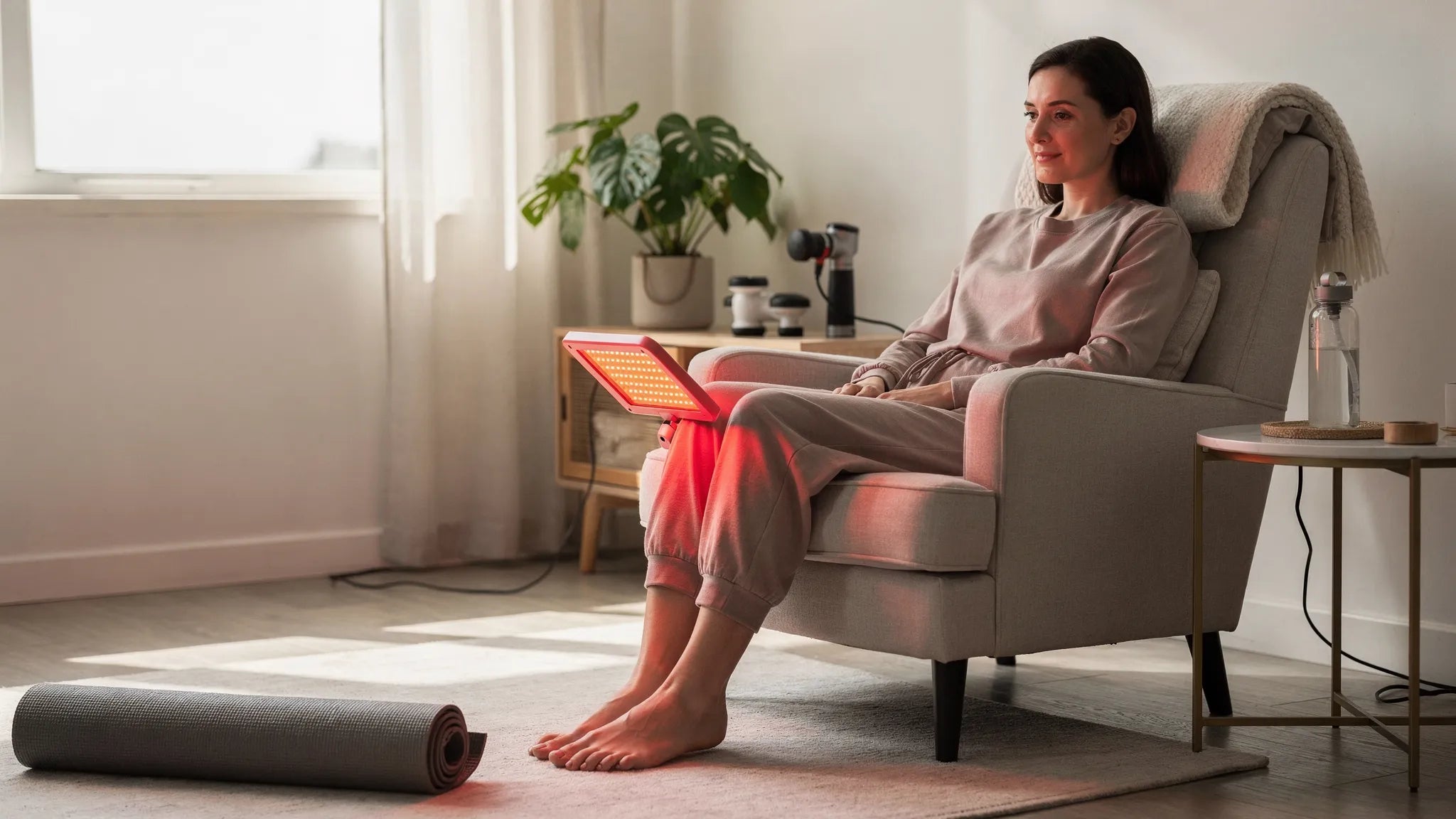
LED Light Therapy for Pain Relief at Home: Can It Actually Help?
Can LED light therapy for pain relief actually work at home? Yes — for many people. LED light therapy for pain relief is most effective when the device uses therapeutic red and near-infrared wavelengths, the treatment area is appropriate, and sessions are done consistently. It is not a cure-all, and it should not replace medical evaluation for new, severe, or unexplained pain. But for many people dealing with joint stiffness, muscle soreness, exercise recovery, mild back discomfort, or chronic inflammatory pain, it can be a useful part of a home recovery routine.
The key is understanding what LED light therapy can realistically do, what kind of device matters, and how to use it safely without expecting overnight results.
What Is LED Light Therapy for Pain Relief?
LED light therapy is a form of photobiomodulation, often abbreviated PBM. It uses specific wavelengths of light to interact with cells and tissues. Most pain-focused devices use red light, near-infrared light, or a combination of both.
Red light is typically in the 630 to 660 nanometer range and is often used for more superficial tissues, skin, and surface-level circulation support. Near-infrared light is commonly in the 810 to 850 nanometer range and can penetrate more deeply, which is why it is often preferred for muscles, joints, tendons, and larger treatment areas.
LED stands for light-emitting diode. Unlike surgical lasers, therapeutic LEDs emit non-invasive light over a broader area. That makes LED devices practical for home use because they can cover larger regions like the lower back, knees, shoulders, or legs without requiring clinic-level laser precision.
LED light therapy for pain relief is best viewed as a supportive tool. It may help reduce discomfort and improve recovery conditions, but it works best alongside movement, physical therapy, strength work, sleep, nutrition, and appropriate medical care.
How LED Light Therapy May Help Pain at the Cellular Level
The most common explanation for photobiomodulation is that red and near-infrared light interact with mitochondria, the energy-producing structures inside cells. One important target is cytochrome c oxidase, an enzyme involved in cellular energy production.
When cells absorb therapeutic light, several beneficial responses may occur:
- Increased cellular energy availability, often described as ATP support
- Improved local circulation and nitric oxide signaling
- Reduced inflammatory signaling in irritated tissue
- Better tissue repair conditions after exercise or strain
- Modulation of pain pathways and nerve sensitivity
A review on the anti-inflammatory effects of photobiomodulation describes several mechanisms that may explain why light therapy is studied for inflammatory and pain-related conditions. Another widely cited systematic review in The Lancet on low-level laser therapy for neck pain found pain reduction in randomized trials, although it is important to note that laser and LED devices deliver light differently. A 2025 review in Photobiomodulation, Photomedicine, and Laser Surgery reaffirmed consistent pain-reduction effects across 47 PBM home-device studies when wavelength and dose were tracked correctly.
That distinction matters. The science behind photobiomodulation is promising, but results depend heavily on wavelength, dose, power output, treatment time, distance from the skin, and the condition being treated.

Which Types of Pain May Respond Best?
LED light therapy is not equally effective for every kind of pain. It tends to make the most sense for pain patterns involving inflammation, overuse, muscle fatigue, joint stiffness, or recovery from repetitive strain. It is less appropriate as a stand-alone solution for pain caused by serious injury, infection, fracture, blood clot, or rapidly worsening neurological symptoms.
| Pain concern | Why LED therapy may help | At-home expectation |
|---|---|---|
| Exercise soreness | May support circulation and reduce post-workout inflammatory stress | Often used after training or on rest days |
| Knee or hand stiffness | May help calm inflammatory signaling around joints | Best with consistent use and mobility work |
| Lower back muscle tension | Can support local recovery in tight or irritated tissues | More useful for muscular discomfort than severe structural pain |
| Tendon irritation | May support tissue repair conditions when paired with load management | Requires patience and careful activity modification |
| Neck and shoulder tightness | May reduce discomfort related to muscle tension and poor posture | Works best with stretching and ergonomic changes |
| Neuropathic discomfort | May help some nerve-related symptoms, depending on cause | Should be guided by a clinician, especially with diabetes or numbness |
| Post-surgical discomfort | May support recovery once cleared by a surgeon | Do not use over incisions or surgical areas without medical approval |
For a deeper evidence-focused overview, see our guide to red light therapy for pain relief. If your main issue is spinal discomfort, our article on red light therapy for back pain covers positioning, device types, and practical use cases in more detail.
LED vs Laser Therapy: What Is Better for Home Use?
LED and laser therapy can both fall under the broader category of photobiomodulation, but they are not identical.
Laser devices emit coherent, concentrated light. In clinical settings, low-level lasers and higher-powered therapeutic lasers can be targeted very precisely. That can be valuable for clinicians treating specific structures, small joints, nerve paths, or deeper tissues.
LED devices emit non-coherent light over a broader area. For home users, this can be an advantage. A panel, pad, or wrap can treat a larger surface, such as the thigh, lower back, abdomen, shoulder, or knee, without needing exact laser targeting skills.
For home pain relief, LED therapy usually wins on convenience, coverage, and ease of use. Laser therapy may be more appropriate in a clinic when you need professional assessment, precise dosing, or treatment for a complex condition.
What to Look for in an At-Home LED Light Therapy Device
Not all red light devices are designed for pain relief. Some are intended primarily for skin wellness, beauty routines, or general relaxation. If your goal is pain relief, the technical specifications matter.
| Feature | Why it matters |
|---|---|
| Wavelengths | Look for red light around 630 to 660 nm and near-infrared light around 810 to 850 nm for musculoskeletal use |
| Irradiance | The device should disclose power density at a specific distance, not just LED count |
| Treatment area | A larger panel or flexible pad may be better for backs, hips, thighs, and shoulders |
| FDA status | For pain claims, look for FDA-cleared devices when available, not vague wellness language only |
| Timer and controls | Built-in session timing helps prevent underuse or overuse |
| Contact vs non-contact design | Pads and wraps can be convenient for joints, while panels are versatile for larger areas |
| Support and documentation | Clear specs, usage guidance, and responsive support reduce guesswork |
One common mistake is buying based only on the number of LEDs. More lights do not automatically mean a more therapeutic device. Wavelength accuracy, power output, coverage, and dose consistency matter more.
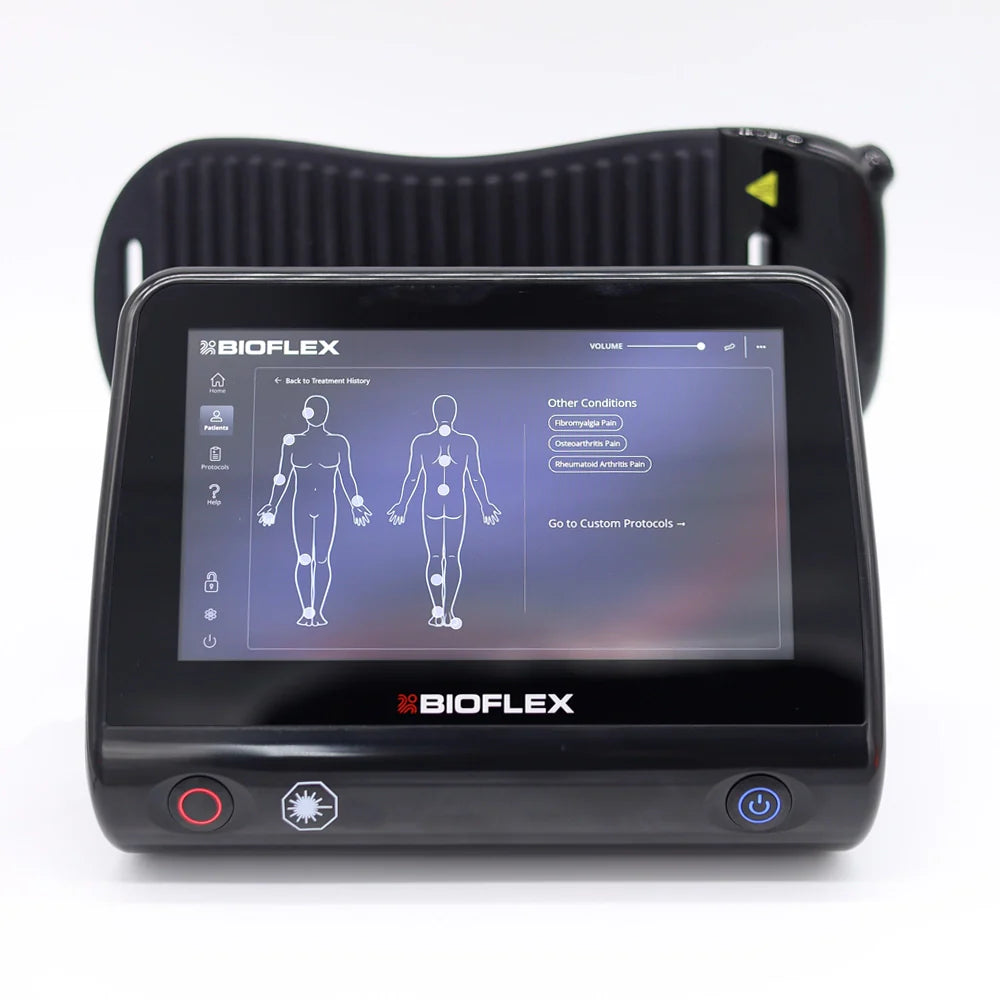
This is also where professional-grade equipment can make a difference. The HealthLight Ultimate Body Kit, for example, uses flexible pads with both 630-660 nm red and 880 nm near-infrared wavelengths — the same parameters used in clinical pain studies — while the TheraFace Mask covers facial and tension-related pain with FDA-cleared LED + vibration therapy. For clinician-grade home or clinic use, the BIOFLEX MultiPort System is the photobiomodulation standard. Your Health Sanctuary focuses on curated recovery and wellness devices for home use, with detailed product specs and expert customer support to help match the device to the use case.
A Simple Home Protocol for LED Light Therapy Pain Relief
Always follow the instructions for your specific device. The right session length depends on power output, distance, treatment area, and the reason you are using it. Still, many home pain relief routines follow a similar structure.
- Start with one target area: Choose the body part that bothers you most, such as one knee, one shoulder, or the lower back, and track your baseline pain from 0 to 10 before starting.
- Use the device on clean, exposed skin: Clothing can block light, and heavy lotions may affect skin comfort, so keep the area clean and uncovered unless the device instructions say otherwise.
- Position the light correctly: Panels are often used several inches from the skin, while pads or wraps may be designed for closer contact, so use the manufacturer’s recommended distance.
- Treat consistently for several weeks: Many people use red and near-infrared light for 10 to 20 minutes per area, 3 to 5 times per week, then assess changes after 2 to 4 weeks.
- Pair light therapy with movement: Gentle mobility, strengthening, walking, or physical therapy exercises often make results more meaningful than light therapy alone.
Consistency matters more than intensity. With photobiomodulation, more is not always better. The dose response can be biphasic, meaning too little may not help, but too much may be less effective or irritating for some users.
How to Tell If It Is Working
Pain relief can be subjective, so it helps to track more than how you feel immediately after a session. Some people notice a calming effect quickly, while others need several weeks of regular use before meaningful change.
Useful markers include pain score, morning stiffness, range of motion, exercise tolerance, sleep quality, and how often you rely on pain-relieving medications. For example, a knee that still feels mildly sore but allows you to walk farther with less stiffness may be improving.
A simple weekly note is enough. Record the treatment area, session length, frequency, pain score before and after, and one functional measure, such as stairs, walking time, grip strength, or how long you can sit comfortably.
Safety: Who Should Be Careful With At-Home LED Therapy?
LED light therapy is generally considered low risk when used correctly, but it is not appropriate for every situation. Use extra caution if you have a medical condition that affects sensation, circulation, wound healing, or light sensitivity.
Speak with a healthcare professional before use if you have active cancer in the treatment area, are pregnant and plan to treat the abdomen or pelvis, take photosensitizing medications, have a recent surgery, have a serious skin condition, or have unexplained pain with swelling, redness, fever, numbness, weakness, or loss of bladder or bowel control.
Eye safety also matters. Do not stare directly into high-output LEDs, especially near-infrared light, which may be less visible but still intense. Use protective eyewear if recommended by the device manufacturer.
If pain is new, severe, worsening, or associated with trauma, do not try to self-treat your way through it. Get properly evaluated first.
Creating a Home Recovery Setup That You Will Actually Use
The best LED therapy device is the one you will use consistently and correctly. A comfortable setup makes that much easier. Choose a location where you can sit or lie still, keep the device stable, and avoid interruptions during a session.
A recovery corner does not need to be complicated. Good seating, soft lighting, easy access to water, and low noise can make the routine feel restorative rather than like another chore.
You can also build a broader recovery routine around LED therapy. For leg soreness or swelling, compression therapy may support circulation and fluid movement. For muscle tightness, a percussion massager may help relax soft tissue before stretching. For post-surgical recovery or acute injury, cold compression may be more appropriate in the early phase, but only with medical guidance.
When LED Light Therapy Is Not Enough
At-home LED therapy can be helpful, but it has limits. It will not realign a joint, repair a complete tendon tear, reverse advanced arthritis, diagnose nerve compression, or replace a progressive rehab plan.
You should consider professional care if pain prevents normal daily activities, continues to worsen despite rest and conservative care, radiates with numbness or weakness, follows a fall or accident, or comes with significant swelling, heat, redness, fever, or unexplained weight loss.
For chronic pain, LED therapy is often most useful as part of a layered plan. That may include physical therapy, strength training, sleep improvement, nutrition, compression, mobility work, ergonomic changes, and physician-guided treatment when needed.
So, Can LED Light Therapy Help Pain Relief at Home?
For many people, yes. LED light therapy can be a practical at-home option for supporting pain relief, reducing stiffness, and improving recovery, especially when the device uses appropriate red and near-infrared wavelengths and is used consistently.
The best results tend to come from matching the device to the pain pattern, following a realistic protocol, and tracking function over time. If you are treating deeper joints, chronic pain, or post-surgical discomfort, choosing a professional-grade device with clear specifications and support is especially important.
If you want to compare device quality before investing, our guide to medical-grade red light therapy vs consumer devices explains the differences in wavelengths, irradiance, FDA clearance, and treatment design.
Frequently Asked Questions
Is LED light therapy the same as red light therapy? LED light therapy is one way to deliver red light therapy. Many at-home red light devices use LEDs that emit red and near-infrared wavelengths for photobiomodulation.
How long does LED light therapy take to relieve pain? Some people feel temporary relief after a session, but more meaningful changes often require consistent use for 2 to 4 weeks. Chronic conditions may take longer and usually respond best when combined with movement or rehab.
Can I use LED light therapy every day? Some devices are designed for frequent use, but daily treatment is not always necessary. Follow the manufacturer’s protocol and avoid assuming that longer or more frequent sessions will produce better results.
Is near-infrared light better than red light for pain? Near-infrared light generally penetrates deeper than red light, so it is often preferred for muscles, joints, and larger body areas. Red light may still be useful for surface tissues and circulation support.
Should I choose a panel, pad, or wrap? Panels are versatile and can cover broad areas like the back or legs. Pads and wraps are convenient for targeted areas such as knees, shoulders, elbows, or hands. The best choice depends on the body part you want to treat most often.
Can LED therapy replace physical therapy or medication? No. LED therapy is best used as a supportive modality. Do not stop prescribed medication or skip recommended rehabilitation without guidance from your healthcare provider.
Are LED light therapy devices HSA/FSA eligible? Yes — medical-grade devices like the HealthLight Ultimate Body Kit, TheraFace Mask, and BIOFLEX MultiPort System are FDA-cleared and HSA/FSA-eligible for documented pain conditions when prescribed by a physician. A Letter of Medical Necessity is typically required and converts the pre-tax purchase to roughly 26-40% in real tax savings depending on your tax bracket.
Find the Right At-Home Recovery Device
If you are considering LED light therapy for pain relief at home, device quality and guidance matter. Your Health Sanctuary offers professional-grade recovery and wellness devices, including red light therapy, compression therapy, and percussion tools, with free shipping included, a price match guarantee, flexible financing options, and expert support to help you choose with confidence.
Talk to Justin's Team About LED Light Therapy for Pain
Compare the HealthLight Ultimate Body Kit, TheraFace Mask, or BIOFLEX MultiPort System with a real recovery specialist — no pressure, no upsell, just honest sizing and protocol guidance for your specific pain pattern.
Shop HealthLight Ultimate Body Kit → Speak with Justin's Team: (612) 360-2490All three devices are HSA/FSA eligible with a Letter of Medical Necessity from your physician — for documented chronic pain, joint inflammation, neuropathy, or post-surgical recovery, LMN approval is routine and the pre-tax purchase converts to roughly 26–40% in real tax savings depending on your tax bracket.

:%20The%20TheraFace%20Mask%20has%20been%20discontinued%20at%20Your%20Health%20Sanctuary.%20For%20a%20current%20option,%20see%20our%20red%20light%20therapy,%20or%20talk%20to%20Justin's%20team%20at%20(612)%20360-2490.Can%20LED%20light%20...)