
BIOFLEX vs Summus Medical Laser: Which Professional Laser Therapy System Is Right for Your Clinic? (2026)
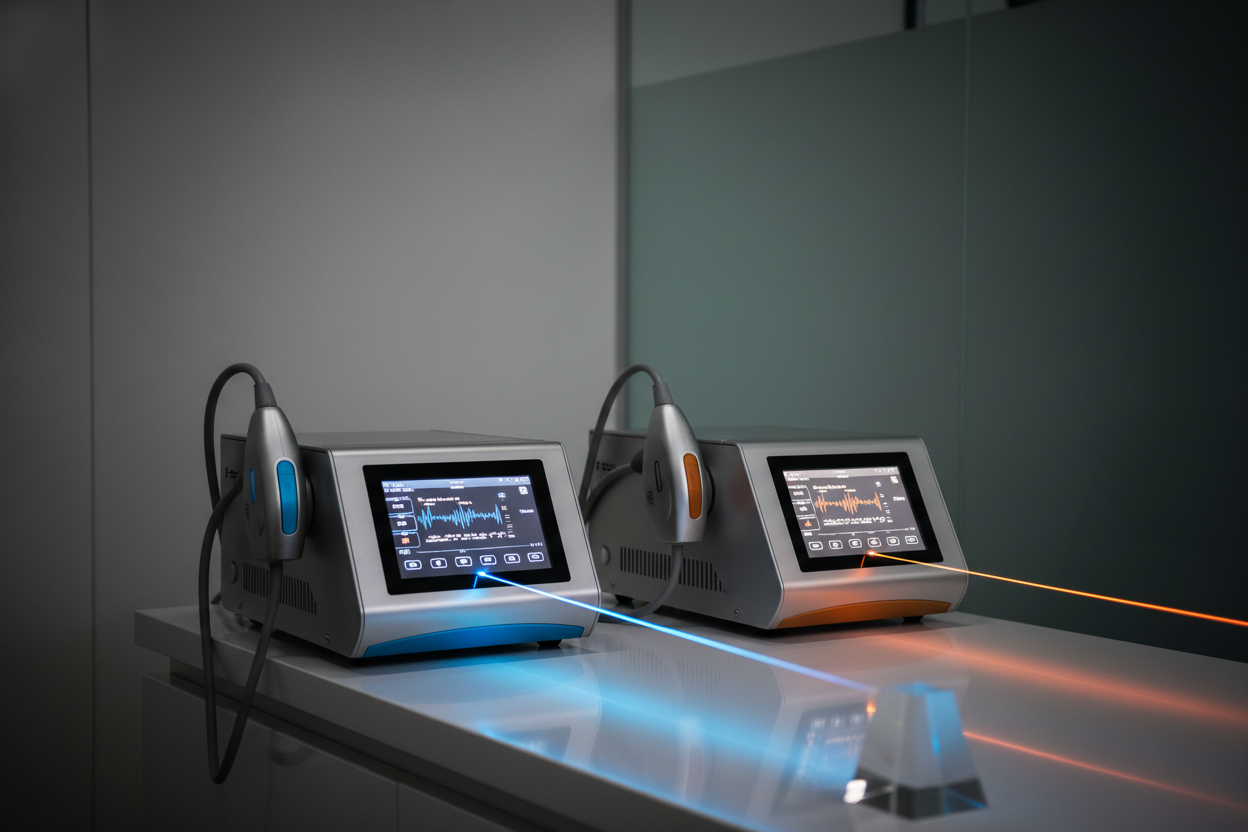
If you're comparing BIOFLEX vs Summus Medical Laser for your clinic, you're looking at two fundamentally different treatment philosophies — not just two different products. BIOFLEX is a cold laser (low-level laser therapy / LLLT) system that works through photobiomodulation at the cellular level. Summus Medical Laser is a Class IV high-powered system that uses significantly more energy to generate therapeutic heat in tissue. Both have genuine clinical applications. Neither is universally "better." This guide breaks down the real differences so you can choose the system that matches your patient population, your clinical approach, and your practice goals.
Quick Overview: Two Different Treatment Approaches
Before comparing specs, it's important to understand why these two systems are categorized differently — and why that matters clinically.
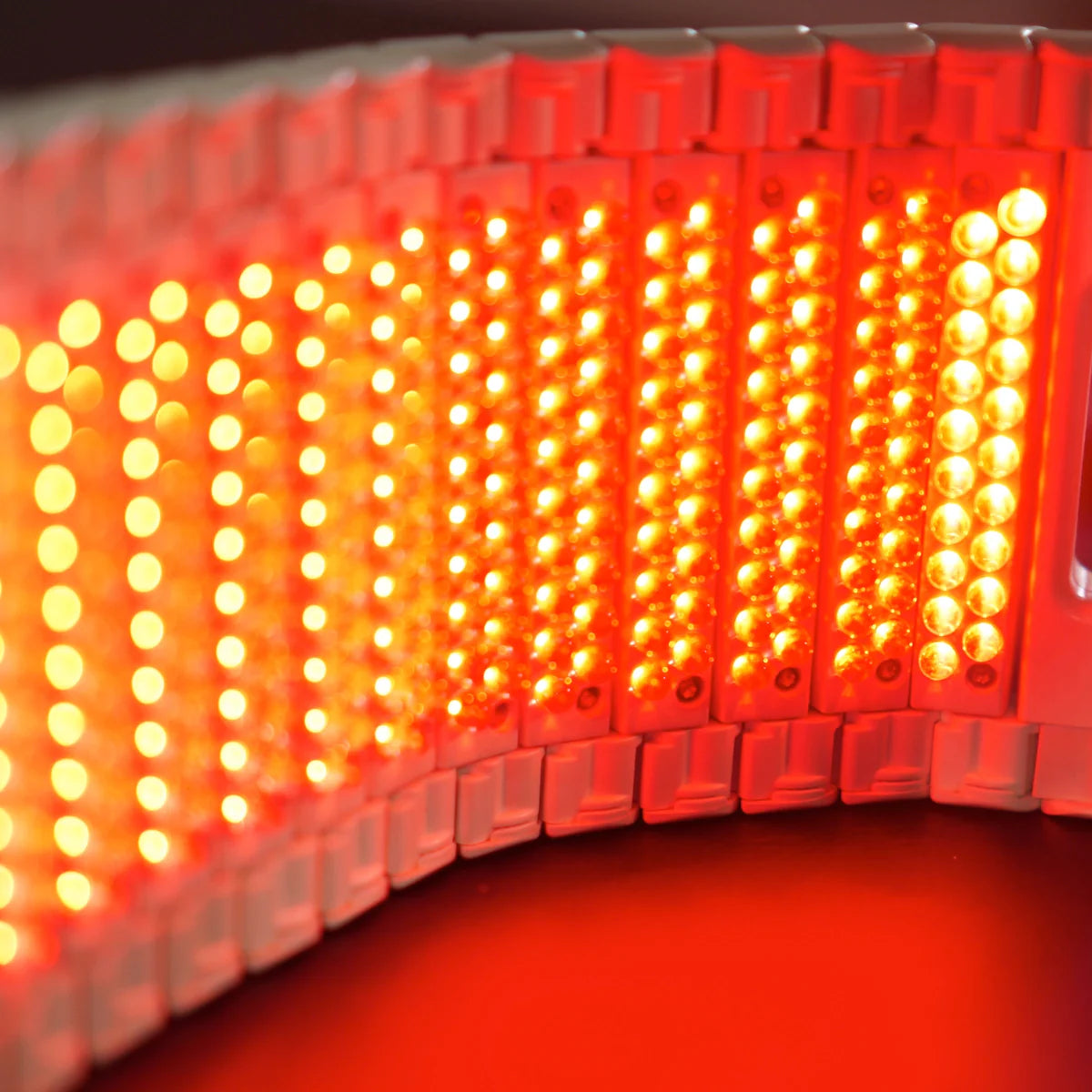
BIOFLEX (manufactured by Meditech International) is a Class IIIB low-level laser therapy platform. It works by delivering photons at specific wavelengths — primarily in the red and near-infrared range — at power levels calibrated to stimulate cellular repair mechanisms without generating significant heat. This process is called photobiomodulation (PBM). The mechanism is well-documented in peer-reviewed literature: cellular energy production improves, inflammatory pathways are modulated, and tissue healing accelerates — all without thermal damage. BIOFLEX's flexible diode laser probes and multi-array pads allow treatment of complex anatomical areas, including peripheral nerves, small joints, and the spine.
Summus Medical Laser is a Class IV high-powered therapeutic laser system. Class IV systems operate at substantially higher power levels — generating a measurable thermal effect in tissue that is part of the treatment mechanism. Higher power means faster treatment delivery and deep tissue penetration, which suits high-volume sports medicine and acute pain settings. The tradeoff: Class IV systems require more stringent safety protocols — protective eyewear for both practitioner and patient, controlled room access, and in many states, a designated laser safety officer.
BIOFLEX vs Summus Medical Laser: Full Comparison Table
| Feature | BIOFLEX (MultiPort / P180) | Summus Medical Laser (Class IV) |
|---|---|---|
| Laser Class | Class IIIB (cold laser / LLLT) | Class IV (high-powered therapeutic) |
| Treatment Mechanism | Photobiomodulation — non-thermal cellular stimulation | Photobiomodulation + therapeutic thermal effect |
| Best For | Chronic conditions, neuropathy, fibromyalgia, sensitive cases, complex anatomical areas | Acute/subacute pain, sports medicine, high-volume throughput practices |
| Typical Treatment Time | 15–45 min per site (protocol-driven dosing) | 5–15 min per site (higher power = faster delivery) |
| Safety Requirements | Practitioner protective eyewear; lower administrative burden | Protective eyewear for both practitioner and patient; safety signage; controlled room access required |
| FDA Status | FDA-cleared | FDA-cleared |
| Ideal Practice Type | Chiropractic, integrative medicine, pain management, complex chronic conditions | Sports medicine, orthopedics, high-volume acute care |
| HSA/FSA for Treatments | Eligible with physician prescription for qualified medical condition | Eligible with physician prescription for qualified medical condition |
| Pricing | Available on request — varies by system configuration | Available on request from manufacturer/authorized dealers |
| Available from YHS | Yes — MultiPort, Dualport, MiniPort Professional, P180 | No |
Who Should Choose BIOFLEX
BIOFLEX is the right system for clinics where precision, protocol depth, and chronically ill patient populations are the priority. If your practice treats a lot of neuropathy, fibromyalgia, complex musculoskeletal dysfunction, or post-surgical tissue healing, BIOFLEX's non-thermal approach is clinically appropriate — and often preferred over high-powered systems that could overstimulate already sensitized tissue.
Chiropractic offices and integrative medicine clinics have been the core BIOFLEX adopters for good reason: the protocol system is sophisticated, dosing is adjustable, and the multi-probe arrays in the MultiPort configuration allow treatment of multiple sites simultaneously — increasing practice efficiency without sacrificing the careful dosing that complex cases require.
Clinicians treating conditions like diabetic peripheral neuropathy, temporomandibular joint dysfunction (TMJ), plantar fasciitis, or post-surgical scar tissue will find BIOFLEX's protocol library and wavelength specificity to be genuinely useful clinical tools. The evidence base supporting LLLT for these conditions is extensive and continues to grow across peer-reviewed literature globally.
Another practical advantage for smaller clinics: BIOFLEX's safety classification means significantly less administrative overhead. No patient eyewear compliance to manage at scale, no laser safety officer requirement in most jurisdictions, and a simpler room setup. For a practice adding laser therapy as a secondary modality, this reduces the barrier to actually using the system consistently.
Who Should Choose Summus Medical Laser
Summus Medical Laser systems suit clinics where treatment speed and thermal penetration are the primary requirements. Sports medicine practices, physical therapy clinics with high patient volume, and orthopedic adjunct settings are natural fits. If your typical patient has an acute hamstring strain or recent sports injury and needs targeted pain relief in a 10-minute visit window, Class IV speed is a real operational advantage.
That said, Class IV's higher administrative burden adds real overhead — eyewear compliance for every session, room safety protocols, and laser safety officer certification in many states. Clinics that haven't run a laser therapy program before should factor setup costs and compliance training into the true cost of ownership, not just the equipment price. The compliance burden is ongoing, not one-time.
It's also worth noting that Class IV's thermal effect, while beneficial for some acute presentations, makes it less suitable for conditions where thermal stimulation could be counterproductive: active inflammation, photosensitive patients, and complex neuropathy cases often respond better to the non-thermal BIOFLEX approach.
The Honest Verdict: Match the System to Your Patients
This comparison doesn't have a universal winner. The right answer is whichever system matches your actual patient population. A chiropractic clinic treating long-haul neuropathy patients should not choose a high-powered system because it's faster. A sports medicine practice with a 10-minute slot per patient may struggle with BIOFLEX's longer protocol windows.
What matters most is whether the system will be used consistently, at the right dosing parameters, with patients who will benefit from it. An underutilized Class IV system sitting in a room that wasn't set up for laser safety compliance helps no one.
As Justin at Your Health Sanctuary often tells clinicians shopping for laser equipment: the biggest mistake he sees is leading with equipment price rather than thinking through the long-term clinical ROI. Years of patient outcomes, practice differentiation, and referral generation — that's the return on a laser investment, not just the sticker price. Buy the system that does the right thing for your patients consistently, and the investment pays for itself many times over.
Your Health Sanctuary carries the full BIOFLEX line and works directly with the manufacturer. Justin has met BIOFLEX's leadership personally — the previous CEO and the current CEO — and is adding the BIOFLEX P-180 to his own clinical setup this year. That's the level of confidence he has in the platform. When he recommends a BIOFLEX system, it's because he's done the due diligence at the source, not because it was the easiest thing to sell.
HSA/FSA Eligibility for Cold Laser Therapy Treatments
Cold laser therapy treatments can often be paid using HSA or FSA funds when a licensed healthcare provider prescribes them for a diagnosed medical condition. The standard path is: a Letter of Medical Necessity documenting the indication, itemized receipts from each treatment, and submission to the plan administrator. Coverage varies by individual plan — clinics should advise patients to verify with their administrator before their first appointment rather than assuming coverage.
Educating patients on HSA/FSA eligibility consistently reduces the cost-barrier conversation, particularly for chronic condition patients who have discretionary healthcare account balances. It's a simple front-desk talking point that improves treatment acceptance rates.
BIOFLEX Systems Available from Your Health Sanctuary
Your Health Sanctuary is an authorized BIOFLEX dealer and sells primarily to chiropractors and medical professionals — not consumer wellness buyers. The systems available include:
- BIOFLEX MultiPort System — the flagship multi-array configuration for versatile, high-volume treatment across complex multi-site conditions. Best for established practices with diverse chronic patient populations.
- BIOFLEX Dualport System — dual-probe configuration ideal for focused, protocol-driven treatment plans
- BIOFLEX MiniPort Professional — portable and adaptable, a strong entry point for practices adding laser therapy as a secondary modality
- BIOFLEX P180 — higher-output LLLT configuration suited to pain management-focused practices
For clinics also interested in adding a red light therapy option for patients to use at home between clinic visits, the HealthLight Ultimate Body Kit pairs naturally with an in-office laser program — it's a professional-grade home-use system that lets patients maintain photobiomodulation benefits between appointments, supporting the clinical outcomes your laser work is driving.
Related Reading
- BIOFLEX vs K-Laser: Which Professional Laser Therapy System Is Right for Your Clinic?
- BIOFLEX Laser Therapy System Review 2026: Does It Actually Work?
Frequently Asked Questions
What is the main difference between BIOFLEX and Summus Medical Laser?
BIOFLEX is a low-level (cold) laser system that works through photobiomodulation — stimulating cellular repair without generating significant heat. Summus Medical Laser is a Class IV high-powered system that uses elevated power to create a therapeutic thermal effect in tissue. Both are FDA-cleared, but they treat through different mechanisms and suit different clinical scenarios.
Is BIOFLEX or Summus better for chronic musculoskeletal conditions?
BIOFLEX's cold laser approach has a deep evidence base for chronic musculoskeletal conditions, neuropathy, fibromyalgia, and inflammatory cases where a non-thermal photobiomodulation stimulus is preferred and higher irradiance could overstimulate sensitized tissue. Summus Class IV systems are more commonly applied in acute and subacute sports medicine where faster throughput and thermal effects are appropriate. For complex, chronic, or sensitive cases, most clinicians lean BIOFLEX.
Can patients use HSA or FSA funds for cold laser therapy?
Cold laser therapy treatments can be HSA/FSA eligible when prescribed by a qualified healthcare provider for a diagnosed medical condition. Patients should obtain a Letter of Medical Necessity and verify coverage with their plan administrator before paying. Clinic owners should encourage patients to check — many are surprised to find it qualifies.
Which BIOFLEX system is best for a new clinic?
The BIOFLEX MultiPort System is the flagship choice for clinics that want maximum treatment versatility — multiple simultaneous probe arrays are ideal for complex conditions and higher patient volume. The MiniPort Professional works well as a portable or secondary unit. The P180 suits pain management-focused practices wanting higher LLLT output. Call Your Health Sanctuary at (612) 360-2490 to discuss which fits your situation.
Is Summus Medical Laser a cold laser system?
No. Summus Medical Laser produces Class IV high-powered therapeutic laser output, operating at significantly higher power levels than cold laser (LLLT) systems like BIOFLEX. Class IV lasers generate a measurable thermal effect in tissue as part of their mechanism. Cold laser systems like BIOFLEX operate at lower irradiance to avoid thermal effects and work at the cellular level through photobiomodulation.
What safety protocols differ between BIOFLEX and a Class IV laser?
Class IV lasers require protective eyewear for both practitioner and patient during every session, plus dedicated safety signage and controlled room access. BIOFLEX cold laser systems (Class IIIB) have a considerably lower safety burden — practitioner protective eyewear is standard protocol, but the overall room and compliance requirements are less intensive. This difference affects upfront setup costs and ongoing administrative overhead for the clinic.
Ready to Talk Through Which System Fits Your Clinic?
Call a therapy specialist at (612) 360-2490 — we work directly with BIOFLEX's leadership and can get you real answers, not catalog descriptions.
Shop BIOFLEX MultiPort System Shop BIOFLEX P180About the Author
Justin Webster — Business Consultant & Founder, Your Health Sanctuary. Justin Webster is the owner of Your Health Sanctuary. Before founding his consulting company, he served as COO of a chain of 13 medical clinics, then spent his career helping build more than 20 additional niche medical clinics across the United States. Working alongside MDs, chiropractors and physical therapists introduced him to the clinical-grade equipment that practitioners actually prescribe. That background, combined with direct relationships with manufacturers including HealthLight and BIOFLEX, shapes how Your Health Sanctuary evaluates and recommends recovery technology. Justin personally owns and uses the HealthLight General Pain Relief Kit. Your Health Sanctuary sells primarily to medical professionals and clinicians, not consumer gadget buyers.