
BIOFLEX vs Diowave Laser Therapy: Which Cold Laser System Wins? (2026)
Comparing BIOFLEX vs Diowave laser therapy comes down to two well-established Class IV / multi-wavelength laser brands both built for clinical use — but with real differences in port configuration, company approach, and total cost of ownership. Here's an honest side-by-side for clinics deciding between them.
Two Different Approaches to Clinical Laser Therapy
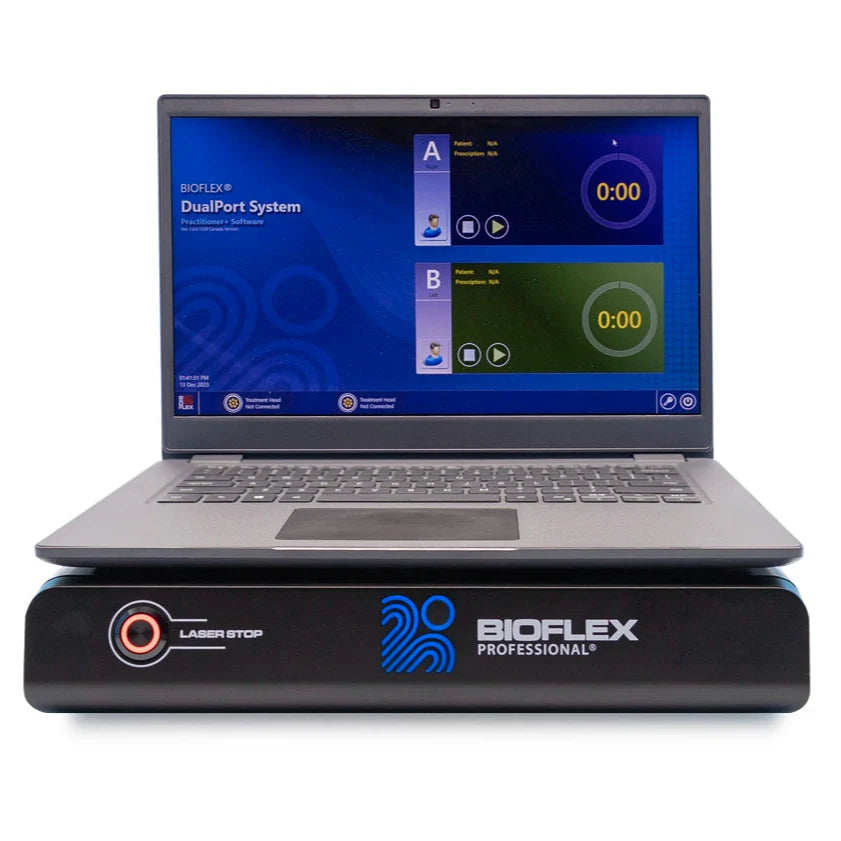
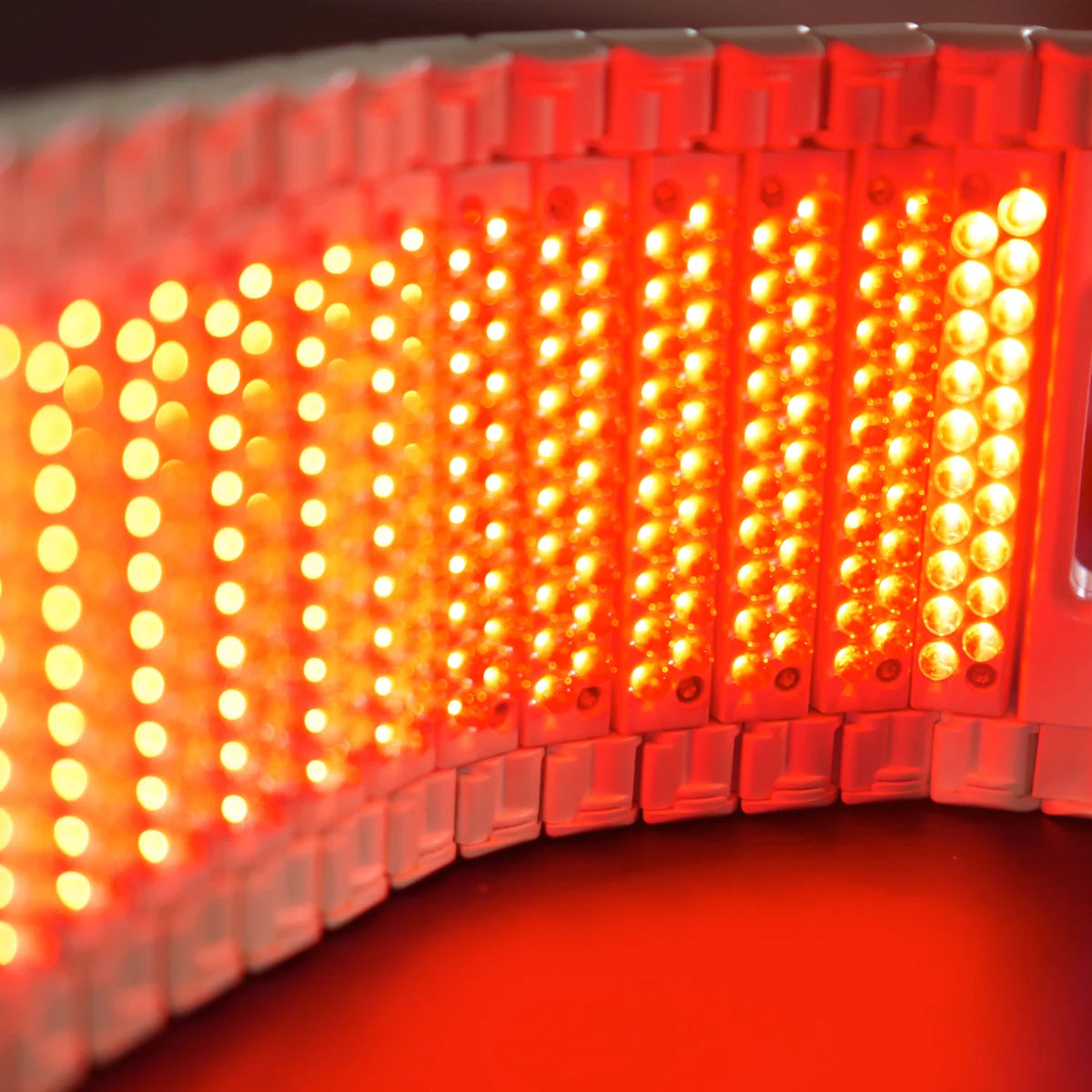
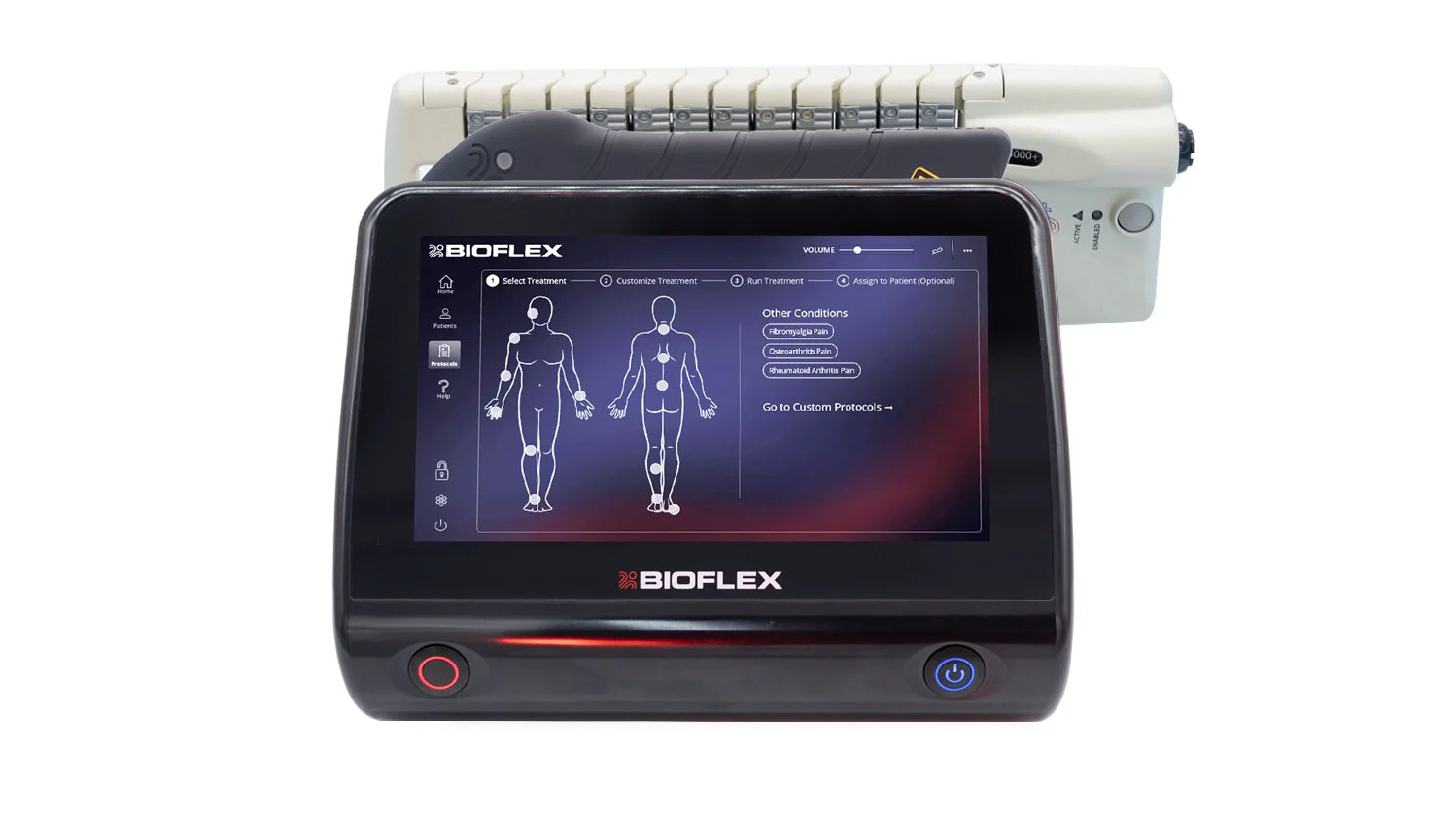
Diowave is a Class IV laser system known primarily for single high-powered probe delivery, popular in chiropractic and physical therapy settings for its straightforward, one-provider-per-session workflow. BIOFLEX takes a different approach with its MultiPort and Dualport systems: multiple treatment heads that can address several zones — or two patients — at the same time, which changes the throughput math for a busy practice.
BIOFLEX vs Diowave: Comparison Table
| Factor | BIOFLEX (MultiPort/Dualport) | Diowave |
|---|---|---|
| Starting price | $27,879 (Dualport) – $34,240 (MultiPort) | Comparable clinical-grade Class IV pricing (confirm current quote with Diowave directly) |
| Port configuration | Multi-zone / dual-patient simultaneous treatment | Primarily single high-powered probe |
| Best for | High-volume practices treating multiple areas or patients per hour | Practices prioritizing deep, focused single-probe delivery |
| Personal/at-home option | Yes — BIOFLEX P180 ($5,395) | Primarily clinic/professional focused |
| HSA/FSA eligible | Yes, with Letter of Medical Necessity | Varies — confirm with Diowave |
| Who picks this | Clinics wanting throughput plus a patient-accessible home device line | Clinics focused on single-modality, single-probe treatment protocols |
Where BIOFLEX Has the Edge
The biggest practical difference is throughput and flexibility. A MultiPort or Dualport system lets one provider treat two zones — or two patients — in the same block of time, which matters for practices trying to grow a laser therapy service line without adding staff. BIOFLEX also offers a direct at-home extension of the same technology through the P180, so patients who start in-clinic have a clear path to continuing care on their own.
Where Diowave Can Make Sense
If your practice is built around single-probe, high-powered focal treatment — for example, deep tissue work on one specific joint or area per session — Diowave's single-probe design is purpose-built for that workflow. It's a legitimate, established Class IV option, and the right call for practices that don't need multi-zone or multi-patient throughput.
Our Take
Justin Webster, owner of Your Health Sanctuary, has met BIOFLEX's leadership personally — both current and previous CEOs — and deals directly with the company's top leadership rather than going through sales reps. "The #1 mistake I see clinics make is comparing sticker price without comparing throughput," Justin says. "A MultiPort system that treats two patients at once can pay for the price gap in a matter of months if your schedule supports it."
HSA/FSA Eligibility
BIOFLEX systems, including the P180 personal device, are typically HSA/FSA eligible with a Letter of Medical Necessity. Confirm Diowave's eligibility status directly with the manufacturer, as it can vary by model and use case.
Frequently Asked Questions
Is BIOFLEX or Diowave better for a busy clinic?
If your practice needs to treat multiple zones or patients simultaneously, BIOFLEX's MultiPort or Dualport systems generally offer better throughput. Diowave's single-probe design suits practices focused on deep, single-area treatment.
Does BIOFLEX offer an at-home option like Diowave?
BIOFLEX offers the P180 Personal Therapy System for at-home use. Diowave is primarily positioned as a clinic/professional system.
How does pricing compare between BIOFLEX and Diowave?
BIOFLEX's clinic systems start at $27,879 for the Dualport and $34,240 for the MultiPort. Diowave's clinical-grade pricing is comparable; confirm a current quote directly with Diowave.
Is BIOFLEX HSA/FSA eligible?
Yes, typically with a Letter of Medical Necessity from a licensed provider. Diowave eligibility can vary — confirm directly with the manufacturer.
What's the main technical difference between the two brands?
BIOFLEX's MultiPort and Dualport systems use multiple treatment heads for simultaneous multi-zone or multi-patient treatment. Diowave is known primarily for single high-powered probe delivery.
Can I try BIOFLEX at home before committing to a clinic-grade system?
Yes — the BIOFLEX P180 gives individuals and smaller practices a lower-cost entry point into the same underlying technology used in BIOFLEX's clinic systems.
Deciding Between BIOFLEX and Another Laser Brand?
Call (612) 360-2490 — Your Health Sanctuary works directly with clinicians to find the right fit for your practice's throughput and budget.
About the Author
Justin Webster is the owner of Your Health Sanctuary. Before founding his consulting company, he served as COO of a chain of 13 medical clinics, then spent his career helping build more than 20 additional niche medical clinics across the United States. Working alongside MDs, chiropractors and physical therapists introduced him to the clinical-grade equipment that practitioners actually prescribe. That background, combined with direct relationships with manufacturers including HealthLight and BIOFLEX, shapes how Your Health Sanctuary evaluates and recommends recovery technology. Justin personally owns and uses the HealthLight General Pain Relief Kit and the TheraFace Mask. Your Health Sanctuary sells primarily to medical professionals and clinicians, not consumer gadget buyers.
Related reading: BIOFLEX vs LightForce and BIOFLEX vs Aspen Laser.