

BIOFLEX vs Class IV Laser: What's the Clinical Difference? (2026)
BIOFLEX vs Class IV Laser: Clinical Differences (2026)
If you're comparing BIOFLEX vs Class IV laser systems for your clinic, the decision usually comes down to power class, treatment depth, and how much throughput you need per hour — not just brand names. Here's an honest, plain-language breakdown of what actually separates BIOFLEX's approach from a typical Class IV laser system in 2026.
Class IV vs BIOFLEX: Two Different Power Philosophies
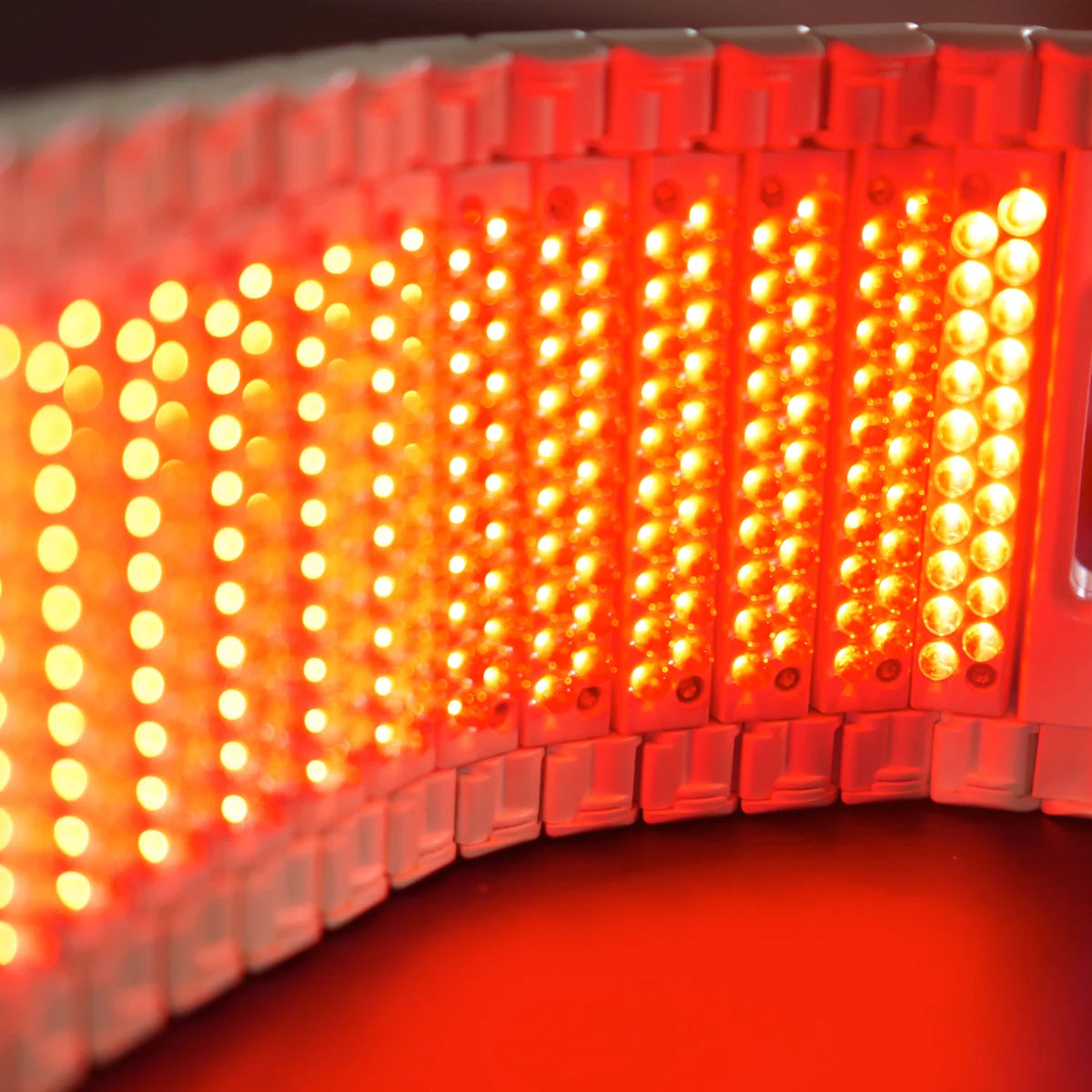
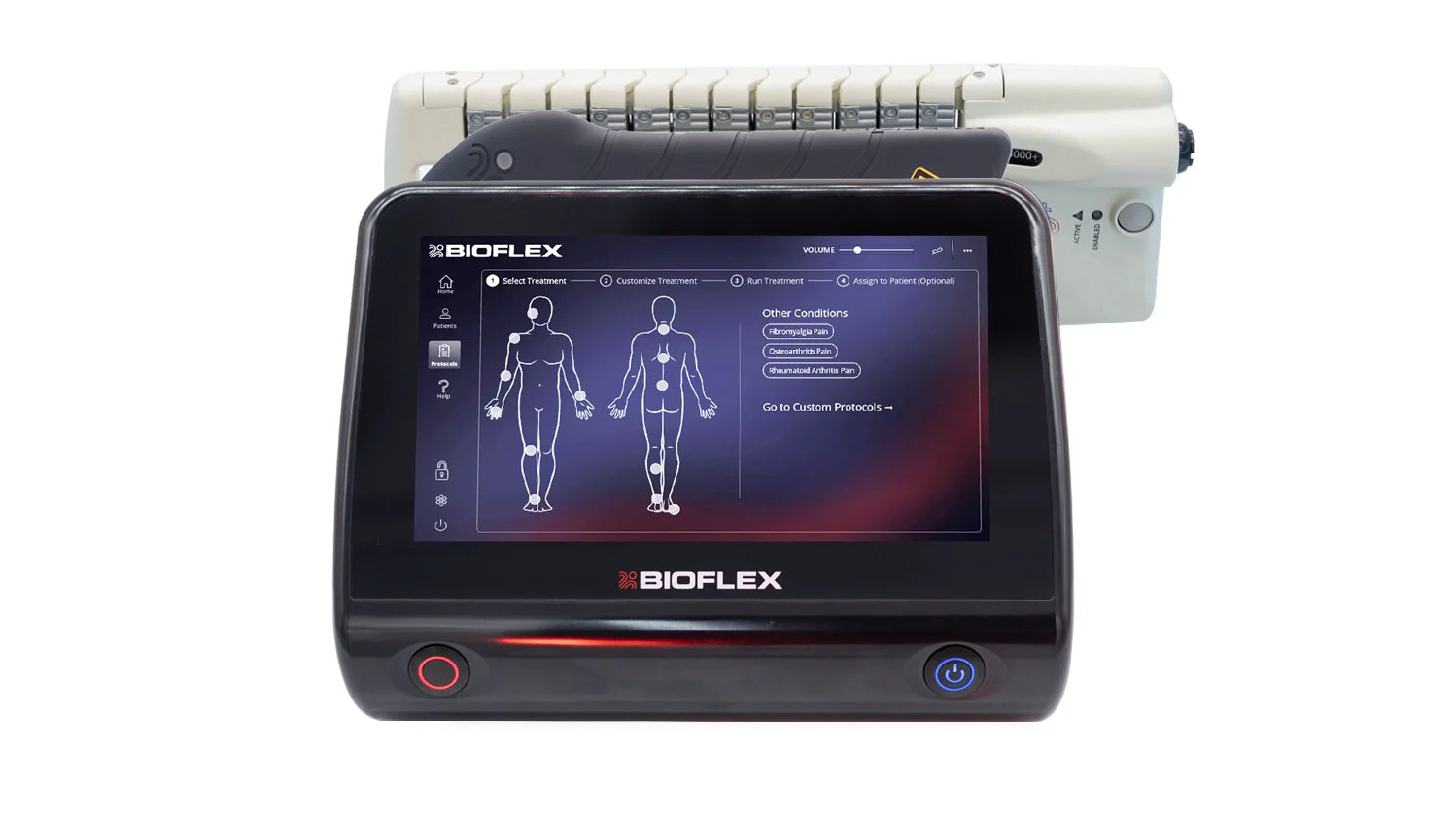
Class IV lasers deliver higher continuous power output, which allows for shorter per-session treatment times and deeper tissue penetration in a single pass — but that higher output also carries more thermal risk if dosing isn't managed carefully, which is why most Class IV systems require stricter safety protocols and protective eyewear. BIOFLEX takes a different route: its MultiPort, Dualport, and P180 systems use lower-power, multi-diode arrays designed to stay below the tissue-heating threshold, trading some per-session speed for a wider safety margin and the ability to treat multiple zones — or multiple patients — at the same time.
BIOFLEX vs Class IV Laser: Comparison Table
| Factor | BIOFLEX (MultiPort/Dualport/P180) | Typical Class IV Laser |
|---|---|---|
| Power classification | Class 3B — low-level, multi-diode arrays | Class IV — higher continuous output |
| Treatment mechanism | Multiple low-power diodes across treatment pads, kept below the thermal threshold | Single high-powered probe with a stronger thermal component |
| Simultaneous zones/patients | Yes — MultiPort treats multiple zones or two patients at once | No — one probe, one area at a time on most models |
| Entry price point | P180 (personal) $5,395 — MultiPort (clinic) $34,240 | Comparable clinic-grade pricing; confirm current quote with manufacturer |
| At-home option | Yes — BIOFLEX P180 | Rare — most Class IV systems are clinic-only |
| HSA/FSA eligible | Yes, with a Letter of Medical Necessity | Varies by manufacturer — confirm directly |
| Who picks this | Clinics wanting multi-zone throughput plus a home-use extension for patients | Clinics prioritizing maximum per-session power on one focused area |
When a Class IV Laser Makes More Sense
If your practice is built around delivering maximum power to one specific joint or muscle group in the shortest possible session — and you have staff trained on the stricter safety protocols Class IV systems require — a Class IV laser is a legitimate, established choice. It's a reasonable fit for practices that don't need multi-zone or multi-patient throughput and prioritize speed per visit over treating several areas at once.
When BIOFLEX Makes More Sense
BIOFLEX's multi-diode, lower-thermal-risk approach fits practices that want to treat more than one area — or more than one patient — in the same appointment slot, without the added eyewear and safety-protocol overhead of a Class IV system. It also gives patients a direct path to continuing care at home through the P180, something most Class IV clinic systems don't offer.
Our Take
Justin Webster, owner of Your Health Sanctuary, sees the same buying mistake again and again: "The number one mistake I see is shopping by price or power spec alone instead of weighing the full picture — treatment capacity, safety margin, and whether patients can keep treating at home after they leave the clinic. A system that lets you treat two zones or two patients at once, or hands a patient a way to continue care at home, often pays for the price difference many times over the life of the equipment."
HSA/FSA Eligibility
BIOFLEX systems, including the at-home P180, are typically HSA/FSA eligible with a Letter of Medical Necessity from a licensed provider. Class IV laser eligibility varies by manufacturer and model — confirm directly with the specific brand you're considering.
Frequently Asked Questions
Is BIOFLEX a Class IV laser?
No. BIOFLEX's MultiPort, Dualport, and P180 systems are Class 3B, low-level, multi-diode laser systems, not Class IV.
Is a Class IV laser stronger than BIOFLEX?
Class IV lasers deliver higher continuous power output, but "stronger" doesn't necessarily mean more effective — the two approaches use different dosing profiles and are suited to different treatment goals.
Can BIOFLEX treat multiple areas at once?
Yes. The MultiPort and Dualport systems can treat multiple zones, or two patients, simultaneously.
Is BIOFLEX safe for home use?
Yes. The BIOFLEX P180 Personal Therapy System is designed for at-home use, extending the same underlying technology used in BIOFLEX's clinic systems.
Is BIOFLEX HSA/FSA eligible?
Yes, typically with a Letter of Medical Necessity from a licensed provider.
Which is better for a busy multi-provider clinic?
It depends on your throughput needs. If you want to treat multiple zones or patients per hour, BIOFLEX's multi-port systems are built for that. If your workflow is single-probe, single-area, a Class IV system may be a better fit.
Deciding Between BIOFLEX and a Class IV Laser?
Call (612) 360-2490 — Your Health Sanctuary works directly with clinicians to find the right fit for your practice's throughput, safety, and budget needs.
About the Author
Justin Webster is the owner of Your Health Sanctuary. Before founding his consulting company, he served as COO of a chain of 13 medical clinics, then spent his career helping build more than 20 additional niche medical clinics across the United States. Working alongside MDs, chiropractors and physical therapists introduced him to the clinical-grade equipment that practitioners actually prescribe. That background, combined with direct relationships with manufacturers including HealthLight and BIOFLEX, shapes how Your Health Sanctuary evaluates and recommends recovery technology. Justin personally owns and uses the HealthLight General Pain Relief Kit and the TheraFace Mask. Your Health Sanctuary sells primarily to medical professionals and clinicians, not consumer gadget buyers.
Related reading: BIOFLEX vs Aspen Laser and Which BIOFLEX Is Right for You?
%0A%0AIf%20you're%20comparing%20BIOFLEX%20vs%20Class%20IV%20laser%20systems%20for%20your%20clinic,%20the%20decision%20usually%20comes%20down%20to%20power%20class,%20treatment%20depth,%20and%20h...)