

Walking for Recovery: How Much Is Actually Helpful?
A runner asks about this after a hard weekend race. A caregiver asks the same thing after bringing a parent home from the hospital. A busy adult asks it after a week of sitting, stress, and poor sleep: should I rest, or should I walk? Walking for recovery works best with a simple rule — walk enough that you feel looser afterward, not so much that you now have to recover from the walk.
The Short Answer: Most Recovery Walks Should Be 10 to 30 Minutes
| Recovery situation | Helpful starting point | Reduce or stop if |
|---|---|---|
| Sore after a workout | 10–20 min easy | Soreness sharpens or form changes |
| Rest day from training | 20–30 min easy, or two short walks | You feel like you're exercising hard |
| Returning after time off | 5–15 min easy | Fatigue lingers into the next day |
| After surgery or injury | Follow your care plan, often short frequent walks if cleared | New pain, swelling, dizziness, calf pain, or shortness of breath |
| Desk stiffness or stress | 5–10 min at a time | Pain increases as you walk |
The key is not the exact number of steps. The key is whether the walk improves your recovery state. After surgery, acute injury, significant illness, dizziness, chest symptoms, or unexplained swelling, your walking plan should come from your surgeon, physical therapist, or medical team.
Why Walking Helps Recovery Without Becoming Another Workout
Your calf muscles contract and relax with each step, supporting venous return through the skeletal muscle pump. For athletes, easy walking is a form of active recovery — research reviewing the science on active cool-downs has found they can speed blood lactate removal compared with passive rest, though the same research notes limited evidence for reducing delayed-onset muscle soreness or improving next-day performance. A systematic review and meta-analysis looking at multiple recovery methods after exercise found that effects on soreness, fatigue, and muscle damage markers vary by method and context.
Walking also supports general health — public health guidance recommends regular aerobic activity for adults, since physical activity is associated with lower risk of cardiovascular disease, type 2 diabetes, certain cancers, and all-cause mortality.
How to Know If You're Walking at Recovery Intensity
A recovery walk should feel almost too easy at first. The CDC describes moderate-intensity activity as activity where you can talk but not sing — for recovery walking, aim even easier, especially if sore, older, deconditioned, or coming back after a layoff. Use the 10-minute rule: walk for 10 minutes, then ask whether you feel looser, whether your breathing is calm, and whether your pain is the same or better. If yes, continue a little longer; if no, stop there.
A meta-analysis of daily step research found that health benefits related to daily steps tended to level off around 6,000 to 8,000 steps per day for adults 60 and older, and around 8,000 to 10,000 steps per day for younger adults — useful for long-term health context, but a recovery day is not the day to force a personal step record.
Dosing Walking to Your Recovery Goal
Sore after training: 10 to 20 minutes at a casual-errand pace. Extend toward 30 minutes if soreness improves as you move; stop if soreness sharpens or changes your gait.
Rest day: 20 to 30 minutes of easy walking helps reduce stiffness without adding much training stress. If highly fatigued, split into two 10-minute walks.
Returning after illness or a long layoff: Start with 5 to 15 minutes. If you had fever, chest symptoms, faintness, or a medical diagnosis affecting exercise tolerance, get individualized guidance rather than guessing.
Recovering after surgery or injury: Follow your discharge instructions first. Enhanced recovery after surgery protocols include early mobilization as one component of perioperative care — when your care team clears you, short controlled walks are often preferred over long bed rest. Think hallway laps, not neighborhood mileage, until your clinician advances you.
Stiffness, stress, or sleep support: A 10 to 20-minute easy walk can change your state by interrupting prolonged sitting and lowering perceived tension. Consistency beats duration — a short walk after lunch daily usually helps more than one long walk on Sunday.
When Walking Becomes Too Much
Walking stops being recovery when it increases your total stress more than it reduces stiffness. If pain climbs during the walk, you start limping, swelling increases afterward, or you feel worse the next morning, reduce the dose. Be especially careful with sudden calf swelling, calf pain, warmth, redness, chest pain, or shortness of breath — the CDC lists these as possible warning signs of blood clots or pulmonary embolism.
Walking vs. Rest vs. Recovery Devices
| Option | Best used for | Main limitation |
|---|---|---|
| Complete rest | Acute flare-ups, illness, medical restrictions | Too much can increase stiffness and deconditioning |
| Easy walking | General soreness, stiffness, rest days | Can become too much if you chase steps |
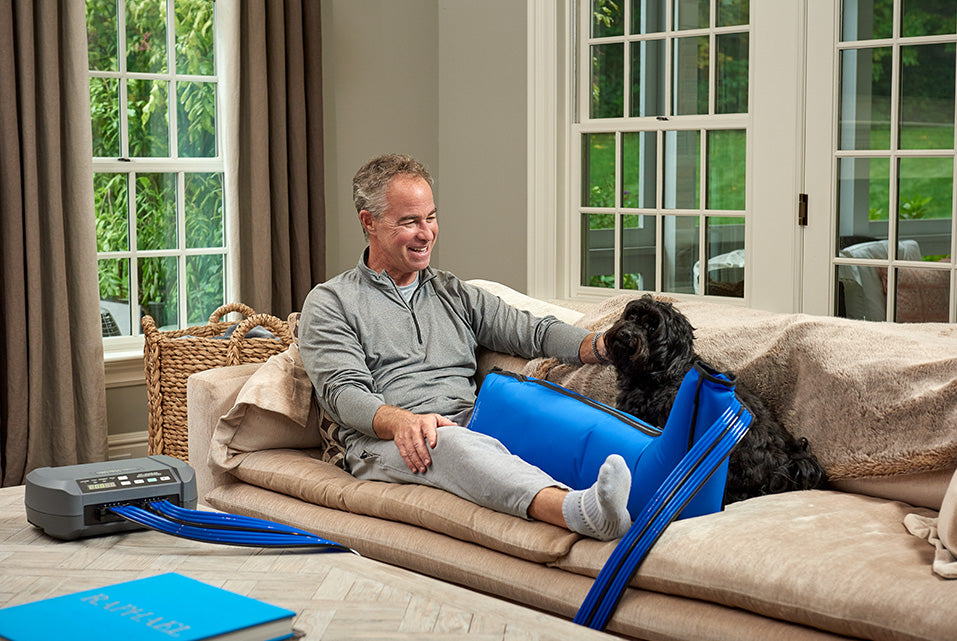
| Pneumatic compression | Heavy legs, post-training recovery, swelling management when appropriate | Not a substitute for medical evaluation of new swelling or pain |
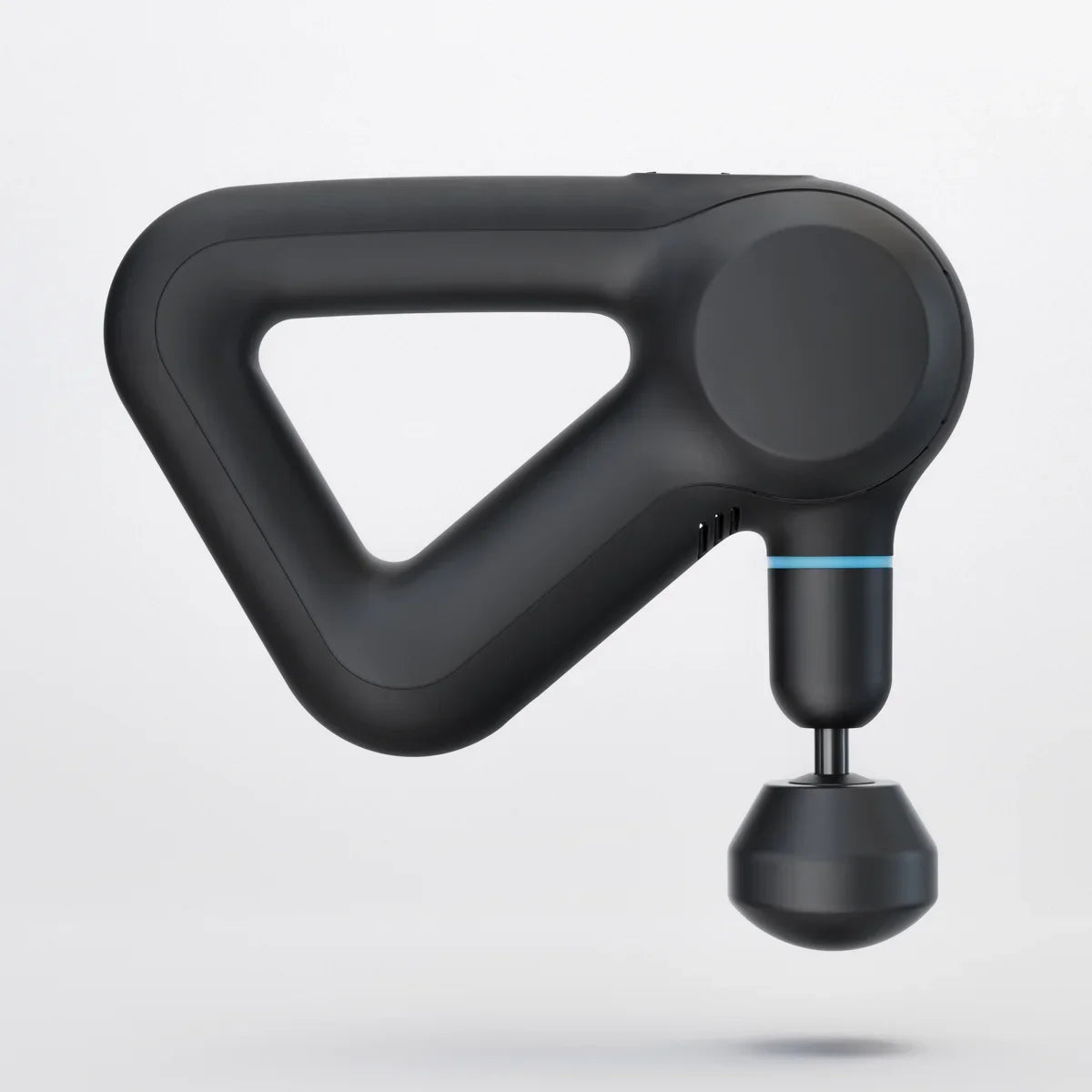
| Percussive massage | Local muscle tightness, post-training self-care | Not for use over acute injury or surgical sites |
A Simple 7-Day Walking Recovery Plan
Use only if you're generally healthy and dealing with normal soreness, stiffness, travel fatigue, or a return from a short inactive stretch — not to override medical instructions after surgery, injury, or illness. Day 1: 10 min easy (stop at 5 if symptoms increase). Day 2: 10–15 min easy. Day 3: 15–20 min easy. Day 4: 10 min or rest. Day 5: 20 min easy, split if needed. Day 6: 20–30 min easy. Day 7: reassess and adjust based on how you feel.
Frequently Asked Questions
Is walking good for muscle recovery?
Yes, easy walking can support active recovery through gentle movement. Active cool-downs may speed lactate removal, but aren't guaranteed to prevent soreness or improve next-day performance.
Is 30 minutes of walking enough for recovery?
For many people, yes. A 10 to 30-minute easy walk is often enough after a hard workout or sedentary day. If more fatigued, two 10-minute walks may work better.
Should I walk if my legs are sore?
If soreness is mild and symmetrical, an easy walk may help you loosen up. If pain is sharp, one-sided, worsening, or causing a limp, stop and treat it as a warning sign.
How many steps should I take on a recovery day?
Don't judge a recovery day by steps alone — use how you feel during and after the walk. A recovery day should usually stay below your normal activity load.
Is walking after surgery helpful?
It can be, within your medical team's instructions. Many enhanced recovery pathways include early mobilization when appropriate.
Is walking better than stretching for recovery?
Neither is always better. Walking is often better for whole-body circulation and easing into movement; stretching may help when a specific joint feels restricted.
Both the Normatec 3 Full Body and Theragun Prime Plus are HSA/FSA-eligible with a Letter of Medical Necessity, which can make professional-grade recovery equipment more affordable if you have either account.
Build Recovery Around the Right Dose
Call (612) 360-2490 — Your Health Sanctuary carries professional-grade recovery equipment that complements the fundamentals: walking, sleep, and sensible progression.
About the Author
Justin Webster is the owner of Your Health Sanctuary. Before founding his consulting company, he served as COO of a chain of 13 medical clinics, then spent his career helping build more than 20 additional niche medical clinics across the United States. Working alongside MDs, chiropractors and physical therapists introduced him to the clinical-grade equipment that practitioners actually prescribe. That background, combined with direct relationships with manufacturers including HealthLight and BIOFLEX, shapes how Your Health Sanctuary evaluates and recommends recovery technology. Justin personally owns and uses the HealthLight General Pain Relief Kit. Your Health Sanctuary sells primarily to medical professionals and clinicians, not consumer gadget buyers.
Related reading: Compression Therapy Guide: How Recovery Boots and Sleeves Actually Work and Percussion Massage Gun for Runners: The Complete Recovery Guide