
Red Light Lamp: Complete Buyer's Guide to Choosing the Right Device
Red Light Lamp:
Complete Buyer's Guide to Choosing the Right Device
Wavelengths, power output, device size — everything you need to know to choose the right red light lamp for your health goals.
Walking into the red light therapy market for the first time is overwhelming. There are hundreds of devices ranging from $30 to $3,000 — and most buyers have no idea what separates a therapeutic device from an expensive nightlight. This guide cuts through the noise and tells you exactly what to look for.

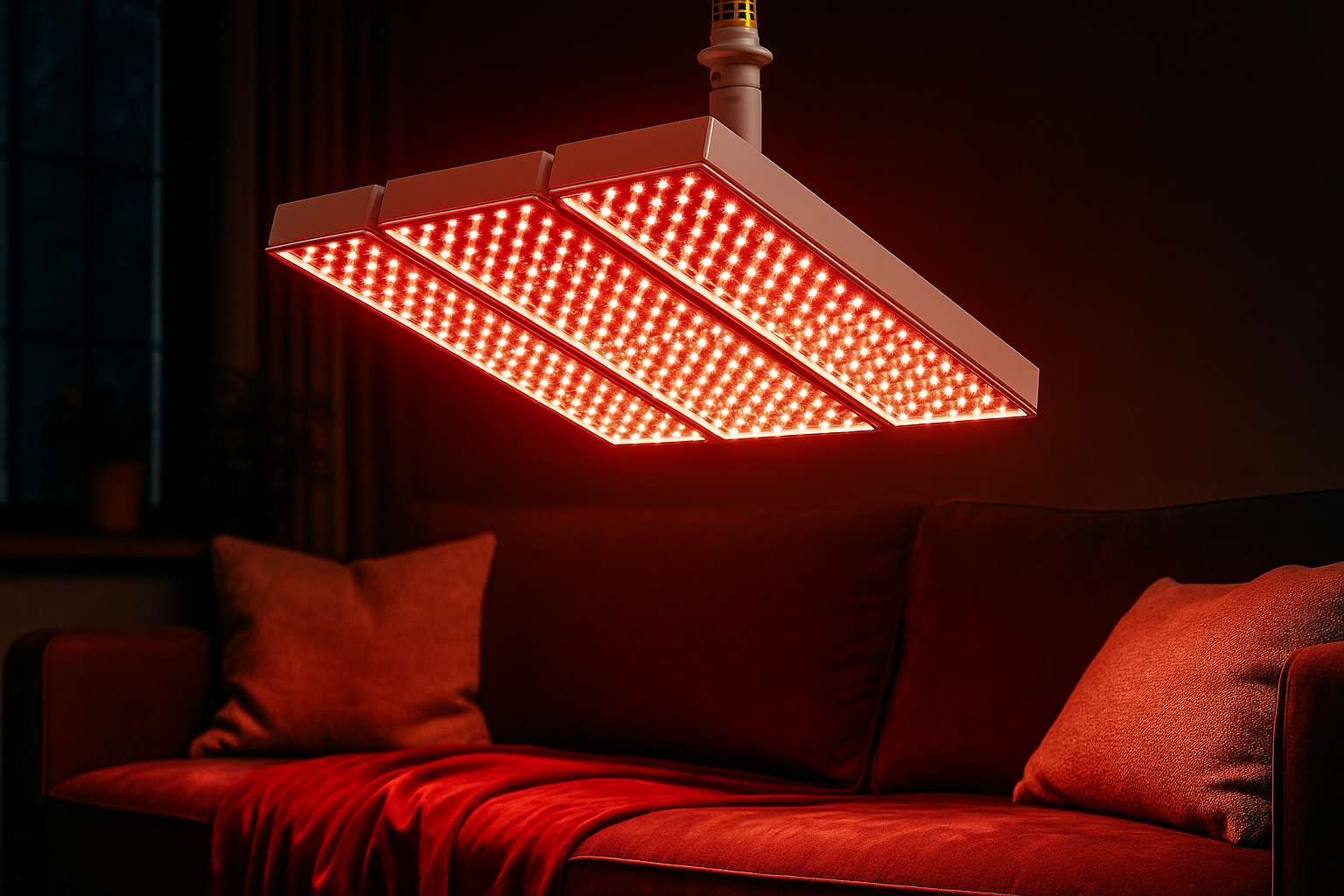
Professional-grade red light lamps deliver precise wavelengths at therapeutic power levels — not all devices are created equal.
What Is a Red Light Lamp?
A red light lamp is a device that emits specific wavelengths of red and near-infrared light for therapeutic purposes. Unlike ordinary red-colored light bulbs, therapeutic red light lamps are engineered to emit precise wavelengths — typically 630–660nm (red) and 800–850nm (near-infrared) — at power densities high enough to penetrate tissue and trigger biological responses.
The therapy itself — photobiomodulation — has over 3,000 peer-reviewed studies supporting its use for skin health, pain relief, inflammation reduction, muscle recovery, and more. The device you use determines whether you actually receive a therapeutic dose.
⚠️ Critical fact: A red light lamp that doesn't emit the right wavelengths at the right power density is just a colored light. Always verify the wavelength range (nm) and power output (mW/cm²) before purchasing.
Types of Red Light Lamps
Handheld Devices
Small, portable, targeted. Best for spot treatment of joints, wounds, or small skin areas.
Tabletop Panels
Medium-sized panels for face, neck, and upper body treatment. Great for daily skin routines.
Full Body Panels
Large floor-standing panels that treat the entire body simultaneously. Maximum therapeutic benefit.
Flexible Pads
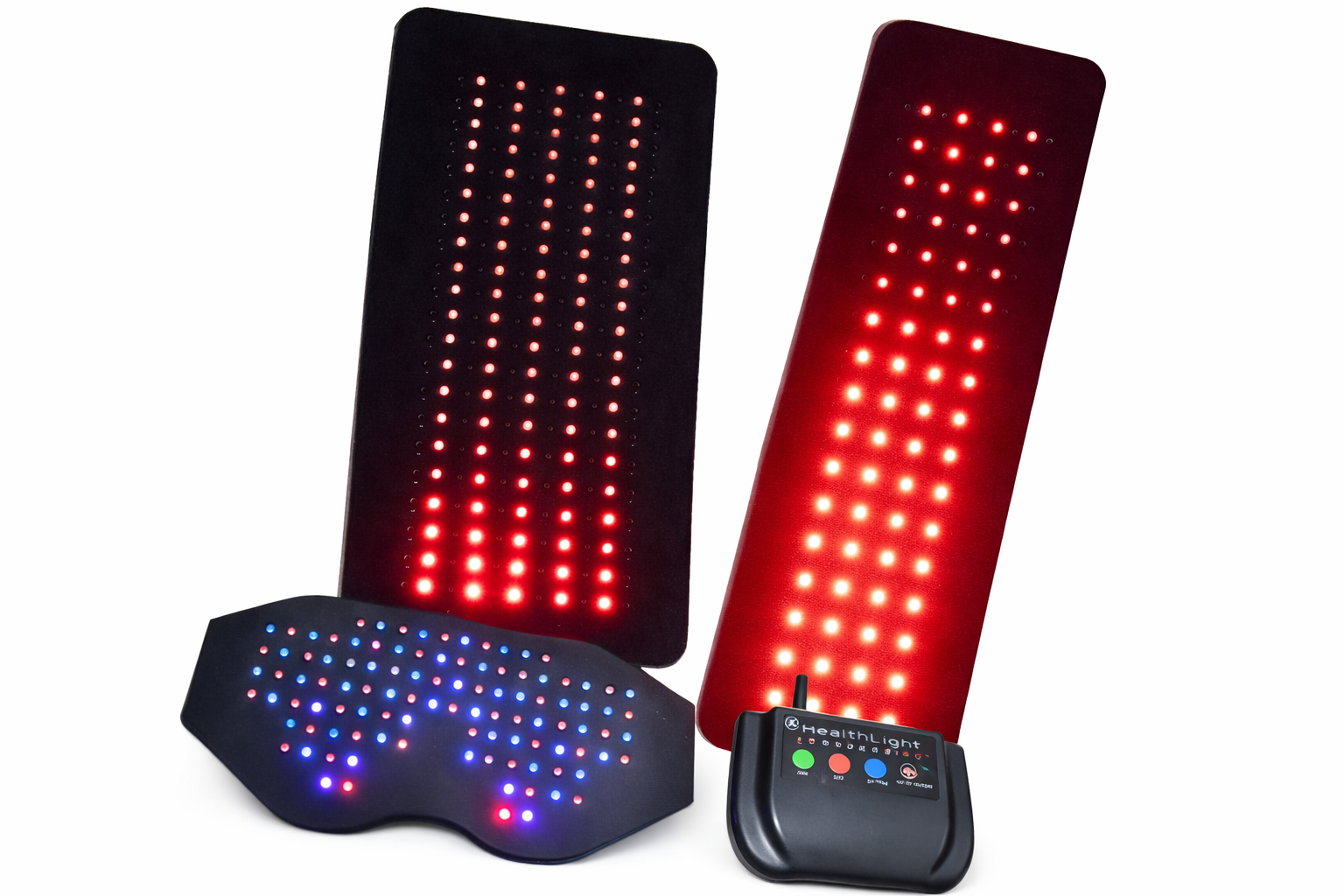
Wrap-around pads that conform to the body. Ideal for joint pain, back pain, and targeted areas.
Face Masks
LED masks designed specifically for facial skin rejuvenation, acne, and anti-aging treatment.
Infrared Saunas
Full-body enclosures combining far-infrared heat with red light for deep tissue therapy.
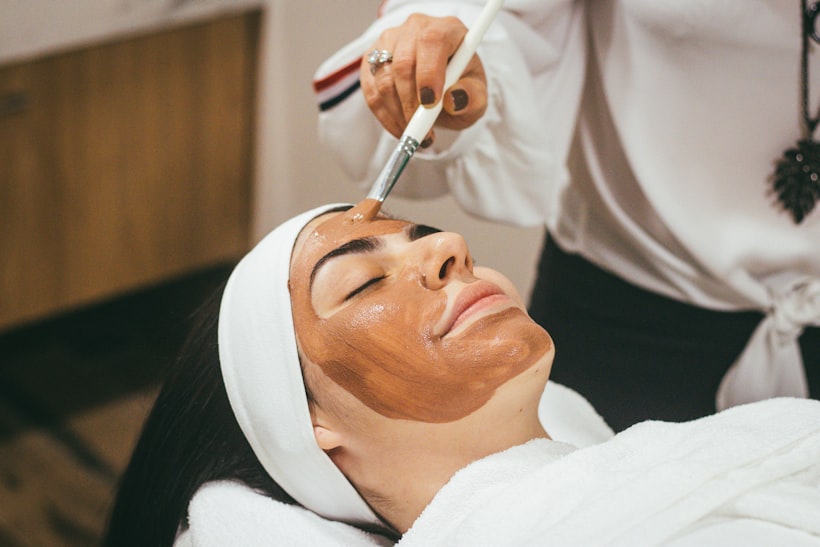
Red light therapy is clinically proven for skin rejuvenation, collagen production, and anti-aging effects.
The Key Specs That Actually Matter
Most buyers get distracted by marketing claims and miss the specs that actually determine whether a device works:
| Spec | What to Look For | Why It Matters |
|---|---|---|
| Wavelength | 630–660nm red + 800–850nm NIR | These specific ranges are backed by research. Others may not penetrate tissue effectively. |
| Power Density | 30–100 mW/cm² at 6 inches | Too low = no therapeutic dose. Too high = shorter session times needed. |
| Treatment Area | Matches your target area | A small panel treating your whole body will take far too long per session. |
| LED Count | Higher is generally better | More LEDs = more even light distribution across the treatment area. |
| EMF Output | Low EMF preferred | Quality devices are engineered to minimize electromagnetic field emissions. |
| Certifications | FDA cleared, CE marked | Regulatory clearance confirms safety testing has been completed. |
What Can a Red Light Lamp Treat?
The therapeutic applications of red light are broad and well-researched:
- Skin health — collagen production, wrinkle reduction, acne, wound healing
- Pain relief — joint pain, arthritis, back pain, nerve pain
- Muscle recovery — faster post-workout recovery, reduced soreness
- Inflammation — reduced systemic and local inflammation
- Hair growth — stimulates follicle activity in androgenic alopecia
- Mental wellness — emerging research on mood, seasonal affective disorder, and cognitive function
- Weight management — supports fat cell release and metabolism (see our full weight loss guide)
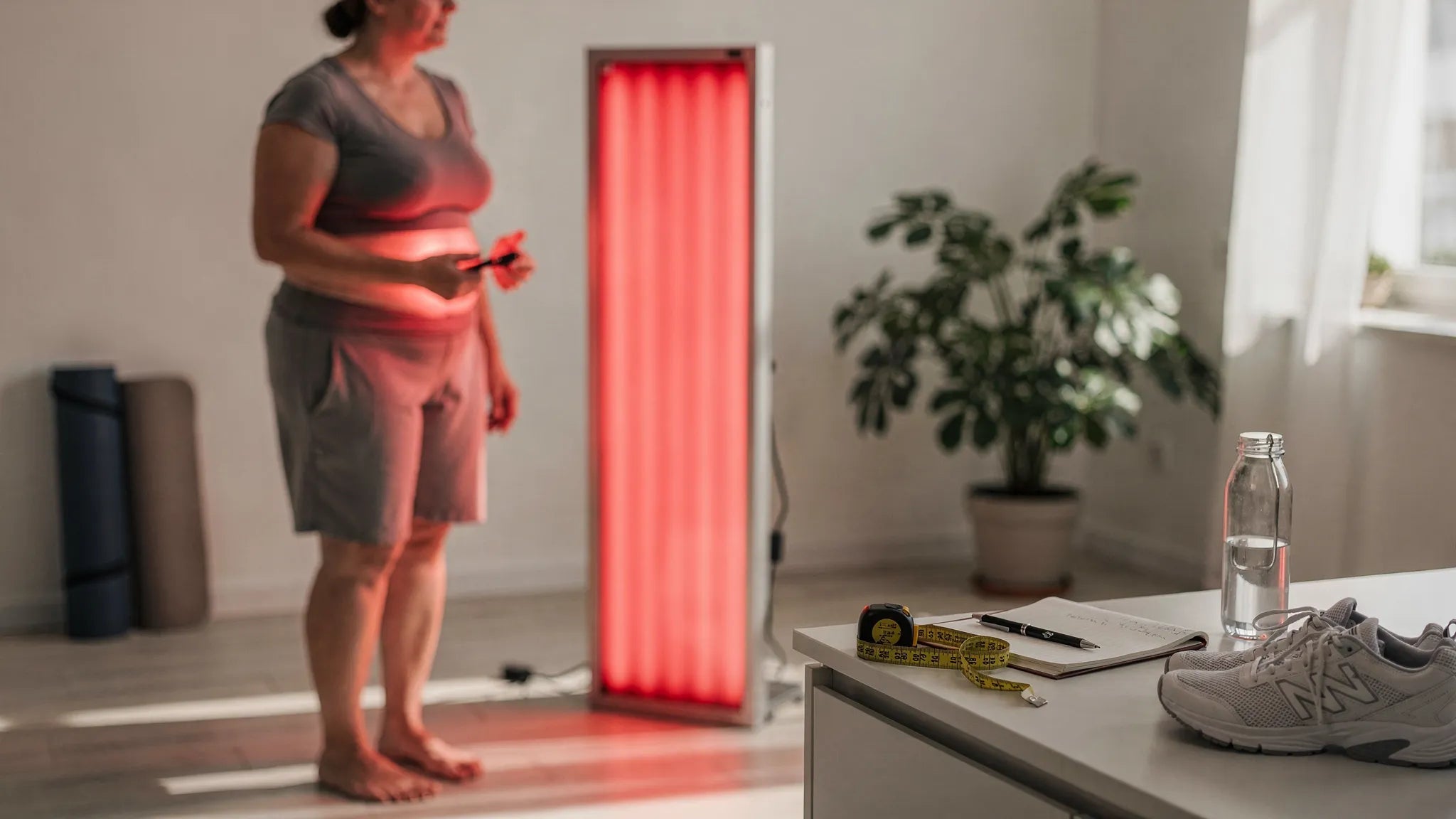
Full-body red light panels allow comprehensive treatment in a single daily session.
How to Use a Red Light Lamp Effectively
Distance from skin
Position the device 6–12 inches from your skin for most panels. Closer distances increase power density but reduce coverage area. Check your device's specific recommendations.
Session length
Typically 10–20 minutes per treatment area. More is not always better — photobiomodulation follows a dose-response curve, and excessive doses can reduce effectiveness.
Frequency
3–5 sessions per week is the research-backed sweet spot for most applications. Daily use is safe for most people and accelerates results.
Eyes
Always use protective eyewear or keep eyes closed during sessions. Even though red light is not UV, prolonged direct eye exposure is not recommended.
Sources & Clinical References
- 1. Hamblin MR. "Mechanisms and applications of the anti-inflammatory effects of photobiomodulation." AIMS Biophysics. 2017;4(3):337-361.
- 2. Avci P, et al. "Low-level laser (light) therapy (LLLT) in skin: stimulating, healing, restoring." Seminars in Cutaneous Medicine and Surgery. 2013;32(1):41-52.
- 3. Ferraresi C, Huang YY, Hamblin MR. "Photobiomodulation in human muscle tissue: an advantage in sports performance?" Journal of Biophotonics. 2016;9(11-12):1273-1299.
All product recommendations are informed by published clinical research. Your Health Sanctuary is committed to evidence-based recovery guidance.
Continue Your Research
Frequently Asked Questions
What's the difference between red light and infrared light?
Red light (630–660nm) is visible and primarily affects surface tissue — skin, cells just below the surface. Near-infrared light (800–850nm) is invisible and penetrates deeper — reaching muscles, joints, and even bone. The best therapeutic devices combine both wavelengths for comprehensive benefit.
Can I use a regular red light bulb for therapy?
No. Standard red-colored light bulbs emit broad-spectrum light filtered to appear red — they do not emit the specific therapeutic wavelengths needed for photobiomodulation. You need a device specifically designed for red light therapy with verified wavelength output.
How long before I see results from red light therapy?
Skin improvements (tone, texture, glow) are often noticed within 2–4 weeks. Pain relief can sometimes be felt within days. Body composition changes and deeper tissue healing typically take 8–12 weeks of consistent use.
Is red light therapy safe for daily use?
Yes, red light therapy is safe for daily use for most healthy adults. It has no known serious side effects at therapeutic doses. If you have a photosensitive condition or take photosensitizing medications, consult your physician first.
Do I need a prescription to buy a red light lamp?
No prescription is required for consumer red light therapy devices. However, some professional-grade medical devices are regulated differently. FDA-cleared devices sold for home use are available without a prescription.
Find Your Perfect Red Light Lamp
Your Health Sanctuary carries FDA-cleared, professional-grade red light therapy devices — from targeted panels to full-body systems.
Shop Red Light Lamps Need help choosing? Call us: (612) 360-2490Written by Justin Webster
Founder, Your Health Sanctuary
Justin Webster is the founder of Your Health Sanctuary, a recovery equipment resource dedicated to helping athletes, post-surgical patients, and chronic pain sufferers find evidence-based recovery solutions. With hands-on experience testing professional-grade devices from brands like Therabody, Hyperice, Game Ready, and HealthLight, Justin combines product expertise with clinical research to provide actionable recovery guidance. All recommendations are based on published clinical evidence and real-world testing.