
Introduction to Compression Therapy
Whether you're an elite athlete pushing your body to its limits, a weekend warrior recovering from your latest workout, or someone managing circulation challenges, you've likely encountered compression therapy. This powerful recovery modality has evolved from niche medical treatment to mainstream wellness solution, with products ranging from simple graduated compression sleeves to sophisticated pneumatic recovery systems.
But what exactly is compression therapy, and does it truly work? In this comprehensive guide, we'll explore the science, mechanics, and practical applications of compression therapyâhelping you understand how recovery boots and compression sleeves work, and more importantly, which tools are right for your recovery needs.
What is Compression Therapy? Definition and History
Compression therapy involves applying controlled pressure to specific body areas to promote circulation, reduce swelling, and enhance recovery. The concept isn't new; medical professionals have utilized compression techniques for decades to treat conditions like deep vein thrombosis, lymphedema, and post-surgical swelling.
The modern era of compression therapy began in the 1970s when Dr. Bill Kraemer and other sports scientists recognized that the principles used in clinical settings could enhance athletic recovery. Today, compression therapy exists in two primary forms: static compression (like graduated sleeves) and dynamic compression (like pneumatic recovery boots). Both leverage the body's natural physiological responses to pressure, but through different mechanisms.
The Science Behind Compression Therapy
Understanding how compression therapy works requires exploring four key physiological processes: venous return, lymphatic drainage, muscle recovery, and edema reduction. Each plays a critical role in how your body recovers from physical stress.
Venous Return and Circulation
Your veins work against gravity to return blood from your extremities back to your heart. This process, called venous return, becomes less efficient during recovery when muscles are fatigued and circulation naturally slows. Compression therapy applies external pressure that enhances this process, essentially giving your circulatory system a boost. By increasing venous return, compression therapy helps deliver oxygen-rich blood to recovering muscles more efficiently and removes metabolic waste products that accumulate during intense activity.
Lymphatic Drainage
Your lymphatic system is your body's cleanup crew, removing excess fluid, proteins, and cellular waste from tissues. Unlike your circulatory system, the lymphatic system lacks a central pump and relies primarily on muscle contractions and movement to function. Compression therapy stimulates lymphatic drainage by applying pressure that moves fluid through lymphatic vessels. This enhanced drainage reduces the accumulation of metabolic byproducts that contribute to muscle soreness and fatigue.
Muscle Recovery and DOMS Prevention
Delayed Onset Muscle Soreness (DOMS) results from microscopic damage to muscle fibers and the inflammatory response that follows intense exercise. By promoting circulation and lymphatic drainage, compression therapy reduces the inflammatory buildup in muscles and accelerates the clearance of substances that trigger soreness. Many athletes report reduced DOMS symptoms when using compression therapy immediately after workouts.
Edema Reduction
Edemaâthe swelling that occurs when fluid accumulates in tissuesâis common after intense activity or injury. Compression therapy prevents fluid from pooling in tissues by maintaining pressure that encourages fluid movement toward the lymphatic system and circulatory system. This is particularly important for post-surgical recovery and injury rehabilitation, where managing swelling is crucial for healing and restoring normal function.
Static vs. Dynamic Compression: Understanding the Differences
While all compression therapy applies pressure to tissues, the mechanism and intensity of that pressure varies significantly between static and dynamic approaches.
| Feature | Static Compression | Dynamic (Pneumatic) Compression |
|---|---|---|
| Pressure Application | Constant, graduated pressure throughout wear | Sequential pressure pulses from distal to proximal |
| Mechanism | Fabric elasticity and construction | Pneumatic chambers and air pump system |
| Ease of Use | Simpleâjust put on and wear | Requires equipment setup and session time |
| Portability | Highly portableâwear during activities | Less portableârequires equipment and power |
| Cost | Generally more affordable | Higher investment but more advanced technology |
| Best For | During activity, travel, daily wear | Post-workout recovery, rehabilitation |
How Recovery Boots Work: The Technology Explained
Recovery boots represent the cutting edge of compression therapy technology. Unlike the constant pressure of static compression, recovery boots use dynamic, sequential compression to create a more active physiological response.
Sequential Compression Mechanism
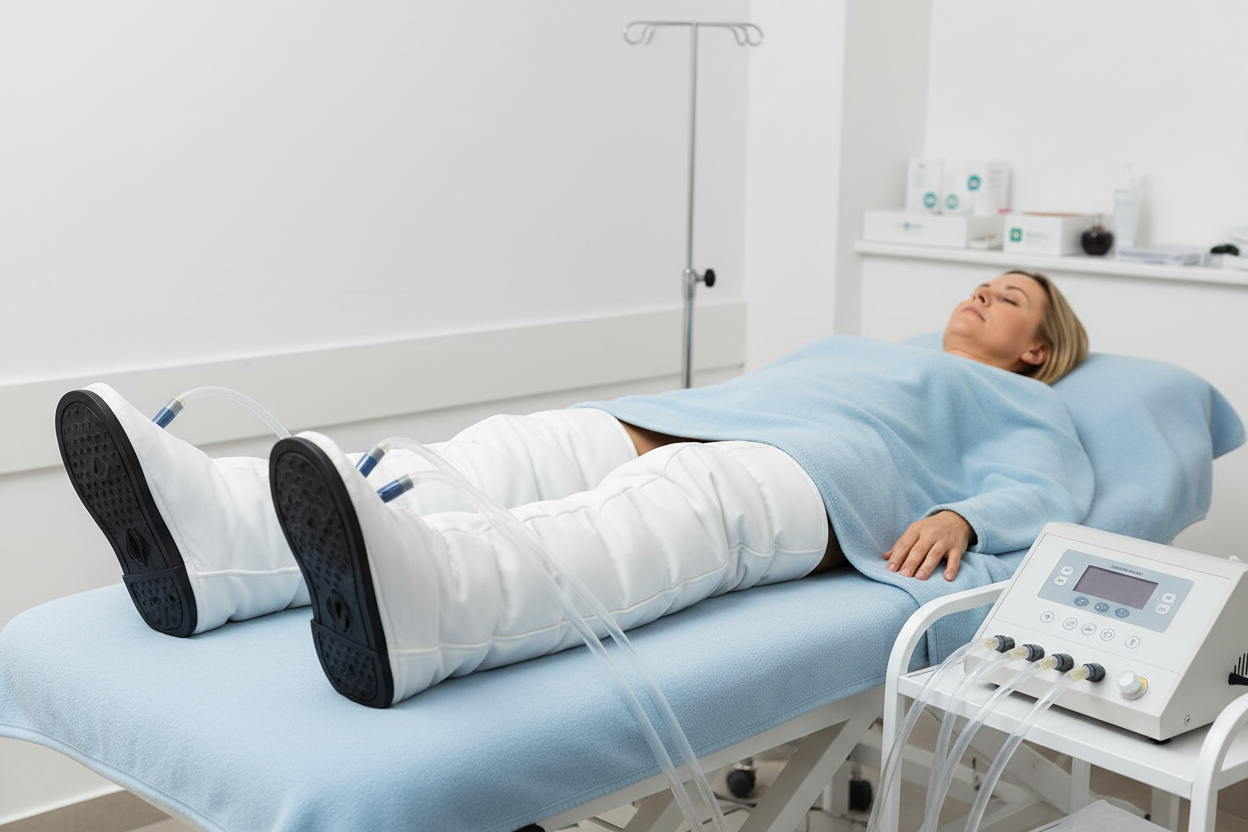
Recovery boots work by inflating multiple chambers in a specific sequence, starting from your foot or lower leg and moving upward toward your heart. This sequential pattern mimics the natural muscle contractions that occur during physical activity, promoting blood flow and lymphatic drainage. The pressure waves push fluids upward against gravity, significantly enhancing circulation more effectively than static compression alone.
Pressure Cycles and Duration
Typical recovery boot sessions last 30-60 minutes, with chambers inflating and deflating in precise patterns. The system applies graduated pressureâhigher pressure at the distal (far from heart) end and lower pressure proximallyâwhich encourages fluid movement in the correct direction. Most modern systems allow customization of compression intensity and session duration, enabling personalized recovery protocols based on workout intensity, body part, and individual response.
Chamber Design and Coverage
Advanced recovery boots like the Bio Compression SC-2008-DL feature multiple chambers that cover the entire leg, allowing simultaneous treatment of calves, quadriceps, and other muscle groups. This comprehensive coverage provides more thorough recovery compared to single-chamber alternatives. The boot design ensures consistent pressure distribution and prevents the circulation restriction that can occur with poorly-fitting compression garments.
How Compression Sleeves Work: Graduated Pressure Technology
While recovery boots provide active, dynamic compression, compression sleeves offer a simpler but highly effective approach through graduated static pressure.
Graduated Pressure Design
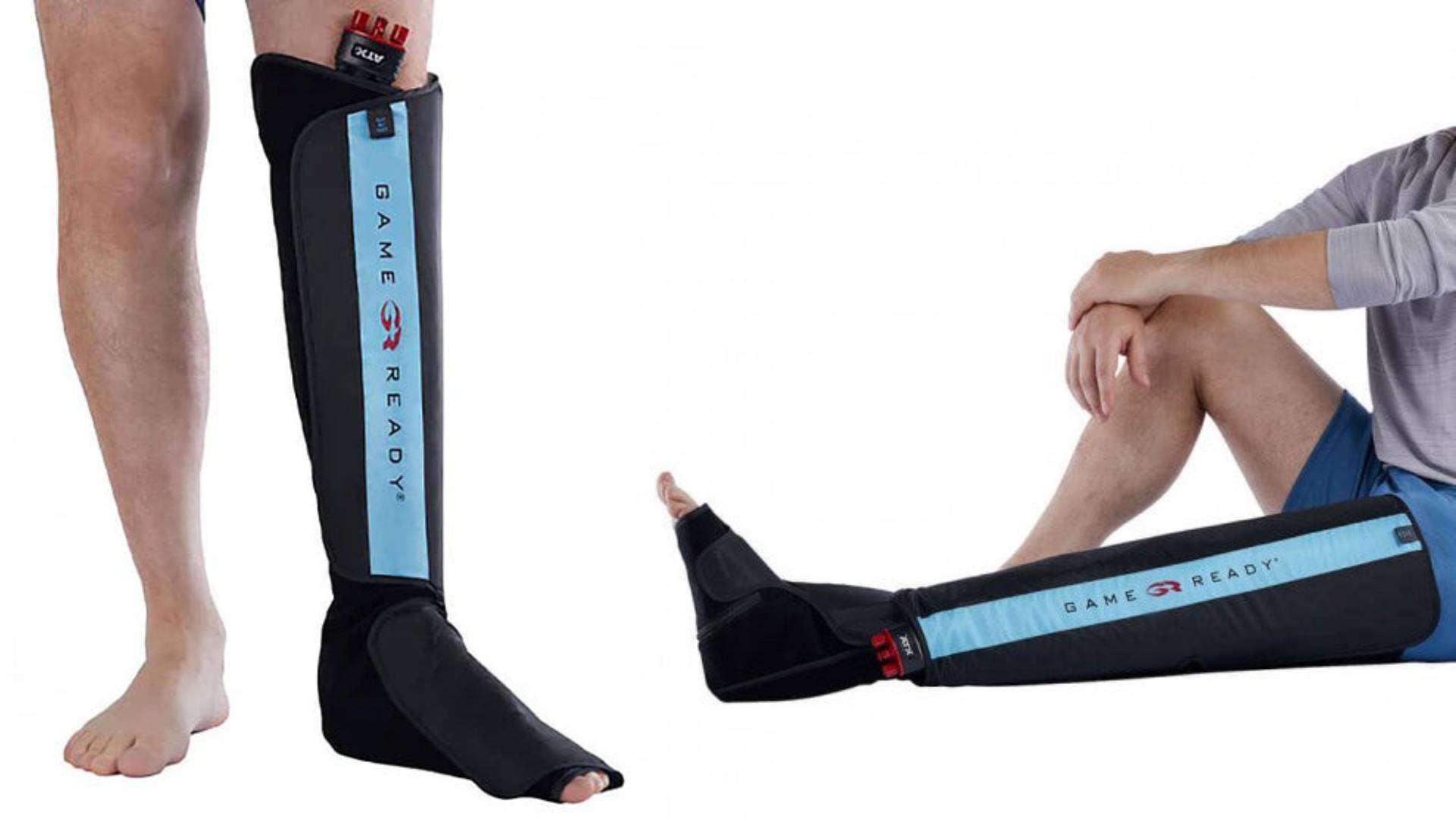
Compression sleeves are engineered with greater pressure at the distal end (wrist or ankle) and progressively less pressure moving proximally toward the shoulder or hip. This graduated design harnesses physics to naturally encourage fluid movement toward the heart. Unlike recovery boots, there's no mechanical inflationâthe sleeve's construction and fabric elasticity create the therapeutic pressure.
Wear Timing and Application
One major advantage of compression sleeves is versatility. You can wear them during activity, immediately after exercise, during travel, or throughout recovery days. Many athletes wear compression sleeves during competitions and training to prevent muscle oscillation and support joints. Others prefer post-workout compression, wearing sleeves for several hours following intense exercise to manage DOMS and accelerate recovery.
Material Science and Construction
Modern compression sleeves combine advanced fabricsâoften nylon and spandex blendsâwith precision knitting techniques to achieve consistent, reliable pressure. Quality sleeves maintain their compression properties through repeated washing and wear, resisting the degradation common in poorly-constructed alternatives. Products like the Therabody RecoveryPulse Sleeve represent the latest generation, incorporating advanced textile technology for superior comfort and efficacy.
Primary Benefits of Compression Therapy
The science supporting compression therapy is robust. Here are the primary benefits documented in sports science research:
- Accelerated Muscle Recovery: Enhanced circulation delivers oxygen and removes metabolic waste, reducing recovery time between workouts
- Reduced Delayed Onset Muscle Soreness (DOMS): By managing inflammation and metabolic byproducts, compression therapy significantly reduces muscle soreness
- Improved Circulation: Compression therapy enhances blood flow, benefiting not just recovery but overall cardiovascular health
- Reduced Swelling and Edema: Particularly valuable post-surgery or post-injury, compression prevents fluid accumulation
- Enhanced Athletic Performance: Reduced soreness and faster recovery enable more consistent training and better performance
- Joint Support and Stability: Compression garments provide proprioceptive feedback and mechanical support to joints
- Improved Blood Oxygen Saturation: Better circulation means tissues receive more oxygen, enhancing recovery
Who Benefits Most from Compression Therapy?
While compression therapy benefits nearly everyone interested in recovery, certain populations experience particularly pronounced results:
Competitive and Serious Athletes
Athletes engaged in high-volume training, competition, or intense conditioning benefit significantly from compression therapy. The ability to reduce recovery time and manage DOMS enables more frequent, higher-quality training sessions. For endurance athletes, field sport athletes, and strength athletes alike, compression therapy has become a standard recovery tool.
Post-Surgical Patients
Following surgery, compression therapy is often medically prescribed to manage swelling, prevent blood clots, and support healing. Working with healthcare providers, post-surgical patients can utilize compression therapy to optimize recovery timelines and reduce complications.
Travelers and Sedentary Workers
Extended sitting during flights, long drives, or desk work increases blood clot risk and causes fluid accumulation in legs. Compression sleeves or boots help maintain circulation during and after extended periods of reduced movement, preventing the discomfort and health risks associated with prolonged immobility.
Individuals with Circulation Issues
People managing varicose veins, chronic venous insufficiency, or other circulatory conditions benefit from compression therapy's ability to enhance venous return and reduce symptoms like swelling, pain, and fatigue.
Older Adults and Rehabilitation Patients
Aging naturally reduces circulation efficiency. Compression therapy helps maintain healthy circulation, manage swelling, and support recovery from injury or illness in this population.
When to Use Recovery Boots vs. Compression Sleeves vs. Both
The ideal compression therapy strategy depends on your specific needs, lifestyle, and recovery goals:
Product Overview: Recovery Solutions for Every Need
The Your Health Sanctuary collection offers comprehensive compression therapy options:
Normatec 3
Bio Compression SC-2008-DL Compression System represents the pinnacle of dynamic compression technology. This full-body system delivers sequential pneumatic compression to your entire lower body and localized areas, utilizing advanced algorithms to optimize pressure patterns and recovery outcomes.
Therabody Jetboot Pro Plus
The Therabody Jetboot Pro Plus (FDA-Cleared) brings professional-grade recovery boot technology to athletes and individuals committed to optimal recovery. Its FDA clearance reflects rigorous testing and efficacy validation, making it a trusted choice for serious recovery protocols.
Therabody RecoveryPulse Sleeve
For convenience and everyday wear, the Therabody RecoveryPulse Sleeve combines graduated compression with innovative design for support during and after activity. This versatile sleeve works as part of your active wardrobe or recovery routine.
Rapid Reboot Collection
The Bio Compression SC-4004-DL Collection offers a range of compression recovery solutions designed for athletes at all levels. From targeted sleeves to full-body systems, this collection provides accessible entry points into professional-grade compression therapy.
Compression Therapy Best Practices
To maximize compression therapy benefits, follow these evidence-based practices:
- Timing Matters: Use recovery boots within 30-60 minutes after intense workouts for maximum benefit. Compression sleeves can be worn during activity, immediately after, or throughout recovery days.
- Consistency Builds Results: Like any recovery modality, consistent use produces better results than sporadic application. Integrate compression therapy into regular recovery routines.
- Personalize Intensity: Start with moderate compression and intensity settings, adjusting based on comfort and response. Higher isn't always betterâeffective pressure should feel therapeutic, not painful.
- Combine Modalities: Compression therapy works synergistically with other recovery methods like sleep, proper nutrition, hydration, and active recovery. Use compression as part of a comprehensive recovery strategy.
- Follow Guidelines for Medical Conditions: If you have circulatory issues, blood clots, or other medical conditions, consult healthcare providers before starting compression therapy.
- Maintain Equipment Properly: Clean compression sleeves according to manufacturer instructions. Regular maintenance extends equipment life and maintains compression efficacy.
Sources & Clinical References
- 1. Haun CT, et al. "Effects of pneumatic compression on recovery after exercise." International Journal of Exercise Science. 2017;10(5):764-779.
- 2. Marcello RT, et al. "Intermittent pneumatic compression boot use elevates blood lactate clearance." Journal of Strength and Conditioning Research. 2019;33(S1):S150-S157.
- 3. Draper SN, et al. "Effects of intermittent pneumatic compression on delayed-onset muscle soreness." Journal of Athletic Training. 2020;55(12):1216-1223.
All product recommendations are informed by published clinical research. Your Health Sanctuary is committed to evidence-based recovery guidance.
📋 Free Compression Therapy Comparison Guide
Not sure which compression system fits your recovery needs? Get our side-by-side comparison chart with pressure ranges, features, and use-case recommendations for every budget.
📞 Call for Personalized Compression Therapy Advice: (612) 360-2490Continue Your Research
- Compression Boots: The Complete Guide to Faster Recovery →
- Leg Compression Sleeve: Complete Guide to Benefits & Uses →
- Recovery Boots: The Complete Guide for Athletes →
- Best Compression Boots for Recovery: Top Picks Compared →
- Recovery Boots vs Compression Sleeves: Which Is Right? →
- Bio Compression Recovery System: Medical-Grade Sequential Device →
Frequently Asked Questions About Compression Therapy
Conclusion: Integrating Compression Therapy Into Your Recovery
Compression therapy bridges medical science and modern athletics, offering evidence-based recovery support accessible to everyone from elite competitors to everyday fitness enthusiasts. Whether you choose the dynamic power of recovery boots or the convenient versatility of compression sleeves, you're leveraging technology refined over decades to optimize how your body recovers from physical stress.
The key to success lies in consistency, personalization, and integration with comprehensive recovery practices. Start with the approach that fits your lifestyleâwhether that's wearing compression sleeves during daily activities or scheduling regular recovery boot sessionsâand adjust based on your experience and results.
Your body's ability to recover determines how quickly you can train again, how you feel day-to-day, and ultimately your long-term health and performance. Compression therapy is a powerful tool in your recovery arsenal, backed by science and proven through real-world results in athletics, rehabilitation, and daily wellness.