

How to Recover Faster After Long Flights
How to Recover Faster After Long Flights (2026 Guide)
Your flight lands at 6:40 a.m. after nine hours in one seat. Your ankles feel tight, your low back is angry, and you have to be useful by lunch. How to recover faster after long flights comes down to a simple sequence: restore circulation, loosen the joints that were stuck in a chair, rehydrate, eat normally, and protect your first night of sleep.
If you only have energy for three things after landing: walk for 10 to 20 minutes before your next long sit, drink water and eat a real meal instead of running on coffee, and get outside in local daylight, then stay on the destination sleep schedule as much as you can.
The 24-Hour Long-Flight Recovery Plan
| Time after landing | Do this | Why it matters |
|---|---|---|
| First 30 min | Walk, ankle pumps, calf raises while waiting for bags | Re-starts the calf muscle pump after prolonged sitting |
| First 2 hrs | Water, a normal meal, 5–8 min of gentle mobility | Addresses under-drinking, stiffness, and fatigue |
| Afternoon | Outdoor light, an easy walk, a short nap only | Supports circadian adjustment |
| Evening | Light-to-moderate meal, limit alcohol, bed on local time | Anchors the destination schedule |
| Next morning | Move easily, reassess swelling, pain, and energy | Two-sided heaviness should improve; one-sided needs caution |
The CDC Yellow Book guidance on travel-associated deep vein thrombosis and pulmonary embolism emphasizes movement, calf exercises, and appropriate compression for higher-risk travelers. CDC guidance on jet lag disorder also supports timed light exposure, short naps when needed, and careful sleep timing. Mayo Clinic lists fatigue, dizziness, and confusion among possible dehydration symptoms, so fluids and food are not optional details.
Why a Long Flight Leaves You Swollen, Stiff, and Foggy
Prolonged sitting reduces the normal pumping action of your calf muscles, so fluid can pool in the lower legs — usually mild, two-sided swelling for healthy travelers. For higher-risk travelers (recent surgery, prior clot history, cancer, pregnancy, estrogen therapy, older age, obesity, limited mobility), long-distance travel can also raise concern for blood clots; the CDC specifically flags travel longer than 4 hours as a situation where clot risk can increase, particularly with those risk factors present. Your joints also spend hours in a shortened position, and your circadian rhythm may be out of sync with local time — the fix is sleep at the right local time plus light exposure at the right time of day, not just more sleep.
Before You Board
- Choose an aisle seat if you have clot risk factors or know you need to move often
- Wear loose, comfortable clothing
- Pack a water bottle and fill it after security
- Bring properly fitted below-knee graduated compression socks if recommended or if you reliably get leg swelling
- If you recently had surgery, have a clot history, or are traveling with someone who has limited mobility, ask a clinician about flight precautions first
For higher-risk travelers, the CDC summarizes American College of Chest Physicians guidance favoring frequent ambulation, calf exercises, aisle seating when feasible, and properly fitted below-knee graduated compression stockings providing 15 to 30 mmHg at the ankle. That guidance also notes that aspirin is not recommended for most travelers solely to prevent travel-associated clots unless a clinician has specifically directed it.
During the Flight
Every 30 to 60 minutes, do ankle pumps, heel raises, toe raises, and gentle knee extensions while seated. Stand or walk the aisle every 1 to 2 hours when the seatbelt sign is off. Avoid crossing your legs for long stretches. Go easy on alcohol — it may make you drowsy but often worsens sleep quality; caffeine is fine but a strong coffee late in the destination afternoon can make the first night harder.
Do Compression Socks or Recovery Boots Help After a Long Flight?
Yes, but the tool should match the problem. Research reviewing multiple clinical trials has found high-certainty evidence that wearing compression stockings reduced symptomless deep vein thrombosis on flights longer than 4 hours, and low-certainty evidence that stockings reduced leg swelling. The strongest evidence is for properly fitted stockings worn during travel, not random tight socks thrown on after the fact.
| Option | Best use | Avoid/get clearance when |
|---|---|---|
| Graduated compression socks | During long flights, especially for swelling or higher-risk travel | Severe circulation disease, skin wounds, major numbness, or clinician told you not to use compression |
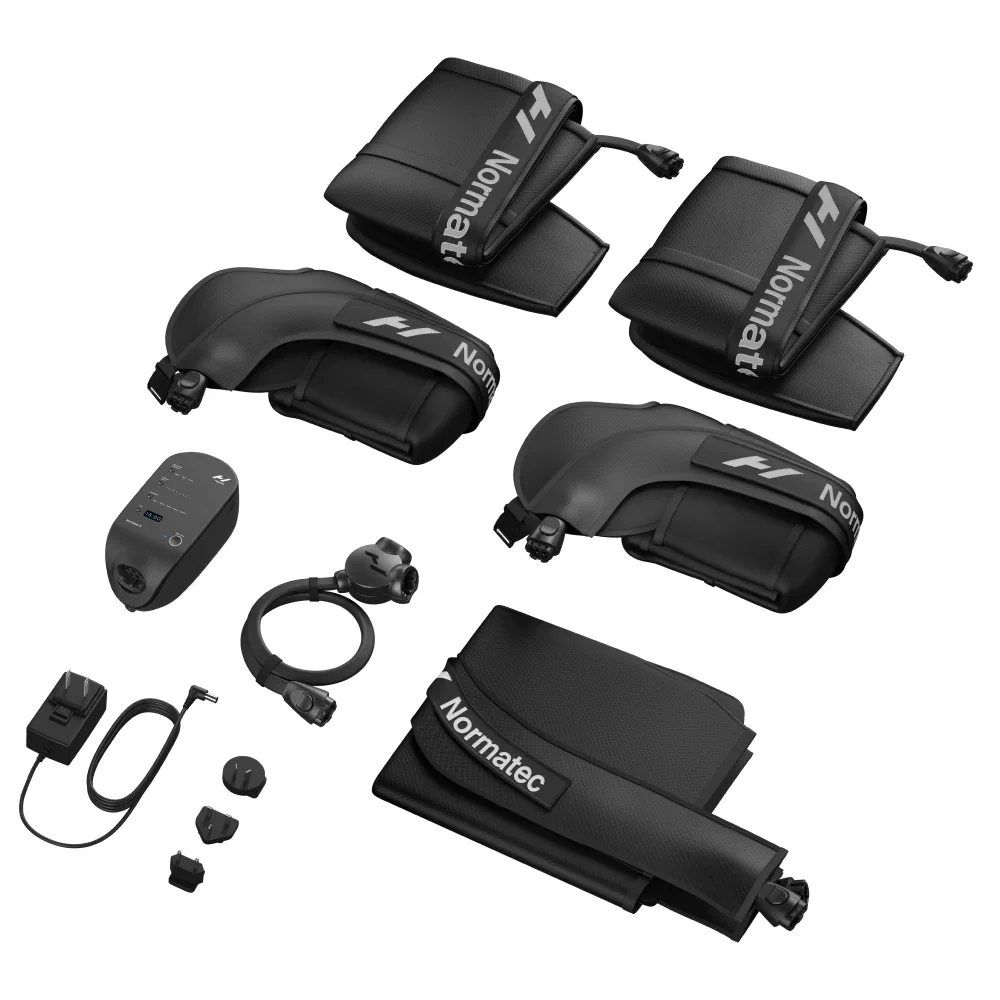
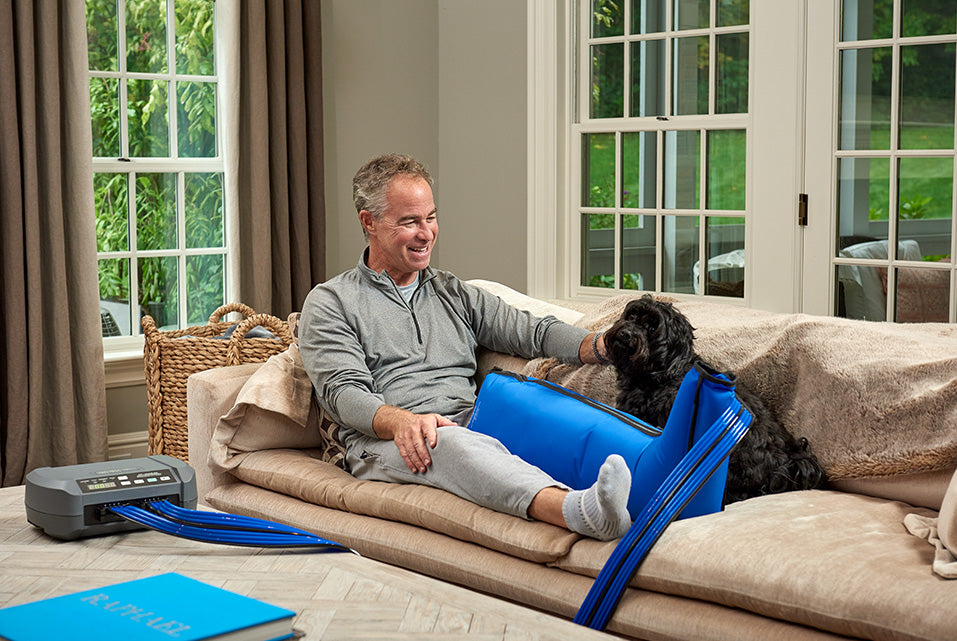
| Pneumatic recovery boots | After landing for heavy, tired legs in people who already tolerate compression | One-sided swelling, calf pain, suspected DVT, severe heart failure or PAD, active skin infection |
| Gentle walking and mobility | First-line recovery for nearly everyone | Severe pain, chest symptoms, faintness, or a new injury |
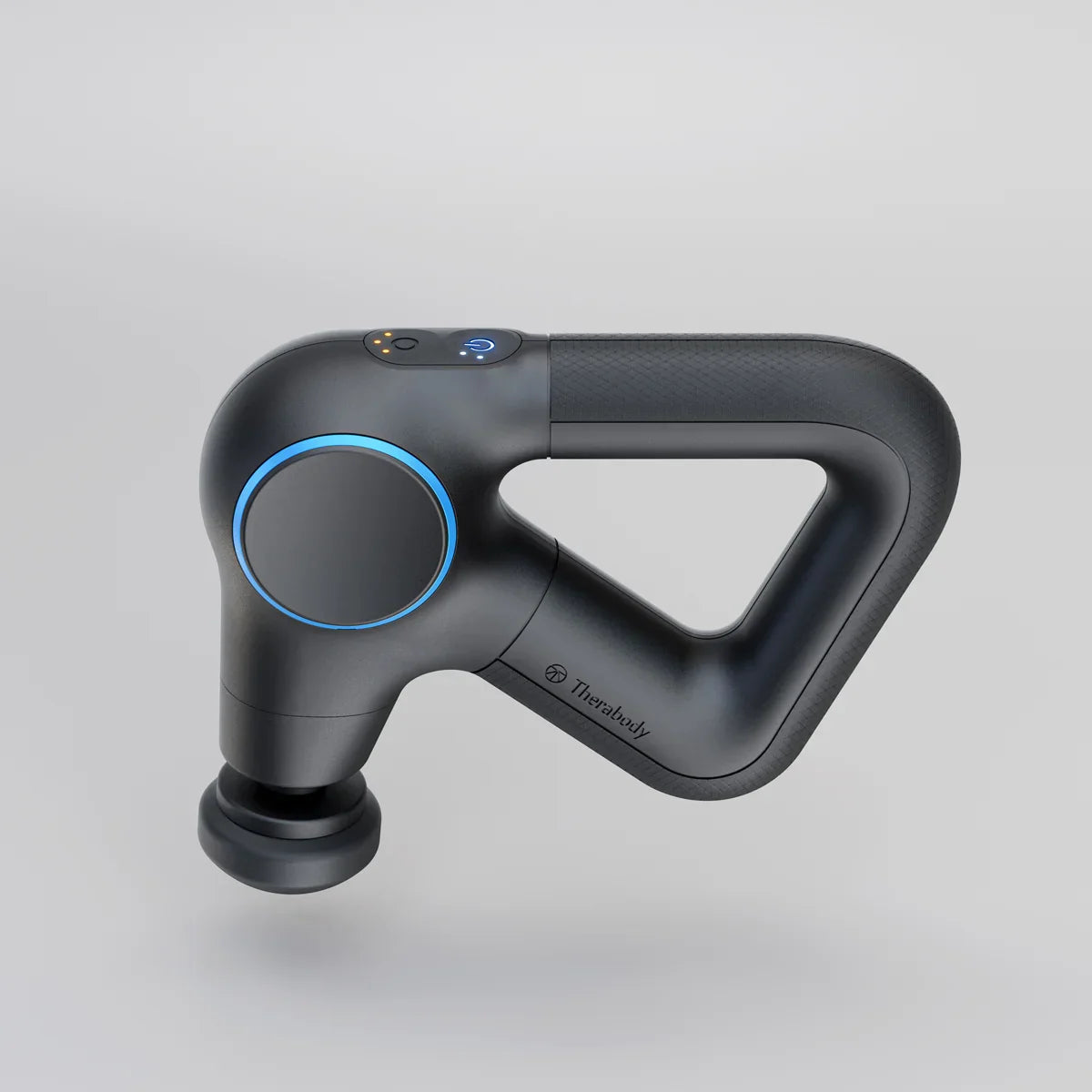
| Percussive massage | Local muscle tightness in quads, glutes, or upper back | Do not use directly over a swollen, red, hot, or painful calf |
Compression is not automatically safe for everyone. Medical guidance on risks and contraindications of compression treatment highlights situations needing caution or medical guidance, including severe peripheral arterial disease, severe cardiac insufficiency, local skin or soft-tissue infection, and pressure injury risk.
Resetting Sleep After a Long Flight
Live by the local clock as much as possible on arrival day. Get outdoor light after local morning wake-up. If you must nap, keep it to 20–30 minutes and avoid late-day naps. Use caffeine earlier in the day. Melatonin can help some travelers shift sleep timing, but people who are pregnant, taking medications, managing seizures, or dealing with complex medical conditions should ask a clinician before using it.
What to Avoid Right After a Long Flight
- Don't sit for another several hours without a movement break
- Don't do deep calf massage on a leg that's swollen, hot, red, or painful on one side
- Don't take aspirin for flight clot prevention unless your clinician told you to
- Don't nap for half the day unless you're willing to extend jet lag
- Don't use compression boots or tight garments to push through symptoms that might be medical
When Post-Flight Symptoms Are Not Normal
Seek urgent care for chest pain, shortness of breath, coughing blood, fainting, or a rapid heartbeat after travel — possible pulmonary embolism warning signs. Call a clinician promptly if one leg is much more swollen than the other, or if you have calf pain, tenderness, warmth, or redness on one side; don't massage or compress that leg. If you recently had surgery, have a clot history, active cancer, are pregnant or postpartum, or take estrogen-containing medication, get your flight recovery plan cleared before the trip.
Frequently Asked Questions
How can I recover faster after a long overnight flight?
Walk for 10 to 20 minutes after landing, drink water, eat a normal meal, get local daylight, and stay awake until a reasonable local bedtime. Keep the first workout easy.
What helps swollen feet after flying?
Gentle walking, ankle pumps, brief leg elevation, fluids, and properly fitted graduated compression socks can help mild two-sided swelling. One-sided swelling, calf pain, warmth, or redness is a medical warning sign.
Are compression socks good for long flights?
Properly fitted below-knee graduated compression socks can help, especially for people prone to swelling or with clot risk factors. Research reviewing multiple clinical trials supports their use for reducing symptomless DVT and leg swelling on flights longer than 4 hours.
Can I use recovery boots after a flight?
You can consider pneumatic recovery boots after landing if you tolerate compression well and only have general heavy-leg fatigue. Don't use them with suspected DVT symptoms, one-sided calf pain, severe circulation problems, or active infection.
Should I work out after a long flight?
Most people do better with an easy walk, mobility, or a light shakeout first. Save hard training for after you've slept, eaten, and rehydrated.
Is it normal for only one leg to hurt after flying?
No. One-sided calf pain, swelling, warmth, tenderness, or redness after a long flight should be checked by a medical professional.
Both the Normatec 3 Full Body and Rapid Reboot REGEN Complete are generally HSA/FSA-eligible with a Letter of Medical Necessity, which can help offset the cost of a dedicated travel-recovery setup.
Build a Practical Recovery Setup for Travel Days
Call (612) 360-2490 and talk to Your Health Sanctuary directly — we'll help you choose equipment that actually fits your recovery needs.
About the Author
Justin Webster is the owner of Your Health Sanctuary. Before founding his consulting company, he served as COO of a chain of 13 medical clinics, then spent his career helping build more than 20 additional niche medical clinics across the United States. Working alongside MDs, chiropractors and physical therapists introduced him to the clinical-grade equipment that practitioners actually prescribe. That background, combined with direct relationships with manufacturers including HealthLight and BIOFLEX, shapes how Your Health Sanctuary evaluates and recommends recovery technology. Justin personally owns and uses the HealthLight General Pain Relief Kit and the TheraFace Mask. Your Health Sanctuary sells primarily to medical professionals and clinicians, not consumer gadget buyers.
Related reading: The Ultimate Guide to Compression Sleeves for Legs and Unlocking Wellness with Compression Therapy
%0AYour%20flight%20lands%20at%206:40%20a.m.%20after%20nine%20hours%20in%20one%20seat.%20Your%20ankles%20feel%20tight,%20your%20low%20back%20is%20angry,%20and%20you%20have%20to%20be%20useful%20by%20lunch...)