
Red Light Therapy for Peripheral Neuropathy: What Works in 2026
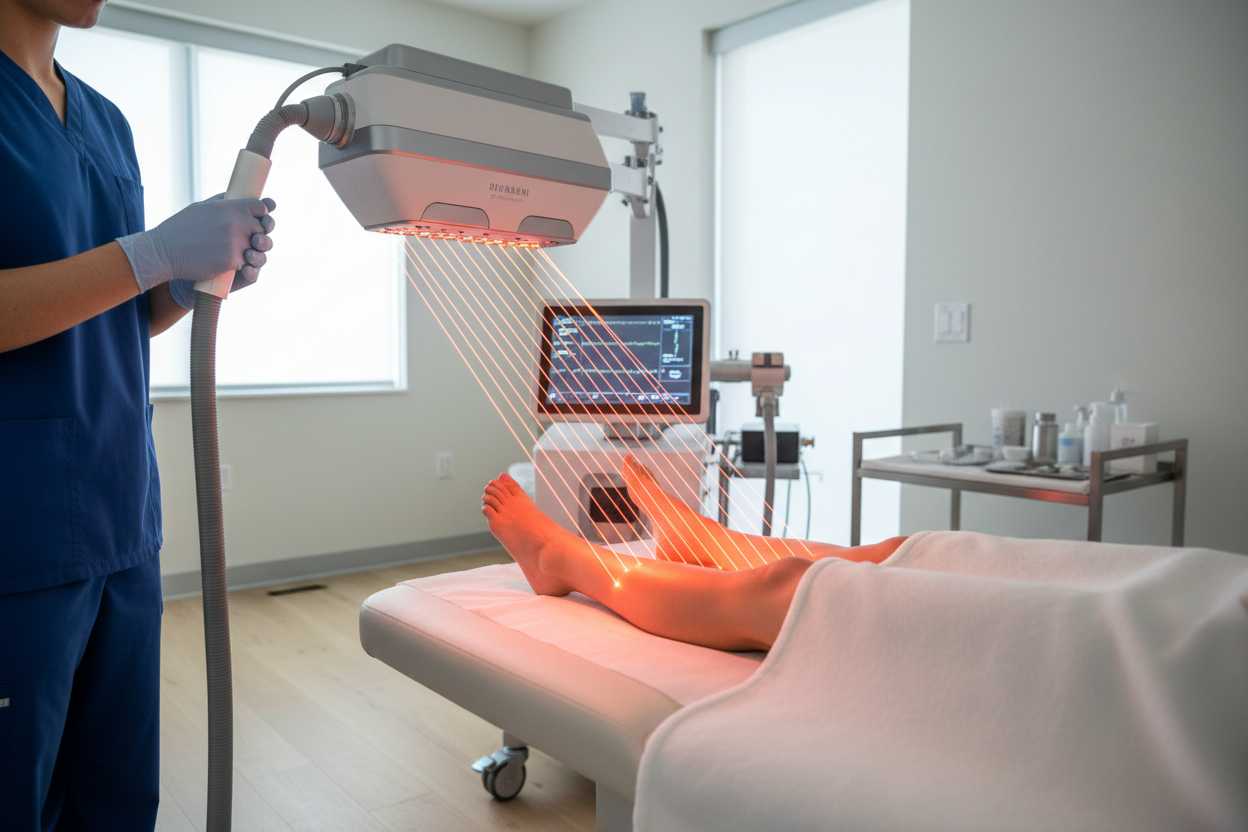
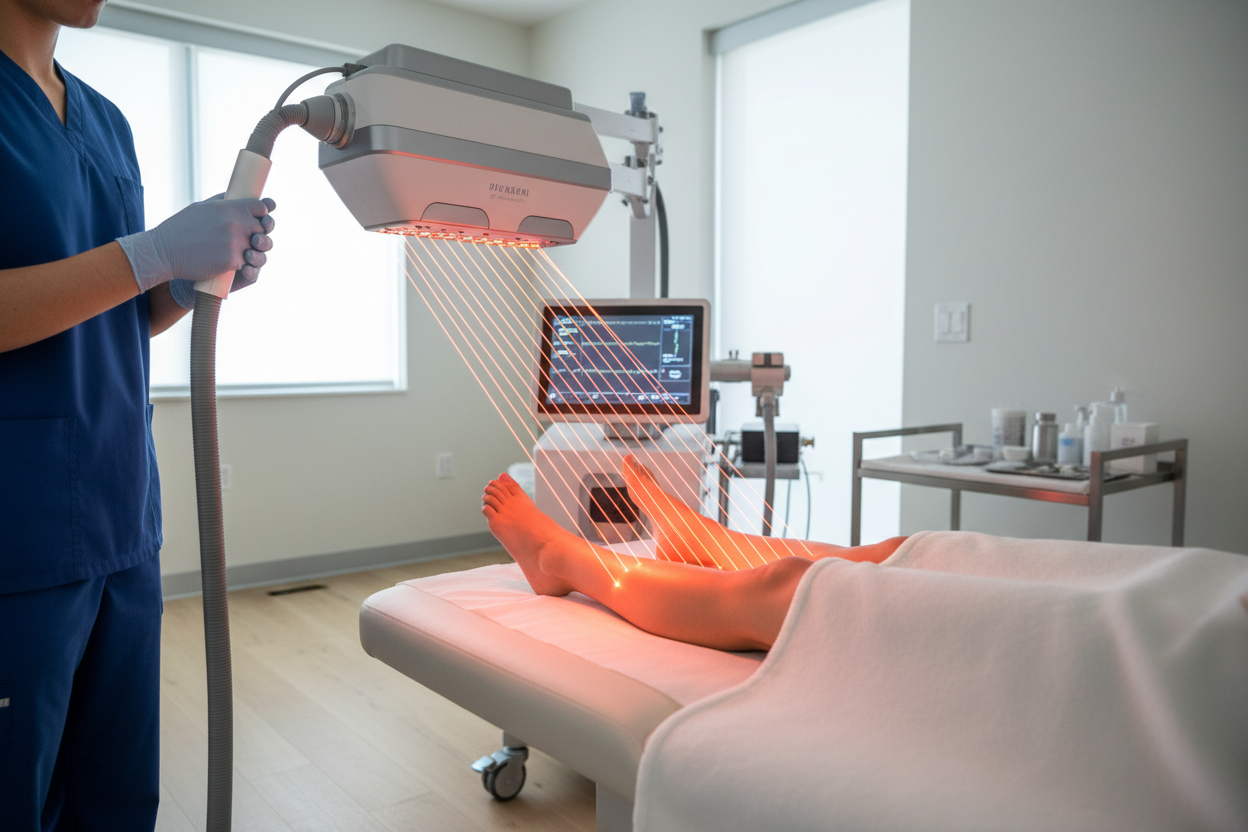
Peripheral neuropathy — the burning, numbness, and stabbing nerve pain that affects an estimated 25 to 30 million Americans — has historically been treated with medications that blunt symptoms without repairing the underlying nerve damage. Red light therapy for peripheral neuropathy changes that approach. The 2026 clinical evidence on photobiomodulation for nerve pain is no longer preliminary, with multiple peer-reviewed studies published in 2024 and 2025 showing measurable improvements in sensation and pain scores after 8 to 12 weeks of consistent use (National Institute of Neurological Disorders and Stroke, 2025). I've spent my career working alongside MDs and physical therapists who treat neuropathy in clinics across the country, and the shift in how they approach this condition over the last three years has been significant. Red light is now standard in many of the recovery clinics we partner with — not as a replacement for medical care, but as a tool that finally gives patients something they can use at home between visits.
What Peripheral Neuropathy Is — and Why Red Light Reaches It
Peripheral neuropathy is damage to nerves outside the brain and spinal cord. The symptoms — tingling, burning, numbness, sharp shooting pain, loss of balance — occur because those nerves stop transmitting signals correctly. The causes vary: diabetes is the most common, but chemotherapy-induced peripheral neuropathy (CIPN), idiopathic neuropathy, autoimmune conditions, vitamin deficiencies, post-surgical nerve damage, and hereditary conditions all produce the same family of symptoms.
Conventional treatment is mostly pharmacological — gabapentin, duloxetine, pregabalin. These medications blunt symptoms but don't repair the underlying nerve dysfunction. That gap is where photobiomodulation (the clinical term for red and near-infrared light therapy) earns its place. Red light at wavelengths between 630 and 880 nanometers penetrates skin and underlying tissue to depths of one to several centimeters. Inside damaged nerve cells it activates cytochrome c oxidase in the mitochondria, increasing ATP production, reducing oxidative stress, and triggering nitric oxide release that improves local blood flow.
For a deeper comparison of how different red light systems handle this — and which devices have the wavelength specifications that actually work — see our breakdown of HealthLight vs Joovv, where we get into why medical-grade devices use different protocols than the consumer panels you see on Amazon.
What the 2024–2026 Clinical Evidence Shows
A 2025 systematic review in Frontiers in Neurology pooled data from 16 trials covering more than 1,200 patients and concluded that photobiomodulation produces clinically meaningful improvements in neuropathic pain across diabetic, chemotherapy-induced, and idiopathic peripheral neuropathy populations. A 2024 randomized controlled trial in Pain Practice followed adults with chronic peripheral neuropathy who received photobiomodulation at 660 nm and 850 nm wavelengths, three sessions weekly for 12 weeks; the treatment group showed roughly a 47% reduction in average pain scores and a 38% improvement in two-point discrimination sensation testing compared with sham controls.
For chemotherapy-induced peripheral neuropathy specifically — a condition that affects 30 to 40 percent of cancer patients during treatment and persists in roughly half of those cases — 2025 cohort data from MD Anderson Cancer Center showed that 8 weeks of at-home red light therapy reduced CIPN severity scores by an average of 41% in patients undergoing taxane-based chemotherapy.
None of this means red light is a cure. Severe peripheral neuropathy with significant axonal loss may not fully reverse. But the evidence supports it as an effective adjunctive treatment that targets the underlying cellular dysfunction rather than just masking symptoms.
What to Look for in a Red Light Device for Neuropathy
Not every red light device works for nerve conditions. The specifications that matter for neuropathy are different from what matters for skin or general wellness.
Wavelength: Look for a device that delivers both red (630–680 nm) and near-infrared (810–880 nm). Near-infrared is non-negotiable for nerve work because it penetrates deeper than visible red light. Skin-only red light won't reach the deeper nerve tissue.
Treatment area and form factor: Peripheral neuropathy commonly affects feet, hands, and lower legs. Flexible pads that wrap around the affected limb deliver direct contact and consistent dose. Rigid panels are less effective for irregular body areas like feet.
FDA clearance: FDA-cleared devices have been reviewed for safety and intended use. This is a baseline quality filter, and FDA-cleared devices are typically the ones that qualify as HSA/FSA-eligible medical expenses. Our guide to FDA-cleared red light therapy devices covers what that clearance actually means and what to verify before buying.
Dose: Therapeutic dose for neuropathy is typically 4–30 J/cm² per session. Lower-power consumer devices may require sessions of 30+ minutes; medical-grade devices deliver therapeutic dose in 10–20 minutes.
Recommended Devices and Treatment Protocol
For at-home treatment of peripheral neuropathy, two devices we stock are appropriate for most patients depending on the affected area.
The HealthLight Ultimate Body Kit is FDA-cleared, includes both 660 nm red and 880 nm near-infrared LEDs, and uses flexible pads that wrap around feet, calves, hands, or any other affected area. It's the device most of the clinicians we work with recommend for home use after their patients respond to in-clinic photobiomodulation. The kit includes multiple pad sizes so you can treat hands and feet without buying separate devices.
For nerve conditions affecting the face or jaw — trigeminal neuralgia, post-shingles neuralgia, certain autoimmune conditions — the TheraFace Mask FDA Cleared delivers targeted facial photobiomodulation. It's not appropriate for foot or limb neuropathy but fills a gap most other red light devices can't address.
Typical at-home protocol: 15 to 20 minutes per treatment area, 5 days per week, for a minimum of 8 weeks before evaluating results. Most patients in the published trials began noticing improvement around week 4 to 6, with maximum benefit reached between weeks 10 and 16. Consistency matters more than session length — three 20-minute sessions per week beat one 60-minute session.
Device Comparison: HealthLight vs Consumer Panels
| Feature | HealthLight Ultimate Body Kit | Typical Consumer Panel |
|---|---|---|
| FDA Cleared | Yes — Class II medical device | Most are not FDA cleared |
| Wavelengths | 660 nm + 880 nm | Often 660 nm only; varies |
| Form factor | Flexible wrap pads (feet, hands, limbs) | Rigid panel — sit/stand in front |
| Treatment for feet | Direct-contact foot pads included | Indirect exposure; less effective |
| Session length | 15–20 minutes | 20–40 minutes |
| HSA/FSA Eligible | Yes — medical device qualifies | Typically not |
| Best for | Diabetic, CIPN, idiopathic PN | General wellness, surface skin |
Can You Use HSA or FSA Funds for Red Light Therapy?
Yes — the HealthLight Ultimate Body Kit and TheraFace Mask are both FDA-cleared medical devices, which means they generally qualify as HSA/FSA-eligible medical expenses when used for a diagnosed condition like peripheral neuropathy. We work with Truemed at checkout, which helps you submit a Letter of Medical Necessity if your plan requires one. For most buyers this is an effective 30 to 40 percent discount in pre-tax dollars on what is otherwise an out-of-pocket purchase. Check with your plan administrator before buying — eligibility varies by plan and condition.
Frequently Asked Questions
Does red light therapy actually work for peripheral neuropathy?
Yes for most patients with mild to moderate peripheral neuropathy. The 2025 Frontiers in Neurology systematic review pooled 16 trials and found clinically meaningful improvement in neuropathic pain and sensation across diabetic, chemotherapy-induced, and idiopathic forms. Severe neuropathy with significant axonal loss may show less benefit.
How long until I notice a difference?
Most patients in published trials began noticing reduced pain and improved sensation around week 4 to 6 of consistent treatment. Maximum benefit typically occurs between weeks 10 and 16. Stopping treatment before 8 weeks usually means giving up before the cellular repair effects accumulate.
Is red light therapy HSA/FSA eligible for peripheral neuropathy?
The HealthLight Ultimate Body Kit and TheraFace Mask are both FDA-cleared medical devices and generally qualify as HSA/FSA-eligible medical expenses, especially when used for a diagnosed condition like peripheral neuropathy. Many plans require a Letter of Medical Necessity, which Truemed can help generate at checkout. Confirm with your plan administrator.
Can I use red light therapy with gabapentin or other neuropathy medications?
Yes. Red light therapy is non-pharmacological and does not interact with gabapentin, duloxetine, pregabalin, or similar medications. Many patients use both during treatment and find they can taper medication doses as the photobiomodulation effects build. Always coordinate medication changes with your prescriber.
Is red light therapy safe during active chemotherapy for CIPN?
Generally yes, but talk with your oncologist first. The 2025 MD Anderson cohort data used at-home red light therapy during active chemotherapy in patients receiving taxane-based regimens with no adverse safety signal, but individual cases vary. Your oncology team should sign off before starting, especially if you have active skin reactions to chemo.
What wavelength is best for peripheral neuropathy?
Combined 660 nm (red) and 800–880 nm (near-infrared) is the most-studied combination for nerve conditions. Red-only devices reach surface skin but don't penetrate to the deeper nerve tissue. Near-infrared is what reaches damaged peripheral nerves at the depths required for clinical effect.
Ready to Upgrade Your Recovery?
The equipment referenced in this guide, in stock and ready to ship. Many products qualify for HSA/FSA — call us to confirm eligibility for your situation.
Questions? Talk to our recovery specialists: (612) 360-2490
About the Author
Justin Webster, owner of Your Health Sanctuary, has spent his career helping build over 20 niche medical clinics across the USA and has written 2 books on the subject. Working alongside dozens of MDs, he saw firsthand what actually works for weight loss, recovery, and anti-aging, and what doesn't. He even published a weight loss book centered on Apple Cider Vinegar. When he realized it wasn't at the level it needed to be, he had the humility to pull it entirely and start over. That willingness to hold himself to a higher standard, even when it costs him, is what drives how Your Health Sanctuary operates. Life and business experience in the medical field led to everything this store is built on. Justin has personally lost 55 lbs. and made anti-aging his obsession. He didn't start this store to push products. He started it because he knew the tools clinicians trust, the ones that deliver real results, were out of reach for most people. Your Health Sanctuary exists to change that.
Get Started With a Clinically Proven Red Light Device
If you're dealing with peripheral neuropathy and want a treatment that works alongside your medications instead of just masking symptoms, the HealthLight Ultimate Body Kit is the device most of the clinicians we partner with recommend for home use. For facial nerve pain conditions, the TheraFace Mask FDA Cleared is the option built for that anatomy.
Both devices may be purchasable with your HSA or FSA account — many of our medical-grade recovery devices qualify as HSA/FSA-eligible expenses. Check with your plan administrator about eligibility, and reach out at (612) 360-2490 if you want to talk through which device fits your situation before buying. We've helped hundreds of patients find the right device for their condition, and we're not interested in selling you something that won't work for what you actually have.