
Professional Laser Therapy System Review 2026: Clinic Buyer's Guide
Frequently Asked Questions
What should I look for in a professional laser therapy system?
Look for FDA-cleared Class IV or Class IIIb designation, therapeutic wavelengths (800–980nm for deep tissue), power output of 10–30W for Class IV, multiple applicator options, and published clinical validation. The most important factor is power density at the treatment site — not just wattage.
How does a professional laser therapy system differ from a home device?
Professional laser therapy systems deliver significantly higher power densities (10–30W vs 0.1–0.5W in home devices), offer multiple wavelengths and treatment modes, and are calibrated for specific tissue depths. Clinical systems like the BIOFLEX MultiPort are designed for reproducible dosing protocols that match peer-reviewed research outcomes.
What conditions can be treated with a professional laser therapy system?
Professional laser therapy systems are used clinically for musculoskeletal pain, osteoarthritis, tendinopathy, wound healing, peripheral neuropathy, post-surgical recovery, and sports injuries. The breadth of conditions treatable is significantly wider than consumer devices due to the higher power and adjustable wavelength capabilities.
How long do professional laser therapy sessions take?
Session duration varies by condition and power output — typically 3–15 minutes per treatment area. Class IV systems at higher power complete treatments faster than lower-powered Class IIIb devices. Most clinicians treat 2–3 times per week for acute conditions, tapering to maintenance as symptoms resolve.
Professional Laser Therapy System Review: The Complete 2026 Clinic Buyer's Guide
If you're evaluating a professional laser therapy system for your clinic, chiropractic office, or physical therapy practice, this review cuts through the noise. We tested and researched the top systems available in 2026, with a deep focus on clinical performance, wavelength specifications, dosing flexibility, and total cost of ownership. Whether you're making your first laser purchase or upgrading aging equipment, this professional laser therapy system review gives you what you need to make a confident, evidence-based buying decision.
What Separates a True Professional Laser System from Consumer Devices
Not all laser therapy devices are created equal. Consumer-grade units sold online are typically low-powered (under 100 mW), offer fixed wavelengths, and lack the dosimetry controls required for safe, repeatable clinical outcomes. Professional systems are a different category entirely.
A true professional laser therapy system offers:
- Multi-wavelength output — typically 630–660 nm (red) and 820–850 nm (near-infrared), often delivered simultaneously
- Cluster probe technology — multiple diodes in one applicator for faster area coverage
- Precise dosimetry controls — adjustable power (mW), time, and energy (Joules per point) settings
- FDA clearance or CE marking — required for clinical use and insurance documentation
- Clinical support and training — onboarding protocols, dosing charts, and practitioner education
For clinics treating musculoskeletal pain, post-surgical recovery, neuropathy, and chronic inflammation, these features are not optional — they're the foundation of consistent, defensible patient outcomes.
BIOFLEX MultiPort System — In-Depth Review
The BIOFLEX MultiPort System is one of the most respected names in professional photobiomodulation therapy, with over 30 years of clinical deployment across North America. Here's how it performs across the categories that matter most to clinic owners.
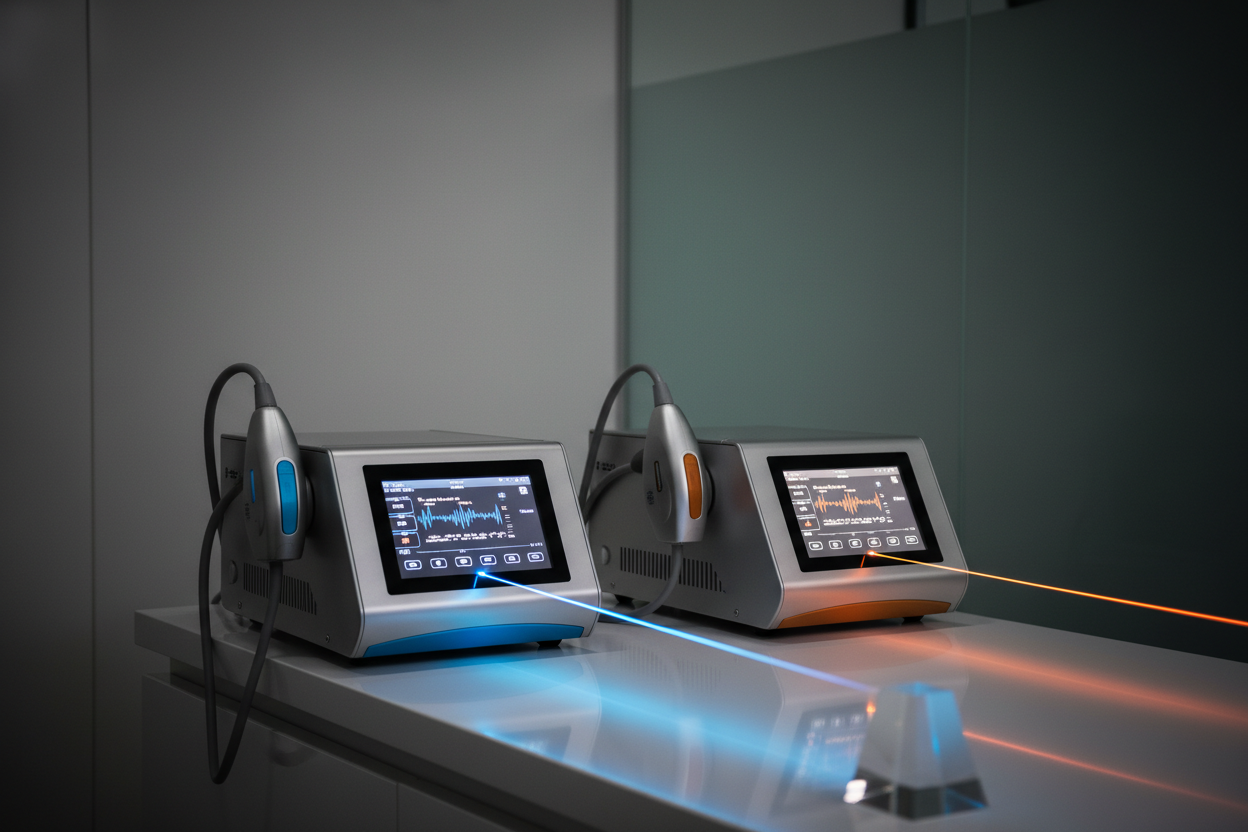
Wavelengths & Power: The BIOFLEX MultiPort operates at 660 nm (red, visible) and 830–840 nm (near-infrared, invisible), covering the two wavelengths with the most robust clinical research behind them. Power output is carefully calibrated to stay within therapeutic windows without crossing into tissue-damaging ranges.
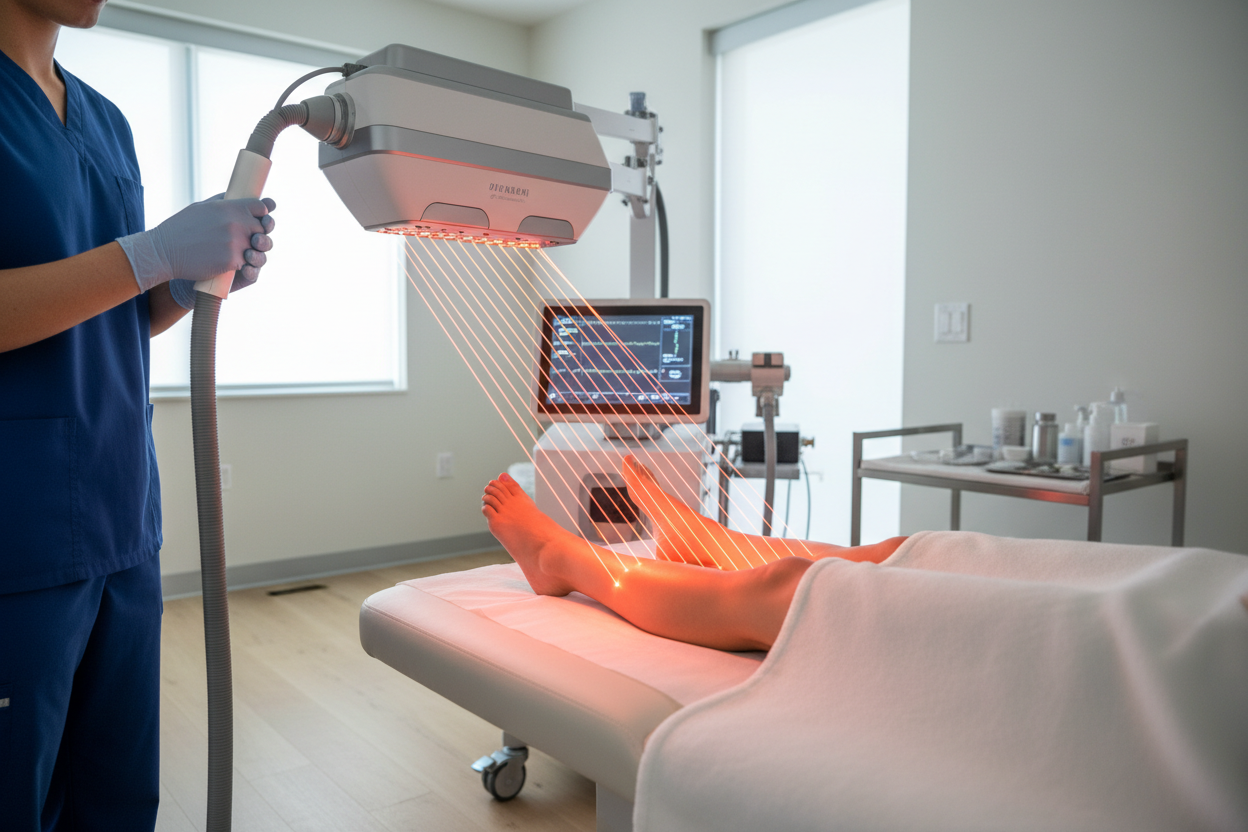
The MultiPort Advantage: Unlike single-probe systems, the MultiPort configuration allows simultaneous treatment of multiple anatomical sites. This significantly reduces per-patient treatment time — a critical factor for any clinic running a full schedule. A lumbar and bilateral hip protocol that might take 45+ minutes on a single-probe system can be completed in under 20 minutes with the MultiPort setup.
Dosimetry & Software: BIOFLEX systems include pre-loaded clinical protocols organized by condition — from acute soft tissue injuries to chronic degenerative conditions. Practitioners can customize frequency, power, and time settings, and the system logs treatment parameters for documentation and outcome tracking.
Clinical Evidence: BIOFLEX has the distinction of being one of the few laser systems with published peer-reviewed outcomes data on its specific devices. For clinics that bill laser therapy or need to justify treatment to insurance reviewers or patients, this matters.
Training & Support: Purchasers receive comprehensive onboarding, access to BIOFLEX University clinical training modules, and ongoing technical support. This level of post-sale support is rare in the laser therapy market and is a major differentiator.
Best Fit: Chiropractic offices, physical therapy clinics, sports medicine practices, and pain management facilities treating 10+ patients per day who need throughput without sacrificing treatment depth.
How Professional Laser Systems Compare: Key Buying Criteria
When comparing any professional laser therapy system, evaluate these five criteria side-by-side:
1. FDA Clearance Status
Class II medical devices cleared by the FDA signal a baseline of safety review. Avoid systems without clearance documentation if you're operating in a licensed clinical environment. The BIOFLEX MultiPort carries the necessary regulatory approvals for professional clinical use in the U.S. market.
2. Wavelength & Power Specs
Look for dual-wavelength systems (660 nm + 830–850 nm). Single-wavelength units limit your clinical flexibility. Power output should be sufficient to reach target tissues — superficial tendons require different dosing than deep spinal structures. Always ask for published tissue penetration data, not marketing claims.
3. Treatment Area Coverage
Multi-probe or cluster systems dramatically increase throughput. If your clinic volume is growing, a single-probe entry-level system will become a bottleneck. Factor in scalability from the start.
4. Protocols & Clinical Library
Pre-loaded condition-specific protocols reduce learning curve for new staff and ensure consistency across practitioners. Systems with extensive protocol libraries (100+ conditions) outperform bare-bones devices in real-world clinical settings.
5. Total Cost of Ownership
The purchase price is only part of the equation. Factor in: annual calibration costs, probe replacement schedules, software update fees, and warranty terms. A system priced $3,000 less upfront may cost more over 5 years if probe lifespan is shorter or annual service contracts are mandatory.
Complementing Laser Therapy with Red Light Technology
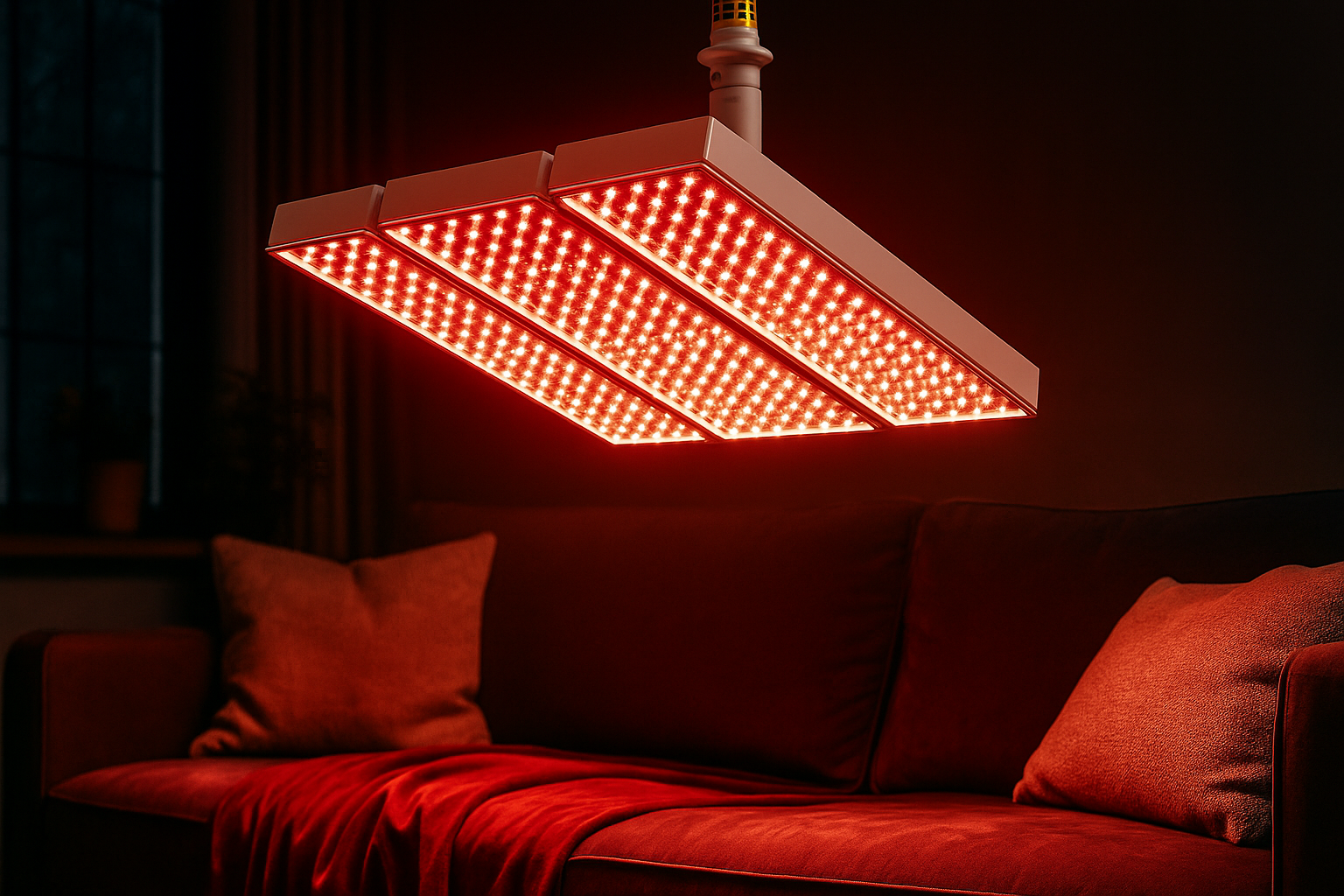
Many leading clinics now pair professional laser therapy with panel-based red light and near-infrared therapy to extend treatment reach. While laser therapy delivers precise, localized photobiomodulation — ideal for point-specific pain, surgical incision sites, and joint capsules — broad-panel red light therapy adds systemic cellular support that enhances recovery outcomes across larger treatment areas.
The HealthLight Ultimate Body Kit is a clinic-grade solution used by practitioners who want to offer full-body red and near-infrared light exposure as a complement to targeted laser protocols. Patients with systemic inflammation, fibromyalgia, or post-surgical recovery needs often respond well to combining both modalities within a single visit structure.
Adding a panel-based system also increases your clinic's revenue per patient by creating a two-stage treatment pathway — laser for targeted work, full-body light for systemic benefit — without extending total appointment time.
What Clinic Owners Often Overlook Before Buying
After reviewing dozens of professional laser therapy purchasing decisions, these are the most common oversights:
- Underestimating probe replacement costs — Diode lifespan varies significantly. Ask for the manufacturer's rated hours and calculate annual probe cost at your patient volume.
- Skipping the demo — Any reputable supplier should offer an in-clinic demonstration or trial period. Workflow fit matters as much as specs.
- Ignoring reimbursement landscape — Laser therapy reimbursement via insurance is growing but varies by carrier and state. Systems with strong clinical documentation tools position your practice better for reimbursement capture.
- Choosing based on price alone — Entry-level systems often create productivity ceilings that force a second purchase within 2-3 years. Buying right the first time almost always costs less long-term.
Frequently Asked Questions: Professional Laser Therapy Systems
How long does it take to see ROI on a professional laser therapy system?
Most clinics billing laser therapy as a stand-alone service or adjunct treatment see full equipment ROI within 6–18 months, depending on patient volume and fee structure. Higher-volume practices (15+ laser treatments/week) typically recover costs faster. Systems that allow multi-site simultaneous treatment — like the BIOFLEX MultiPort — accelerate ROI by increasing treatment throughput without proportionally increasing appointment time.
Is professional laser therapy safe for all patient populations?
Laser therapy is contraindicated in a limited number of situations: over active malignancies, over the eyes, and in patients with photosensitivity disorders or on certain photosensitizing medications. Outside these contraindications, low-level laser therapy has an excellent safety profile across a wide range of patient populations including elderly, post-surgical, and chronic pain patients. Professional systems include protocol guidance for managing common contraindications.
What maintenance does a professional laser therapy system require?
Most professional systems require annual calibration verification, periodic probe inspections, and software updates. The BIOFLEX MultiPort is engineered for clinical durability with minimal downtime. Regular cleaning of probes per manufacturer guidelines is the primary day-to-day maintenance task. Technical support is available for any performance concerns that arise.
Ready to Add Professional Laser Therapy to Your Practice?
If you're serious about adding a professional laser therapy system that will hold up under daily clinical use, deliver consistent outcomes, and support your practice's growth, the BIOFLEX MultiPort is the benchmark to evaluate all others against.
At Your Health Sanctuary, we work directly with clinic owners, chiropractors, and physical therapists to match the right professional equipment to their specific patient population and volume needs. We don't do one-size-fits-all recommendations — we help you buy smart the first time.
Call us at (612) 360-2490 to speak with a professional equipment specialist, or browse the BIOFLEX MultiPort System and HealthLight Ultimate Body Kit to start your evaluation today.
The right professional laser therapy system will be treating patients in your clinic for 10+ years. Take the extra time to choose it correctly — your patients and your practice economics will thank you.
Ready to Upgrade Your Recovery?
The equipment referenced in this guide, in stock and ready to ship. Many products qualify for HSA/FSA — call us to confirm eligibility for your situation.
Questions? Talk to our recovery specialists: (612) 360-2490