
Low Level Laser Therapy for Pain: The Complete 2026 Guide to Drug-Free Relief
Millions of Americans live with chronic pain, and the search for effective, non-addictive treatments has never been more urgent. Low level laser therapy (LLLT) — also called photobiomodulation or cold laser therapy — has emerged as one of the most promising drug-free pain relief technologies available today. With over 4,000 published clinical studies and growing FDA clearances, LLLT is finally getting the mainstream recognition it deserves.
Whether you're dealing with arthritis pain, recovering from a sports injury, managing neuropathy, or seeking professional-grade equipment for your clinic, this guide covers everything you need to know about low level laser therapy for pain in 2026 — how it works, what the science says, and which systems deliver real clinical results.
What Is Low Level Laser Therapy (LLLT)?
Low level laser therapy uses specific wavelengths of light — typically between 630nm and 1,000nm — to penetrate skin and tissue, triggering a cascade of biological responses at the cellular level. Unlike surgical lasers that cut or destroy tissue, LLLT operates at power levels that stimulate healing without generating heat or causing tissue damage. That's why it's often called "cold laser therapy."
The therapy works through a process called photobiomodulation (PBM): photons of light are absorbed by cytochrome c oxidase in the mitochondria of your cells, which kickstarts a chain reaction of beneficial effects.
How LLLT Relieves Pain: The Science
When laser light at the correct wavelength reaches damaged or inflamed tissue, several things happen simultaneously:
- ATP Production Boost — Mitochondria produce more adenosine triphosphate (ATP), the energy currency of cells, accelerating repair and regeneration.
- Inflammation Reduction — LLLT reduces pro-inflammatory cytokines (IL-1β, TNF-α) while increasing anti-inflammatory mediators, directly addressing the root cause of many pain conditions.
- Endorphin Release — The therapy stimulates the release of endorphins and enkephalins, your body's natural painkillers.
- Nerve Function Improvement — LLLT helps restore normal nerve conduction velocity in damaged nerves, which is critical for neuropathic pain conditions.
- Enhanced Blood Flow — Nitric oxide release causes vasodilation, improving circulation to the treatment area and accelerating the delivery of oxygen and nutrients.
What Conditions Does LLLT Treat?
Low level laser therapy has been studied — and shown efficacy — for a remarkably wide range of pain conditions. Here are the areas where the clinical evidence is strongest:
Musculoskeletal Pain
Osteoarthritis is one of the most well-studied applications of LLLT. Multiple meta-analyses have demonstrated significant pain reduction and improved function in knee, hip, and hand osteoarthritis. A landmark 2019 systematic review covering 22 randomized controlled trials found that LLLT produced clinically meaningful improvements in pain scores compared to placebo in osteoarthritis patients.
Chronic low back pain is another area where LLLT has shown consistent benefits. The therapy is particularly effective when targeting the paraspinal muscles and facet joints, with treatment protocols typically involving 8-12 sessions for optimal results.
Neck Pain and Cervical Conditions
The World Association for Photobiomodulation Therapy has identified neck pain as one of the strongest evidence-based applications for LLLT. Studies consistently show 40-60% pain reduction in chronic neck pain patients after a course of treatment.
Neuropathic Pain
For patients with diabetic neuropathy, post-surgical nerve damage, or carpal tunnel syndrome, LLLT offers particular promise. The therapy appears to promote nerve regeneration and restore normal sensory function — something few other non-invasive treatments can achieve.
Sports Injuries and Recovery
Professional sports teams and elite training facilities increasingly use LLLT for tendinopathy (Achilles, patellar, rotator cuff), muscle strains and tears, ligament sprains, and post-surgical rehabilitation. The therapy accelerates tissue repair while simultaneously managing pain, making it ideal for athletes who need to return to competition quickly without relying on NSAIDs that can impair tissue healing.
Fibromyalgia
Several clinical trials have demonstrated that LLLT can significantly reduce widespread pain and tender points in fibromyalgia patients. The therapy appears to work through both peripheral and central pain modulation mechanisms.
| Pain Condition | Evidence Level | Typical Pain Reduction | Sessions Needed |
|---|---|---|---|
| Knee Osteoarthritis | Strong (Level I) | 40-60% | 8-15 sessions |
| Chronic Neck Pain | Strong (Level I) | 40-60% | 10-15 sessions |
| Chronic Low Back Pain | Moderate (Level II) | 30-50% | 8-12 sessions |
| Tendinopathy | Moderate (Level II) | 40-70% | 6-12 sessions |
| Neuropathic Pain | Moderate (Level II) | 30-50% | 12-20 sessions |
| Fibromyalgia | Emerging (Level III) | 25-40% | 12-20 sessions |
| Rheumatoid Arthritis | Moderate (Level II) | 30-50% | 10-15 sessions |
LLLT vs. Other Pain Treatments: How Does It Compare?
Understanding where LLLT fits in the pain management landscape is critical for making informed treatment decisions. Here's how it stacks up against the most common alternatives:
| Factor | LLLT / Photobiomodulation | NSAIDs / Medications | Corticosteroid Injections | Physical Therapy Alone |
|---|---|---|---|---|
| Pain Relief Speed | Gradual (2-4 sessions) | Fast (30-60 min) | Fast (1-3 days) | Slow (2-4 weeks) |
| Addresses Root Cause | Yes — cellular repair | No — masks symptoms | Partially | Yes — mechanical |
| Side Effects | None known | GI bleeding, kidney/liver | Tissue weakening | Temporary soreness |
| Drug-Free | Yes | No | No | Yes |
| Long-Term Results | Months to years | Only while taking | 3-6 months | Good if maintained |
| Tissue Healing | Accelerates healing | May impair healing | May impair healing | Supports healing |
| Invasive? | Non-invasive | Oral | Needle injection | Non-invasive |
What to Look for in an LLLT Device for Pain
Not all laser therapy devices are created equal. The difference between a $200 consumer device and a professional-grade clinical system can be enormous in terms of therapeutic outcomes. Here are the critical specifications that determine whether an LLLT device will actually deliver meaningful pain relief:
Wavelength
The most clinically validated wavelengths for pain management fall into two categories: red light (630-670nm) for superficial tissue treatment and near-infrared (800-1,000nm) for deep tissue penetration. The best professional systems use multiple wavelengths simultaneously to treat both surface-level inflammation and deep tissue damage in a single session.
Power Output and Energy Density
This is where most consumer devices fall short. Effective LLLT for pain requires delivering sufficient energy density (measured in J/cm²) to the target tissue. Professional systems deliver 4-8 J/cm² at therapeutic depths, while many consumer devices struggle to deliver even 1 J/cm² — below the threshold for meaningful biological effects.
Treatment Area Coverage
Chronic pain conditions often involve large areas of tissue. A device that can only treat a 1 cm² spot will require impractically long treatment times. Professional systems with large-area applicators can treat an entire knee, shoulder, or back region efficiently.
Multi-Port Capability
Advanced clinical systems offer multiple treatment ports that can operate simultaneously, allowing practitioners to treat multiple sites or cover larger areas without extending session time. This is a game-changer for busy clinics and practices.
Professional vs. Consumer LLLT Devices
| Feature | Professional-Grade Systems | Consumer Devices |
|---|---|---|
| Power Output | 500mW - 15,000mW | 5mW - 100mW |
| Wavelengths | Multiple (660nm + 830nm + 840nm) | Usually single (660nm or 808nm) |
| Treatment Area | Large-area pads + probes | Small spot size |
| Energy Density | 4-8+ J/cm² at depth | Often <1 J/cm² |
| FDA Clearance | Yes (most models) | Varies widely |
| Clinical Evidence | Extensively studied | Limited data |
| Price Range | $3,000 - $25,000+ | $50 - $500 |
| Best For | Clinics, serious home users, athletes | Minor aches, supplemental use |
BIOFLEX Laser Therapy: The Gold Standard for Clinical Pain Management
Among professional LLLT systems, the BIOFLEX Laser Therapy System has established itself as one of the most clinically validated and widely used platforms worldwide. Developed in Canada with over 30 years of clinical research, BIOFLEX systems are used in thousands of clinics globally and have been the subject of numerous peer-reviewed studies.
Why the BIOFLEX MultiPort System Stands Out
The BIOFLEX MultiPort System represents the pinnacle of professional laser therapy technology. Here's what sets it apart for pain management:
- Dual-wavelength therapy — Combines 660nm (red) and 840nm (near-infrared) wavelengths for both superficial and deep tissue penetration, treating pain at multiple tissue depths simultaneously.
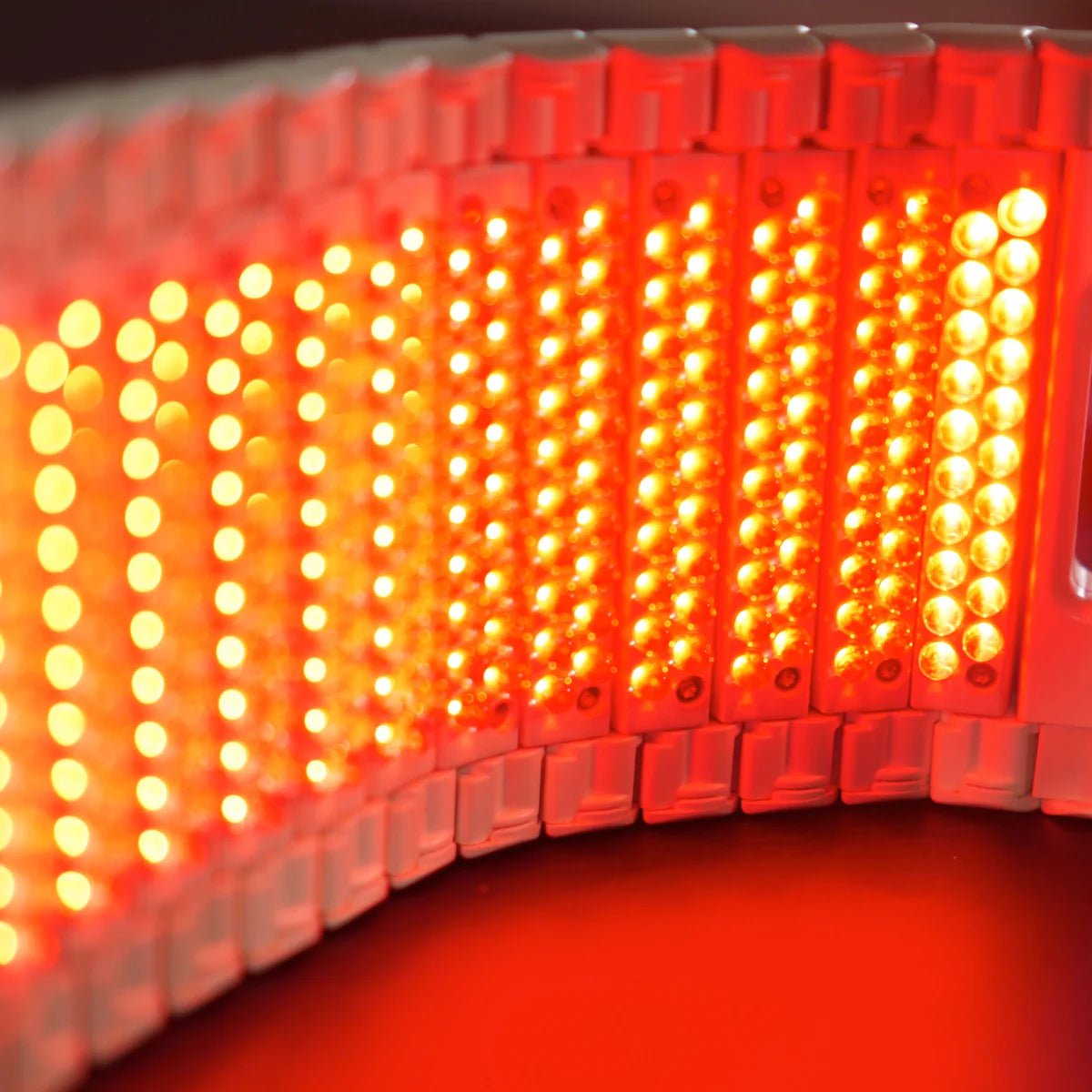
- Large-area flexible pads — Contour to body surfaces for uniform energy delivery across large treatment areas like backs, knees, and shoulders.
- Multi-port simultaneous treatment — Treat multiple pain sites at once, dramatically reducing session time while maximizing therapeutic coverage.
- Clinically validated protocols — Pre-programmed treatment protocols based on decades of clinical research for specific conditions including arthritis, back pain, neuropathy, and sports injuries.
- Professional-grade power output — Delivers the energy density required for meaningful tissue-level effects that consumer devices simply cannot match.
- 30+ years of clinical data — One of the most extensively researched laser therapy systems in the world.
LLLT Treatment Protocol: What to Expect
Typical LLLT Treatment Protocol for Pain
- Initial Assessment — Practitioner evaluates your pain condition, identifies treatment targets, and selects appropriate wavelengths and energy density settings.
- Preparation — Treatment area is cleaned and exposed. Protective eyewear is provided for both patient and practitioner.
- Laser Application — Flexible light-emitting pads and/or probe applicators are positioned over the treatment area. The laser delivers therapeutic light for 15-30 minutes depending on the condition and treatment area size.
- During Treatment — Most patients feel nothing or a mild, pleasant warmth. The therapy is completely painless — you can relax or read during the session.
- Post-Treatment — No downtime required. You can immediately return to normal activities. Some patients report feeling improvement after the first session, though optimal results typically require a full course of treatment.
Recommended Schedule: Most conditions respond best to 2-3 sessions per week for 4-6 weeks (8-18 total sessions). Maintenance sessions of once monthly can extend benefits long-term.
Who Should Consider LLLT for Pain?
Low level laser therapy may be an excellent option if you:
- Have chronic pain that hasn't responded well to conventional treatments
- Want to reduce or eliminate reliance on pain medications, especially NSAIDs or opioids
- Are an athlete recovering from injury who needs to maintain training intensity
- Have arthritis (osteo or rheumatoid) affecting your quality of life
- Suffer from neuropathy or nerve-related pain conditions
- Are a clinic owner or practitioner looking to add evidence-based pain management modalities
- Are pre- or post-surgical and want to accelerate healing while managing pain
- Have tendinopathy, bursitis, or repetitive strain injuries that limit your activities
Combining LLLT with Other Recovery Modalities
LLLT is powerful on its own, but it becomes even more effective when integrated with complementary recovery technologies. Many of the world's top sports medicine facilities and pain clinics use LLLT alongside:
Compression therapy improves circulation and reduces swelling, complementing LLLT's anti-inflammatory effects. Devices like the Bio Compression SC-2008-DL system pair exceptionally well with laser therapy for post-injury and post-surgical recovery protocols.
Percussive therapy addresses muscular tension and trigger points that often accompany chronic pain conditions. Using a device like the Theragun Pro Plus G6 before or after LLLT sessions can enhance overall outcomes by addressing both neurological pain pathways and mechanical tissue restrictions.
Frequently Asked Questions About LLLT for Pain
Is low level laser therapy FDA cleared for pain?
Yes. Multiple LLLT devices have received FDA clearance (510(k)) for the temporary relief of minor muscle and joint pain, arthritis, muscle spasm, and stiffness. Professional-grade systems like the BIOFLEX MultiPort System are FDA cleared for pain management applications. It's important to note that FDA "clearance" (510(k)) means the device has been demonstrated to be safe and substantially equivalent to legally marketed devices — this is the standard pathway for most medical devices.
How quickly does LLLT relieve pain?
Response times vary by condition and individual. Some patients report noticeable pain reduction after the first 1-2 sessions, while others may need 4-6 sessions before experiencing significant improvement. Chronic conditions that have been present for years typically require a full course of 12-18 treatments for optimal results. The pain relief from LLLT tends to be cumulative — each session builds on the previous one as tissue healing progresses.
Are there any side effects of low level laser therapy?
LLLT has an exceptional safety profile. In over four decades of use and thousands of clinical studies, no serious adverse effects have been reported. Some patients experience mild, temporary sensations at the treatment site (slight warmth or tingling), which typically resolve within minutes. LLLT is contraindicated over cancerous lesions, directly over the eyes (protective eyewear is always used), and should be used with caution during pregnancy. Always consult with a qualified healthcare provider before starting treatment.
How is LLLT different from red light therapy?
While both use light for therapeutic purposes, there are key differences. LLLT uses coherent laser light at precise wavelengths with carefully controlled energy density, while many "red light therapy" panels use LED (non-coherent) light over broader wavelength ranges. Professional LLLT systems are medical devices with FDA clearance, clinical protocols, and specific dosing parameters. That said, both operate on the principle of photobiomodulation. The BIOFLEX system, for example, uses both laser and superluminous diode technology to combine the benefits of both approaches.
Can I use LLLT at home, or do I need to visit a clinic?
Both options exist. Professional clinic treatments with high-powered systems like the BIOFLEX MultiPort System will generally deliver the fastest and most dramatic results due to their superior power output and clinical expertise. However, professional-grade home systems are now available for patients who need ongoing treatment or who live far from a clinic. Consumer-grade devices can provide supplemental benefit for mild conditions but typically lack the power to treat deep tissue or chronic conditions effectively.
How much does low level laser therapy cost?
Clinic-based LLLT sessions typically range from $50-$150 per session, with a full course of 10-15 sessions costing $500-$2,250. Some insurance plans and HSA/FSA accounts cover LLLT. For practitioners looking to add LLLT to their practice, professional systems range from $3,000-$25,000+ depending on capabilities. The BIOFLEX MultiPort System is a professional-grade investment that typically pays for itself within the first few months of clinical use through patient treatment revenue.
What's the difference between "cold laser" and "hot laser" therapy?
"Cold laser" (LLLT) uses low-power laser light (typically under 500mW for Class 3B devices) that does not generate significant heat in tissue. It stimulates healing and reduces pain through photobiomodulation. "Hot laser" or high-power laser therapy (Class IV) uses much higher power levels (often 10-60W) that can generate thermal effects in tissue. While Class IV lasers can also have photobiomodulation effects, they carry a higher risk profile and require more careful application to avoid thermal injury. LLLT's safety profile is one of its greatest advantages.
Ready to Experience Drug-Free Pain Relief?
Your Health Sanctuary carries the most clinically validated laser therapy and recovery systems available. Our recovery specialists can help you choose the right technology for your specific pain condition.
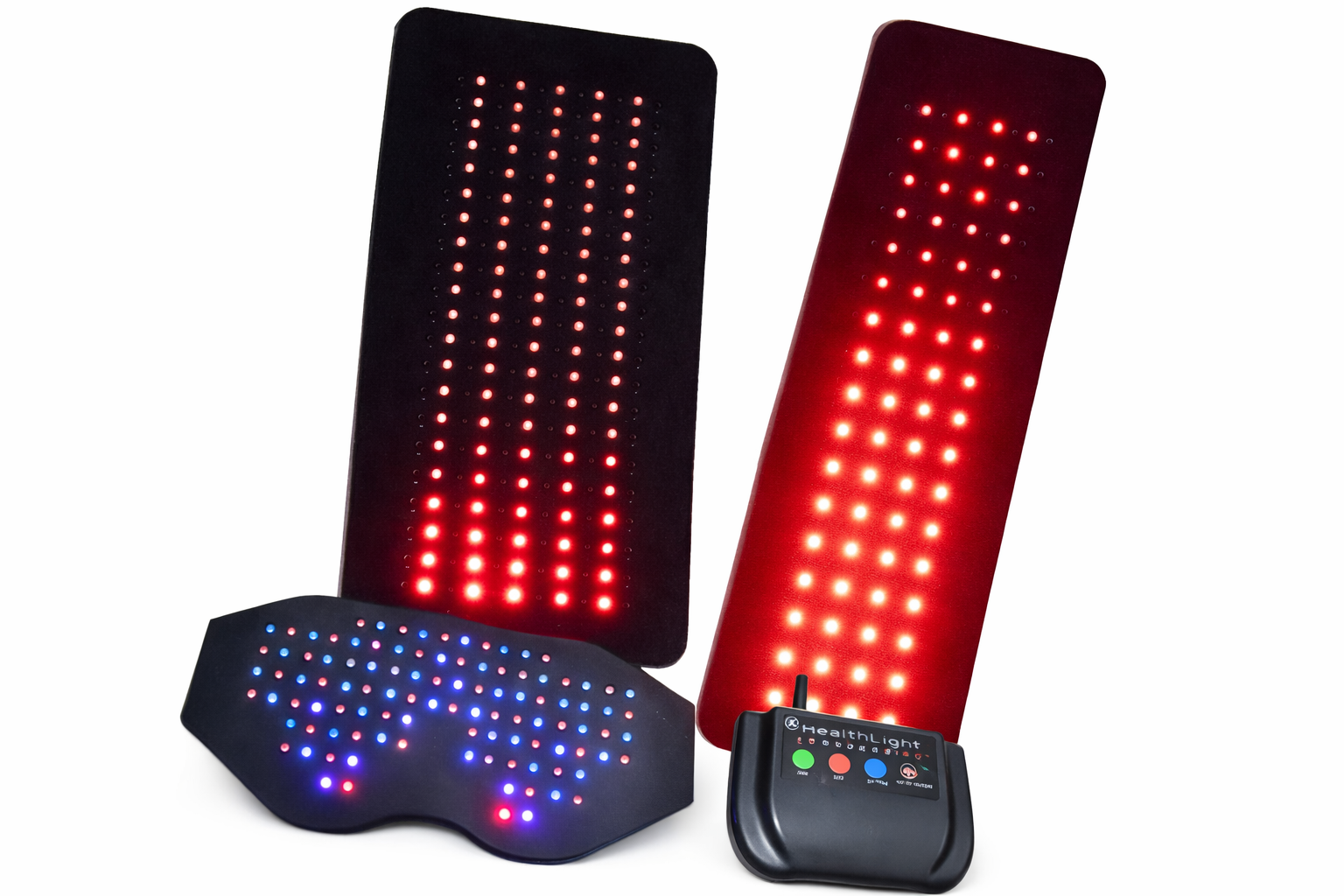
Shop BIOFLEX MultiPort System Shop HealthLight Ultimate Body KitQuestions? Our recovery specialists are standing by:
Continue Your Research
Clinical References
- Bjordal JM, et al. "A systematic review of low level laser therapy with location-specific doses for pain from chronic joint disorders." Australian Journal of Physiotherapy. 2003;49(2):107-116.
- Chow RT, et al. "Efficacy of low-level laser therapy in the management of neck pain: a systematic review and meta-analysis of randomised placebo or active-treatment controlled trials." The Lancet. 2009;374(9705):1897-1908.
- Huang Z, et al. "Effectiveness of low-level laser therapy in patients with knee osteoarthritis: a systematic review and meta-analysis." Osteoarthritis and Cartilage. 2015;23(9):1437-1444.
- Hamblin MR. "Mechanisms and applications of the anti-inflammatory effects of photobiomodulation." AIMS Biophysics. 2017;4(3):337-361.
- de Freitas LF, Hamblin MR. "Proposed mechanisms of photobiomodulation or low-level light therapy." IEEE Journal of Selected Topics in Quantum Electronics. 2016;22(3):7000417.
Frequently Asked Questions
How effective is low level laser therapy for pain?
Low level laser therapy (LLLT) has strong clinical evidence for pain reduction across multiple conditions. A 2009 Cochrane-cited meta-analysis found LLLT reduced neck pain by 22.2 mm on a 100mm VAS scale versus placebo. For musculoskeletal conditions broadly, a 2017 systematic review found 70% of studies reported positive pain outcomes. LLLT's mechanism — reducing prostaglandins, increasing endorphins, and improving microcirculation — makes it effective for both acute and chronic pain without the side effects of pharmacological pain management.
What conditions does low level laser therapy treat for pain?
LLLT is clinically validated for neck pain, low back pain, knee osteoarthritis, tennis elbow (lateral epicondylitis), Achilles tendinopathy, carpal tunnel syndrome, temporomandibular joint pain, post-surgical pain, and peripheral neuropathic pain. It is most effective when applied directly to the pain generator rather than referred pain sites, and works best as part of a multimodal approach including manual therapy or exercise.
How many low level laser therapy sessions are needed for pain relief?
Most clinical protocols use 8–12 sessions over 2–4 weeks for acute pain conditions. Chronic pain conditions typically require 15–20 sessions, with maintenance treatments every 2–4 weeks thereafter. Unlike pharmaceutical pain management, LLLT effects are cumulative — each session builds on the last. Research shows sustained pain relief lasting 4–8 weeks after a completed course, even without maintenance sessions.
Is low level laser therapy for pain safe?
LLLT has an excellent safety record with no documented systemic adverse effects. Contraindications are primarily: direct irradiation over active malignancies, pregnancy (over the abdomen/pelvis), epilepsy (near the eyes), and direct eye exposure without appropriate eyewear. It can be used safely alongside medications, manual therapy, and most other rehabilitation interventions. The non-thermal, non-invasive nature makes it appropriate even for fragile or immunocompromised patients.
Ready to Upgrade Your Recovery?
The equipment referenced in this guide, in stock and ready to ship. Many products qualify for HSA/FSA — call us to confirm eligibility for your situation.
Questions? Talk to our recovery specialists: (612) 360-2490