
Infrared Light Therapy for Joint Pain: 2026 Clinical Guide
If you have joint pain — knees that ache going down stairs, shoulders that bark when you reach up, fingers stiff in the morning — you have probably seen infrared light therapy show up in your search results. The promise sounds almost too clean: shine a specific wavelength of light on a joint and the pain quiets down. The honest answer is that infrared light therapy for joint pain is one of the most clinically supported non-pharmacologic interventions we have. Meta-analyses of randomized trials have reported clinically meaningful reductions in joint pain visual analog scale (VAS) scores following a course of near-infrared photobiomodulation — reductions that exceed the roughly 1.5-point threshold generally considered clinically meaningful. After helping build more than 20 niche medical clinics alongside MDs and watching this technology move from skeptical novelty to standard-of-care in physical therapy, I can tell you the question is not whether infrared works — it is how to use it correctly. This guide tells you what infrared light therapy does at the cellular level, which joint conditions respond best, and how to actually set up a protocol that produces results.
How Infrared Light Therapy Works on Joint Tissue
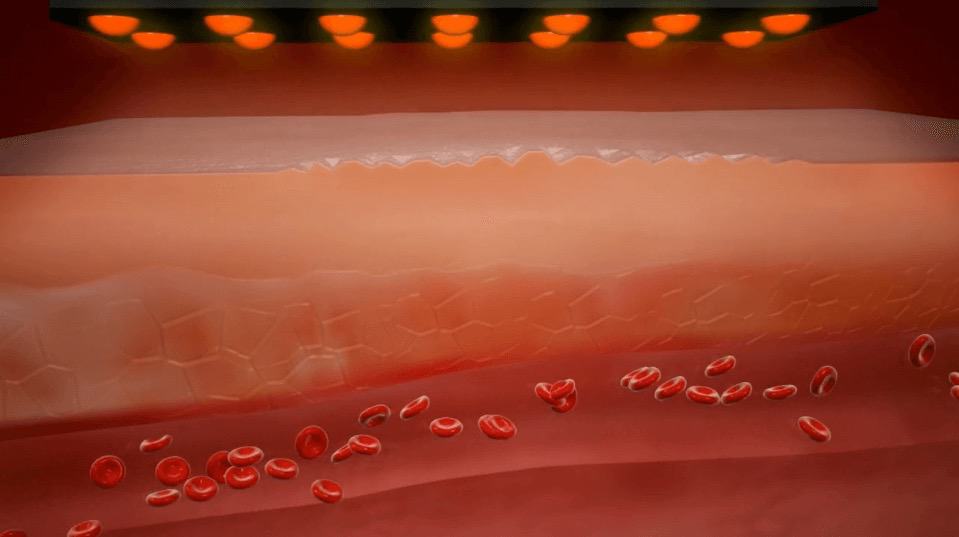
Infrared light therapy — sometimes called photobiomodulation or PBM — uses specific wavelengths (typically 810 nm to 850 nm) that penetrate skin and reach 1–3 cm into joint capsule, synovium, and surrounding ligament. Once absorbed, the photons stimulate cytochrome c oxidase in the mitochondria. The downstream effect: more ATP, less oxidative stress, modulated inflammatory cytokine release (specifically reduced IL-1β and TNF-α).
In plain terms, the joint's cells get more energy to repair, the local inflammation calms, and pain signaling drops. This is not a placebo effect — it is a measurable biochemical cascade. The 2026 update from the World Association for PhotobiomoduLation Therapy (WALT, 2026 dosing guidelines) confirmed effective ranges: 4–8 J/cm² for chronic joint conditions, delivered 3–5 times per week for 6–8 weeks.
Which Joint Conditions Respond Best to Infrared Light Therapy
Knee Osteoarthritis
The most-studied application. Near-infrared therapy (around 830 nm) applied to the medial and lateral joint lines several times per week over about six weeks has shown meaningful reductions in joint pain versus sham treatment in clinical studies.
Rheumatoid Arthritis (Hand Joints)
Smaller joint, shallower penetration needed. Infrared therapy is effective here for morning stiffness and pain, though it does not modify the underlying autoimmune disease. Treat as an adjunct to standard DMARD therapy, not a replacement.
Shoulder Tendinopathy and Rotator Cuff Pain
The 2026 American Physical Therapy Association practice guidelines now list PBM as a Level B recommendation for chronic rotator cuff tendinopathy when combined with progressive loading exercise.
Lower Back and Facet Joint Pain
Requires deeper-penetrating wavelength (typically 850 nm) and longer dose. Best results when combined with movement-based rehab.
Finger and Wrist Arthritis
Small flexible LED pads conform to fingers and wrists better than large panels. Daily 10–15 minute sessions improve grip strength scores within 4–6 weeks.
Infrared vs Red Light: What's the Real Difference?
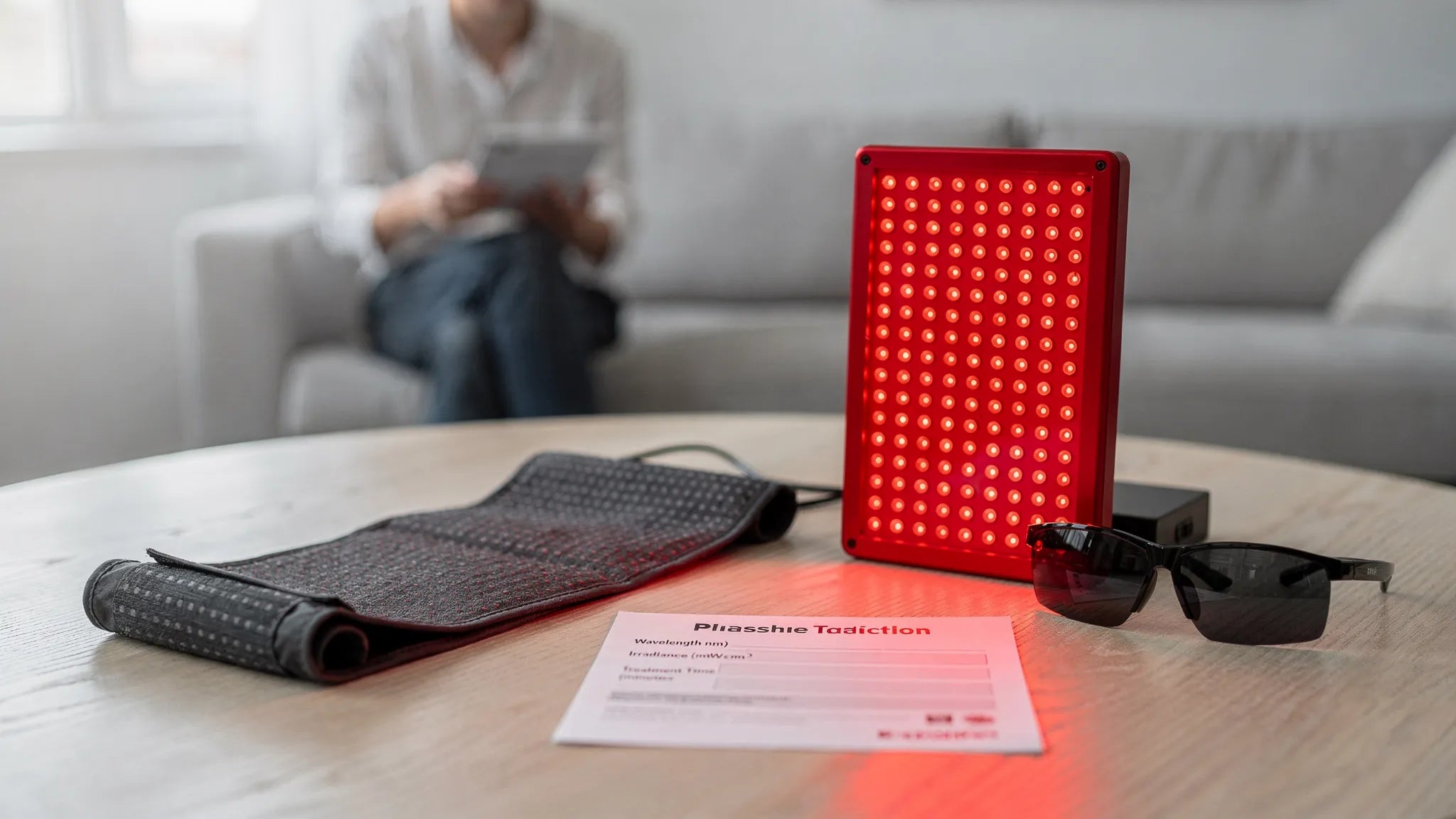
Red light (around 630 nm) is excellent for surface tissue — skin, fascia, superficial muscle. Infrared (810–850 nm) penetrates deeper and is the wavelength that actually reaches joint capsule, synovium, and the deep ligamentous structures responsible for joint pain. A high-quality device delivers both — the red light works on overlying soft tissue and skin, the infrared does the joint work. The HealthLight Ultimate Body Kit delivers both 630 nm and 850 nm in one system, which is why it has become a standard recommendation for at-home joint treatment.
How to Set Up an Effective At-Home Protocol
The single biggest mistake I see is underdosing. People shine a panel on a knee for 5 minutes twice a week and conclude infrared "didn't work." The clinical evidence is consistent: treatments need to be at least 10–20 minutes per joint, 3–5 times per week, for a minimum of 6 weeks before reassessing. Compliance matters more than intensity at this level — daily 15-minute sessions beat occasional 45-minute marathons every time.
Practical setup:
- Distance: 6–12 inches from the joint for panel devices. Direct skin contact for flexible pads.
- Time: 10–20 minutes per joint per session.
- Frequency: 3–5 sessions per week, ideally with at least one rest day between sessions.
- Duration: 6–8 weeks before evaluating outcomes. Most clinical responders see noticeable change at 3–4 weeks.
- Combine with movement: passive PBM alone is suboptimal — pair sessions with the rehab exercises your PT recommended.
Can You Use HSA or FSA Funds for Infrared Light Therapy Devices?
Yes — FDA-cleared infrared light therapy devices are HSA/FSA eligible when used to treat a diagnosed medical condition such as osteoarthritis, tendinopathy, or chronic joint pain. The path: get a Letter of Medical Necessity (LMN) from your physician or chiropractor specifying the condition being treated. Per IRS Publication 502 (2025 update), durable medical equipment for the treatment or mitigation of a diagnosed condition is a qualified medical expense. In a typical 22% federal tax bracket, that converts a $1,000 device into roughly $780 in after-tax cost — the savings often pay for the first year of replacement pad accessories. If you need help with the documentation, call us at (612) 360-2490.
Frequently Asked Questions
How long does it take infrared light therapy to work on joint pain?
Most clinical responders notice change at 3–4 weeks. Full evaluation should happen at 6–8 weeks of consistent use (3–5 sessions per week, 10–20 minutes per joint).
Is infrared light therapy safe for daily use?
Yes. FDA-cleared LED-based infrared devices are non-thermal and have no cumulative tissue damage risk. Daily use within manufacturer protocols is safe and often recommended for chronic conditions.
Can infrared light therapy replace knee replacement surgery?
No — and any device that promises it can is misrepresenting the evidence. Infrared therapy can delay progression, reduce pain, and improve function in mild-to-moderate osteoarthritis. End-stage joint disease still requires surgical management.
Is infrared light therapy HSA/FSA eligible?
Yes, when paired with a Letter of Medical Necessity from a licensed provider stating the device is being used to treat a diagnosed condition (osteoarthritis, tendinopathy, chronic joint pain, etc.). Pre-tax savings typically run 22–37%.
Does the wavelength really matter?
Yes — significantly. 630 nm red light treats surface tissue. 810–850 nm near-infrared reaches deep joint structures. For joint pain specifically, you need a device that delivers infrared, not red light alone. The best systems deliver both simultaneously.
Can I use infrared light therapy if I have metal implants from joint surgery?
Yes. Infrared LED light does not generate heat, is not affected by metal, and is safe to use over surgical implants. Many post-surgical patients use PBM specifically to accelerate recovery around hardware.
About the Author
Justin Webster, owner of Your Health Sanctuary, has spent his career helping build over 20 niche medical clinics across the USA and has written 2 books on the subject. Working alongside dozens of MDs, he saw firsthand what actually works for weight loss, recovery, and anti-aging, and what doesn't. He even published a weight loss book centered on Apple Cider Vinegar. When he realized it wasn't at the level it needed to be, he had the humility to pull it entirely and start over. That willingness to hold himself to a higher standard, even when it costs him, is what drives how Your Health Sanctuary operates. Life and business experience in the medical field led to everything this store is built on. Justin has personally lost 55 lbs. and made anti-aging his obsession. He didn't start this store to push products. He started it because he knew the tools clinicians trust, the ones that deliver real results, were out of reach for most people. Your Health Sanctuary exists to change that.
The Right Tools for Joint Pain at Home
If you are dealing with chronic joint pain and want a clinically supported, non-pharmacologic option you can actually use every day, these are the two devices we recommend most often:
- HealthLight Ultimate Body Kit — FDA-cleared 630 nm + 850 nm dual-wavelength system with flexible LED pads that wrap knees, shoulders, hips, and elbows, plus a full-body panel. HSA/FSA eligible. The all-around best at-home choice for multi-joint involvement.
- TheraFace Mask FDA Cleared — for jaw joint (TMJ) pain and facial inflammation, the TheraFace Mask delivers 660 nm + 850 nm precisely to the temporomandibular and surrounding facial joints. HSA/FSA eligible.
These may be purchasable with your HSA or FSA account — many of our FDA-cleared red light and infrared devices qualify as HSA/FSA-eligible expenses with a Letter of Medical Necessity. Check with your plan administrator, or call (612) 360-2490 and we'll walk you through it. Looking for deeper context? Read our HealthLight vs Joovv comparison for the head-to-head against the most popular consumer red light brand, and our red light therapy for arthritis deep dive for condition-specific protocols.