
How to Choose a Red Light Therapy Bed Provider
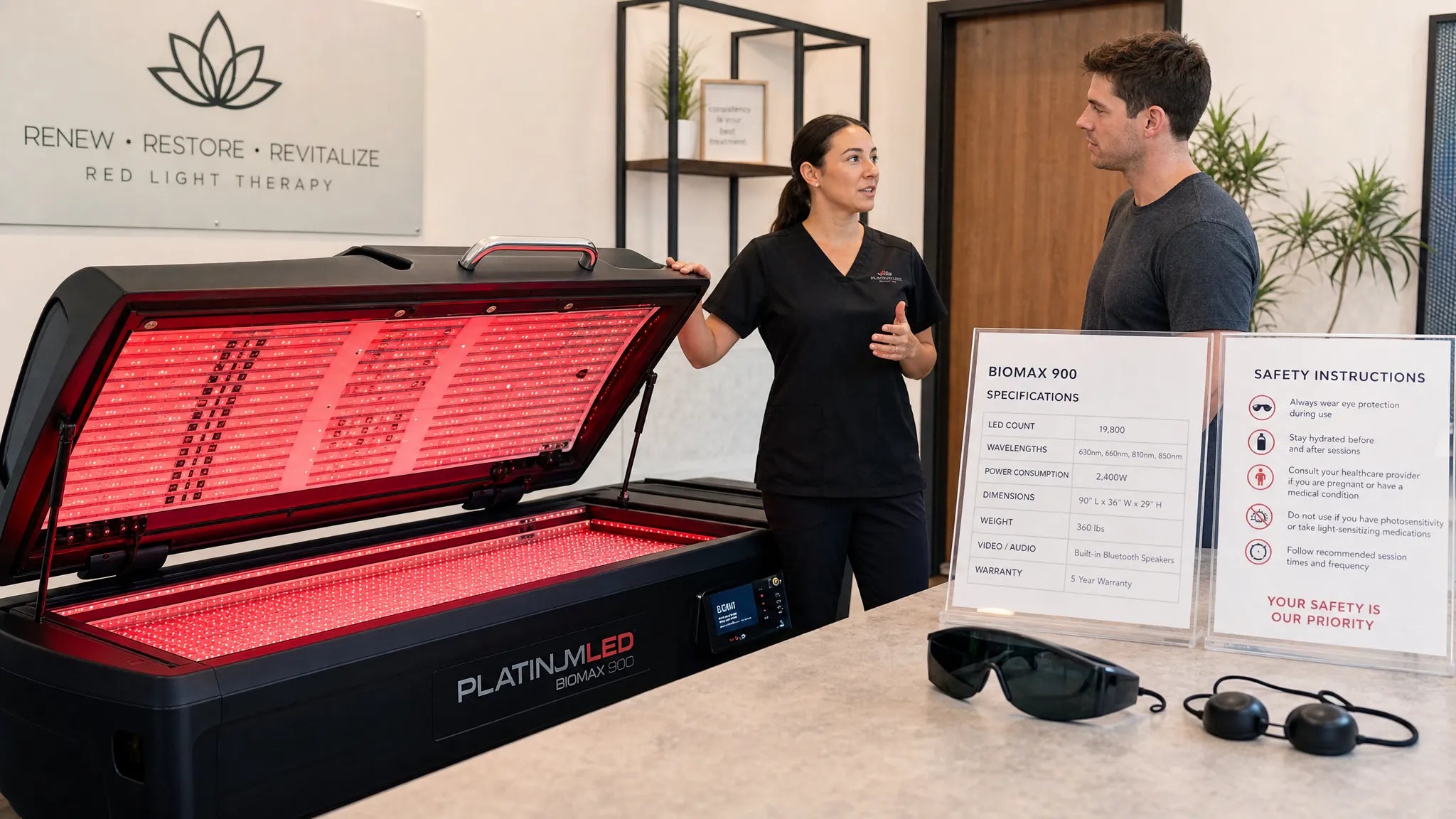
If you’re about to book a package because you searched “red light therapy bed near me,” ask one question before you hand over your card: What wavelengths and irradiance does your bed deliver at the body? If the provider cannot answer that clearly, you do not have enough information to judge the treatment.
I’m Justin Webster, owner of Your Health Sanctuary. After helping build more than 20 niche medical clinics across the USA and working alongside dozens of MDs, I’ve seen the same pattern over and over: the best recovery providers do not hide behind buzzwords. They explain the device, the protocol, the safety process, and what results are realistic.
Red light therapy beds can be useful tools for wellness, recovery, pain support, skin goals, and whole-body convenience. They can also be oversold. The provider matters just as much as the bed.
What should a good red light therapy bed provider be able to tell you?
A good provider should be able to explain three things in plain English: what the device emits, how the session is dosed, and why that protocol fits your goal.
Red light therapy is a form of photobiomodulation, meaning red and near-infrared light can interact with cellular pathways involved in energy production, inflammation signaling, and tissue response. A detailed review by de Freitas and Hamblin describes how photobiomodulation may affect mitochondrial activity and cell signaling when the dose is appropriate (2016 review). That last phrase matters: when the dose is appropriate.
The right provider does not promise miracle fat loss, instant pain relief, or “detox” results. They should talk about likely timelines, consistency, and the limits of the evidence. They should also know when red light therapy is not the right first tool. For example, fresh post-surgical swelling may be better served first by cold compression and surgeon-directed rehab. Deep focal nerve or joint pain may require a clinician-guided photobiomodulation plan, sometimes with cold laser therapy instead of a general full-body bed.
Here is the quick standard I would use if a customer asked me to judge a local provider:
- They disclose wavelengths, device type, treatment distance, and session time.
- They know whether the device is FDA-cleared, FDA-registered, or neither, and they do not confuse those terms.
- They perform a basic intake for medications, medical conditions, recent procedures, and treatment goals.
- They provide eye protection and clear instructions.
- They make realistic claims and can show device-specific documentation.
- They keep the treatment room clean, private, and consistent.
- They do not push a long package before you have tested tolerance and fit.
If a provider passes those checks, you can have a serious conversation. If they fail several of them, keep looking.
Are you choosing a treatment provider or a home-equipment provider?
People use the phrase “red light therapy bed provider” in two different ways. Some mean a local clinic, spa, gym, or recovery lounge where they can book sessions. Others mean a company selling a bed, panel, pad, or whole-body light system for home or professional use.
Those are different decisions.
| Provider type | Best fit | Strengths | Watch-outs |
|---|---|---|---|
| Medical or rehab clinic | Post-surgery recovery, chronic pain, arthritis, neuropathy, complex symptoms | Better intake process, clinical oversight, may combine with PT or other modalities | Usually higher cost per visit, may not offer full-body beds |
| Wellness spa or recovery studio | General wellness, relaxation, light recovery, skin support | Convenient sessions, relaxing environment, simple booking | Staff may not understand dosing, device claims may be vague |
| Gym or athletic recovery lounge | Runners, lifters, team-sport athletes | Easy to pair with training, compression, sauna, or mobility work | Protocols may be one-size-fits-all |
| Medspa or skin clinic | Skin texture, redness, cosmetic support | Better fit for facial and skin goals, may combine with professional skin care | Ask whether the bed is for skin, body contouring, or general PBM |
| Home equipment retailer | Frequent users, caregivers, clinics, athletes, chronic recovery routines | More control, lower cost per session over time, no travel | Requires choosing the right device and following safety instructions |
The same principle applies outside light therapy: a professional wellness provider should be clear about its staff, treatments, booking process, and limits, whether you are comparing a local recovery studio or a professional wellness center in Valencia offering hands-on massage and body treatments. Clarity is part of trust.

What device specs matter before you book?
The most common mistake I see is choosing the “strongest” or “newest” bed without asking what that actually means. Photobiomodulation is not just brightness. It is wavelength, irradiance, distance, exposure time, coverage, and consistency.
Wavelengths
Most therapeutic red light devices use red wavelengths around 630 to 660 nm and near-infrared wavelengths commonly around 810 to 850 nm. Red light is used more often for skin-level targets, while near-infrared light is commonly used when the goal involves deeper tissue exposure. The provider does not need to give you a lecture, but they should know the exact wavelengths in the bed.
If they only say “it’s infrared” or “it’s medical grade,” ask for the spec sheet.
Irradiance and dose
Irradiance is the power delivered over an area, usually expressed as mW/cm². Dose is commonly discussed as energy density, often J/cm². Without irradiance and distance, session length alone does not tell you much.
More is not automatically better. Photobiomodulation has a biphasic dose response, meaning too little light may do nothing and too much may reduce the intended response. Huang and colleagues reviewed this dose-response pattern in low-level light therapy (2011 review). A provider who understands that will not simply tell every customer to use the maximum time every day.
Treatment distance and coverage
A red light bed may surround the body, shine from above, shine from below, or use panels positioned at fixed distances. Ask whether the manufacturer’s irradiance numbers are measured at the treatment distance you will actually use.
This matters because light intensity falls as distance increases. A bed may look impressive, but if the LEDs are far from the skin or poorly arranged, the actual dose may be different from the brochure.
FDA language
This is where a lot of marketing gets sloppy. FDA-cleared, FDA-registered, and FDA-approved do not mean the same thing.
For many medical devices, FDA 510(k) clearance means the device was found substantially equivalent to a legally marketed predicate device for specific intended uses. The FDA explains the 510(k) process in its device clearance guidance (FDA 510(k) clearances). FDA registration, by itself, usually means the manufacturer or facility is listed with the FDA. It does not automatically mean the FDA evaluated the device’s performance claims.
A good provider should state the device’s status accurately and avoid broad medical claims that go beyond the device documentation.
Which provider type fits your goal?
A red light therapy bed is not always the best tool for every goal. Match the provider to the reason you are going in.
If your goal is pain, arthritis, or chronic stiffness
Choose a provider that understands musculoskeletal recovery, not just wellness memberships. Low-level light therapy and photobiomodulation have been studied for musculoskeletal pain, but outcomes depend heavily on the condition, site, dose, and protocol. A clinical review in Medicina discussed low-level laser therapy for musculoskeletal pain and emphasized the importance of appropriate parameters (Cotler et al., 2015).
For generalized soreness, a wellness bed may be reasonable. For persistent knee, back, shoulder, neuropathy, or post-surgical pain, I would lean toward a rehab clinic, a clinician-supervised provider, or a more targeted home device plan.
If your goal is skin health
A medspa, dermatologist-supervised setting, or provider that can explain red light for skin is a better fit than a general recovery lounge. In a 2014 controlled trial, red and near-infrared light treatment was associated with improvements in skin complexion, skin feeling, and collagen density measurements over repeated treatments (Wunsch and Matuschka, 2014).
That does not mean one bed session changes your skin. It means repeated, appropriate exposure may support skin-related outcomes in some people. A good provider will talk in weeks, not overnight transformations.
If your goal is athletic recovery
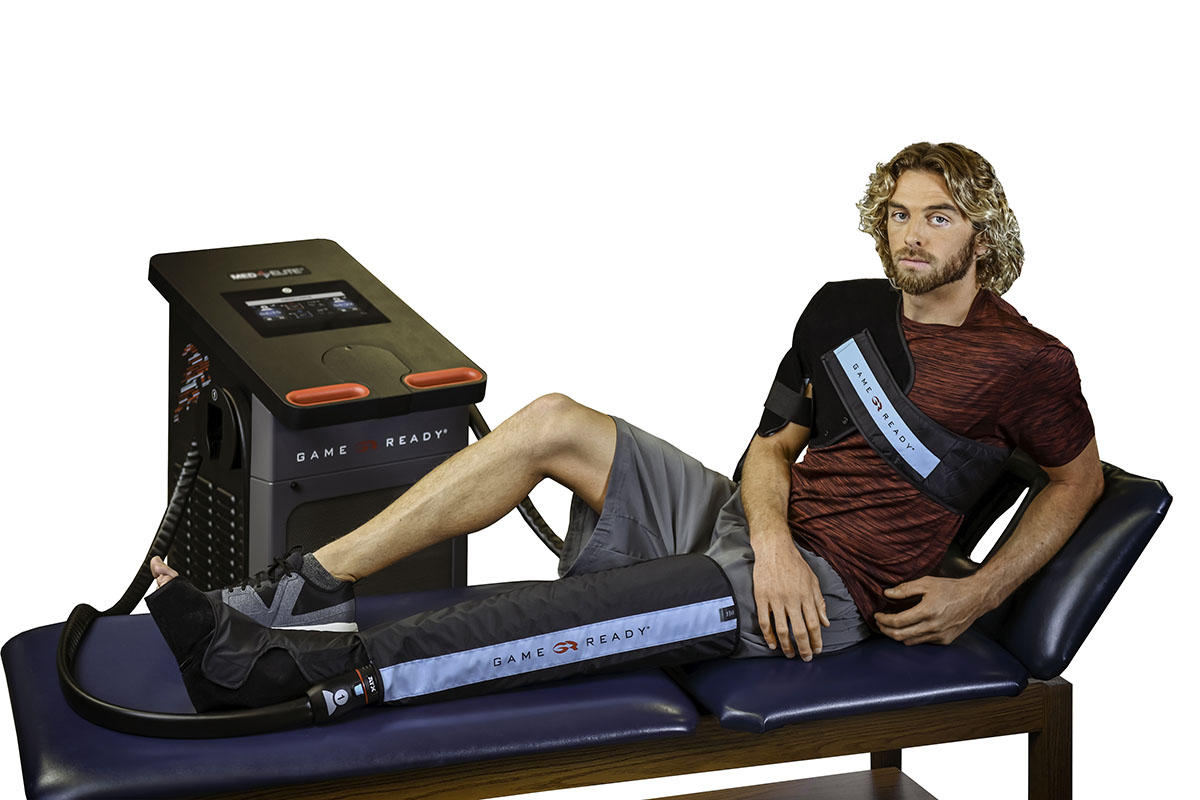
Look for a provider that can help you time sessions around training. Red light may be one piece of a recovery stack, but athletes often benefit from combining tools intelligently: pneumatic compression after heavy lower-body work, percussive massage for soft-tissue preparation, cold compression after acute irritation, and light therapy for consistent recovery support.
If the provider only offers a red light bed and claims it replaces sleep, nutrition, mobility, and progressive training, that is a red flag.
If your goal is weight-loss support
Be extra cautious here. Red light therapy is often marketed for weight loss, but the honest conversation is more modest. Some body-contouring devices have device-specific data, but a general red light bed should not be sold as a stand-alone fat-loss solution.
A responsible provider will frame red light as a possible adjunct to exercise recovery, consistency, sleep routines, or body-composition habits. They should not promise scale weight loss from passive sessions alone.
What should safety screening look like?
A quality provider should ask a few questions before your first session. It does not need to feel like a hospital admission, but it should be more than “sign here and lie down.”
The intake should cover why you are using the bed, whether you have recent surgery or open wounds, whether you are taking photosensitizing medications, whether you have eye disease or light sensitivity, and whether you are pregnant or being treated for cancer. Those factors do not always mean red light therapy is impossible, but they do mean the provider should slow down and direct you to medical clearance when appropriate.
The session itself should be simple and controlled. You should know how long it will last, what to wear, whether the bed gets warm, how to stop the session, and what sensations are normal. Eye protection should be available and explained.
Cleanliness matters too. A red light bed is a shared-contact device in many locations. The provider should disinfect surfaces between users, provide clean towels or barriers, and maintain a room that looks cared for. If the room feels careless, I would assume the protocol may be careless too.
How do you compare pricing and packages without overpaying?
Do not compare providers only by the cheapest session. Compare the cost of a complete, realistic trial.
A single session can help you judge comfort, heat tolerance, cleanliness, and staff quality. It usually cannot prove whether your pain, skin, or recovery goal will respond. Many studies and clinical protocols use repeated sessions over several weeks, so a provider should be honest that consistency matters.
Before buying a package, ask these questions:
- How many sessions do you recommend for my goal, and why?
- How often should I come in during the first month?
- What device and dose are included in that recommendation?
- Can I start with a smaller package before committing long term?
- What is your cancellation or expiration policy?
- If I have pain, surgery history, neuropathy, or a medical diagnosis, who reviews my intake?
If the answer is always “more sessions,” regardless of your goal, that is not a protocol. That is sales.
For people who plan to use red light three or more times per week, home equipment may become more practical. You avoid driving, scheduling, and recurring memberships. The trade-off is that you need to buy the right form factor and use it consistently.
If you are comparing home options, start with our guide to full body red light therapy beds or our breakdown of red light bed vs panel choices.
What red flags should make you walk away?
Most poor providers reveal themselves quickly if you ask specific questions. Watch for vague claims, pressure selling, and staff who cannot explain the basics.
- They cannot name the wavelengths.
- They claim “FDA approved” but cannot provide documentation.
- They call the bed “medical grade” without defining what that means.
- They promise fat loss, detox, cure of disease, or guaranteed pain relief.
- They recommend daily maximum sessions for everyone.
- They skip intake questions completely.
- They do not provide eye protection or safety instructions.
- They push a large package before you try one or two sessions.
- The bed, towels, or room look poorly maintained.
One red flag may be a training issue. Several red flags together usually mean the provider is selling access to a machine, not delivering a thoughtful recovery service.
When does buying a home device make more sense?
A local red light therapy bed can be a good way to test whether you like the experience. But home equipment may make more sense if frequency, privacy, or medical logistics matter.
Home use is often worth considering if you are a caregiver helping someone with a long recovery routine, an athlete trying to keep treatments consistent, a clinic owner building a recovery room, or someone managing recurring stiffness or soreness under appropriate medical guidance.
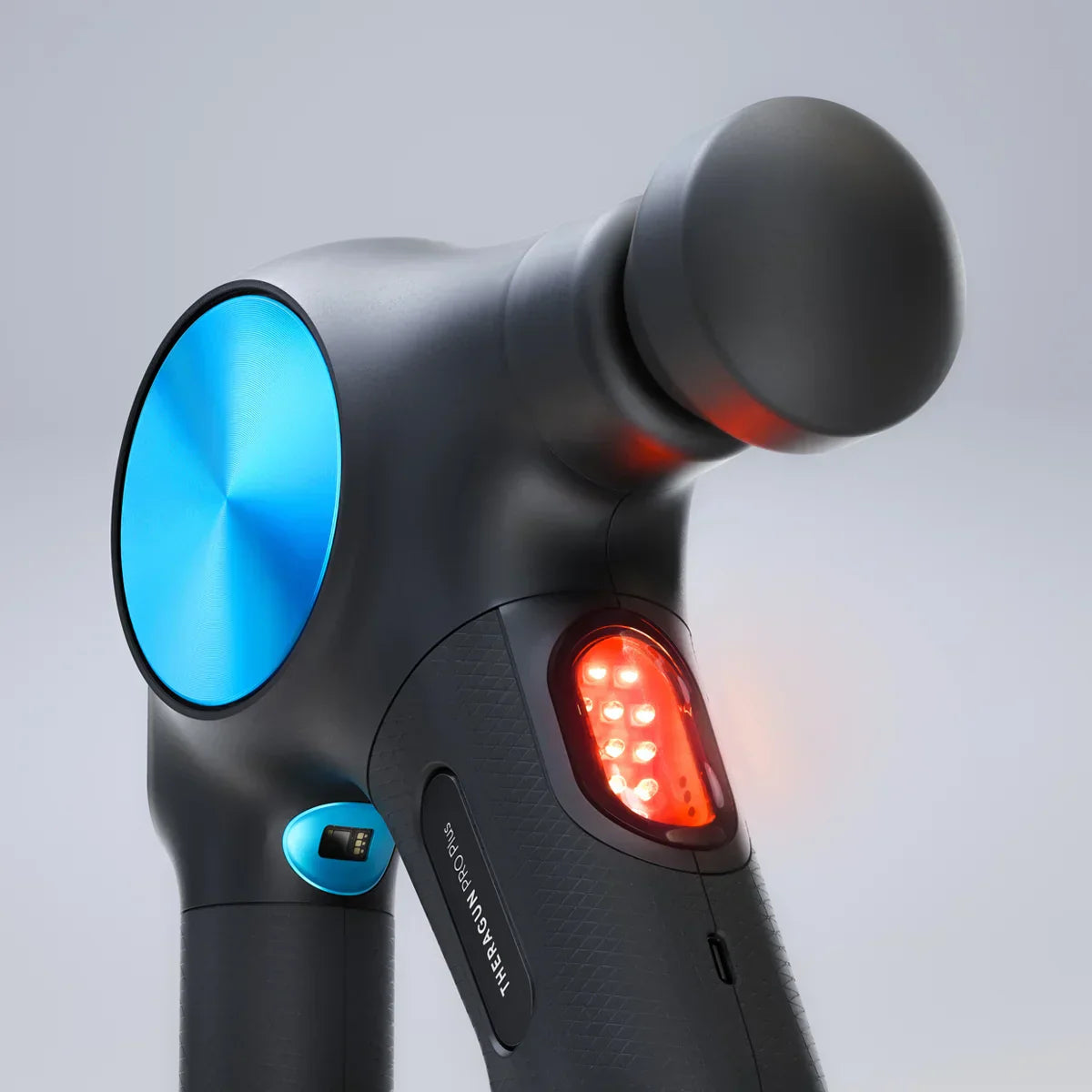
This is where I usually tell customers to think beyond the bed. A full-body bed is convenient, but it is not always the most efficient device. A flexible red light pad may fit a knee, back, or shoulder better. A cold laser system may be more appropriate for targeted clinical photobiomodulation. Pneumatic compression may be the better first purchase for leg swelling or athletic recovery. Cold compression may be the right choice after orthopedic surgery. Percussive massage may be more useful for muscle tension and mobility work.
At Your Health Sanctuary, we help customers compare professional-grade red light therapy, BioFlex cold laser therapy, Game Ready and Bio Compression systems, Therabody percussive massage, whole-body vibration, and other recovery tools without pretending one device solves every problem. Our role is to help you match the equipment to the use case, the budget, and the level of support you need.
Frequently Asked Questions
What should I ask before booking a red light therapy bed near me? Ask for the exact wavelengths, irradiance at the treatment distance, session length, FDA status, safety screening process, and what results are realistic for your goal. If the provider cannot explain those basics, look for another option.
Is a red light therapy bed better than a red light panel? A bed is usually better for convenience and full-body exposure. A panel is often better for flexibility, lower cost, and targeted positioning. For a specific knee, shoulder, back, or neuropathy concern, targeted devices may be more practical than a general bed.
How often should I use a red light therapy bed? Frequency depends on the device output, treatment goal, and your tolerance. Many providers use repeated sessions weekly, but the exact schedule should come from the device protocol and your health situation. Avoid providers who recommend maximum daily use for everyone.
How do I know if a provider is using a medical-grade red light bed? Ask for the manufacturer, model, wavelength data, irradiance data, FDA documentation if claimed, warranty information, and intended use. “Medical grade” is not a regulated magic phrase. Documentation matters more than the label.
Can red light therapy beds help with pain? Photobiomodulation has clinical research behind some pain and musculoskeletal applications, but results depend on diagnosis, dose, device quality, and consistency. A red light bed may support general recovery, while focal or complex pain may require a clinician-guided plan.
Should I choose a spa or clinic after surgery? After surgery, choose a provider who will respect your surgeon’s restrictions and avoid treating fresh incisions or irritated tissue without clearance. For orthopedic recovery, cold compression, pneumatic compression, and physical therapy often come before general wellness light sessions.
Are red light therapy beds safe? Many people tolerate red and near-infrared light well when devices are used as directed, but safety screening still matters. Eye protection, medication review, recent surgery history, cancer treatment history, pregnancy status, and photosensitivity concerns should be addressed before treatment.
Need help comparing providers or equipment?
If you are deciding between local sessions and a home recovery setup, we can help you sort through the specs. Your Health Sanctuary carries professional-grade recovery and wellness equipment for home and clinic use, including red light therapy, cold laser therapy, pneumatic compression, cold compression, percussive massage, and whole-body vibration systems.
The goal is not to buy the most expensive device. The goal is to choose the right tool, from a provider who can explain it clearly and support you after the sale.