
Bio Compression Recovery System: The Medical-Grade Sequential Compression Device That Works
👤 Who Is This Guide For?
🏃
Athletes & Active People
Training recovery, performance optimization, competition prep
💪
Chronic Pain Sufferers
Arthritis, fibromyalgia, neuropathy, back pain management
🏥
Post-Surgery Patients
ACL, knee replacement, rotator cuff, hip surgery recovery
For lymphedema management, post-surgery recovery, and chronic venous insufficiency â this is the device clinicians rely on, now available for home use.
If you've been told you need compression therapy â whether for lymphedema, post-surgical swelling, chronic venous insufficiency, or vascular recovery â you've probably realized that not all compression devices are created equal. A sleeve from a pharmacy is not the same as a sequential gradient compression system used in hospital rehabilitation units.
The Bio Compression SC-2008-DL is the device that bridges that gap: a clinical-grade, FDA-registered sequential compression system designed specifically for patients who need more than athletic recovery â they need medical-level intervention. This guide breaks down exactly how it works, who it's designed for, and why it's one of the most trusted systems in its category.
What Is the Bio Compression SC-2008-DL?
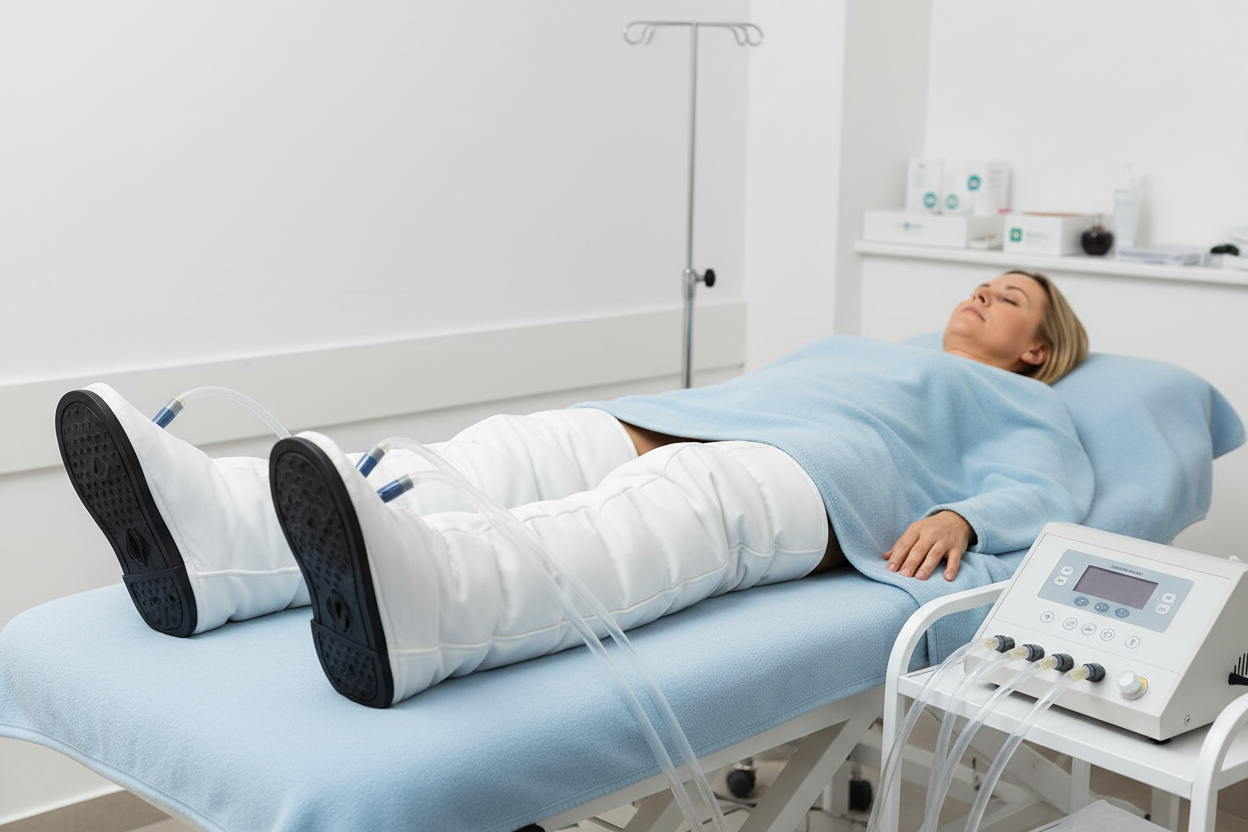
The Bio Compression SC-2008-DL is a sequential gradient compression therapy device â meaning it applies carefully controlled air pressure in a sequential wave pattern, moving fluid from the extremities back toward the core. This is fundamentally different from static compression sleeves or simple inflatable wraps.
Unlike athletic recovery boots that focus on post-workout muscle soreness, the SC-2008-DL is engineered to address vascular and lymphatic conditions that require precise, programmable compression. It delivers therapy across multiple sequential chambers, ensuring fluid moves in the correct direction and at clinically appropriate pressures.
| Specification | Detail |
|---|---|
| Device Type | Sequential Gradient Compression System |
| Chambers | Multi-chamber sequential inflation |
| Pressure Range | Adjustable â clinically calibrated settings |
| Regulatory Status | FDA Registered Medical Device |
| Primary Indications | Lymphedema, venous insufficiency, post-surgical edema |
| Garment Compatibility | Leg, arm, and full-limb attachments available |
| Use Setting | Home and clinical use |
| Manufacturer | Bio Compression Systems, Inc. |
How Sequential Compression Therapy Works â And Why It Matters
To understand the value of the Bio Compression recovery system, you first need to understand the difference between static and sequential compression â because the distinction is clinically significant.
Static Compression vs. Sequential Gradient Compression
Static compression applies uniform, constant pressure along a limb. Think of a compression stocking. It provides support and prevents fluid from pooling, but it doesn't actively move fluid.
Sequential gradient compression inflates multiple chambers in a distal-to-proximal wave â starting at the foot or hand and working upward toward the core. Each chamber inflates and deflates in sequence, physically milking fluid along the lymphatic and venous channels. This is the same mechanism used in hospital pneumatic compression devices to prevent deep vein thrombosis (DVT) and to treat active lymphedema.
The Bio Compression SC-2008-DL applies this hospital-grade mechanism in a home-usable form. For conditions where the lymphatic system is compromised or venous return is impaired, sequential compression isn't just more comfortable â it's more therapeutically effective.
Sequential gradient compression has been the standard of care for lymphedema management in clinical settings for decades. The ability to apply the same mechanism at home â on a prescribed schedule â dramatically improves long-term outcomes by enabling more frequent therapy sessions than clinic visits alone allow.
Who Benefits Most From the Bio Compression System?
This is not a general-purpose recovery device. The Bio Compression SC-2008-DL is built for people with specific medical needs who require more than athletic recovery tools. If you fall into any of the categories below, this device warrants serious consideration.
Lymphedema Patients
Primary and secondary lymphedema in the arms or legs â particularly post-mastectomy lymphedema â are among the primary indications this device is designed to address.
Post-Surgical Edema
After orthopedic surgery, vascular procedures, or reconstructive surgery, sequential compression accelerates fluid clearance and reduces post-operative swelling.
Chronic Venous Insufficiency
When veins struggle to return blood to the heart, sequential compression provides active mechanical support for venous return â reducing edema and leg heaviness.
DVT Prevention
Patients with prolonged immobility or elevated clotting risk benefit from pneumatic compression as a preventive measure, consistent with clinical DVT prevention protocols.
Vascular Rehabilitation
Following vascular procedures or with diagnoses of peripheral arterial disease, prescribed compression therapy supports circulation and healing.
Elite Athletic Recovery
High-volume endurance athletes dealing with chronic lower-leg edema or overtraining-related swelling benefit from the more targeted sequential approach.
Bio Compression SC-2008-DL vs. Standard Compression Alternatives
Not all compression is equivalent. Here's a direct comparison of the Bio Compression recovery system against the two most common alternatives people turn to first â compression stockings and standard athletic recovery boots.
| Feature | Bio Compression SC-2008-DL MEDICAL GRADE | Compression Stockings | Athletic Recovery Boots |
|---|---|---|---|
| Compression Type | Sequential gradient (distal â proximal) | Static uniform | Sequential (recovery-focused) |
| FDA Registered | â Medical Device | Not regulated | Varies |
| Lymphedema Indication | â Primary indication | Adjunct use only | Not indicated |
| Adjustable Pressure | â Clinically calibrated | Fixed | Limited settings |
| Post-Surgical Use | â Clinical standard | Supportive only | Not designed for this |
| Home Use | â Full home system | â | â |
| Insurance Coverage Eligibility | â Often covered (with Rx) | Limited | No |
The key distinction is clinical appropriateness. If your doctor has prescribed pneumatic compression therapy for a lymphatic or vascular condition, a stocking cannot replace it â and an athletic recovery boot, while valuable for muscle soreness, is not the same clinical device. The Bio Compression SC-2008-DL is built for the specific conditions where sequential compression therapy has established clinical evidence.
Key Advantages of the Bio Compression SC-2008-DL
Multi-Chamber Sequential Design
The heart of the SC-2008-DL's effectiveness is its multi-chamber garment system. Each chamber inflates and deflates in a controlled wave, creating the "milking" effect that moves fluid proximally. This is the same mechanism that hospital IPC (intermittent pneumatic compression) devices use â available now in a home-ready form factor.
Dual-Limb Capability
The SC-2008-DL designation indicates dual-limb capability â allowing simultaneous treatment of both lower extremities when indicated. For bilateral lymphedema or patients recovering from bilateral vascular procedures, this dramatically reduces treatment session time and improves compliance with prescribed therapy schedules.
Programmable Pressure Settings
Unlike one-size-fits-all devices, the Bio Compression system offers adjustable pressure settings that allow therapy to be calibrated to the patient's specific clinical needs, condition severity, and tolerance. This is essential for medical applications where precise dosing matters.
Insurance and Prescription Compatibility
Because the Bio Compression SC-2008-DL is an FDA-registered medical device with established clinical indications, it is often eligible for insurance reimbursement with a physician prescription â a major advantage over consumer recovery devices that offer no such pathway.
Consistent daily use is where sequential compression therapy delivers the greatest outcomes. Clinical protocols for lymphedema typically recommend 45-60 minute sessions once or twice daily. Home systems like the SC-2008-DL make this schedule feasible â the difference between managing a condition and genuinely improving it comes down to session frequency.
Adding Complementary Recovery Modalities
For patients managing chronic conditions or recovering from surgery, sequential compression therapy rarely works best in isolation. Here's how it integrates with other modalities available at Your Health Sanctuary.
Compression + Red or Near-Infrared Light Therapy
Red and near-infrared light therapy (630nm and 880nm wavelengths) has been studied for its effects on tissue healing, inflammation reduction, and mitochondrial support at the cellular level. When combined with sequential compression therapy, the two modalities address complementary pathways: compression manages fluid dynamics and vascular return, while light therapy supports tissue-level healing and inflammation. This combination is particularly relevant for post-surgical recovery and chronic venous insufficiency.
Compression + Cold Therapy
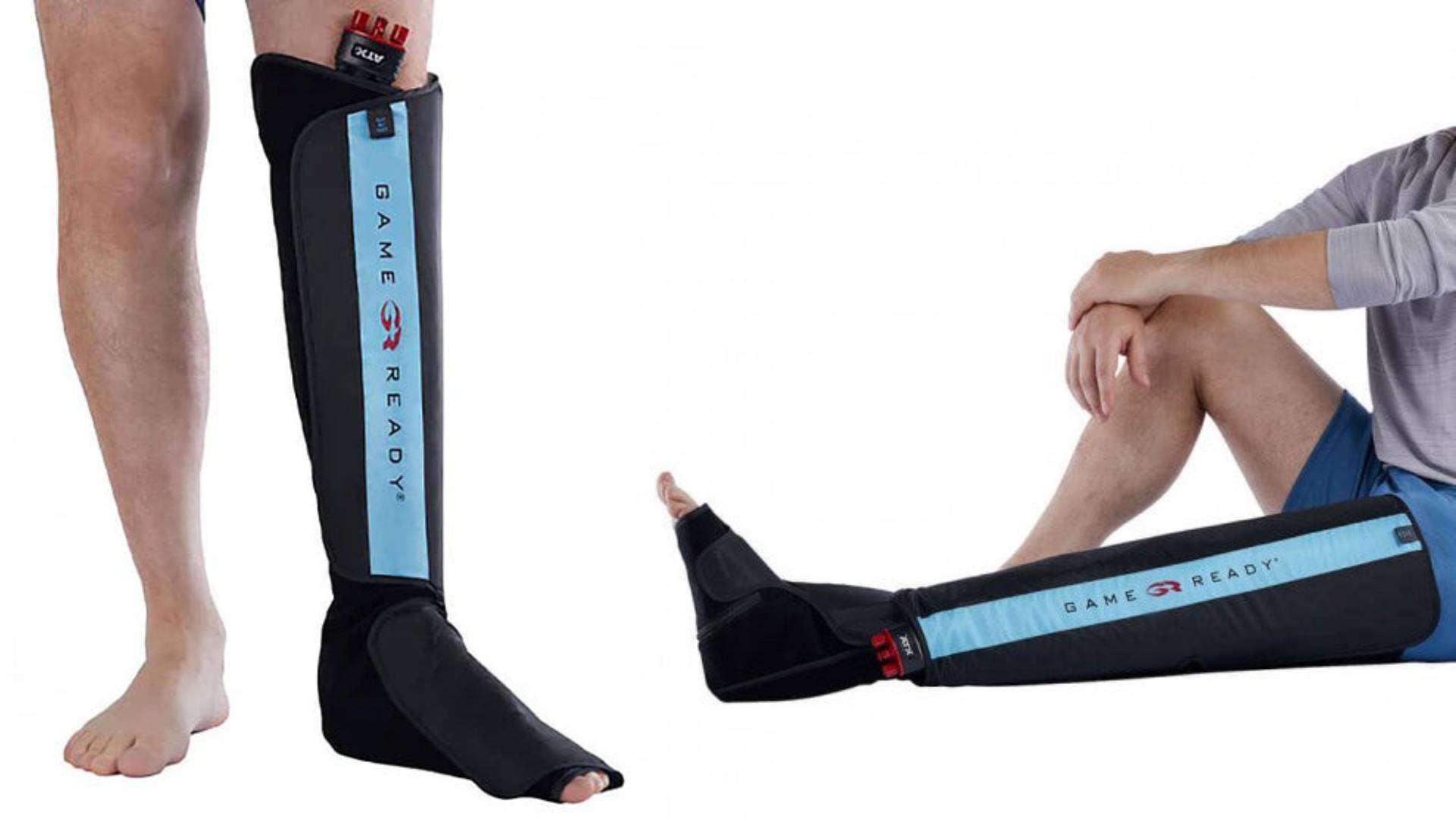
For post-acute orthopedic recovery, sequential compression can be used in rotation with cold compression therapy (such as the Game Ready GRPro 2.1) â compression sessions to clear edema, cold sessions to manage acute inflammation. Physical therapy protocols frequently incorporate both modalities in post-surgical rehabilitation programs.
Shop Medical-Grade Compression Therapy
Your Health Sanctuary carries FDA-registered and FDA-cleared recovery devices used by patients, clinicians, and elite athletes. Talk to our team to find the right solution for your specific needs.
Questions? Call our recovery specialists: (612) 360-2490
Sources & Clinical References
- 1. Haun CT, et al. "Effects of pneumatic compression on recovery after exercise." International Journal of Exercise Science. 2017;10(5):764-779.
- 2. Marcello RT, et al. "Intermittent pneumatic compression boot use elevates blood lactate clearance." Journal of Strength and Conditioning Research. 2019;33(S1):S150-S157.
- 3. Draper SN, et al. "Effects of intermittent pneumatic compression on delayed-onset muscle soreness." Journal of Athletic Training. 2020;55(12):1216-1223.
All product recommendations are informed by published clinical research. Your Health Sanctuary is committed to evidence-based recovery guidance.
📋 Free Compression Therapy Comparison Guide
Not sure which compression system fits your recovery needs? Get our side-by-side comparison chart with pressure ranges, features, and use-case recommendations for every budget.
📞 Call for Personalized Compression Therapy Advice: (612) 360-2490Continue Your Research
Frequently Asked Questions
Written by Justin Webster
Founder, Your Health Sanctuary
Justin Webster is the founder of Your Health Sanctuary, a recovery equipment resource dedicated to helping athletes, post-surgical patients, and chronic pain sufferers find evidence-based recovery solutions. With hands-on experience testing professional-grade devices from brands like Therabody, Game Ready, Bioflex, and HealthLight, Justin combines product expertise with clinical research to provide actionable recovery guidance. All recommendations are based on published clinical evidence and real-world testing.