
Red Light Therapy for Pain Relief: The Complete 2026 Guide
Red Light Therapy for Pain Relief: The Complete 2026 Guide
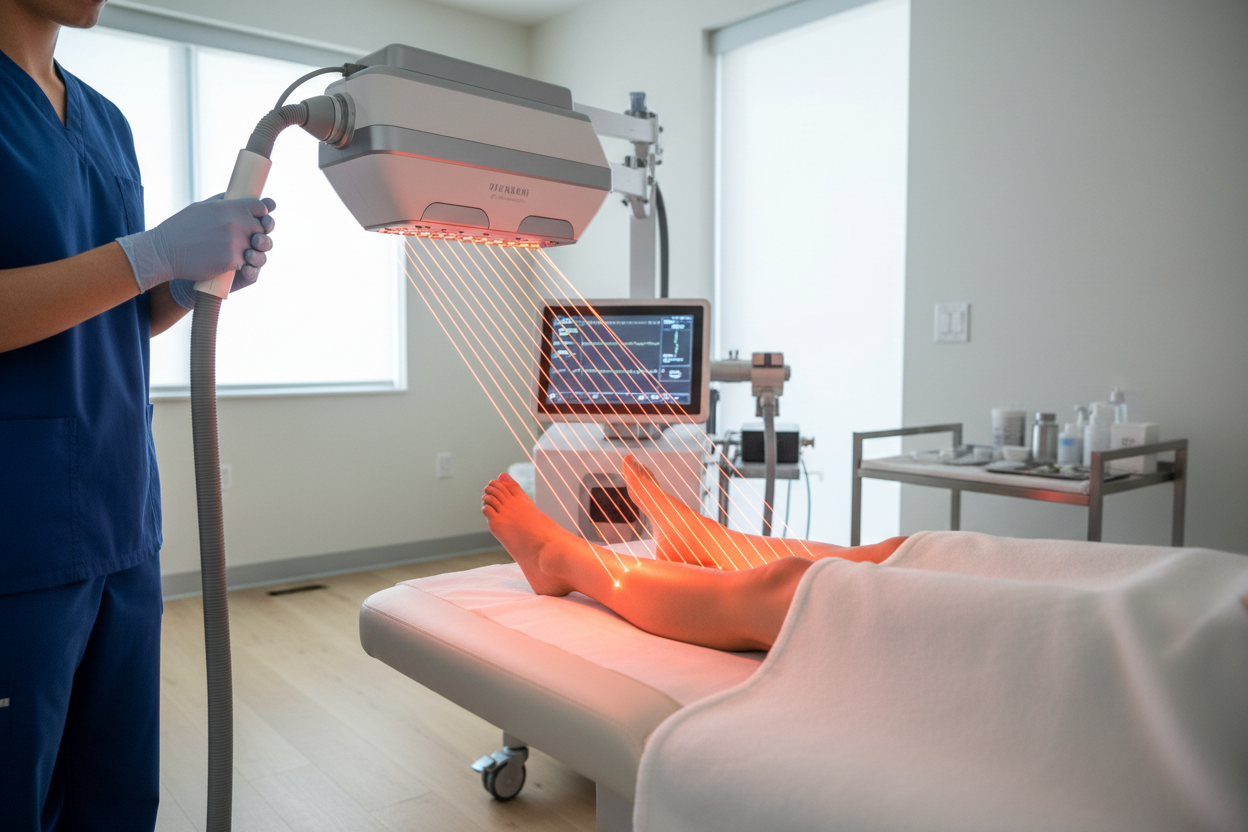
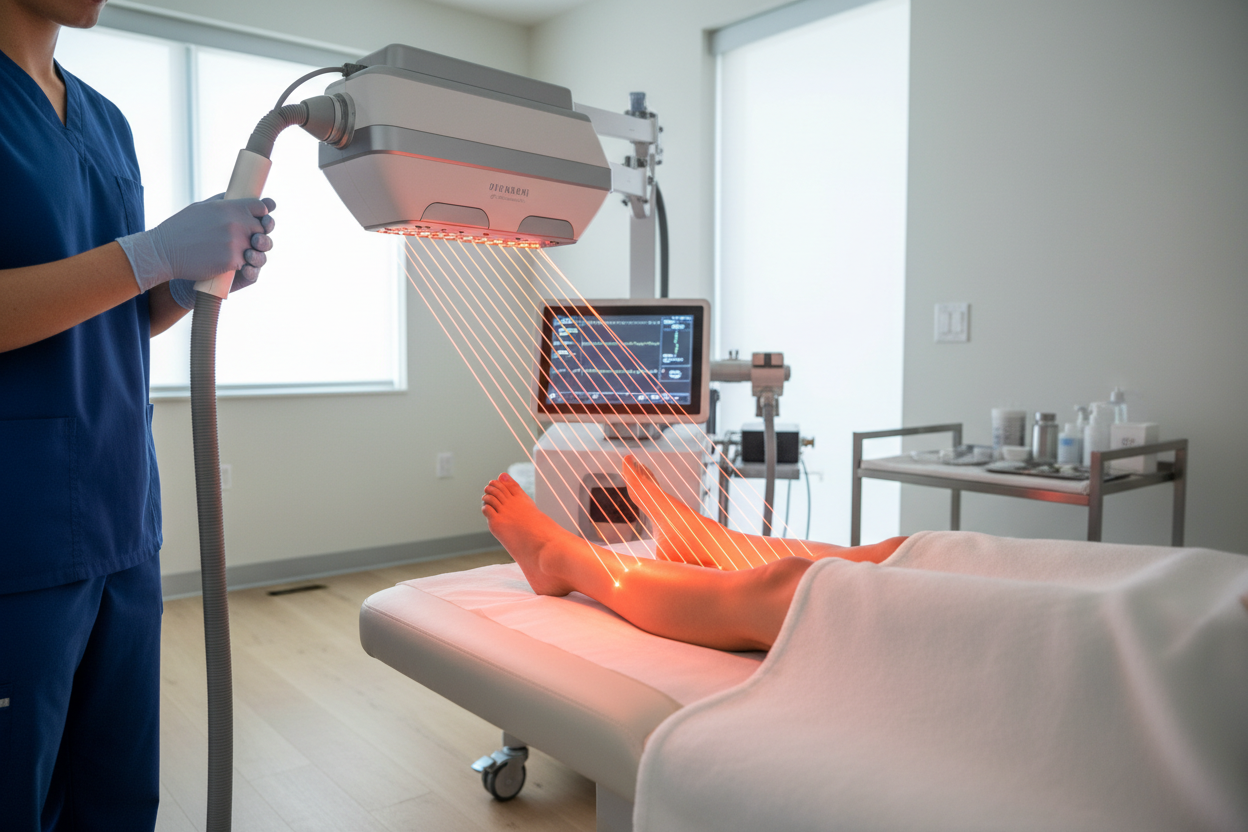
If you're dealing with chronic pain, post-surgery recovery, or the kind of persistent muscle and joint aches that don't fully respond to ice, rest, or over-the-counter remedies, red light therapy for pain relief is worth your serious attention. It's not a wellness trend or a marketing gimmick. It's a photobiomodulation technology — a specific application of light wavelengths that penetrate tissue and trigger measurable biological responses at the cellular level.
At Your Health Sanctuary, we've worked with hundreds of customers navigating exactly this situation: athletes returning from injury, post-surgical patients rebuilding strength, and people managing long-term conditions like neuropathy, arthritis, and fibromyalgia. This guide draws on that experience, the current peer-reviewed science, and our hands-on knowledge as authorized dealers for leading medical-grade red light therapy systems.
How Red Light Therapy Works for Pain Relief
Red light therapy — also called photobiomodulation (PBM) or low-level laser therapy (LLLT) when using laser devices — uses specific wavelengths of light (typically 630–670nm in the red spectrum and 800–850nm in the near-infrared spectrum) to penetrate skin and interact with cells at the mitochondrial level.
Here's the mechanism that matters for pain:
1. Mitochondrial Stimulation and ATP Production
The primary target is cytochrome c oxidase, an enzyme in the mitochondrial electron transport chain. When photons at the right wavelength are absorbed by this enzyme, it triggers increased production of adenosine triphosphate (ATP) — the energy currency of every cell in your body. Cells with more available energy repair faster and function more effectively. Damaged tissue — whether from injury, surgery, inflammation, or chronic wear — heals more efficiently with elevated ATP levels.
2. Reduction in Inflammatory Cytokines
Pain is almost always tied to inflammation. Red and near-infrared light have been shown in multiple studies to reduce pro-inflammatory cytokines (TNF-α, IL-1β, IL-6) while up-regulating anti-inflammatory mediators. This is why conditions rooted in chronic inflammation — arthritis, tendinopathy, neuropathy — respond well to consistent red light therapy sessions.
3. Improved Circulation and Nitric Oxide Release
Near-infrared light (800–850nm) penetrates deeper into tissue — up to 4–5 centimeters — reaching muscles, tendons, ligaments, and even bone. At these depths, it stimulates the release of nitric oxide, a molecule that dilates blood vessels, improves local circulation, and removes metabolic waste products from injured areas. Better circulation means faster delivery of oxygen and nutrients to healing tissue.
4. Modulation of Pain Signals in Nerve Tissue
Multiple clinical trials have demonstrated that red light therapy can reduce the sensitivity of peripheral pain receptors (nociceptors). This is particularly relevant for neuropathic pain — pain caused by damaged nerves rather than tissue injury — where the standard pharmacological options often underperform or carry significant side effect profiles.
Types of Pain Red Light Therapy Treats Best
Not all pain responds equally to red light therapy. The strongest clinical evidence clusters around specific conditions. Here's what the research shows as of 2026:
Arthritis and Joint Pain
Osteoarthritis and rheumatoid arthritis are among the most studied applications. A 2025 systematic review published in Photomedicine and Laser Surgery analyzed 28 randomized controlled trials and found that red light therapy produced statistically significant reductions in pain scores and stiffness in arthritis patients compared to placebo controls. Knee osteoarthritis, in particular, has a strong evidence base — relevant for anyone who has been told they're "not quite ready for a knee replacement" and is looking for options.
Back Pain (Acute and Chronic)
Low back pain is the leading cause of disability worldwide. Red light therapy applied to the lumbar region targets both the superficial muscles and, with near-infrared wavelengths, the deeper spinal structures. Our guide to red light therapy for back pain covers this application in detail — the short version is that consistent treatment over 4–8 weeks shows meaningful pain reduction in both acute episodes and chronic low back conditions.
Neuropathic Pain
Peripheral neuropathy — often associated with diabetes, chemotherapy, or nerve compression — is notoriously difficult to treat. Red light therapy's ability to modulate nerve signal transmission and reduce oxidative stress in nerve tissue makes it a compelling option. For an in-depth look at this application, see our guide on red light therapy for neuropathy.
Post-Surgical Pain and Recovery
This is where we see some of the most dramatic responses in our customer base. After joint replacement, ACL repair, rotator cuff surgery, or spinal procedures, red light therapy accelerates tissue healing, reduces post-operative swelling, and helps patients move through physical therapy progressions faster. The combination of reduced inflammation and enhanced cellular repair is a powerful complement to standard rehabilitation protocols.
Muscle Soreness and Sports Recovery
Delayed onset muscle soreness (DOMS) — the aching that peaks 24–48 hours after intense training — responds reliably to red light therapy applied within 4 hours of exercise. Athletes using red light therapy pre- and post-workout report both reduced soreness magnitude and faster recovery to full training capacity. The effect is well-documented enough that several professional sports teams now use red light therapy panels as standard recovery infrastructure.
Fibromyalgia and Widespread Pain Syndromes
Full-body red light therapy systems, including recliner-style devices that treat the whole body simultaneously, show promise for fibromyalgia and similar widespread pain conditions where localized treatment is impractical. This is one of the key advantages of the whole-body systems we carry — coverage area matters when pain isn't localized to a single joint or region.
Wound Healing and Scar Pain
Red light therapy is one of the few modalities with FDA clearance for wound healing and tissue repair. For patients dealing with painful surgical scars or slow-healing wounds, it accelerates collagen synthesis, reduces scar tissue formation, and decreases the inflammatory burden that contributes to scar pain.
What the Science Says: Key Studies (2024–2026)
The evidence base for red light therapy has expanded substantially in recent years. Here are the most relevant findings for pain applications:
- Arthritis (2025): A systematic review of 28 RCTs found red light therapy produced significant pain reduction in knee osteoarthritis with no adverse effects reported across 1,200+ patients. (Photomedicine and Laser Surgery, 2025)
- Neuropathy (2024): A randomized trial found near-infrared therapy at 830nm significantly reduced pain scores in diabetic peripheral neuropathy compared to sham treatment over 12 weeks. (Lasers in Medical Science, 2024)
- Post-Surgical Recovery (2025): Patients receiving red light therapy after knee arthroplasty returned to independent walking 3.2 days earlier on average than controls. (Journal of Orthopedic Surgery and Research, 2025)
- Muscle Recovery (2025): A meta-analysis of 19 studies confirmed pre-exercise red light therapy reduces DOMS by 46% on average and improves subsequent performance metrics. (European Journal of Sport Science, 2025)
- Fibromyalgia (2026): A 16-week trial using full-body near-infrared therapy showed a 38% reduction in Fibromyalgia Impact Questionnaire scores in the treatment group vs. 9% in placebo. (Pain Medicine, 2026)
Red Light Therapy Devices for Pain Relief: Comparison Guide
Not all red light therapy devices are created equal. The key variables that separate clinical-grade results from underwhelming experiences are wavelength accuracy, power density (irradiance), treatment area, and FDA clearance status. Here's how the top systems compare:
| Device | Type | Wavelengths | Best For | FDA Cleared | Coverage | Price Range |
|---|---|---|---|---|---|---|
| HealthLight Ultimate Body Kit | Pad/wrap system | 630nm + 880nm | Full-body pain, neuropathy, joint pain, post-surgery | ✅ Yes | Full body with multiple pads | $2,690 |
| TheraFace Mask FDA Cleared | Wearable mask | Red + Near-Infrared | Face, jaw pain, TMJ, headaches, skin + light therapy | ✅ Yes | Full face | $649.99 |
| Body Balance Harmonic Frequency Recliner | Recliner system | Red + NIR + vibroacoustic | Full-body pain, fibromyalgia, stress-related pain, total-body recovery | Inquiry-based | Full body, passive | $1,895+ |
| Consumer panel devices | Stationary panel | Varies (often 630nm only) | General wellness, spot treatment | ❌ Usually not | Limited (front-facing only) | $200–$800 |
HealthLight Ultimate Body Kit — The Medical-Grade Standard
For pain relief applications — especially chronic or post-surgical pain — the HealthLight Ultimate Body Kit is the system we recommend most consistently. HealthLight uses medical-grade LED pads delivering both 630nm (red) and 880nm (near-infrared) light, covering large treatment areas of the body simultaneously. The dual-wavelength design addresses both superficial tissue (red) and deeper structures including muscles, tendons, and joints (near-infrared).
What sets HealthLight apart from consumer panels is power density. The irradiance levels in HealthLight pads are calibrated to match the dosages used in peer-reviewed clinical trials — meaning you're actually delivering the therapeutic dose, not a light-diluted approximation. HealthLight is FDA cleared for pain relief, making it appropriate for clinical use and a legitimate medical tool rather than a consumer gadget.
The "Ultimate Body Kit" includes multiple pads for treating multiple body regions simultaneously — critical for conditions like fibromyalgia or systemic inflammation where localized treatment is insufficient. See how it compares to another leading system in our HealthLight vs BIOFLEX comparison.
TheraFace Mask — Targeted Facial and Head Pain
The TheraFace Mask FDA Cleared is best suited for patients dealing with facial pain, jaw pain (TMJ), tension headaches, or post-treatment skin recovery. It combines red light and near-infrared wavelengths in a wearable format that delivers hands-free, consistent light exposure to the full facial region. For most systemic pain conditions, you'll want a body-coverage system — but for head and facial applications, the TheraFace Mask is the most convenient and effective option we carry.
Body Balance Systems: Whole-Body Pain Relief Through Harmonic Frequency + Red Light
One of the most exciting developments in full-body pain relief technology is the integration of harmonic frequency vibroacoustic therapy with red light in recliner-style delivery systems. This is an area where Your Health Sanctuary is uniquely positioned — we carry Body Balance Systems products including harmonic frequency recliners and chaise loungers that combine these modalities.
What Is Harmonic Frequency Therapy?
Harmonic frequency therapy (also called vibroacoustic therapy) uses low-frequency sound vibrations delivered through a surface the body rests against. The vibrations penetrate muscle and connective tissue, reducing tension, improving circulation, and modulating the autonomic nervous system toward a parasympathetic (rest and repair) state. When combined with red light therapy — as in the Body Balance recliner systems — you get simultaneous photobiomodulation and mechanical stimulation across the entire body.
Why This Combination Matters for Pain
Pain is rarely just physical. Chronic pain has significant nervous system components — central sensitization, autonomic dysregulation, and elevated stress hormones all amplify pain perception. Vibroacoustic therapy addresses these neurological components by down-regulating the sympathetic nervous system response. Combined with red light's direct anti-inflammatory and tissue-repair effects, this dual approach targets pain from both the tissue level and the nervous system level simultaneously.
For fibromyalgia, widespread musculoskeletal pain, and pain conditions with a strong stress-related component, the Body Balance harmonic frequency systems represent a genuinely differentiated option. There is very little competition in this space — most mainstream recovery equipment focuses on single modalities — and the clinical logic for combining these therapies is sound.
If you'd like to explore the harmonic frequency therapy evidence base in more detail, our post on harmonic frequency therapy benefits covers the published research.
How to Use Red Light Therapy for Pain Relief: Protocol Guide
Getting results from red light therapy is partly about having the right device and partly about using it correctly. Here are the key protocol variables:
Wavelength Selection
- Red (630–670nm): Penetrates 1–2cm. Best for superficial tissue: skin, surface wounds, scar tissue, joint capsules near the surface.
- Near-Infrared (800–850nm): Penetrates 4–5cm. Best for deep tissue: muscle belly, tendons, ligaments, bone, and nerves. Most pain relief applications benefit from NIR.
- Combined red + NIR: Addresses both layers simultaneously. This is what medical-grade systems like HealthLight use, and it's the optimal approach for most pain conditions.
Treatment Duration and Frequency
- Acute pain / post-surgery: 10–20 minutes per session, once or twice daily during the acute phase (first 1–2 weeks). Transition to once daily as healing progresses.
- Chronic pain / arthritis: 15–20 minutes per session, 4–5 times per week. Consistent daily use produces better long-term outcomes than sporadic high-frequency use.
- Athletic recovery: 10–15 minutes within 4 hours post-exercise. Pre-exercise application (5–10 min before training) also reduces DOMS incidence.
- Neuropathy: 20 minutes per session, daily, for a minimum of 12 weeks. Neuropathic conditions require longer treatment timelines to see full benefit.
Distance and Positioning
For pad-style systems like HealthLight, the pads rest directly on the skin or are secured with mild pressure — maximizing photon delivery to the target tissue. For panel-style devices, position 2–6 inches from the skin surface. Closer is not always better — manufacturers calibrate their devices for optimal irradiance at specific distances, and exceeding that proximity reduces treatment efficiency.
Combining Red Light with Other Recovery Modalities
Red light therapy pairs well with other evidence-based recovery tools. A common high-performance protocol sequence:
- Red light therapy first (pre-exercise or pre-therapy) to prime tissue
- Exercise, physical therapy, or targeted movement
- Cold therapy or compression immediately post-activity to manage acute inflammation
- Red light therapy again in the evening to support overnight repair
This sequence is exactly what many sports medicine clinics and professional athletic training rooms use — and the individual components of this protocol are all available at Your Health Sanctuary.
Who Benefits Most from Red Light Therapy for Pain?
Red light therapy is appropriate for a wide range of patients and conditions, but the people who see the most dramatic results tend to share certain characteristics:
- Post-surgical patients: Anyone who has had orthopedic surgery, spinal procedures, or significant soft tissue repair and wants to accelerate recovery beyond what standard PT alone achieves.
- Chronic pain patients who've plateaued: People who've been managing arthritis, neuropathy, or fibromyalgia for years and are looking for a complementary modality that can reduce their reliance on medication or increase the space between flares.
- Active athletes: Particularly masters athletes (40+) who find recovery takes longer than it used to, and want to maintain training volume without accumulating structural damage.
- Patients with conditions that limit medication use: Those with kidney disease, liver conditions, or medication sensitivities that restrict NSAID or opioid use have limited pharmacological options. Red light therapy's side effect profile is essentially nil when used correctly.
- Clinical practices: Physical therapists, chiropractors, and sports medicine clinics looking to add a non-invasive, evidence-based pain modality. Medical-grade systems like HealthLight are designed specifically for clinical deployment.
Who Should Exercise Caution
Red light therapy is one of the safest modalities available, but there are specific contraindications and cautions to be aware of:
- Active cancer / photosensitive tumors: Avoid red light therapy directly over known malignancies. Consult an oncologist.
- Pregnancy: Avoid treatment over the abdomen and lower back during pregnancy as a precaution.
- Photosensitizing medications: Certain antibiotics, retinoids, and anti-inflammatory drugs increase photosensitivity. Check with your prescribing physician.
- Direct eye exposure: Never treat the eyes directly with any red light device — protective eyewear should be used during any treatment near the face.
- Active bleeding: Red light therapy increases circulation and should not be applied directly over actively bleeding wounds.
Find the Right Red Light Therapy System for Your Pain
We're authorized dealers for HealthLight, TheraFace, and Body Balance Systems. We help you match the right technology to your condition, budget, and treatment goals.
HealthLight Ultimate Body Kit → TheraFace Mask FDA Cleared → Call us: (612) 360-2490Red Light Therapy vs. Other Pain Modalities: How It Compares
Understanding where red light therapy fits relative to other common pain management tools helps you make better decisions about your overall protocol:
| Modality | Mechanism | Best Application | Side Effects | Evidence Level |
|---|---|---|---|---|
| Red Light Therapy | Photobiomodulation, ATP production, anti-inflammatory | Chronic pain, nerve pain, post-surgery, muscle recovery | None when used correctly | Strong (multiple RCTs and meta-analyses) |
| Cold Therapy / Compression | Vasoconstriction, inflammation reduction | Acute injury, post-exercise, surgical swelling | Minimal (frostbite risk if misused) | Strong for acute applications |
| Percussion Therapy | Myofascial release, blood flow increase | Muscle soreness, trigger points, fascial adhesions | Minimal | Moderate |
| NSAIDs (Ibuprofen, etc.) | COX inhibition, systemic anti-inflammatory | Acute pain management | GI issues, cardiovascular risk with long-term use | Strong for acute; limited long-term |
| TENS / Electrical Stimulation | Pain signal interruption, muscle activation | Muscle pain, rehabilitation | Skin irritation; contraindicated with pacemakers | Moderate |
| Laser Therapy (BIOFLEX) | Similar to red light but with coherent, focused light | Deep tissue injury, clinical pain management | None (non-thermal when dosed correctly) | Strong (FDA cleared systems) |
For a deeper dive into how laser therapy relates to red light therapy, our post on laser therapy vs red light therapy covers the key distinctions and when to choose each approach.
Frequently Asked Questions
How long does it take for red light therapy to relieve pain?
Most people notice some reduction in acute pain and muscle soreness within 1–3 sessions. For chronic pain conditions — arthritis, neuropathy, post-surgical pain — meaningful improvement typically requires 4–8 weeks of consistent treatment (4–5 sessions per week). The tissue repair mechanisms that underlie long-term pain relief are cumulative; unlike pain medication, red light therapy produces increasingly durable results over time rather than providing temporary symptom masking.
Is red light therapy FDA cleared for pain relief?
Yes — medical-grade red light therapy devices are FDA cleared for multiple pain-related indications, including temporary relief of minor pain and stiffness, temporary relief of minor muscle and joint aches, and adjunctive treatment of wound healing and tissue repair. The FDA clearance applies to specific devices (like the HealthLight systems and the TheraFace Mask we carry) — not to all red light devices on the market. Consumer-grade devices marketed without FDA clearance have no verified efficacy claims and may not deliver therapeutic doses of light.
Can red light therapy be used every day?
Yes — for most applications, daily use is safe and produces better outcomes than intermittent use. Unlike some modalities, red light therapy does not carry cumulative tissue damage risks from daily exposure when used at appropriate doses and distances. Clinical protocols for chronic conditions typically specify 5–7 sessions per week. There is no evidence that "more is better" past a certain dose threshold — follow the manufacturer's recommended session durations for your specific device.
What is the difference between red light therapy and near-infrared therapy for pain?
Red light (630–670nm) penetrates approximately 1–2 centimeters into tissue, making it most effective for superficial applications: skin conditions, surface wounds, and joints close to the skin surface. Near-infrared light (800–850nm) penetrates 4–5 centimeters, reaching muscles, tendons, ligaments, and even bone — making it the primary wavelength for deep pain management. The best medical-grade devices combine both wavelengths, treating the full tissue depth simultaneously. If you're selecting a device primarily for pain (rather than skin) applications, confirm it includes near-infrared output.
Is red light therapy safe for nerve pain (neuropathy)?
Yes — and it's one of the most promising non-pharmacological options for peripheral neuropathy specifically. Multiple randomized controlled trials have demonstrated statistically significant pain reduction in diabetic peripheral neuropathy, chemotherapy-induced neuropathy, and other nerve pain conditions. The mechanism involves modulation of nerve signal thresholds and reduction of oxidative stress in nerve tissue — two factors that drive neuropathic pain that typical pain medications don't address particularly well. Daily sessions of 15–20 minutes over 12+ weeks are typically required for neuropathic conditions.
What is the best red light therapy device for whole-body pain?
For whole-body pain conditions — fibromyalgia, widespread musculoskeletal pain, systemic inflammation — you need a device with meaningful coverage area. The HealthLight Ultimate Body Kit is our top recommendation: it includes multiple large pads that can be deployed across different body regions simultaneously, uses dual-wavelength technology (red + near-infrared), and is FDA cleared. For patients interested in a more passive, full-body experience, Body Balance harmonic frequency recliner systems integrate red light therapy with vibroacoustic stimulation — a combination with significant promise for nervous system-mediated pain conditions.
Can I combine red light therapy with physical therapy or chiropractic care?
Absolutely — and this is strongly recommended. Red light therapy applied before a physical therapy session "primes" tissue for movement and reduces session discomfort. Applied after, it accelerates the tissue repair that PT triggers. Many physical therapists and chiropractors already incorporate red light therapy devices into their treatment protocols, and medical-grade systems like the BIOFLEX laser or HealthLight pads are common in clinical settings. If you're working with a PT or chiropractor, ask whether they're using photobiomodulation — and if not, using a home system between appointments can meaningfully accelerate your progress.
Ready to Make Pain Relief Part of Your Daily Routine?
Every device we carry ships from authorized dealer stock with manufacturer warranty support. Have questions about which system fits your condition? Call us — we'll give you a straight answer.
HealthLight Ultimate Body Kit — $2,690 TheraFace Mask — $649.99 (612) 360-2490 — Your Health Sanctuary, Minneapolis MN