
Recovery Boots: The Complete Guide for Athletes & Active People
👤 Who Is This Guide For?
🏃
Athletes & Active People
Training recovery, performance optimization, competition prep
💪
Chronic Pain Sufferers
Arthritis, fibromyalgia, neuropathy, back pain management
🏥
Post-Surgery Patients
ACL, knee replacement, rotator cuff, hip surgery recovery
Why recovery boots are the #1 tool used by professional athletes — and how you can use them to bounce back faster from any workout or injury.
After a hard workout, your legs deserve more than just a couch and a Netflix queue. Recovery boots — the inflatable, full-leg compression systems used by NFL teams, Olympic athletes, and elite coaches — are now accessible to everyone. And they work. Here's everything you need to know.

Recovery boots use sequential air compression to flush soreness and restore fresh blood flow after intense training.
What Are Recovery Boots?
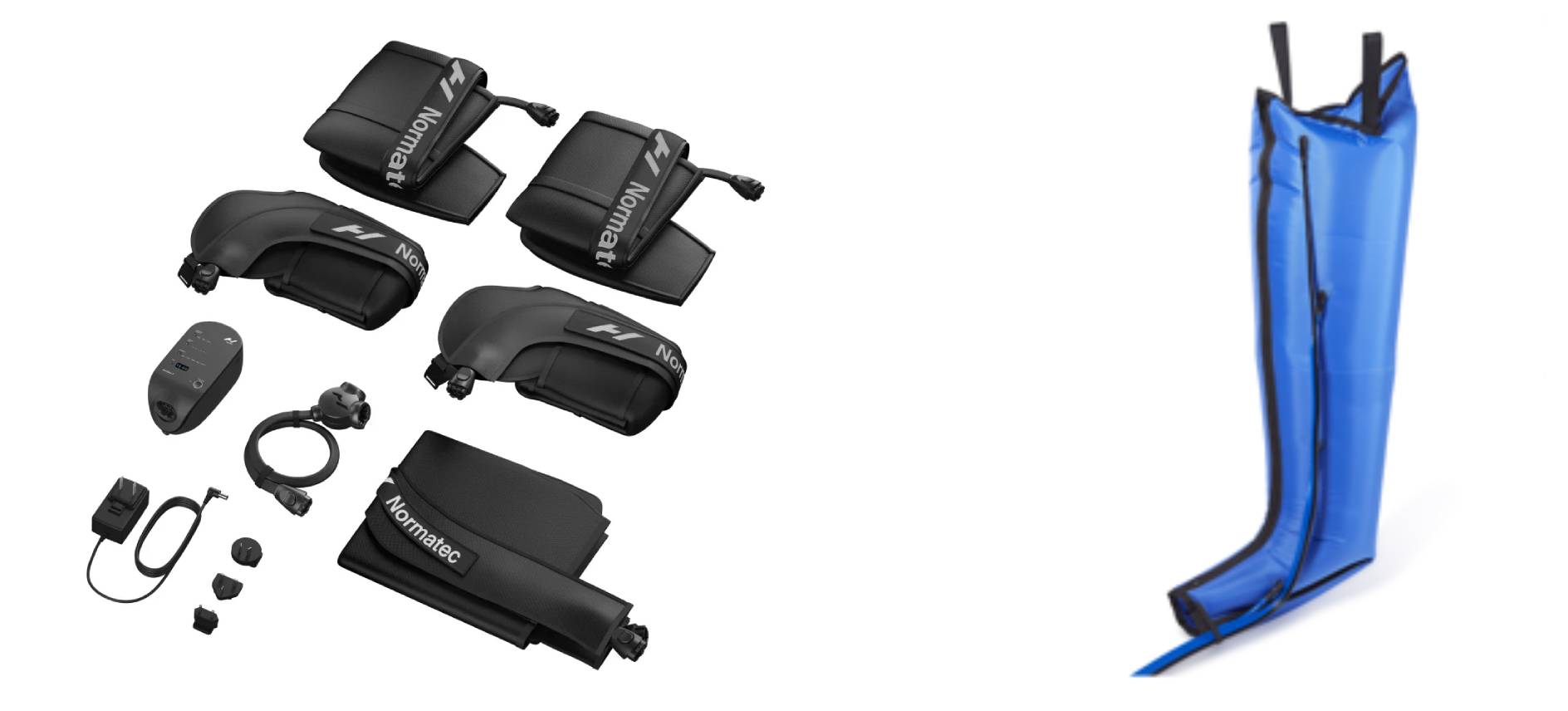
Recovery boots are full-leg pneumatic compression devices that inflate and deflate in a specific sequence to stimulate circulation, flush out metabolic waste, and reduce muscle soreness. They look like oversized pants or waders that zip up around your legs and connect to a control unit that manages the air pressure cycles.
Unlike compression sleeves or socks that provide static pressure, recovery boots actively pump — creating a wave of compression that moves from your feet up through your calves, knees, and thighs in sequence. This mimics and amplifies the natural pumping action of your muscles during exercise.
🏆 Pro fact: Recovery boots are standard equipment in the training rooms of NFL, NBA, and Premier League clubs. What was once a $3,000+ clinical device is now available for home use — delivering the same professional-grade recovery.
How Recovery Boots Work
The science behind recovery boots is called sequential pneumatic compression therapy. Here's what happens in a single cycle:
- Foot chamber inflates — creating the first wave of pressure at the base of your leg, pushing fluid upward.
- Calf chamber inflates — continuing the upward flush, targeting the largest muscle group in the lower leg.
- Knee chamber inflates — maintaining pressure and supporting joint circulation.
- Thigh chamber inflates — completing the full leg compression cycle.
- All chambers release — allowing a fresh rush of oxygenated blood to flood back into the muscles.
- Cycle repeats — typically every 60–90 seconds for 20–30 minutes.
The result: lactic acid and inflammatory byproducts are cleared out significantly faster than passive rest, while fresh nutrients and oxygen are delivered to damaged muscle tissue.

Recovery sessions between training days help athletes maintain performance and avoid overtraining injuries.
Who Should Use Recovery Boots?
Endurance Athletes
Runners, cyclists, and triathletes recovering between training sessions and races.
Team Sport Athletes
Football, basketball, soccer players with back-to-back game schedules.
Strength Athletes
CrossFit, powerlifting, and gym athletes recovering from heavy leg training.
Post-Surgery Patients
Reduce swelling and support healing after knee, hip, or leg procedures.
Older Adults
Manage circulation issues, leg swelling, and joint stiffness as part of daily wellness.
High-Mileage Travelers
Recover from long flights and road trips that cause leg swelling and fatigue.
Recovery Boots vs. Compression Sleeves: What's the Difference?
Both recovery boots and compression sleeves use compression therapy, but they work very differently:
- Recovery boots are active — they pump air in cycles, actively moving fluid through your legs. Best for post-workout recovery sessions of 20–30 minutes.
- Compression sleeves are passive — they provide constant graduated pressure throughout the day. Best for wearing during activity or managing chronic conditions.
- Recovery boots cover the entire leg from foot to hip. Sleeves target specific areas.
- Recovery boots deliver significantly more therapeutic benefit per session — but require you to sit still for 20–30 minutes.
Many athletes use both: compression sleeves during training to reduce fatigue, and recovery boots afterward to accelerate recovery.

Professional-grade recovery boots cover the full leg, from foot to hip, for comprehensive compression therapy.
How to Use Recovery Boots: A Simple Protocol
For post-workout recovery
- Wait 30–60 minutes after finishing your session
- 20–30 minutes at moderate pressure (40–60 mmHg)
- Use daily during heavy training blocks for best results
For race or game day recovery
- Use within 2 hours of finishing for maximum benefit
- 30 minutes at your normal pressure setting
- Elevate your legs slightly during the session
For post-surgery recovery
- Always get physician clearance before starting
- Begin at lowest pressure and increase gradually
- 2–3 sessions per day as tolerated
Sources & Clinical References
- 1. Haun CT, et al. "Effects of pneumatic compression on recovery after exercise." International Journal of Exercise Science. 2017;10(5):764-779.
- 2. Marcello RT, et al. "Intermittent pneumatic compression boot use elevates blood lactate clearance." Journal of Strength and Conditioning Research. 2019;33(S1):S150-S157.
- 3. Draper SN, et al. "Effects of intermittent pneumatic compression on delayed-onset muscle soreness." Journal of Athletic Training. 2020;55(12):1216-1223.
All product recommendations are informed by published clinical research. Your Health Sanctuary is committed to evidence-based recovery guidance.
⚙️ undefined
undefined
undefined
undefined
undefined
undefined
undefined
undefined
undefined
undefined
undefined
undefined
💡 Pro Tip: undefined
📋 Free Compression Therapy Comparison Guide
Not sure which compression system fits your recovery needs? Get our side-by-side comparison chart with pressure ranges, features, and use-case recommendations for every budget.
📞 Call for Personalized Compression Therapy Advice: (612) 360-2490Continue Your Research
- Compression Boots: The Complete Guide to Faster Recovery →
- Leg Compression Sleeve: Complete Guide to Benefits & Uses →
- Normatec 3 vs Rapid Reboot: Which Are Right for You? →
- Best Compression Boots for Recovery: Top Picks Compared →
- Compression Therapy Guide: How Recovery Boots & Sleeves Work →
- Recovery Boots vs Compression Sleeves: Which Is Right? →
Frequently Asked Questions
How long does a recovery boot session take?
Most sessions run 20–30 minutes — enough time for multiple compression cycles. You can use them while watching TV, reading, or relaxing. Longer sessions don't necessarily provide more benefit than a consistent 20-minute session.
How often should I use recovery boots?
Daily use is safe and beneficial for most healthy adults. During heavy training periods, once or twice daily is common among elite athletes. On rest days, a single session helps maintain circulation and reduces residual soreness.
Are recovery boots the same as NormaTec boots?
NormaTec is a brand of recovery boots — one of the most well-known. There are several professional-grade recovery boot systems available. The core technology (sequential pneumatic compression) is similar across quality brands, though pressure range, chamber design, and control options vary.
Can recovery boots help with varicose veins?
Yes. Pneumatic compression is a clinically recognized treatment for chronic venous insufficiency and varicose vein symptoms. However, if you have a diagnosed vascular condition, consult your physician before starting compression therapy.
Do recovery boots actually work or is it placebo?
The evidence is strong. Multiple peer-reviewed studies have shown that sequential pneumatic compression measurably reduces delayed onset muscle soreness (DOMS), improves range of motion after exercise, and accelerates lactate clearance compared to passive recovery. It's not placebo — the physiological mechanism is well understood.
Ready to Train Harder & Recover Faster?
Your Health Sanctuary carries professional-grade recovery boots used by clinics, physical therapists, and elite athletes.
Shop Recovery Boots Questions? Call us: (612) 360-2490Written by Justin Webster
Founder, Your Health Sanctuary
Justin Webster is the founder of Your Health Sanctuary, a recovery equipment resource dedicated to helping athletes, post-surgical patients, and chronic pain sufferers find evidence-based recovery solutions. With hands-on experience testing professional-grade devices from brands like Therabody, Game Ready, Bioflex, and HealthLight, Justin combines product expertise with clinical research to provide actionable recovery guidance. All recommendations are based on published clinical evidence and real-world testing.