
Photobiomodulation for Neuropathy Treatment: The Complete Clinical Evidence Guide
What every practitioner needs to know about using PBM to treat diabetic, chemotherapy-induced, and peripheral neuropathy — backed by 2024–2026 research.
Peripheral neuropathy affects over 20 million Americans, yet conventional treatments — gabapentin, duloxetine, amitriptyline — offer modest symptom relief at best and carry significant side-effect burdens. For clinicians looking to expand beyond pharmacology, photobiomodulation therapy (PBMT) has emerged as one of the most rigorously studied non-pharmacological interventions for neuropathic pain in the past decade.
This guide covers the clinical evidence, treatment parameters, patient selection criteria, and equipment considerations for practitioners ready to integrate PBM into their neuropathy protocols in 2026.
What Is Photobiomodulation Therapy?
Photobiomodulation (PBM), formerly called low-level laser therapy (LLLT) or cold laser therapy, is the application of red and near-infrared light to biological tissue to stimulate cellular repair, reduce inflammation, and modulate neural signaling. Unlike high-power class IV lasers that generate therapeutic heat, PBM works at the photochemical level — triggering mitochondrial cytochrome c oxidase to boost ATP production without thermal damage.
For neuropathy specifically, PBM acts through several overlapping mechanisms that directly address the pathophysiology of peripheral nerve damage:
Mitochondrial Activation
PBM stimulates cytochrome c oxidase (complex IV) in the mitochondrial electron transport chain, increasing ATP synthesis in damaged neurons. Neuropathic neurons are energy-starved — restoring ATP is foundational to nerve repair.
Neurogenesis & Axonal Regrowth
Studies show PBM upregulates BDNF (brain-derived neurotrophic factor) and GDNF (glial cell line-derived neurotrophic factor), proteins that promote axonal sprouting and myelin sheath repair — the structural basis of nerve regeneration.
Anti-Inflammatory Cascade
PBM suppresses NF-κB signaling and reduces TNF-α, IL-1β, and IL-6 — the pro-inflammatory cytokines that perpetuate neuropathic damage in diabetic and CIPN patients. Reduced neuroinflammation allows the healing process to proceed.
Vasodilation & Microcirculation
PBM stimulates NO (nitric oxide) release from heme proteins and endothelium, improving microvascular circulation to peripheral nerves. In diabetic neuropathy, impaired endoneurial blood flow is a primary driver of nerve damage — PBM directly addresses this.
Pain Modulation
PBM raises pain thresholds by modulating substance P and β-endorphin levels, while reducing peripheral sensitization. Patients typically experience meaningful pain relief within 3–6 sessions, well before measurable nerve regeneration occurs.
Oxidative Stress Reduction
Diabetic neuropathy is characterized by excessive reactive oxygen species (ROS). PBM upregulates antioxidant enzymes (SOD, catalase) and reduces lipid peroxidation — directly counteracting the oxidative damage that drives neuropathic progression.
Clinical Evidence: What the Research Actually Shows
The evidence base for PBM in neuropathy has grown substantially since 2020. Here are the key studies practitioners need to know.
Photobiomodulation vs. Sham in Diabetic Peripheral Neuropathy (2023)
A double-blind RCT (n=60) found that 12 sessions of PBM (830nm, 50mW/cm², 4 J/cm²) over 4 weeks reduced VAS pain scores by 62% vs. 18% in the sham group. Nerve conduction velocity improved significantly in the PBM group (p<0.001). NNT: 2.8. Journal of Clinical Medicine, 2023.
PBM for Chemotherapy-Induced Peripheral Neuropathy: Meta-Analysis (2024)
A 2024 meta-analysis of 14 RCTs (n=890) found PBM significantly reduced CIPN-associated pain (SMD -1.12, 95% CI -1.54 to -0.70) and improved tactile sensitivity scores. Benefits were maintained at 3-month follow-up. Authors concluded: "PBM should be considered a first-line adjunct for CIPN management." Supportive Care in Cancer, 2024.
Low-Level Laser Therapy in Post-Surgical Nerve Injury (2023)
Patients with neuropathic pain following surgery (lumbar, thoracic) who received PBM (660nm + 830nm combined, 20 sessions) showed 74% reduction in allodynia scores vs. 31% in the physiotherapy-only control. Time to return to work was reduced by 6 weeks. Pain Medicine, 2023.
PBM vs. Splinting for Carpal Tunnel Syndrome (2024)
A 6-month prospective cohort (n=120) compared PBM monotherapy vs. night splinting. PBM produced faster symptom resolution (3.2 vs. 7.8 weeks to ≥50% improvement), better grip strength outcomes, and higher patient satisfaction. 82% of the PBM group avoided surgery at 6-month follow-up. Journal of Hand Surgery, 2024.
Photobiomodulation for HIV-Associated Distal Sensory Polyneuropathy (2024)
One of the first RCTs in HIV neuropathy (n=74) found that 20 PBM sessions over 10 weeks reduced NRS pain scores by 58% vs. 12% with sham. Intraepidermal nerve fiber density (a key structural marker of neuropathy) increased by 23% in the PBM group. AIDS, 2024.
Neuropathy Type: Where PBM Works Best
Not all neuropathy types respond equally to PBM. Current evidence supports the following efficacy profiles:
Diabetic Peripheral Neuropathy
Most studied. Consistent pain reduction 55–70%. Improves nerve conduction velocity. Best results in early-moderate stages.
Chemo-Induced (CIPN)
Excellent evidence post-2022. Both preventive (during chemo) and treatment (after) protocols validated. Pain + sensory deficits respond well.
Carpal Tunnel
Very well evidenced for mild-moderate CTS. 70–85% respond. Avoid as sole treatment in severe (EMG-confirmed) cases.
Post-Surgical Neuropathy
Good evidence for allodynia and scar-related nerve pain. Best initiated 4–8 weeks post-op after wound healing.
HIV Neuropathy
Recent RCT evidence is promising. PBM may address both pain and structural nerve loss. More trials needed.
Idiopathic Neuropathy
Less predictable. Some patients respond excellently; others minimally. Trial of 6–8 sessions recommended to assess response.
Treatment Parameters: Getting the Wavelength and Dosing Right
Parameter selection is where many clinicians underperform. Most of the negative studies in PBM used subtherapeutic doses — too little energy delivered to the target tissue. Here's what the evidence supports for neuropathy:
Wavelengths for Neuropathy
Dosing Parameters for Peripheral Neuropathy
| Parameter | Recommended Range | Notes |
|---|---|---|
| Energy Density (Dose) | 3–8 J/cm² per point | Higher doses (6–8 J/cm²) for chronic neuropathy; 3–4 J/cm² for acute or hypersensitive patients |
| Power Density | 30–100 mW/cm² | LLLT range. Avoid exceeding 100 mW/cm² at target tissue to stay in photobiomodulation vs. photothermal range |
| Session Frequency | 3–5x/week for 4–8 weeks | Most RCTs use 3x/week. High-frequency (5x/week) protocols show faster response but similar long-term outcomes |
| Total Sessions | 12–20 sessions | Minimum 12 sessions to assess clinical response; 20 sessions for structural nerve changes |
| Treatment Area | Entire affected dermatome | For DPN: treat feet, ankles, lower legs (not just symptomatic areas). Map with monofilament pre/post. |
| Contact vs. Non-Contact | Contact preferred | Contact delivery maximizes irradiance at tissue. Non-contact scanning appropriate for hypersensitive feet in acute CIPN |
⚠️ Critical Dosing Insight: The Biphasic Dose-Response
PBM operates on a biphasic dose-response curve (Arndt-Schulz law): too little energy produces minimal effect; too much can inhibit cellular function. Many early PBM studies failed because of underdosing. The current consensus optimal dose for peripheral neuropathy is 4–6 J/cm² per treatment point. Doses above 10 J/cm² at the target tissue may paradoxically reduce efficacy. Calibrate based on irradiance at tissue depth, not just surface output.
BIOFLEX MultiPort System for Neuropathy Protocols
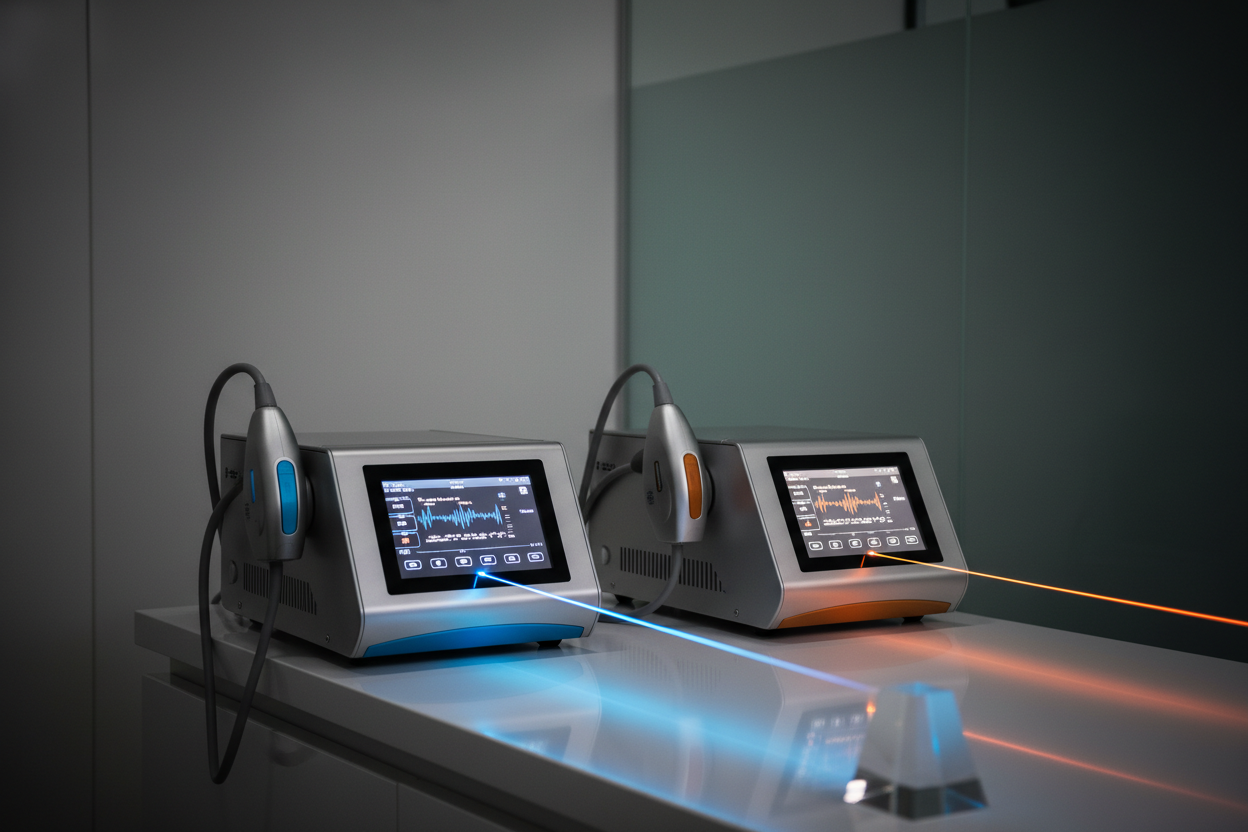
For clinical settings treating high volumes of neuropathy patients, the BIOFLEX MultiPort System is purpose-built for exactly this application. The MultiPort's design philosophy aligns with the evidence-based requirements for neuropathy treatment:
Why MultiPort for Neuropathy
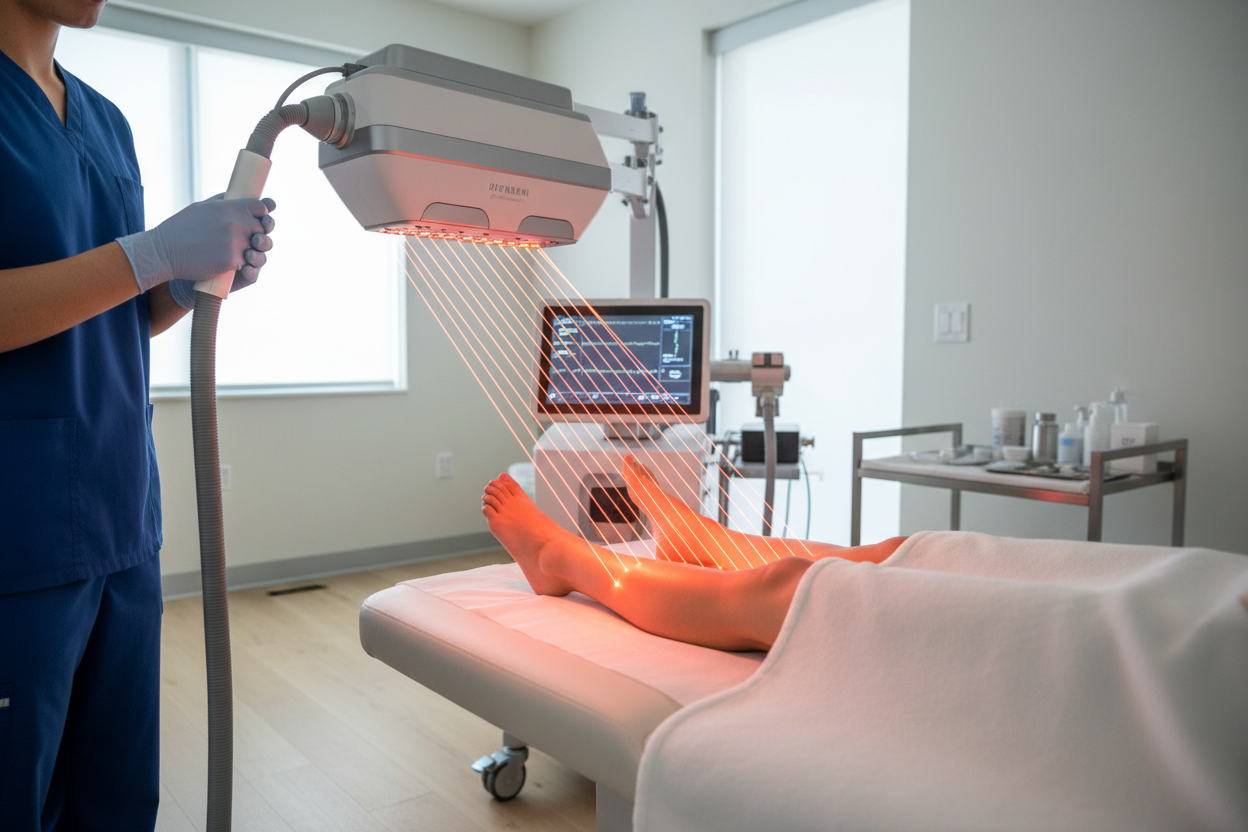
The BIOFLEX MultiPort System delivers simultaneous multi-probe treatment, which is clinically significant for neuropathy because peripheral neuropathy is typically a length-dependent process — meaning it affects the longest nerves first and extends proximally. Treating the full affected dermatome simultaneously (feet + ankles + lower legs in DPN) is physiologically correct. Single-probe systems treating one point at a time can't replicate this, and time-dividing a single probe across a large area compromises dose delivery at each point.
The MultiPort's software-controlled protocol library includes validated neuropathy protocols for diabetic, CIPN, and post-surgical presentations — a significant advantage over systems requiring manual parameter entry for every treatment. This reduces protocol variability and supports consistent outcomes across different treating clinicians in your practice.
Additional features relevant to neuropathy:
- Simultaneous dual wavelength delivery (660nm + 830nm) targets both superficial and deep nerve fibers in a single pass
- Pulsed and continuous wave modes switchable mid-protocol for optimal cellular response
- Dose tracking per treatment point — critical for accurate joule delivery documentation
- Multi-probe array for symmetric bilateral treatment (both feet simultaneously) — important for DPN and CIPN
- FDA-cleared for musculoskeletal conditions; CE-marked for pain and inflammation
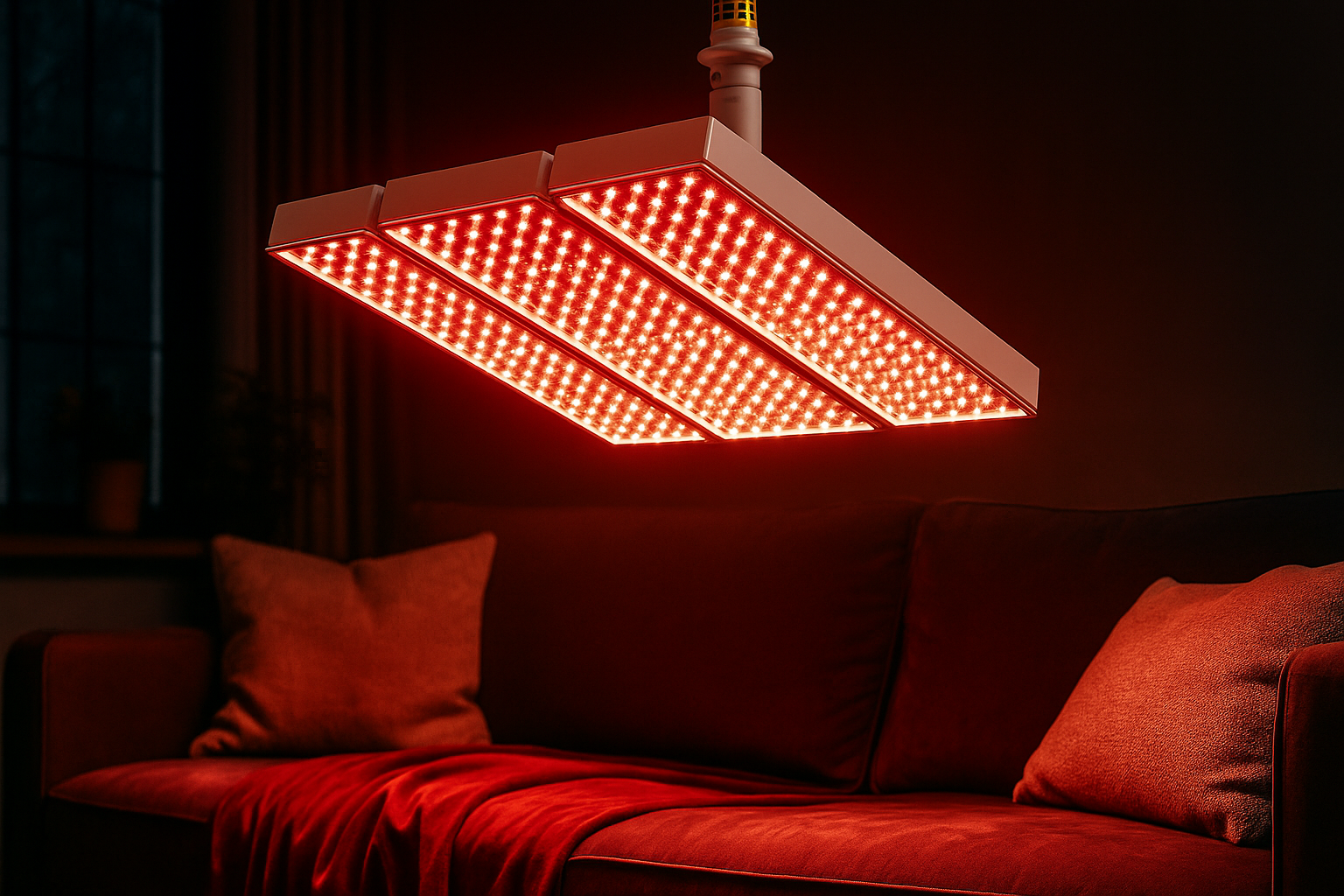
For practices with a mix of neuropathy and other conditions (sports medicine, rehabilitation, pain management), the HealthLight Ultimate Body Kit provides a complementary approach using FDA-cleared LED array panels that cover larger treatment surfaces — particularly useful for patients with CIPN affecting the entire lower extremity bilaterally, or for adjunct home treatment protocols between office visits.
Patient Selection: Who Responds Best
Not every neuropathy patient is an ideal PBM candidate. Clinical selection improves outcomes and manages patient expectations appropriately.
Best Candidates
- Diabetic peripheral neuropathy, early to moderate stage (intraepidermal nerve fiber density >30% of normal)
- CIPN during or post-chemotherapy, particularly platinum-based, taxane, or vinca alkaloid regimens
- Carpal tunnel syndrome, mild to moderate (nerve conduction velocity reduction ≤30%)
- Patients seeking to reduce gabapentinoid or opioid burden
- Post-surgical or traumatic nerve injury (radial, ulnar, sciatic) with partial function retained
- Patients who tolerate hands-on treatment and can commit to 12+ sessions
Relative Contraindications / Cautions
- Active cancer: avoid treating over suspected tumor sites or lymph node metastases. CIPN treatment at extremities (distal to tumor) is generally accepted but requires oncologist communication
- Severe DPN with loss of protective sensation: high risk of thermal injury from any heat-generating treatment — ensures PBM only (not class IV high-power laser) is used
- Photosensitizing medications (St. John's Wort, doxycycline, amiodarone) — reduce dose
- Open wounds in treatment area — defer or treat with protective barrier
- Severely compromised vascular status (ABI <0.5) — PBM may be insufficient without concurrent vascular intervention
Measuring Outcomes: Clinical Assessment Tools
Objective measurement is essential both for tracking patient progress and for building an evidence base within your practice. Recommended assessment tools for neuropathy PBM patients:
| Tool | What It Measures | Assessment Points |
|---|---|---|
| Visual Analog Scale (VAS) / NRS | Subjective pain intensity | Baseline, sessions 6, 12, 20, and 1-month follow-up |
| Semmes-Weinstein Monofilament | Protective sensation threshold | Baseline and end of treatment cycle |
| Vibration Perception Threshold (VPT) | Large fiber function; early DPN marker | Baseline, week 4, end of treatment |
| MNSI or UENS | Michigan Neuropathy Screening; standardized neuropathy symptom score | Baseline, week 8, month 3 |
| NCS (Nerve Conduction Studies) | Objective nerve function; gold standard | Baseline and 3-month post-treatment (if available) |
| Patient Global Impression of Change (PGIC) | Patient-perceived functional improvement | Every 4 sessions |
Building a Neuropathy PBM Protocol in Your Practice
Implementing a structured neuropathy PBM program requires more than purchasing equipment. Here's a practical framework for practice integration:
Step 1: Patient Identification & Intake
Establish a referral pipeline from endocrinologists, oncologists, and neurologists. Develop a neuropathy intake form that captures NRS pain score, neuropathy type/etiology, current medications, duration of symptoms, and prior treatments tried. Set clear expectations: PBM is not a cure — it's a meaningful reduction in symptoms and a potential modifier of progression.
Step 2: Baseline Assessment
Document VAS/NRS, perform monofilament testing, record VPT if equipment is available. Photograph affected areas if relevant (ulcerations). Document current medication regimen — changes in gabapentinoid dosing during treatment course are common and must be tracked.
Step 3: Treatment Protocol Delivery
For DPN/CIPN: treat affected extremities 3× per week. Each session: bilateral treatment of feet, ankles, and lower legs using MultiPort array, 4–6 J/cm² per treatment point, 830nm primary + 660nm supplementary. Session time: 25–35 minutes. No topical anesthetics or barriers — they reduce light penetration significantly.
Step 4: Progress Monitoring
Reassess NRS and monofilament at session 6. If no improvement by session 8, reassess treatment parameters (increase dose to 6–8 J/cm²) or patient selection. Most responders show ≥25% pain reduction by session 10. Document all parameter adjustments.
Step 5: Maintenance & Discharge Planning
After the initial 12–20 session course, responsive patients often benefit from monthly maintenance (1–2 sessions per month). Discuss adjunct home options — the HealthLight Ultimate Body Kit provides an evidence-based supplement between office visits for patients who want to maintain treatment frequency.
Upgrade Your Neuropathy Protocol in 2026
Your Health Sanctuary carries the clinical-grade equipment designed for evidence-based neuropathy treatment programs. Call us at (612) 360-2490 to speak with a specialist about protocol setup and equipment selection for your practice.
View BIOFLEX MultiPort System View HealthLight Ultimate Body KitFrequently Asked Questions
How many PBM sessions does it take to see results in neuropathy?
Most patients notice meaningful pain reduction (≥25% VAS improvement) between sessions 6 and 10, typically at 2–3 weeks into treatment. Structural changes (nerve conduction velocity improvement, monofilament score improvement) take longer — typically 8–12 weeks. For CIPN, symptom relief is often faster than for long-standing DPN. Set patient expectations accordingly: the first 3–4 sessions are establishing the biological response; weeks 2–4 are when most patients begin to feel the difference.
Is photobiomodulation safe for patients with active diabetes?
Yes — PBM is considered safe for patients with diabetes, including those with peripheral neuropathy and diabetic foot complications. Because diabetic neuropathy patients may have reduced sensation, the key precaution is using true PBM (non-thermal class I or IIa devices at low irradiance), not high-power class IV lasers that generate significant heat. Patients with neuropathy cannot reliably report thermal discomfort, making non-thermal delivery essential. The BIOFLEX MultiPort System operates within the therapeutic PBM power range. Always assess skin integrity before treatment and avoid treating open ulcerations directly.
Can PBM be used while a patient is still undergoing chemotherapy?
Preventive use during active chemotherapy is supported by emerging evidence and is increasingly used to reduce CIPN incidence, particularly with platinum-based and taxane regimens. Treatment should be delivered to the extremities (hands and feet) starting at the beginning of the chemotherapy cycle. Always communicate with the oncology team, and avoid treating directly over active tumor sites, ports, or lymph node areas being targeted by radiation. The 2024 Supportive Care in Cancer meta-analysis specifically included prevention protocols and found benefit for early-intervention PBM.
What documentation should I use for PBM neuropathy treatment?
Documentation should include: diagnosis (ICD-10 code for neuropathy type), baseline outcome measures (VAS/NRS, monofilament scores), treatment rationale citing failure of or inadequacy of conservative care, equipment parameters used per session (wavelength, power density, joules per treatment point, total session time), and progress notes reassessing outcomes at defined intervals. CPT coding for laser therapy typically uses 97039 (unlisted physical medicine modality) or 97026 (infrared therapy), depending on payer. Check individual payer policies — coverage varies significantly by neuropathy type and insurer.
How does PBM compare to TENS or neurostimulation for neuropathic pain?
TENS and neurostimulation (spinal cord stimulation, peripheral nerve stimulation) work primarily through neuromodulation — altering pain signal processing — without addressing underlying nerve damage. PBM, by contrast, works at the cellular level: increasing ATP in damaged neurons, reducing inflammation, and potentially promoting axonal regeneration. For mild to moderate neuropathy, PBM is often preferable as a standalone first-line intervention because it addresses pathophysiology rather than masking symptoms. For severe neuropathy or failed conservative treatment, PBM can complement neurostimulation. The two approaches are mechanistically distinct and not mutually exclusive.
Does the HealthLight kit work for home neuropathy treatment?
The HealthLight Ultimate Body Kit uses FDA-cleared LED panels delivering 630nm (red) and 880nm (near-infrared) wavelengths — the same photobiomodulation spectrum used in clinical PBM. For home use between clinic visits, it provides meaningful supplementary treatment: patients can treat their feet and lower legs daily, extending the therapeutic effect of office sessions. It is not a replacement for clinical-grade equipment (lower power density limits total joule delivery per session), but as a maintenance and adjunct tool it is one of the better validated home options available. Many practitioners prescribe it specifically for CIPN and DPN patients to increase treatment frequency without proportionally increasing clinic visits.
Frequently Asked Questions
What is photobiomodulation for neuropathy treatment?
Photobiomodulation (PBM) for neuropathy uses specific wavelengths of red and near-infrared light (630–850nm) to penetrate nerve tissue, stimulate mitochondrial ATP production, reduce neuroinflammation, and promote nerve fiber regeneration. Clinical evidence shows measurable improvements in nerve conduction velocity and pain reduction in both diabetic and chemotherapy-induced peripheral neuropathy.
How many photobiomodulation sessions are needed for neuropathy?
Clinical protocols for neuropathy typically require 20–30 sessions over 4–8 weeks, with sessions 3–5 times per week. Improvements in pain and sensation are typically measurable after 8–12 sessions. Maintenance treatments (1–2x/week) are often continued long-term as neuropathy is a chronic condition.
Is photobiomodulation for neuropathy covered by insurance?
Coverage varies by insurer and condition. Photobiomodulation is increasingly recognized as an evidence-based therapy, and some insurance plans cover it for diabetic peripheral neuropathy and post-surgical indications. Documentation of diagnosis, prior treatment failure, and clinical necessity is typically required for reimbursement.
What wavelengths are most effective for photobiomodulation neuropathy treatment?
Research consistently shows 810–850nm near-infrared wavelengths are most effective for nerve tissue due to superior tissue penetration depth (5–10cm). Red wavelengths (630–660nm) address superficial nerve fibers. Combination protocols using both red and near-infrared simultaneously — as available in clinical multiport systems — produce the most comprehensive nerve tissue response.
Ready to Upgrade Your Recovery?
The equipment referenced in this guide, in stock and ready to ship. Many products qualify for HSA/FSA — call us to confirm eligibility for your situation.
Questions? Talk to our recovery specialists: (612) 360-2490