
Lymphedema Boots vs Compression Boots: Key Differences
A caregiver called me recently because her mother had one leg that stayed swollen after cancer treatment. She had found a pair of athletic recovery boots online and asked a very reasonable question: “Aren’t these basically the same as lymphedema boots?”
They can look almost identical in photos. Both wrap around the leg. Both use air chambers. Both apply intermittent pressure. But they are not always designed, prescribed, or used for the same job.
I’m Justin Webster, owner of Your Health Sanctuary. After spending my career helping build more than 20 niche medical clinics across the USA and working alongside dozens of MDs, I’ve learned one thing about compression equipment: the label on the box matters less than the medical indication, garment design, pressure pattern, and patient screening behind it.
The short answer is this: lymphedema boots are medical pneumatic compression systems used as part of lymphedema management, while compression boots are a broader category that may include athletic recovery boots, circulation boots, post-surgery compression systems, and medical edema devices. Some overlap exists, but a person with diagnosed lymphedema should not choose based on price or popularity alone.
According to the 2020 Consensus Document of the International Society of Lymphology, lymphedema care is usually built around a broader plan that may include skin care, exercise, compression garments, manual lymph drainage, and, in selected cases, intermittent pneumatic compression. That context is what separates a medical lymphedema pump from a general recovery boot.
Quick comparison: lymphedema boots vs compression boots
| Feature | Lymphedema boots | General compression boots |
|---|---|---|
| Main purpose | Help manage lymph fluid buildup in diagnosed lymphedema or chronic edema | Support recovery, circulation, soreness relief, travel swelling, or general leg comfort |
| Typical user | Lymphedema patient, post-cancer patient, chronic swelling patient, wound or vascular clinic patient | Athlete, runner, active adult, traveler, post-workout user, some post-surgery users with clinician clearance |
| Medical oversight | Usually recommended, prescribed, or monitored by a clinician or lymphedema therapist | Often purchased directly by consumers, unless used after surgery or for a medical condition |
| Garment design | May require full-leg, thigh, hip, pelvis, or trunk coverage depending on swelling pattern | Usually leg-only boots, sometimes with hip or arm attachments depending on system |
| Pressure control | Often more clinically configurable and selected around tissue status, tolerance, and medical risk | Often preset or simplified for convenience and recovery use |
| Insurance pathway | May be eligible under medical equipment rules when criteria are met | Usually out-of-pocket for wellness or athletic recovery use |
| Biggest risk if misused | Moving fluid into untreated areas, discomfort, skin problems, or using compression when contraindicated | Excess pressure, discomfort, bruising, or use in someone who needed medical evaluation first |
The main takeaway: all lymphedema boots are compression devices, but not all compression boots are appropriate lymphedema boots.
What are lymphedema boots?
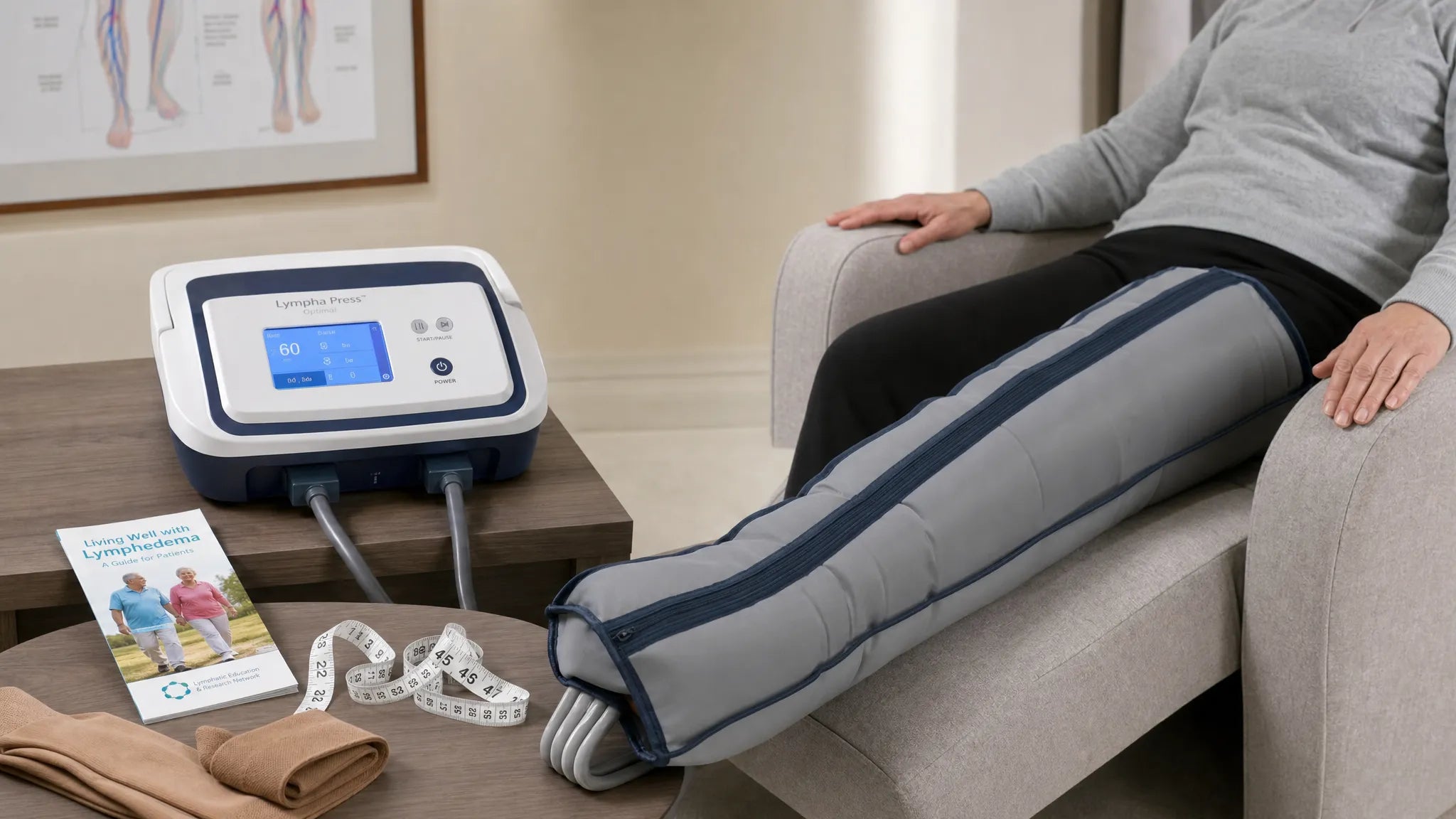
“Lymphedema boots” is a consumer-friendly phrase for pneumatic compression leg garments used with a pump. In clinical language, you will often hear terms like intermittent pneumatic compression, sequential compression device, gradient compression pump, or pneumatic compression appliance.
Lymphedema itself is chronic swelling caused by impaired lymphatic drainage. It can happen after lymph node removal, radiation therapy, cancer treatment, infection, trauma, obesity-related lymphatic overload, or congenital lymphatic problems. The International Society of Lymphology describes lymphedema as a condition that can progress over time if not properly managed, which is why long-term care usually matters more than any single device session.
A true lymphedema boot setup is usually chosen around a few clinical questions:
- Where does the swelling start and stop?
- Is the foot involved?
- Does swelling extend above the knee?
- Is there genital, hip, abdominal, or trunk swelling?
- Is the tissue soft, fibrotic, painful, or fragile?
- Does the patient have arterial disease, heart failure, active infection, or a blood clot concern?
That last group of questions is not paperwork. It changes what device is safe, what garment coverage makes sense, and how much pressure should be used.
Clinical evidence supports pneumatic compression as an adjunct in selected lymphedema patients. For example, a 2014 study on lower-limb lymphedema reported limb-volume and tissue improvements with long-term intermittent pneumatic compression use. That does not mean every boot works for every patient. It means the right compression system can be useful when it fits the diagnosis and care plan.
What are general compression boots?
Compression boots are a much broader category. Most people use the term for recovery boots worn by athletes, runners, cyclists, weightlifters, or active adults after training. These devices inflate and deflate air chambers around the legs to create a squeezing pattern.
In the wellness and sports market, compression boots are typically used for leg comfort, post-workout recovery routines, perceived heaviness, and relaxation after long periods of standing or travel. In clinics, similar technology may be used for post-surgical swelling, edema management, or circulation support, but the indication depends on the specific device and clinician instructions.
This is where buyers get confused. A premium athletic boot may be well built, comfortable, and useful for recovery, but still not be the best match for a person with Stage 2 lower-extremity lymphedema and thigh or pelvic involvement. On the other hand, a medical pneumatic compression system may be unnecessary for a healthy runner who simply wants a recovery tool after marathon training.
At Your Health Sanctuary, we carry professional-grade recovery and wellness equipment because different users need different tools. A pneumatic compression system for a clinic, a recovery boot for an athlete, and a cold compression system after orthopedic surgery can all be valuable, but they solve different problems.
Difference 1: medical indication matters more than appearance
The first difference is why the device is being used.
If you have diagnosed lymphedema, the goal is not just “better circulation.” The goal is to help manage lymphatic fluid buildup as part of a broader plan that may include compression garments, decongestive therapy, exercise, skin care, and clinician monitoring. The ISL consensus also cautions clinicians to watch for proximal fluid displacement when pneumatic compression is used, meaning fluid can be pushed into nearby areas if the treatment path is not well planned.
If you are using athletic compression boots, the goal is usually recovery and comfort. That is a very different endpoint. You are not trying to treat a chronic lymphatic disorder, prevent tissue progression, or coordinate care around skin integrity and garment wear.
This is why I tell customers to ask one question before buying: Do you have a diagnosis, or do you have a recovery goal?
If you have a diagnosis, shop like a patient. If you have a recovery goal, shop like an athlete or active adult.
Difference 2: garment coverage can make or break the result
With lymphedema, the garment is not just an accessory. It is the treatment interface.
A leg-only recovery boot may cover the foot, calf, and thigh, but some lymphedema patients need more than that. If swelling extends into the upper thigh, groin, pelvis, or trunk, a clinician may look for garments that address those areas or may use a different treatment strategy altogether.
That is not because bigger is automatically better. It is because lymph fluid needs somewhere safe to move. A device that squeezes the lower leg without considering upstream swelling may feel good at first but fail to address the full pattern.
For general recovery, leg-only boots are often perfectly reasonable. A runner with heavy calves after a long run does not usually need pelvic or trunk coverage. A patient with complex secondary lymphedema might.
Difference 3: pressure settings should not be a “more is better” contest
One mistake I see often is assuming the strongest boot is the best boot. That is not how medical compression works.
Pressure needs depend on the person, the tissue, the condition, and the device design. A high-pressure session may be uncomfortable or inappropriate for some patients. A lower, well-tolerated setting used consistently may be more useful than an aggressive setting someone quits after three sessions.
This is especially true in lymphedema. Tissue can be sensitive, fibrotic, or fragile. Some patients also have neuropathy, diabetes, vascular disease, or a history of wounds. Those factors change the risk profile. An international consensus statement on medical compression risks and contraindications notes that compression requires caution in certain vascular, nerve, skin, and cardiac conditions.
For athletic compression boots, pressure is often selected by comfort and recovery preference. For lymphedema boots, pressure should be selected in the context of a medical plan.
Difference 4: FDA clearance and labeling are device-specific
“FDA cleared” is not a universal stamp that means a device is appropriate for every condition. FDA clearance is tied to a device’s specific intended use, labeling, and predicate comparison.
Before buying any compression device for a medical condition, check the manufacturer’s indications and, when relevant, verify the device through the FDA 510(k) database. Look for the actual indication language. A device cleared for temporary relief of muscle aches or circulation support is not automatically the same as a device intended for lymphedema or chronic edema management.
For healthy recovery users, this may be less complicated. For clinics, caregivers, and diagnosed patients, it matters a lot.
Difference 5: insurance and documentation usually apply to lymphedema devices, not recovery boots
Medical lymphedema pumps may be covered by insurance when criteria are met. Athletic recovery boots usually are not.
Medicare’s National Coverage Determination for pneumatic compression devices outlines coverage rules for certain home pneumatic compression devices, including requirements around diagnosis, physician oversight, and conservative therapy. Commercial insurance plans vary, but documentation is almost always the difference between “medical equipment” and “wellness purchase.”
If you are buying for lymphedema, ask about:
- Diagnosis documentation
- Prescription requirements
- Conservative therapy history
- Limb measurements
- Garment type and coverage area
- Trial requirements, if applicable
- Supplier documentation support
If you are buying for athletic recovery, the decision is usually simpler: choose the right size, pressure range, portability, attachments, and support.
Which one should you choose?
| Situation | Better starting point | Why |
|---|---|---|
| Diagnosed lower-extremity lymphedema | Medical lymphedema pneumatic compression system | The device needs to match the diagnosis, limb pattern, safety profile, and clinician plan |
| Mild post-workout leg soreness | Athletic recovery compression boots | The goal is recovery comfort, not medical edema treatment |
| Swelling after orthopedic surgery | Surgeon-directed compression or cold compression system | Post-surgical swelling needs timing and contraindication guidance from the surgical team |
| Chronic venous insufficiency with leg swelling | Medical evaluation before device selection | Venous disease and lymphedema can overlap and may require different compression strategies |
| One leg suddenly becomes swollen, red, hot, or painful | Medical evaluation before any boot use | Sudden unilateral swelling can signal conditions that should not be self-treated |
| Clinic buying for mixed patient needs | Medical-grade pneumatic compression with clear indications and documentation | Clinics need repeatable protocols, appropriate garments, staff training, and compliance records |
For clinics, the equipment decision is only one part of the workflow. Multi-location practices also have to manage scheduling, inventory, billing, patient documentation, and reporting. I’ve seen clinics lose efficiency because their back-office systems could not keep up with their clinical growth. For that side of the business, an AI and NetSuite consulting partner can be useful when a practice needs ERP, automation, and integration support around operations.
When athletic compression boots may not be enough
Athletic compression boots can be excellent recovery tools for the right person. But they may not be enough if you have a medical swelling condition.
Be cautious if you have:
- Diagnosed lymphedema
- Swelling that reaches the thigh, groin, pelvis, or abdomen
- A history of cellulitis or frequent skin infections
- Open wounds or fragile skin
- Peripheral artery disease
- Heart failure or major cardiac history
- Diabetes with reduced sensation
- New, unexplained, one-sided leg swelling
This does not mean every person on that list can never use pneumatic compression. It means the device should be selected with medical input, not guessed from an online product photo.
What to look for in lymphedema boots
If you are specifically shopping for lymphedema boots, compare devices differently than an athlete would.
Start with indication language. The device should be appropriate for lymphedema or chronic edema management, not just general recovery. Then look at garment coverage. A foot and calf boot may not be enough for thigh or proximal swelling.
Next, evaluate pressure control and chamber sequencing. Lymphedema care often benefits from thoughtful distal-to-proximal movement and adjustability, but the exact protocol should come from the clinician or device instructions.
Also look at support. A medical compression device is not a foam roller. You may need help with sizing, setup, contraindication screening, maintenance, replacement garments, and documentation. This is one reason Your Health Sanctuary focuses on professional-grade, clinic-trusted equipment with detailed product specs and expert customer support.
What to look for in recovery compression boots
If you do not have lymphedema and are buying compression boots for recovery, your checklist is different.
Focus on fit, comfort, pressure range, ease of use, portability, attachment options, warranty, and whether the system matches your routine. A marathon runner may value portability and full-leg coverage. A strength athlete may care more about durable construction and a strong pump. A clinic may want multiple attachment options and fast cleaning between users.
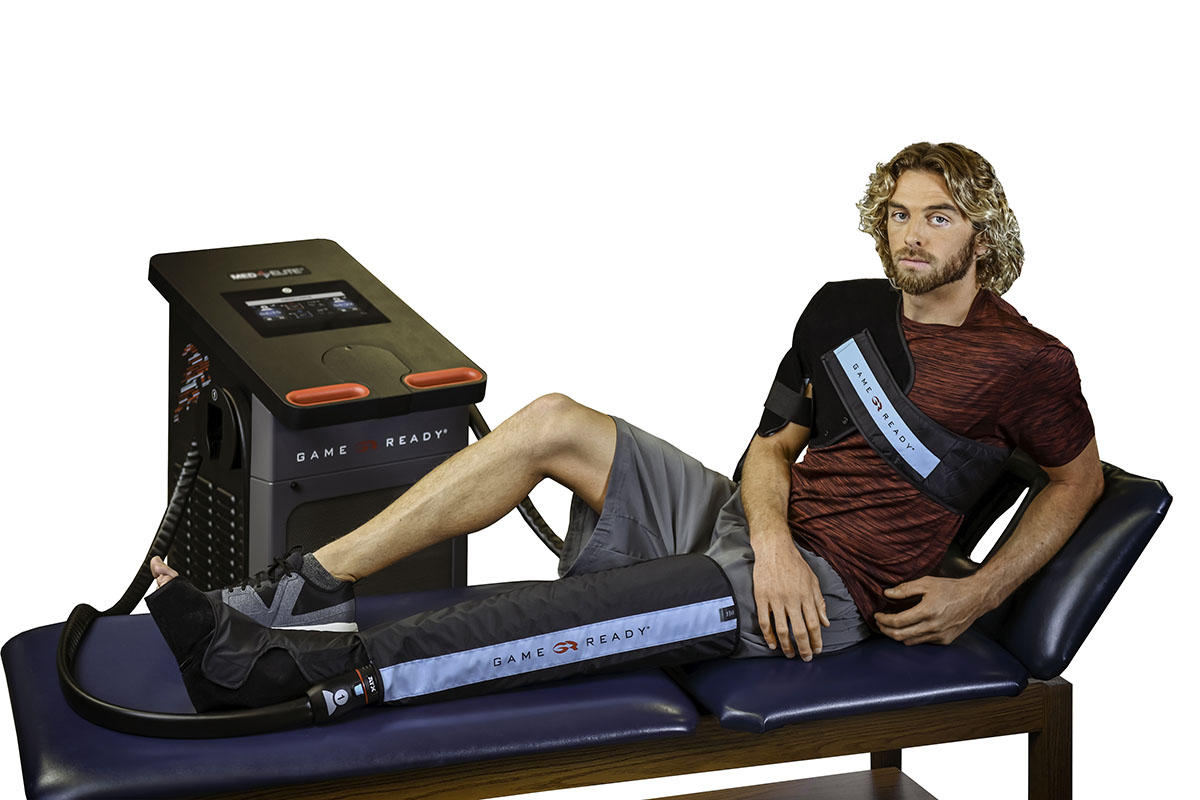
If your main goal is post-surgery recovery, ask your surgeon whether pneumatic compression, cold compression, or both make sense. Devices like Game Ready cold compression systems serve a different role than standard recovery boots because they combine controlled cold therapy with intermittent compression for post-injury or post-operative use under appropriate guidance.
How lymphedema boots fit into a real care plan
Lymphedema boots are not a cure. They are one tool.
A complete plan may include compression garments, exercise, skin care, elevation when appropriate, manual lymph drainage, weight management support, wound care, and infection monitoring. The ISL consensus describes lymphedema treatment as multi-component care, not a single device solution.
That matters because a pump session may reduce limb heaviness or volume for some people, but what happens during the other 23 hours of the day is just as important. If the patient removes the boot and does not wear prescribed garments, fluid may return. If skin is not protected, infection risk can rise. If the wrong garment is used, swelling may shift rather than improve.
The best results I’ve seen in clinics came from matching the device to the patient, teaching the routine clearly, and measuring progress over time.
Frequently asked questions
Are lymphedema boots the same as compression boots? No. Lymphedema boots are a type of pneumatic compression device used for a diagnosed lymphatic swelling condition. Compression boots is a broader term that also includes athletic recovery boots and general wellness devices.
Can I use athletic compression boots for lymphedema? Sometimes a clinician may allow pneumatic compression as part of a lymphedema plan, but you should not assume athletic recovery boots are appropriate. The issue is not only pressure. It is indication, garment coverage, swelling pattern, skin status, and contraindications.
Do lymphedema boots require a prescription? Many medical pneumatic compression devices used for lymphedema are prescribed or documented by a clinician, especially when insurance coverage is involved. Cash-pay rules can vary by supplier and device, but medical oversight is still smart for diagnosed lymphedema.
How long should you use lymphedema boots? Follow the prescription, device labeling, and your lymphedema therapist’s plan. Session length and frequency vary by device, stage of swelling, tolerance, and whether the goal is decongestion or maintenance.
Can compression boots make lymphedema worse? They can be the wrong tool if garment coverage, pressure, or patient screening is inappropriate. The ISL specifically notes the need to watch for proximal fluid displacement with pneumatic compression, which is why complex lymphedema should be managed with clinical guidance.
Are lymphedema boots covered by Medicare or insurance? They may be covered when medical necessity criteria are met. Medicare has specific coverage rules for pneumatic compression devices, and commercial plans have their own documentation requirements.
Should compression boots hurt? No. Compression should feel firm but not painful. Stop using the device and seek medical guidance if you develop numbness, unusual pain, skin color changes, shortness of breath, chest symptoms, or sudden worsening swelling.
Which is better for post-surgery swelling, lymphedema boots or compression boots? It depends on the surgery and the reason for swelling. Orthopedic patients are often better served by surgeon-directed cold compression or pneumatic compression protocols. Lymphedema patients need a lymphedema-specific plan.
Need help choosing the right compression device?
If you are comparing lymphedema boots vs compression boots, do not start with the brand. Start with the problem you are trying to solve.
For diagnosed lymphedema, chronic edema, or clinic use, look at medical-grade pneumatic compression options and confirm the right garment coverage. For athletic recovery, a high-quality recovery boot system may be the better fit. For post-surgery swelling, cold compression or clinician-directed pneumatic compression may be more appropriate.
Your Health Sanctuary carries professional-grade recovery and wellness devices for home and clinic use, including pneumatic compression, cold compression, red light therapy, cold laser therapy, percussion massage, and whole-body vibration equipment. We offer detailed product specs, free shipping, a price match guarantee, flexible financing options, and responsive support so you can choose with confidence instead of guessing.