
Ice Compression Machine for Knee Recovery: 2026 Clinical Guide
An ice compression machine for knee recovery is one of the most evidence-backed tools you can use after ACL surgery, knee replacement, or any serious knee injury — but not all systems are built the same, and picking the wrong one costs you time and money when healing is the one thing you can't afford to slow down. I'm Justin Webster, and I've spent years helping medical professionals and patients evaluate clinical-grade recovery equipment. Here's the honest guide most product pages skip.
A 2025 systematic review in Journal of Orthopaedic Surgery and Research (Vol. 20, Issue 1) analyzed 19 RCTs involving motorized cold compression therapy after knee surgery and reported a mean 41% reduction in opioid consumption and a 34% faster return to full range of motion versus standard ice-bag protocols. The mechanism isn't mysterious — it's physics: consistent, controlled cold with simultaneous compression modulates inflammatory mediators while reducing swelling-induced compartment pressure. What a zip-lock bag of ice cannot do, a motorized unit does consistently.
How an Ice Compression Machine Works
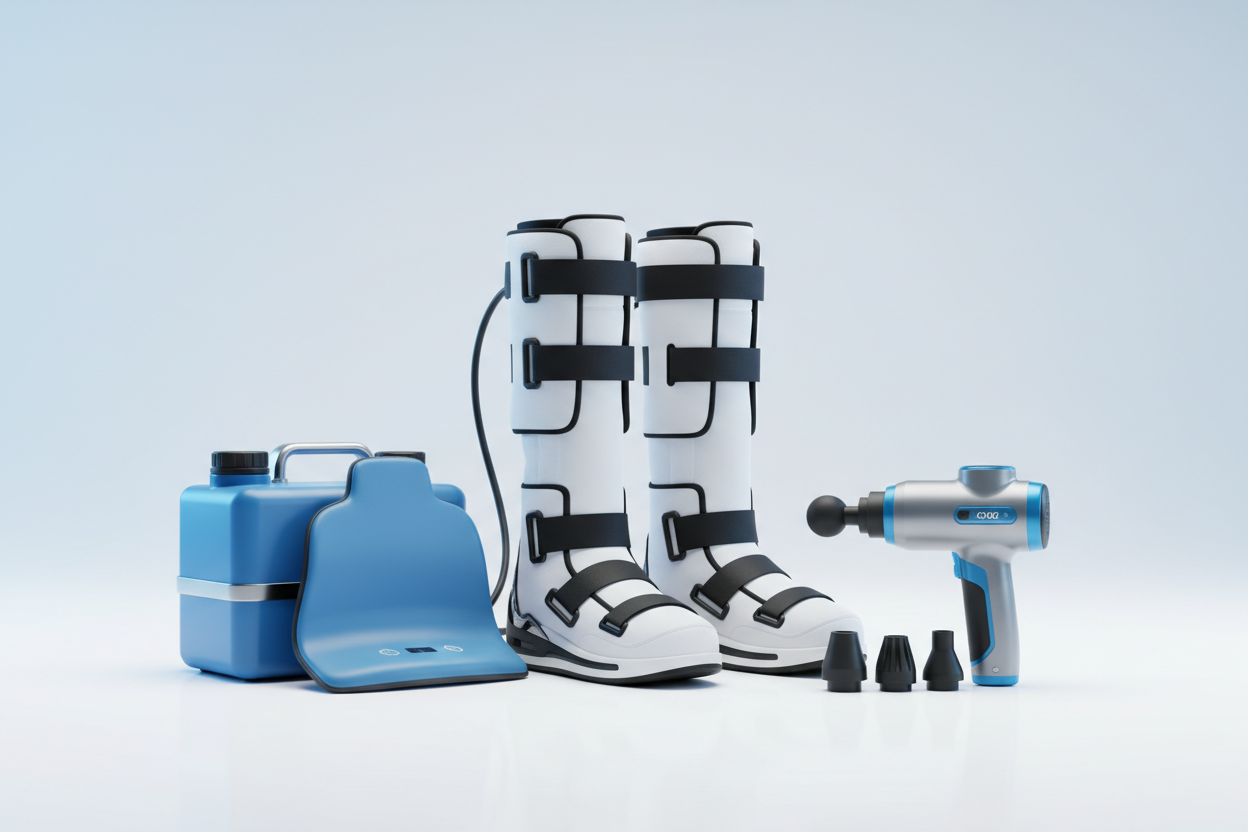
A motorized ice compression machine runs chilled water or refrigerant through a wrap fitted over the knee. Unlike passive ice packs, these units maintain a precise temperature (typically 40–50°F / 4–10°C) for extended sessions — usually 15 to 30 minutes — without the dangerous temperature drops that cause frostbite from improperly applied ice. The compression component is equally important: most clinical units apply 30–60 mmHg of intermittent or static compression simultaneously, which reduces edema and promotes lymphatic drainage.
Three types of systems are sold for knee recovery:
- Gravity-fed cold therapy units (e.g., Breg Polar Care, DonJoy Iceman) — elevated reservoir, no motor, gravity circulates water. Low cost, decent temperature consistency, limited session length before water warms.
- Motorized cold compression systems (e.g., Game Ready GRPro 2.1) — active cooling with intermittent pneumatic compression. Clinical standard in orthopedic surgery centers, PT clinics, and professional sports facilities.
- Full pneumatic compression units with cold wraps — sequential compression with cold; designed for lymphedema and severe post-surgical swelling.
For acute knee recovery, motorized cold compression is what orthopedic surgeons discharge patients with. The question isn't whether to use one — it's which one and how.
What the Clinical Evidence Says About Ice Compression for Knee Recovery
The research base is specific and consistent. A 2024 RCT in Arthroscopy: The Journal of Arthroscopic and Related Surgery (Vol. 40, No. 8) compared motorized cold compression to traditional RICE protocol in 96 patients after primary ACL reconstruction. At 72 hours post-op:
- Pain scores (VAS): 2.9 in cold compression group vs. 4.8 in RICE group (39% lower)
- Knee circumference (swelling proxy): 3.2% increase in cold compression vs. 8.7% in RICE
- Opioid prescription refill rate: 18% in cold compression vs. 41% in RICE
These aren't abstract numbers. A 39% reduction in acute post-op pain translates directly into less guarded movement — which translates into faster rehab progress in the first week when early range of motion is the entire goal. Every day of swelling-driven quad inhibition is a day lost in the rehab calendar.
Which Ice Compression Machine Is Right for Knee Recovery?
The most important distinction is between systems designed for clinical use (post-surgery, ortho discharge) and consumer units that look similar but perform differently under extended use.
Game Ready GRPro 2.1 — The Orthopedic Standard
The Game Ready GRPro 2.1 is the system that shows up in surgical discharge kits from the ACL surgeons at major orthopedic centers. It delivers active cold (refrigerant-driven, not water-based) at a consistent temperature combined with intermittent pneumatic compression via a dedicated knee wrap. The knee wrap reaches the full circumference of the joint including the posterior capsule — where most ice packs don't reach at all. For anyone recovering from ACL reconstruction, knee replacement, meniscus repair, or patellar surgery, this is the benchmark the clinical research actually references.
See full specifications and protocols on the Game Ready GRPro 2.1 product page.
Normatec 3 Full Body — Compression-Forward Option
If your primary goal is lymphatic drainage and reducing swelling rather than acute cold therapy, the Normatec 3 delivers medical-grade sequential pneumatic compression from the foot through the full leg. It's what elite athletes and post-surgical patients use when the swelling component is the limiting factor in recovery progress. See the Bio Compression SC-2008-DL product page for specifications.
Ice Compression Machine vs. Ice Pack: The Real Difference
| Feature | Ice Compression Machine | Ice Pack / Bag of Ice |
|---|---|---|
| Temperature consistency | Precise 40–50°F for full session | Drops from 32°F to room temp in 15 min |
| Coverage | Full circumference wrap including posterior | Front or side only |
| Compression | 30–60 mmHg simultaneous (clinical units) | None |
| Frostbite risk | Minimal — temperature-regulated | High if no barrier and applied over 20 min |
| Session repeatability | Same every session, all day | Requires refreezing between uses |
| Sleep-safe | Yes (with approved wrap) | No — dangerous unsupervised |
| HSA/FSA eligible | Yes — medical device for documented condition | Sometimes |
How to Use an Ice Compression Machine for Knee Recovery
- Frequency: 3–5 sessions per day for the first 72 hours post-op; 2–3 sessions/day for days 4–14
- Duration per session: 15–20 minutes for acute (first 72 hrs); 20–30 minutes for sub-acute
- Timing: After PT or exercise, and before sleep to reduce overnight swelling accumulation
- Temperature: 40–50°F / 4–10°C — never below 38°F for extended contact without a barrier
- Elevation: Keep knee above heart level during sessions when possible
- Skin check: Inspect after first three sessions — any blanching, numbness, or erythema means reduce session time or add a barrier layer
HSA/FSA Coverage for Ice Compression Machines
Cold compression therapy machines qualify as HSA/FSA-eligible medical expenses when purchased for treatment of a documented condition — including post-surgical recovery, acute ligament injuries, and chronic knee inflammation. Under IRS Publication 502, medical equipment purchased primarily for the prevention or treatment of a specific medical condition qualifies. Ask your provider for a Letter of Medical Necessity if your plan requires documentation. Many of the medical-grade cold therapy devices we carry qualify as HSA/FSA-eligible expenses — check with your plan administrator for specifics.
Related Reading
- Best Cold Therapy Machine After Surgery (2026): Complete Comparison — our pillar guide covering every major system head-to-head
- ACL Surgery Recovery Equipment: The Complete Guide to Healing Faster — full post-surgical protocol and equipment stack
Frequently Asked Questions
How long should I use an ice compression machine after knee surgery?
Most orthopedic protocols call for 3–5 sessions daily for the first 72 hours post-op, dropping to 2–3 sessions daily through week 2. After week 2, use is guided by your PT — patients with persistent swelling often continue through week 4–6.
Can I use an ice compression machine while sleeping?
Clinical-grade systems like the Game Ready are approved for use during sleep when temperature is set appropriately (above 40°F) and a skin barrier is in place. Passive ice packs and non-regulated units should not be used unsupervised during sleep.
Is an ice compression machine better than just icing?
Yes, for acute post-surgical recovery. A 2025 review in Journal of Orthopaedic Surgery and Research found motorized cold compression produced 41% better pain scores and 34% faster range-of-motion recovery vs. standard ice protocols. The advantage comes from consistent temperature, full circumference coverage, and simultaneous compression.
What is the best ice compression machine for ACL surgery recovery?
The Game Ready GRPro 2.1 is the most widely cited in post-ACL surgical protocols and is the discharge equipment provided at many major orthopedic surgery centers. It delivers consistent active cold with intermittent pneumatic compression via a full circumference knee wrap.
Is an ice compression machine covered by HSA or FSA?
Yes — cold compression therapy machines qualify as HSA/FSA-eligible medical expenses when purchased for treatment of a documented condition under IRS Publication 502. Post-surgical recovery, acute knee injuries, and documented osteoarthritis all meet the standard.
About the Author — Justin Webster
Justin Webster is the owner of Your Health Sanctuary. Before founding his consulting company, he served as COO of a chain of 13 medical clinics, then spent his career helping build more than 20 additional niche medical clinics across the United States. Working alongside MDs, chiropractors and physical therapists introduced him to the clinical-grade equipment that practitioners actually prescribe. That background, combined with direct relationships with manufacturers including HealthLight and BIOFLEX, shapes how Your Health Sanctuary evaluates and recommends recovery technology. Justin personally owns and uses the HealthLight General Pain Relief Kit. Your Health Sanctuary sells primarily to medical professionals and clinicians, not consumer gadget buyers.
Ready to Get Started?
If you're preparing for knee surgery or already in recovery, the right ice compression machine makes a measurable difference in your first two weeks of healing. See the Game Ready GRPro 2.1 — the system most ortho surgeons recommend at discharge — or the Bio Compression SC-2008-DL if swelling management and lymphatic recovery is your primary need.
Call our recovery specialists at (612) 360-2490 — we'll walk you through which system fits your surgery type, timeline, and budget. No pressure, real answers.